Olympia Convalescent Hospital in Los Angeles, CA

Save

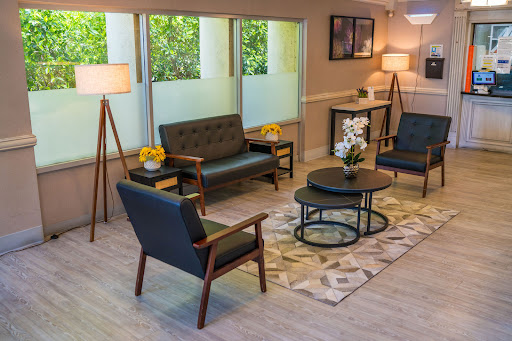
  • Interior

    A modern lobby interior with sofas and potted plants.
  • Outdoors

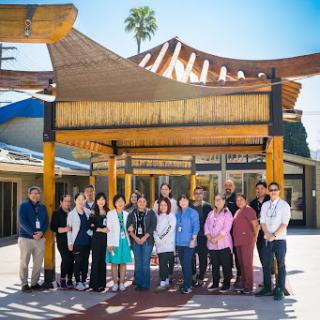
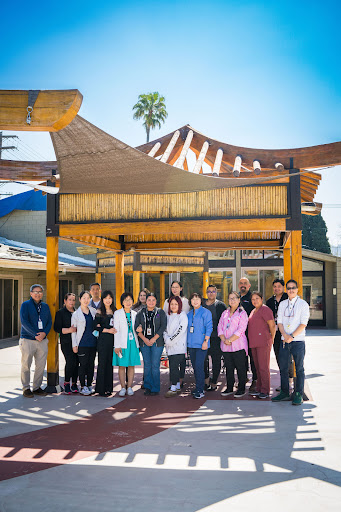
    A diverse group of staff members gathered outdoors under a culturally-inspired structure, showcasing unity and community spirit.
  • Decor

    A stylish and inviting living room area featuring cozy seating, modern furniture, and ample natural light.
  • Living Room

    A cozy living room featuring a television, an armchair, and a bookshelf with various items.
  • Trees

    A couple posing together in a serene outdoor setting, surrounded by greenery and traditional architecture.
  • Dining

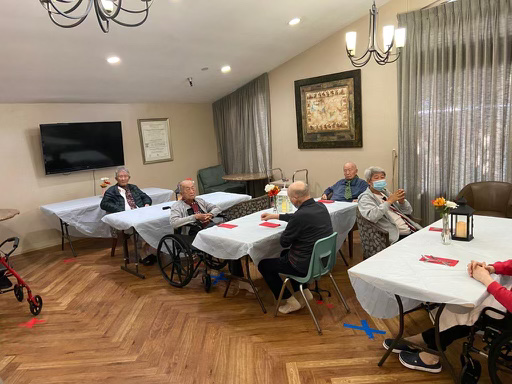
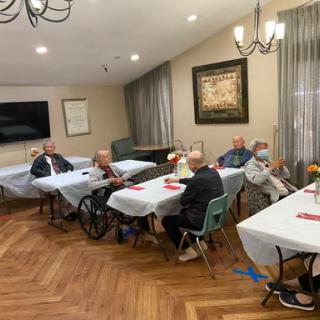
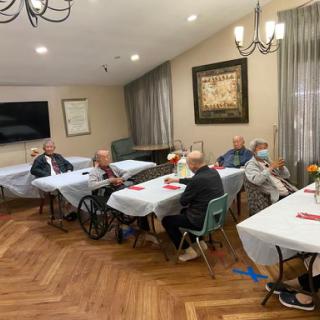
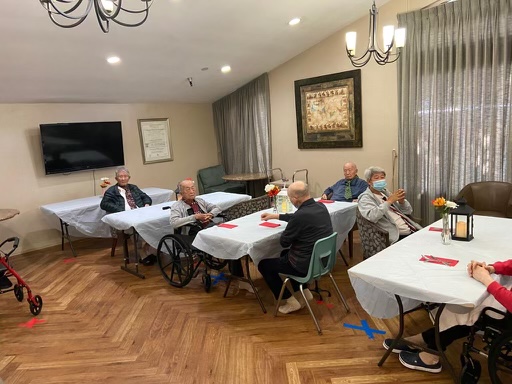
    Seniors seated around tables in a dining area, likely enjoying a social event.
  • Chandelier

    A cozy dining area with patterned chairs and a round table, illuminated by a chandelier.
  • Waiting Area

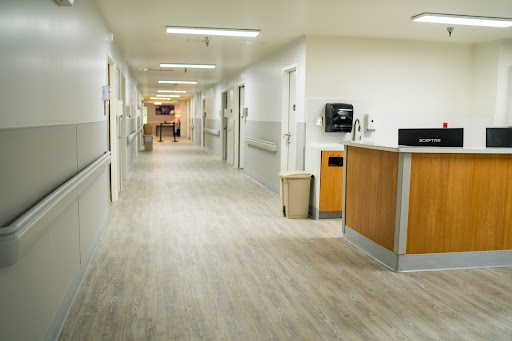
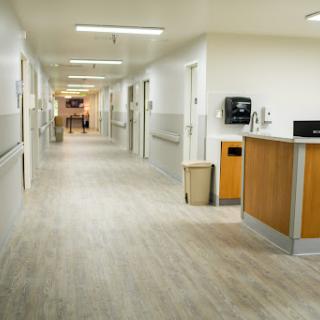
    A well-lit corridor in a hospital, featuring a reception area and clean flooring.
  • Healthcare

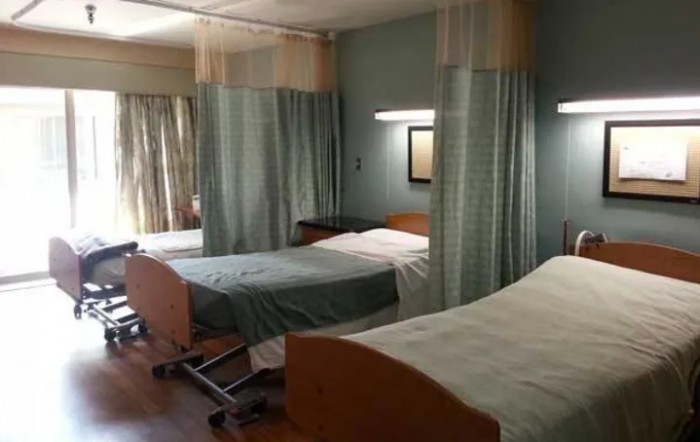
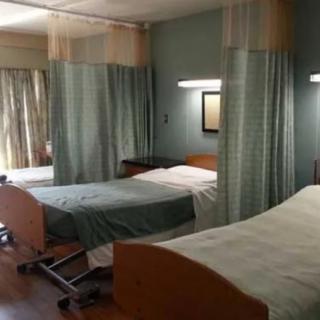
    A hospital room with multiple beds and privacy curtains.
  • Wheelchair

    A group of seniors gathered in a cozy indoor setting, engaging in conversation at their tables.

Olympia Convalescent Hospital in Los Angeles, CA

Information last verified:

1100 South Alvarado Street, Los Angeles, CA 90006

For more information about senior living options: (844) 490-3973

5 from 100 reviews
5 stars
97
4 stars
2
3 stars
1
2 stars
0
1 stars
0

Seniors.FYI Elite Community Awards

Top 5% Senior Living Community in 2021Top 5% Senior Living Community in 2022Top 5% Senior Living Community in 2023Top 5% Senior Living Community in 2024Top 5% Senior Living Community in 2025Top 5% Senior Living Community in 2026

Add this award to your website

Overall Review of Olympia Convalescent Hospital

Pros

  • pro The staff are respectful and friendly toward residents.
  • pro The care team regularly calls families to explain the patient’s health and incorporates their concerns into the care plan.
  • pro The facility is clean, safe, and well-maintained.
  • pro Esther Kwun and Grace, along with the nursing staff, are repeatedly praised for their kindness and professionalism.
  • pro The meals are delicious, with many reviewers praising Korean cuisine.
  • pro Families appreciate proactive communication and updates on health and recovery.
  • pro Olympia Nursing Home / Convalescent Hospital is described as a top-notch facility with excellent rehab services.
  • pro The atmosphere feels like home, offering a warm and welcoming environment.
  • pro The staff provide compassionate, patient-centered care that supports residents’ health and well-being.
  • pro Parking for visitors is convenient and the overall logistics are well-organized.
  • pro The facility offers bilingual staff, including Korean-speaking team members, improving communication with families.
  • pro Reviewers would highly recommend Olympia Nursing Home / Olympia Convalescent Hospital to others.

Cons

  • pro One reviewer noted a flaw where the hospital-appointed doctor dictated care over the initially designated physician.
  • pro The reviewer claimed diapers were left untouched, with stool and urine present on the patient, including the stomach area, causing pain and prompting discharge.
  • pro They felt staff did not listen and treated them coldly.
  • pro The reviewer stated discharge documents and medications were not provided, which was truly disappointing.

Review

Olympia Convalescent Hospital in Los Angeles is best suited for families seeking a culturally attuned, highly engaged convalescent and rehab environment where communication with families is frequent, and care feels personal and steady. The community shines for elders who benefit from a strong nursing presence, bilingual staff, and a home-like atmosphere that prioritizes regular updates, social programming, and meaningful daily routines. The experience is especially compelling for families who value thoughtful nutrition, consistent worship and activities, and a staff culture that treats residents with warmth and respect. In short, this is the choice for those who want robust day-to-day care backed by a cheerful, communicative team.

Those who may want to consider alternatives are primarily families prioritizing continuous, on-site medical oversight from a full-time physician or someone seeking a more hospital-like, less intimate setting. Although Olympia provides ready access to doctors on call, there is no resident physician on site. For families needing a clinic-level cadence of physician attention or a setting that feels less “home-ccommunity” and more traditional hospital, other facilities may fit better. Additionally, for families needing a non-Korean-centric environment or language options beyond Korean and English, it may be worth evaluating options with broader language coverage or different cultural emphases.

The standout pros at Olympia offset several potential concerns with notable strength. The facility is consistently described as spotless and well maintained, conveying a hospital-grade cleanliness that inspires confidence in safety and hygiene. The staff are repeatedly characterized as kind, professional, and genuinely caring, with particular praise for bilingual communication that eases families’ anxiety and keeps guardians informed. Regular calls and detailed care plans demonstrate a disciplined approach to transparency, ensuring families feel connected to every step of their loved one’s health and daily routine. The kitchen receives frequent kudos for delicious meals, and there is a clear emphasis on nutrition that residents often respond to with improved weight and appetite. Rehabilitation services and a diverse schedule of activities and worship options further reinforce a sense of purpose and social integration for residents.

Yet the main downside remains a practical consideration: medical oversight hinges on on-call doctors rather than a full-time on-site physician. While the nursing staff, therapists, and social workers are consistently praised, the absence of a fixed on-site physician can feel like a gap for families who expect round-the-clock medical leadership. On occasion, reviews reference moments where medical decisions or discharge communications could have been more tightly coordinated, underscoring the need for proactive family engagement and explicit understanding of who signs off on specific care choices. For families, the consequence is clear: accompany the care plan with precise questions about medical oversight, discharge criteria, and emergency protocols to avoid ambiguity.

The strongest offset to that potential limitation is Olympia’s extraordinary team culture and process. Esther Kwun, Grace the head nurse, Ezra, and other social workers emerge as anchors, delivering consistent, caring guidance that spans admissions, ongoing care, and even post-discharge planning. The facility’s social services leadership often becomes the bridge between families and clinical staff, translating needs into actionable plans and regular updates. The combination of a clean, welcoming environment, highly responsive CNAs and RNs, and a menu of engaging activities creates a compelling overall value. Families repeatedly credit Olympia with improved health trajectories, stronger appetite, and a more hopeful outlook for their loved ones, which can transform what feels like a difficult transition into a manageable, even positive, phase.

Decision-makers should align expectations with Olympia’s strengths. If cultural and linguistic alignment, steady daily care, nutritious cuisine, and a robust social-rehabilitation framework are the priorities, Olympia stands out as a top choice in the Los Angeles convalescent landscape. Prospective families should engage with Esther Kwun and Grace early to map a clear care plan, confirm the on-call doctor arrangement, and set a rhythm for family updates that fits their needs. For elders who thrive on community, worship, and regular activity, the environment can feel like a deliberate, well-run home rather than a sterile facility. Overall, Olympia Convalescent Hospital offers a powerful combination of compassionate care, clear communication, and practical, everyday excellence that translates into meaningful peace of mind for families navigating complex care decisions.

Features

Housing

  • 135 resident community capacity 135 resident community capacity

Types of Care

  • Skilled Nursing Facility Skilled Nursing FacilitySkilled Nursing Facilities are crucial for seniors as they provide round-the-clock medical care, rehabilitation services, and assistance with daily activities. These facilities ensure that seniors receive the specialized care they need to maintain their health and well-being as they age.

Amenities

  • Air-conditioning Air-conditioningAir conditioning is important for seniors as they are more vulnerable to heat-related illnesses and may have underlying health conditions that make it difficult for them to regulate their body temperature. It helps to keep them comfortable, safe, and healthy in hot weather.
  • Beauty salon Beauty salonBeauty salons are important for seniors because they provide a space for them to feel pampered, socialize, and maintain their personal grooming and hygiene. Regular visits to a beauty salon can help boost seniors' self-esteem and overall well-being.
  • Cable or satellite TV Cable or satellite TVCable or satellite TV is important for seniors because it provides entertainment, news, and companionship, helping to combat loneliness and boredom. It also offers a wide range of programming options tailored to different interests and preferences.
  • Computer center Computer centerA computer center is essential for seniors as it provides access to technology, communication tools, and resources that can enhance their daily lives. It allows them to stay connected with loved ones, engage in online activities, and learn new skills, ultimately promoting socialization and mental stimulation.
  • Dining room Dining roomDining rooms are important for seniors as they provide a space for socialization, connection, and nutritious meals. They offer opportunities for residents to bond over shared meals, foster a sense of community, and promote healthy eating habits. Dining rooms also ensure that seniors have access to well-balanced meals tailored to their dietary needs and preferences.
  • Fitness room Fitness roomHaving a fitness room in a senior living community is essential for seniors to stay active, maintain their physical health, and improve their overall well-being. Regular exercise can help prevent falls, reduce the risk of chronic diseases, and promote mental sharpness. It also provides social opportunities for residents to connect with others and enjoy a sense of community.
  • Fully furnished Fully furnishedFully furnished senior living communities are important for seniors because they provide convenience, comfort, and a hassle-free moving experience. Seniors can easily settle into their new living space without the stress of having to buy and move furniture. This allows them to focus on enjoying their new home and community.
  • Gaming room Gaming roomGaming rooms are important for seniors as they provide a fun and engaging environment for socializing, cognitive stimulation, and physical activity. Games can improve memory, problem-solving skills, and overall mental well-being while fostering friendships and reducing feelings of isolation.
  • Garden GardenGardens are important for seniors as they provide a peaceful and therapeutic environment for relaxation, physical activity, and socialization. Being in nature has been shown to reduce stress, improve mood, and promote overall well-being. Gardens also offer opportunities for seniors to engage in gardening activities, which can improve mobility, flexibility, and cognitive function. Additionally, gardens create a sense of community and connection with others who share a passion for plants and outdoor spaces.
  • Housekeeping services Housekeeping servicesHousekeeping services are important for seniors because they help maintain a clean and safe living environment, promote independence, and reduce the risk of accidents or illnesses. Additionally, having assistance with household chores can alleviate physical strain and allow seniors to focus on other aspects of their well-being.
  • Kitchenette KitchenetteKitchenettes are important for seniors living in senior living communities because they provide the convenience and independence of being able to prepare simple meals and snacks in the comfort of their own living space. This can help promote a sense of autonomy and well-being for seniors, allowing them to maintain some level of control over their dietary choices and daily routines.
  • Move-in coordination Move-in coordinationMove-in coordination is important for seniors because it helps ease the transition into their new living environment. It ensures that all logistics, such as packing, organizing movers, and setting up utilities are taken care of, allowing seniors to focus on settling in and adjusting to their new home. Having a smooth move-in process can alleviate stress and anxiety, making the transition smoother and more enjoyable for seniors.
  • Outdoor space Outdoor spaceOutdoor spaces are important for seniors as they provide opportunities for physical activity, social interaction, exposure to natural light and fresh air, and a sense of connection to nature. Having access to outdoor spaces can improve overall well-being and quality of life for older adults living in senior communities.
  • Private bathrooms Private bathroomsPrivate bathrooms are important for seniors in senior living communities because they provide independence, dignity, and comfort. Having a private bathroom allows seniors to maintain their personal hygiene routines without the need for assistance, promoting a sense of autonomy and privacy. Additionally, private bathrooms help prevent the spread of infections and provide a safe and clean environment for seniors to navigate safely.
  • Restaurant-style dining Restaurant-style diningRestaurant-style dining is important for seniors because it allows them to enjoy delicious, nutritious meals in a social and upscale setting. This enhances their dining experience, promotes healthy eating habits, and fosters socialization with fellow residents, ultimately contributing to their overall well-being and quality of life.
  • Small library Small librarySmall libraries are important for seniors as they provide access to a variety of reading materials, including books, newspapers, and magazines. This can help stimulate their minds, keep them engaged, and provide a sense of community through book clubs and other social activities. Additionally, reading has been shown to improve cognitive function and overall mental well-being in older adults.
  • Telephone TelephoneTelephones are important for seniors as they provide a lifeline for communication with loved ones, emergency services, and healthcare providers. They offer a sense of security and independence, enabling seniors to stay connected and access assistance when needed.
  • Wellness center Wellness centerWellness centers are important for seniors because they offer a variety of programs and services that promote physical, mental, and emotional well-being. These centers provide opportunities for exercise, socialization, education, and relaxation, helping seniors maintain their overall health and quality of life.
  • Wi-Fi/high-speed internet available Wi-Fi/high-speed internet availableWi-Fi/high-speed internet is important for seniors to stay connected with loved ones, access online resources, and participate in virtual activities to combat feelings of loneliness and isolation. It also allows them to easily manage healthcare needs, access entertainment, and engage in lifelong learning opportunities.

Transportation

  • Los Angeles International (10 miles away) Los Angeles International (10 miles away)
  • Burbank-Glendale-Pasadena (11 miles away) Burbank-Glendale-Pasadena (11 miles away)
  • Long Beach (Daugherty) (18 miles away) Long Beach (Daugherty) (18 miles away)
  • Community operated transportation Community operated transportationCommunity operated transportation is crucial for seniors as it provides them with the means to access essential services, social activities, and medical appointments. It allows seniors to maintain their independence and quality of life by ensuring they can participate in activities outside of their homes. Additionally, community-operated transportation services offer a safe and reliable way for seniors to travel without having to rely on family or friends for assistance.
  • Transportation arrangement Transportation arrangementTransportation arrangements are crucial for seniors as they may face challenges with driving, mobility, or access to public transportation. Having reliable transportation services ensures that seniors can easily attend appointments, social activities, and maintain their independence and quality of life.
  • Transportation arrangement (non-medical) Transportation arrangement (non-medical)Transportation arrangements are essential for seniors as they provide access to essential services, activities, and social interactions outside the home. This service helps maintain independence, mobility, and overall well-being for seniors who may have limited transportation options.
  • Transportation to doctors appointments Transportation to doctors appointmentsTransportation to doctors appointments is crucial for seniors as it ensures they have access to necessary medical care and support, promoting their health and well-being. It allows them to receive timely treatment, monitor existing conditions, and address any new health concerns efficiently. Additionally, transportation services can help seniors maintain their independence and quality of life by enabling them to stay connected with their healthcare providers.

Care Services

  • 12-16 hour nursing 12-16 hour nursing12-16 hour nursing care is crucial for seniors in order to ensure around-the-clock monitoring, timely medication administration, and prompt response to any health concerns or emergencies. This level of care helps to promote the overall well-being and safety of seniors living in senior living communities.
  • 24-hour call system 24-hour call system24-hour call systems are important for seniors because they provide peace of mind and immediate assistance in case of emergencies. This technology ensures that help is always available, promoting safety and security for elderly individuals living alone or in assisted living facilities.
  • 24-hour supervision 24-hour supervision24-hour supervision is important for seniors to ensure their safety, well-being, and access to immediate assistance in case of emergencies or health issues. This constant support provides peace of mind for both seniors and their loved ones, allowing them to age in place with dignity and security.
  • Activities of daily living assistance Activities of daily living assistanceActivities of daily living assistance are important for seniors because they provide essential support with tasks such as eating, bathing, dressing, and mobility. This assistance helps seniors maintain their independence, dignity, and overall quality of life as they age.
  • Assistance with bathing Assistance with bathingAssistance with bathing is crucial for seniors as it helps maintain personal hygiene, prevents infections, and ensures their overall well-being and comfort. It also provides a sense of dignity and independence for seniors who may struggle with this task on their own.
  • Assistance with dressing Assistance with dressingAssistance with dressing is important for seniors because it helps maintain their independence, promotes personal hygiene, prevents accidents and injuries, and improves overall quality of life. This service ensures that seniors can continue to dress comfortably and confidently, despite any physical limitations they may have.
  • Assistance with transfers Assistance with transfersAssistance with transfers is crucial for seniors as it helps prevent falls and injuries, maintains their independence, and ensures they can safely navigate their living environment. It also provides peace of mind for both seniors and their loved ones.
  • Diabetes diet Diabetes dietA diabetes diet is crucial for seniors as it helps manage blood sugar levels, reduce risks of complications, and improve overall health and well-being. By following a balanced and nutritious diet tailored to their specific needs, seniors can better control their diabetes and enhance their quality of life.
  • Meal preparation and service Meal preparation and serviceMeal preparation and service are crucial for seniors as they may have limited mobility or energy to cook nutritious meals. Having access to healthy and convenient food options can ensure they are getting the proper nutrition needed to maintain their overall health and well-being.
  • Medication management Medication managementMedication management is crucial for seniors to ensure they are taking the right medications at the correct dosages and times. This helps prevent adverse drug interactions, reduces the risk of medication errors, and promotes overall health and well-being. Proactive management also allows for adjustments as needed based on changing health conditions or new prescriptions.
  • Mental wellness program Mental wellness programMental wellness programs are essential for seniors as they promote cognitive stimulation, emotional support, and social engagement. These programs help prevent isolation, depression, and cognitive decline, ultimately enhancing the overall quality of life for older adults.
  • Special dietary restrictions Special dietary restrictionsSpecial dietary restrictions are important for seniors because age-related changes in metabolism and health conditions can make it difficult for their bodies to process certain foods. By following a diet tailored to their specific needs, seniors can maintain their overall health and well-being, manage chronic conditions, and reduce the risk of complications such as malnutrition or food interactions with medications.

Dining

  • Diabetes diet Diabetes dietA diabetes diet is crucial for seniors as it helps manage blood sugar levels, reduce risks of complications, and improve overall health and well-being. By following a balanced and nutritious diet tailored to their specific needs, seniors can better control their diabetes and enhance their quality of life.
  • Special dietary restrictions Special dietary restrictionsSpecial dietary restrictions are important for seniors because age-related changes in metabolism and health conditions can make it difficult for their bodies to process certain foods. By following a diet tailored to their specific needs, seniors can maintain their overall health and well-being, manage chronic conditions, and reduce the risk of complications such as malnutrition or food interactions with medications.

Activities

  • Community-sponsored activities Community-sponsored activitiesCommunity-sponsored activities are important for seniors as they provide opportunities for social interaction, mental stimulation, and physical activity. These activities can help improve overall well-being, combat loneliness and isolation, and promote a sense of belonging and purpose among older adults.
  • Concierge services Concierge servicesConcierge services are essential for seniors as they provide assistance with daily tasks and errands, enhance their quality of life by offering convenience and personalized care, and promote a sense of safety and security.
  • Fitness programs Fitness programsFitness programs are crucial for seniors as they help improve strength, flexibility, balance, and overall well-being. Staying active can reduce the risk of chronic diseases, improve mental health, and enhance quality of life in older adults.
  • Planned day trips Planned day tripsPlanned day trips are important for seniors because they offer opportunities for socialization, mental stimulation, and physical activity. They provide a change of scenery and help seniors stay engaged and connected to their community, promoting overall well-being and quality of life.
  • Resident-run activities Resident-run activitiesResident-run activities are important for seniors as they encourage social interaction, creativity, and a sense of autonomy. These activities empower seniors to stay engaged and active in their community while fostering meaningful connections with their peers.
  • Scheduled daily activities Scheduled daily activitiesScheduled daily activities are important for seniors because they provide structure, socialization, mental stimulation, and physical activity. Engaging in regular activities can improve overall well-being and quality of life for seniors living in a community setting.

Description

The Olympia Convalescent Hospital in Los Angeles, CA is an assisted living community that offers a wide range of amenities and care services to meet the needs of its residents. The community features a beauty salon where residents can get pampered, as well as access to cable or satellite TV for entertainment. Community operated transportation is available for outings and appointments, and there is a computer center for residents to stay connected.

Dining at Olympia Convalescent Hospital is restaurant-style, with delicious meals prepared and served by the staff. Residents can enjoy their meals in the dining room or in the comfort of their own fully furnished apartments, which also come with private bathrooms and kitchenettes. Housekeeping services ensure that the living spaces are always clean and tidy.

For leisure activities, the community boasts a fitness room, gaming room, garden, small library, and outdoor space where residents can relax and socialize. There is also a wellness center that focuses on mental wellbeing and offers various programs to support residents' overall health.

Care services provided at Olympia Convalescent Hospital include 24-hour call system for immediate assistance, round-the-clock supervision for added safety, and assistance with activities of daily living such as bathing, dressing, and transfers. Medication management ensures that residents receive their medications on time and according to prescribed guidelines.

Residents have access to amenities nearby as well. With 7 cafes, 3 parks, 24 pharmacies, 20 restaurants, 1 transportation service provider, 4 theaters, and 3 hospitals located within close proximity to the community, there are plenty of options for recreation and healthcare needs.

Overall, Olympia Convalescent Hospital offers a comfortable living environment with excellent amenities and care services tailored to meet each resident's individual needs.

Nearby Places of Interest

Restaurants

  • Park's BBQ (0.7 miles)
  • Yard House (0.9 miles)
  • Takami Sushi & Robata (1.3 miles)
  • BCD Tofu House (1.5 miles)
  • Perch (1.7 miles)
  • Precinct (1.8 miles)
  • Mohawk Bend (2.1 miles)

Theaters

  • Regal LA Live & 4DX (0.8 miles)
  • Alamo Drafthouse Downtown (1.3 miles)
  • AMC The Grove 14 (4.7 miles)
  • TCL Chinese Theatre (5 miles)

Pharmacies

  • Rite Aid (0.9 miles)
  • Walgreens (1.2 miles)
  • CVS Pharmacy (1.3 miles)
  • Walgreens (1.3 miles)
  • CVS Pharmacy (1.8 miles)
  • CVS Pharmacy (2.1 miles)
  • Walgreens (2.3 miles)

Cafes

  • Starbucks (1.6 miles)
  • Starbucks Reserve (2.1 miles)
  • Lamill Coffee Boutique (2.8 miles)
  • Verve Coffee Roasters (2.8 miles)
  • Starbucks (2.9 miles)
  • Starbucks (3.9 miles)
  • Proof Bakery (4.8 miles)

Parks

  • Echo Park at the Lotus Festival (2.1 miles)
  • Elysian Park (3.5 miles)
  • Pan Pacific Park (4.7 miles)
  • Plummer Park (5 miles)
  • Glassell Park Recreation Center (5.3 miles)
  • Runyon Canyon Park (5.5 miles)
  • Hollywood Bowl Overlook (5.8 miles)

Transportation

  • Union Station (2.6 miles)

Hospitals

  • Kedren Community Health Center (3 miles)
  • LAC+USC Inpatient Tower (4.2 miles)
  • Usc-Norris Cancer Hospital (4.4 miles)
  • Kaiser Permanente West Los Angeles Medical Center (5.5 miles)

Frequently Asked Questions

Where is Olympia Convalescent Hospital?
What photos are available for Olympia Convalescent Hospital in Los Angeles, California?

Nearby Communities

  • Emerald Terrace Conv Hospital

    Emerald Terrace Conv Hospital

    Los Angeles, CA

    4.2 from 42 reviews
     

    pro Extensive on-site amenities and comprehensive care services.


  • Home Health Svc Of Ca

    Home Health Svc Of Ca

    Los Angeles, CA

    1 from 1 review
     

    pro Close to numerous amenities and hospitals for easy access.

  • Promise Assisted Living

    Promise Assisted Living

    Los Angeles, CA

    3.1 from 11 reviews
    $2,000 to $3,000 / month

    pro Clean facility with friendly staff and good meals.

  • Alden Terrace Convalescent

    Alden Terrace Convalescent

    Los Angeles, CA

    2.5 from 19 reviews
     

    pro Excellent access to nearby dining, parks, pharmacies, theaters, and hospitals.

  • Alden Terrace Convalescent Hospital

    Alden Terrace Convalescent Hospital

    Los Angeles, CA

    3.1 from 25 reviews
     

    pro Extensive amenities and comprehensive care (restaurant-style dining, private baths, wellness center, transport, medication management).

  • California Post Acute

    California Post Acute

    Los Angeles, CA

    3.5 from 20 reviews
     

    pro Private, fully furnished accommodations with private bathrooms, restaurant-style dining, and on-site amenities.

  • Garden Silver Town

    Garden Silver Town

    Los Angeles, CA

    4.3 from 7 reviews
    $1,800 to $3,200 / month

    pro Comprehensive care with 24/7 staff, restaurant-style dining, and extensive on-site amenities.

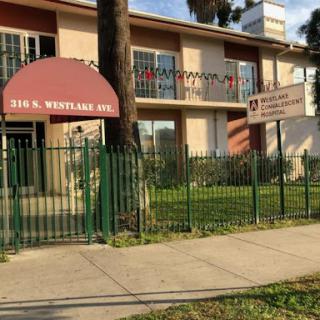
  • Westlake Convalescent Hospital

    Westlake Convalescent Hospital

    Los Angeles, CA

    2.8 from 16 reviews
     

    pro Extensive on-site amenities and 24/7 nursing care

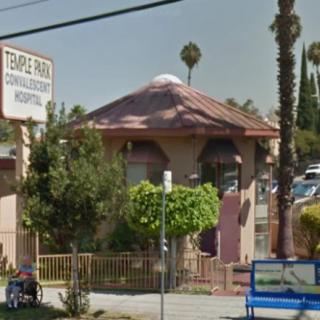
  • Temple Park Convalescent Hospital

    Temple Park Convalescent Hospital

    Los Angeles, CA

    3.1 from 19 reviews
     

    pro Wide range of amenities and comprehensive care (24/7 supervision, transportation, diabetes diet, mental wellness).

Related Resources

  • adult day careEncouraging Participation in Adult Day Care: A Guide to Supporting a Hesitant Parent

    Adult day care programs offer essential support and activities for older adults, yet many hesitate to participate due to concerns about independence and stigma. To alleviate these apprehensions, families should facilitate open discussions, explore financial resources, suggest trial visits, and collaborate with healthcare providers to highlight the benefits of such services for both the participants and their caregivers.

  • living will definitionComprehensive Exploration of Living Wills and Other Advance Directives

    Living wills and advance directives are crucial legal documents that outline an individual's healthcare preferences when they cannot make decisions themselves, enhancing patient autonomy and alleviating family stress during medical crises. The article emphasizes the need for these documents to be personalized, legally valid, and regularly updated, while also encouraging communication about end-of-life wishes among family members and healthcare providers.

  • living will definitionA Detailed Exploration of Living Wills and Advance Directives

    The article examines living wills and advance directives, highlighting their significance in expressing healthcare preferences for those unable to communicate due to illness or incapacity. It discusses their historical development, legal components, limitations, practical drafting advice, and the importance of clear communication among families and healthcare professionals regarding end-of-life decisions.