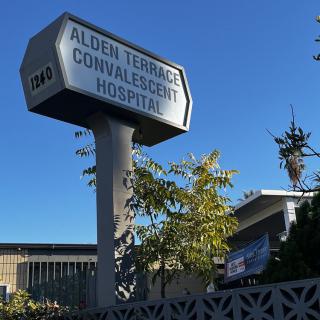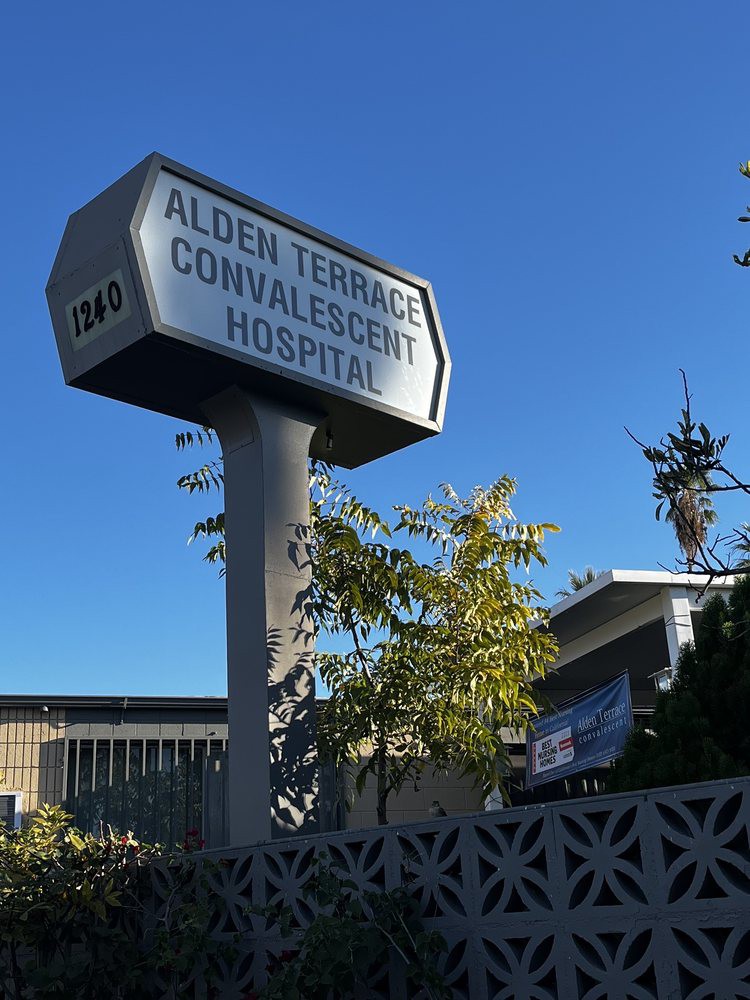
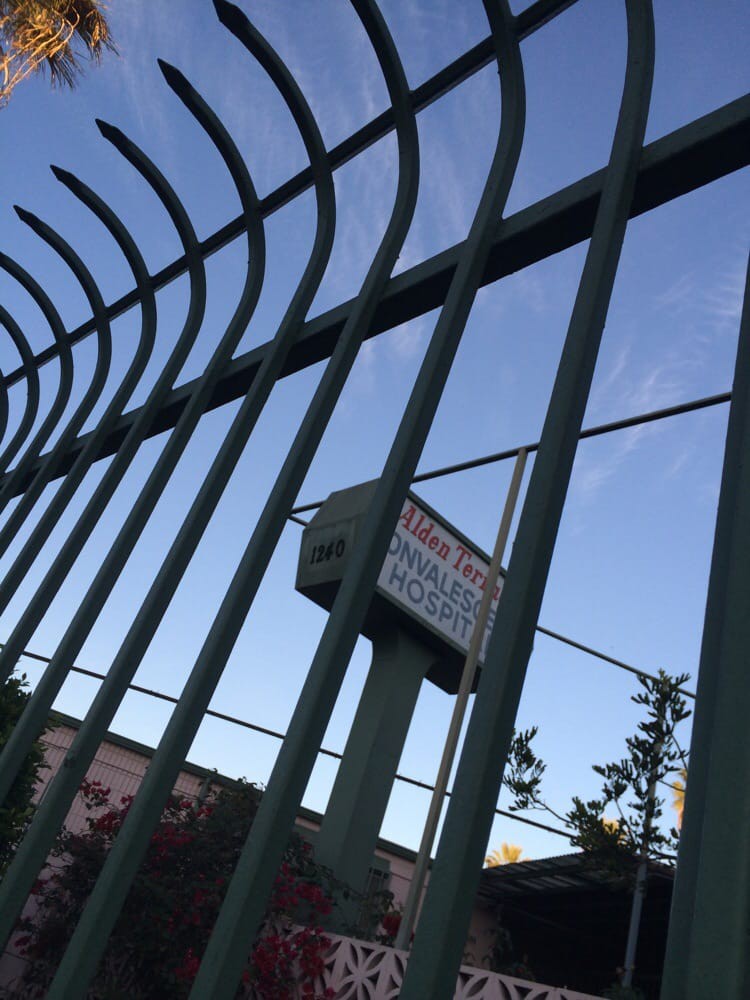

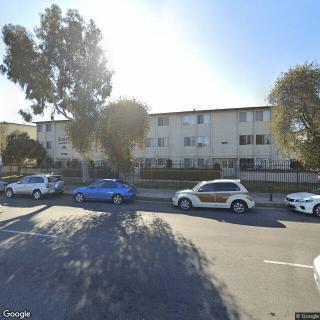
1240 S Hoover St, Los Angeles, CA 90006
To contact a resident: (213) 382-8461
For more information about senior living options: (866) 208-4318
Overall Review of Alden Terrace Convalescent
Pros
 The staff from the DON to the Administrator are very nice, helpful, friendly, and attentive to the patients.
- The nurses were always attentive to her needs and provided very good care.
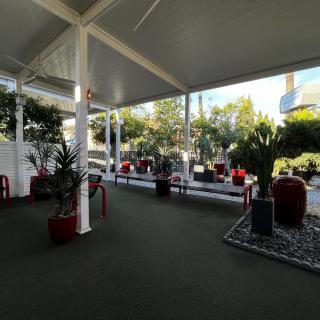
- The facility is nice and the employees do a good job.
- The place is good.
Cons
 The staff allegedly overmedicated the dad, left him lying in his own feces, and ignored his needs.
- The facility was described as dirty and not well cared for, with the mom not adequately watched by nurses.
- Security was said to be inadequate, raising the risk that a patient could walk out at any moment.
- The place was labeled one of the worst, with a strong recommendation not to bring a loved one there.
- The reviewer warned others to investigate thoroughly before admitting a relative, as many troubling things happened to their mother.
- Staff were described as distracted by conversations or cell phones and not checking on patients for hours.
- Restrooms were dirty, with urine and feces present, signaling unsanitary conditions.
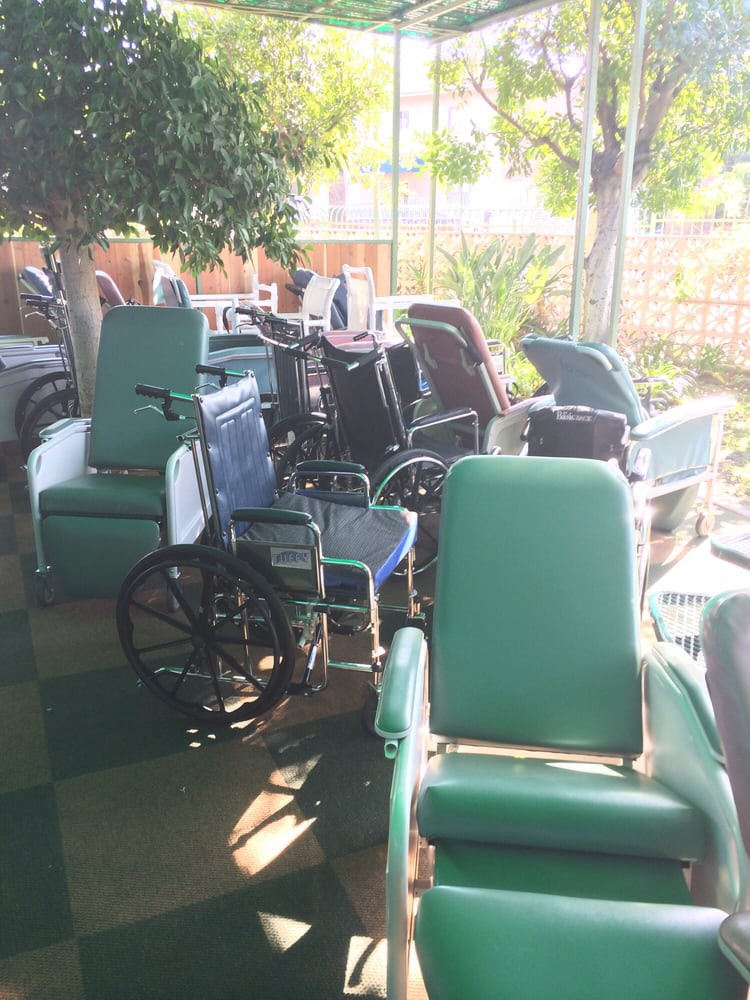
- Care was deemed negligent, with basic needs unmet and questionable decisions about meals and equipment.
Review
Alden Terrace Convalescent in Los Angeles is best suited for families that can embrace an active oversight role and prioritize a pleasant atmosphere and nearby location over assured, high‑quality medical oversight. The reviews suggest a facility that can look appealing on the surface and may be workable when oversight is constant, but there is a pattern of serious care gaps that demand relentless advocacy. For seniors who require steady, hands‑on medical management, or whose care needs include reliable therapy, this is not the first choice. Those who have the bandwidth to supervise, demand accountability, and are prepared to transfer if standards slip may tolerate the risk, but that is a narrow path.
On the plus side, several accounts emphasize that the leadership and some nursing staff can be courteous and responsive when present. A few families describe attentive nurses and a DON/administrative team that can be cooperative and helpful, particularly in moments when concerns are raised and followed up. The facility environment itself can feel inviting, and when care teams are engaged, residents have at least the appearance of individualized attention. These small positives become meaningful only if they are consistently backed by daily, reliable care, which is not consistently the case in the majority of accounts.
The glaring counterweight is the breadth and repetition of serious care failures. Multiple families recount overmedication, neglect, and neglectful hygiene practices that left residents uncomfortable and at risk. Instances of patients being left in soiled conditions, malnourished, or without timely access to therapy point to systemic gaps rather than isolated missteps. Cleanliness lapses, such as dirty restrooms or unattended personal care, and concerns about security and supervision compound the risk. Reports of staff distracted by personal matters, long waits for help, and uneven access to essential services further erode trust in the day‑to‑day operation. Taken together, these episodes illustrate a facility with fragile, uneven care delivery.
In weighing the pros against the cons, the positives barely offset the most consequential drawbacks. A facility can be attractive and staffed by capable individuals in some shifts, but the repeated, broad nature of the negative experiences makes reliable quality an unreliable bet for most families. The risk here is not just an occasional lapse but a pattern that threatens safety and dignity for residents who depend on consistent care, therapy, and basic cleanliness. For a senior with significant health needs, the math does not favor Alden Terrace without stringent, ongoing monitoring and a willingness to escalate or relocate at the first sign of trouble.
For those still considering a stay, concrete guardrails are essential. Demand transparent, verifiable staffing ratios and explicit daily care plans, with a commitment to timely administration of medications and ongoing rehabilitation therapy. Insist on unannounced quality checks, immediate escalation pathways for any lapse, and published responses to prior deficiencies. Compare this with other facilities in the area that show stronger consistency in hygiene, security, and therapy delivery, or contemplate in‑home or home‑health options when appropriate. In other words, treat Alden Terrace as a facility that requires aggressive oversight and specific conditions to be met before it can be judged acceptable.
The practical takeaway is clear: Alden Terrace is not a default recommendation for most seniors, especially those needing dependable medical oversight and rigorous therapy. It can work for families that are prepared to intervene aggressively and frequently, and for residents whose social environment and proximity to loved ones are primary priorities. Otherwise, alternatives should be explored, other skilled nursing facilities with demonstrated staffing stability and cleaner track records, or home‑based care when appropriate. The decision should hinge on whether the family can secure a care plan that eliminates the most serious risks and on whether nearby, higher‑performing options are available.
 Skilled Nursing Facility
 Los Angeles International (10 miles away)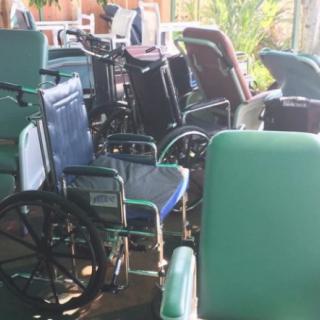





 Understanding Hospice Care at Home: Comprehensive Services, Key Benefits, and Eligibility
 Understanding the Full Cost of 24/7 In-Home Care: A Detailed Overview
 Exploring the World of Home Health Nurses: Qualifications, Roles, and Hiring Tips