

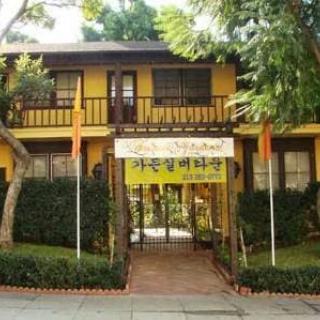
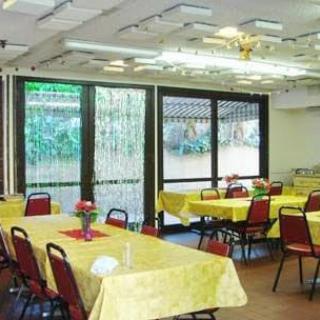
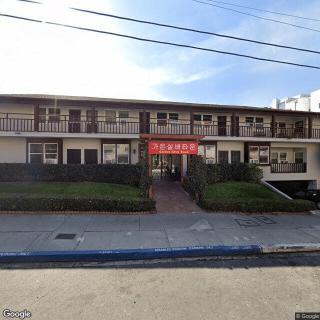
2830 Francis Avenue, Los Angeles, CA 90005
For more information about senior living options: (866) 208-4318
Garden Silver Town Costs & Pricing
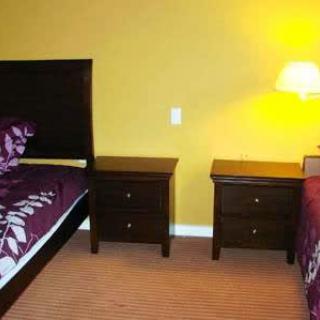
Garden Silver Town offers competitive pricing for its accommodations compared to the broader market of Los Angeles County and the state of California. With a monthly cost of $1,800 for a semi-private room, residents enjoy significant savings, as similar facilities in Los Angeles County average around $3,349 and statewide costs hover around $3,333. For those seeking more privacy, Garden Silver Town's studio rooms are priced at $3,200, which again stands favorably against the local and state averages of $4,172 and $4,145 respectively. These lower costs reflect Garden Silver Town's commitment to providing quality care while ensuring affordability for its residents.
| Floor plans | Garden Silver Town | Los Angeles County | California |
|---|---|---|---|
| Semi-Private | $1,800 | $3,349 | $3,333 |
| Studio | $3,200 | $4,172 | $4,145 |
Assisted Living communities with a similar price nearby
-
from -$300 / mo
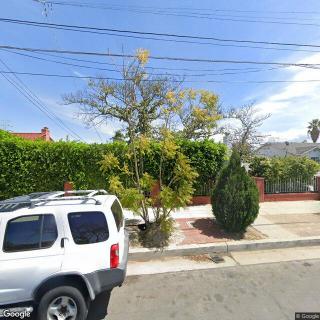
Sunnyside Res. Assist. Living For The Elderly
$1,500 to $6,357 / month14.1 miles away -
About the same
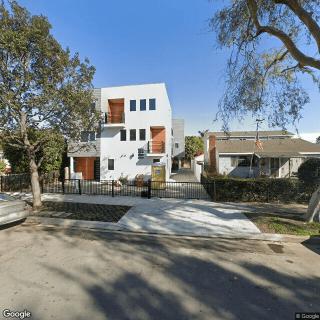
Gracie's Residential Care
$1,800 to $2,500 / month8.3 miles away -
from +$200 / mo

Primrose 2
$2,000 to $2,500 / month20.5 miles away -
from +$200 / mo

Primrose
$2,000 to $2,500 / month20.5 miles away -
from -$200 / mo

Country View Assisted Living
$1,600 to $3,000 / month20.3 miles away
Overall Review of Garden Silver Town
Pros
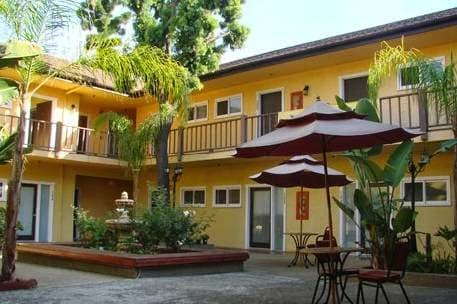
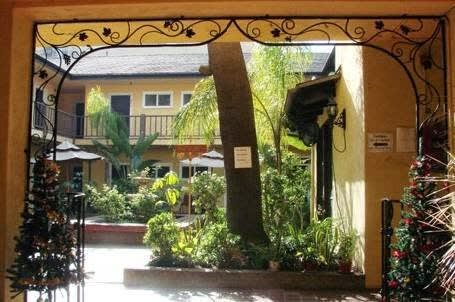
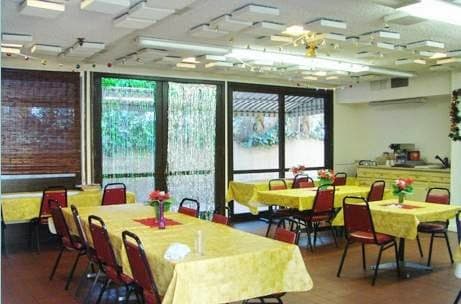
 The garden is a sizable, sun-drenched space that serves as a warm gathering point for residents.
 - It provides fresh air for both residents and caregiving staff, creating a soothing environment.
- The staff are described as warm, attentive, and genuinely caring.
- A caregiver consistently expresses how much she enjoys her time at the facility.
- The manager's warm demeanor puts visitors at ease and makes them feel welcome.
- The staff are noted for going beyond the call of duty to care for residents wholeheartedly.
- The facility's comfortable setting and Koreatown location are highlighted as positive attributes.
Cons
 The facility faces challenges with limited parking space for visitors.
- The premises fell short of cleanliness expectations.
- The room had bugs.
- The TV was not functioning during the visit.
- There is an unsafe condition with only one elevator for twenty wheelchair-bound residents.
- There are steep stairs that are inaccessible to wheelchair users.
- In case of a fire, safety concerns are worrisome.
Review
Garden Silver Town in Koreatown, Los Angeles, is best suited for families seeking a dementia-focused, relational care approach in a warm, home-like setting. The complex centers social life around a sizable, sun-drenched garden that becomes a daily hub of interaction for residents and staff alike. The standout strength is the care team’s genuine willingness to go beyond routine tasks, staff members engage residents with conversation, encouragement, and steady attentiveness that can make daily life feel more manageable for someone living with memory loss. For families balancing safety, companionship, and meaningful activity, this community offers a tangible sense of belonging and a culture of care that can ease the emotional burden of caregiving.
Those who may want to explore alternatives include families who cannot tolerate significant accessibility or maintenance gaps. The campus has notable safety and logistical drawbacks: exposure for wheelchair users is a real concern given a single elevator serving many residents and steep stairs that hinder safe evacuation or daily mobility. Parking is limited, complicating frequent visits and caregiver logistics. Reports of bugs in a room and a nonfunctional television during a visit point to inconsistent cleanliness and amenity reliability. For households where predictable safety, reliable maintenance, and easy access are non-negotiable, other communities with stronger ADA-compliant infrastructure and more robust resident transport options should be on the shortlist.
The strongest upshots are tangible and family-facing. A garden-centered environment invites calm, purposeful activity and reduces restlessness, while the open hallways and communal spaces promote spontaneous social interaction, critical for dementia care where companionship and routine matter. Caregivers are described as professional and compassionate, capable of adapting their approach to individual needs, which translates into meaningful daily moments for residents who may wander or struggle with eating. The manager’s warmth and the overall cordial atmosphere help families feel welcome and confident in the human side of care, reinforcing the sense that staff are genuinely invested in each resident’s well-being.
But the cons cannot be overlooked. Infrastructure gaps, especially the elevator situation and the steep stairs, pose legitimate safety and accessibility risks, particularly for wheelchair-dependent residents or during emergencies. Parking constraints affect family involvement and on-site support, while inconsistent room conditions and minor maintenance failures erode daily comfort. Shared rooms, common in this setting, may not align with every dementia resident’s needs for privacy or a predictable personal space. These factors collectively temper the otherwise strong relational care story and should be weighed carefully against the care culture when high-stakes safety is a priority.
The logic of the pros offsetting the cons rests on the primacy of human connection in dementia care. A garden and outdoor time can meaningfully soothe agitation, improve mood, and provide a predictable rhythm to the day. Staff who actively engage, listen, and adapt interactions often produce daily improvements in appetite, mood, and social engagement that avoid medicalizing every moment. The urban location supports frequent family visits, enabling ongoing oversight and involvement, which in turn strengthens continuity of care. Still, the operational gaps demand proactive due diligence: insist on a detailed safety plan, a clearly defined maintenance schedule, and a demonstration of how fire drills and emergency egress are managed in practice.
For families with a clear preference for warmth and dementia-aware caregiving, Garden Silver Town remains a viable option, provided acceptance of its infrastructure caveats. If a resident’s safety and effortless accessibility are the highest priority, pursuing alternatives with stronger ADA-compliant features and more consistent maintenance is prudent. In preparing to evaluate this community, demand a comprehensive tour focused on accessibility routes, elevator reliability, and room quality; request up-to-date maintenance logs and pest-control records; observe a meal service and activity session; and, if possible, arrange a short-term respite to assess real daily life. A candid discussion about emergency procedures, ongoing upkeep plans, and contingencies will reveal whether this community can become a trusted home or simply a hopeful step in the search.
 72 resident community capacity
 Assisted Living
 Independent Living
 Respite Care
 Activities off-site
 Air-conditioning
 Bath tubs
 Beauty salon
 Cable or satellite TV
 Computer center
 Devotional services off-site
 Dining room
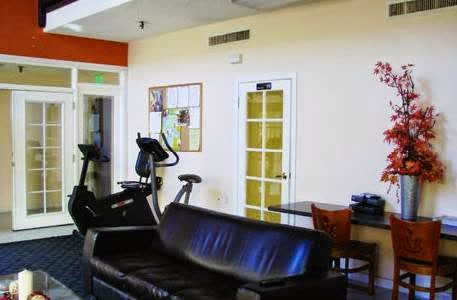
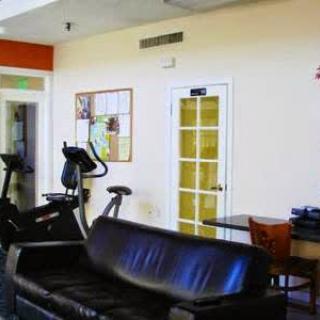
 Fitness room
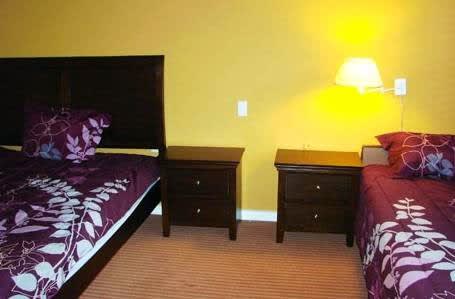
 Fully furnished
 Gaming room
 Garden
 Handicap accessible
 Housekeeping services
 Indoor common areas
 Kitchenette
 Move-in coordination
 Outdoor space
 Private bathrooms
 Restaurant-style dining
 Small library
 Telephone
 Wellness center
 Wheelchair accessible showers
 Wi-Fi/high-speed internet available
 Los Angeles International (10 miles away)
 Community operated transportation
 12-16 hour nursing
 24-hour call system
 Ambulatory care
 Assistance with bathing
 Assistance with dressing
 Assistance with transfers
 Diabetes diet
 Diabetic care
 High acuity care
 Medication management
 Mental wellness program
 Special dietary restrictions
 Art classes
 Concierge services
 Happy hour
 Live dance or theater performances
 Live musical performances
 Planned day trips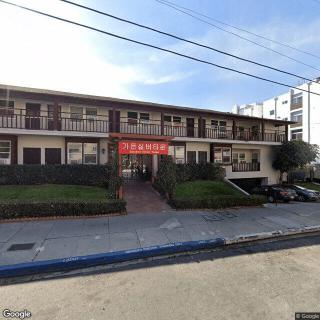


 Medicare Coverage for Assisted Living: An In-Depth Exploration
 Choosing the Right Senior Care: A Detailed Exploration of Assisted Living and Nursing Homes
 Understanding the True Cost of Assisted Living in 2025: A Comprehensive Guide