
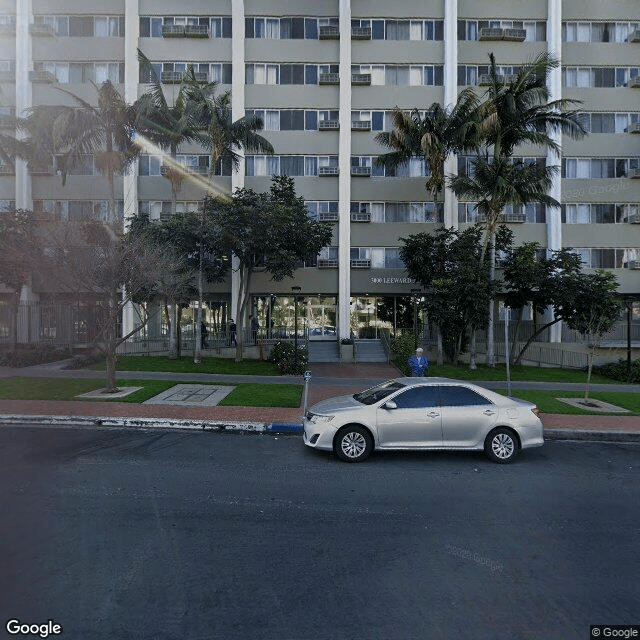
3000 Leeward Ave, Los Angeles, CA 90005
To contact a resident: (213) 386-2786
For more information about senior living options: (866) 208-4318
Overall Review of Vista Tower
Pros
 The staff are very friendly and kind.
- The place has an onsite nurse and a coordinator who help with social services.
Cons
 The place is very noisy due to constant repairs, maintenance, and thin walls that let conversations be heard from outside the door.
- Neighbors have complaints about plumbing noise.
- Fire department visits occur at least once a month due to fire alarms or emergencies, which is very frustrating.
- The busy downtown area is advised against and should be avoided.
Review
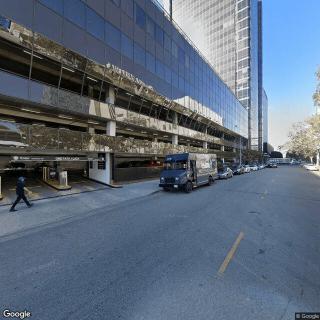
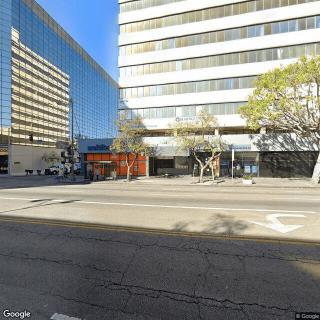
Vista Tower in downtown Los Angeles is best suited for seniors who want hands-on support, easy access to on-site health and social services, and a built-in community in an urban setting. The on-site nurse and social-services coordinator are key assets for residents who need routine health oversight, medication coordination, and help navigating entitlements or community resources without leaving the building. Families should expect a dynamic, city-oriented environment, where amenities cluster nearby and staff interactions can be a daily comfort. This is not a remote, quiet campus; it is a practical home for those who value proximity to city life and a readily available care network, even if that comes with maintenance demands and occasional disruptions.
Those who prize quiet, residential serenity may want to consider alternatives. Vista Tower’s environment can feel busy and transient, and the constant repairs, maintenance activity, and thin walls can make living spaces feel exposed. Noise isn’t just background ambiance; plumbing sounds and conversations from corridors can intrude into private rooms. The monthly fire department visits triggered by alarms introduce a recurring disruption that can frustrate routines and dampen relaxation. If a calm, predictable rhythm is non-negotiable, exploring facilities in quieter neighborhoods with stronger sound insulation and fewer scheduled interruptions is prudent.
The strongest positives are human capital: friendly, approachable staff that create a welcoming culture, and the presence of on-site clinical and social-work support. Those elements translate into tangible value, faster medication management, convenient access to appointments, and easier navigation of social programs that help residents stay engaged and independent longer. In practice, this care layer can significantly reduce the need for outside trips and amplify day-to-day functioning. Yet such benefits are weighed down by the building’s acoustic realities and operational hiccups. When alarms flare and repairs interrupt daily life, the emotional and physical comfort provided by good staff interactions can feel strained.
Prospective residents should verify several practical details before committing. Inquire about insulation upgrades and room selections to minimize street and hallway noise, and ask about how often maintenance work occurs and how residents are notified. Clarify the typical triggers behind fire alarm events, the average frequency, and the safety protections in place during alarms. It’s essential to tour at different times of day to gauge acoustics and the overall ambiance, not just common areas but individual units as well. Finally, assess how the on-site nurse and social-services coordinator would implement a care plan tailored to the resident’s health needs and family expectations, ensuring a reliable point person governs daily routines and emergencies alike.
Value hinges on tolerance for urban rhythm versus care access. Vista Tower offers the comfort of on-site health coordination and staff-led engagement, which lowers barriers to daily functioning and supports independence. But the price is an environment that rarely feels hushed: ongoing repairs, thin walls, and occasional alarms create a backdrop that may fatigue sensitive residents or disrupt routines. For couples or individuals who prioritize social interaction, structured activities, and ready access to a nurse for medication management, this setup can be a rational trade-off. For those who prize tranquil evenings and undisturbed rest, the trade-off may be too steep.
Decision guidance is clear: Vista Tower is a practical fit for seniors who want an urban, service-forward living arrangement and are comfortable negotiating some noise and intermittent disruption in exchange for onsite health and social-services support. If quiet, predictable days, superior sound insulation, and a schedule that minimizes emergency-triggered interruptions are paramount, alternatives should be explored. Conduct a focused visit, test different units for noise, and press for concrete timelines on repairs and alarm reliability. When the needs center on accessibility to care and social support in a city environment, Vista Tower stands out; when peace and low-traffic living dominate the priority list, look elsewhere.
 Independent Living
 Los Angeles International (11 miles away)

 Comprehensive Guide to Qualifying for Home Health Care Services
 Powerful Realities of Elder Abuse and the Most Effective Ways to Report It
 Ten Vital Duties of a Senior Caregiver: A Comprehensive Guide