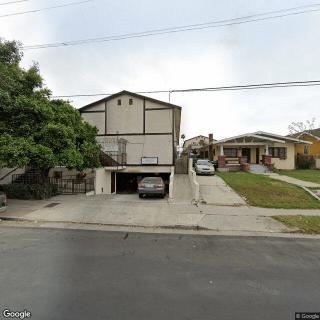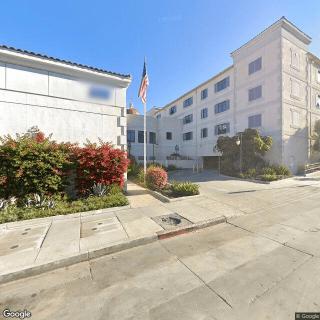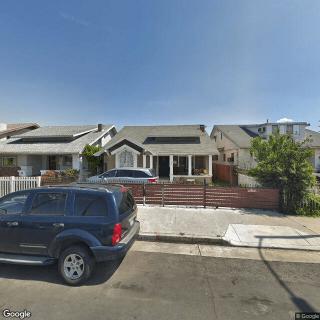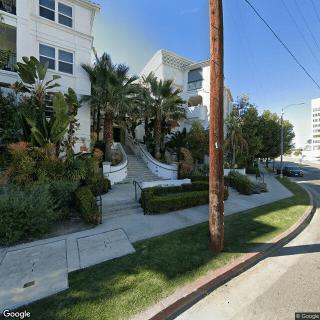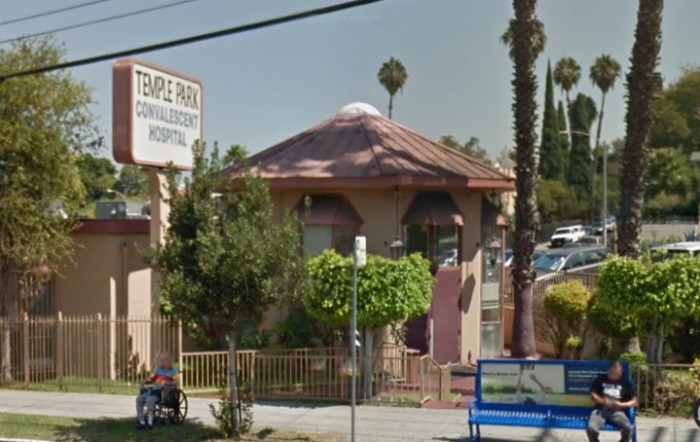

Temple Park Convalescent Hospital

Save
Temple Park Convalescent Hospital Temple Park Convalescent Hospital

Temple Park Convalescent Hospital

2411 West Temple Street, Los Angeles, CA 90026

For more information about senior living options: (844) 490-3973

3 from 16 reviews
5 stars
7
4 stars
1
3 stars
0
2 stars
1
1 stars
7

Skilled Nursing Facility

Overall Review of Temple Park Convalescent Hospital

Pros

  • pro The facility is described as a great facility with new direction and resident care as a first priority.
  • pro Temple Park Convalescent Hospital is described as a very good place that took good care of him, with clean rooms and diligent staff.
  • pro The staff are described as wonderfully kind and helpful, and visitors note that everyone was smiling.
  • pro Natasha Valdivia's turnaround is attributed to the care at Temple Park Convalescent Hospital, with amazing recovery and supportive nurses.
  • pro The care team is praised as an amazing team whose kindness and hospitality made a difference in recovery.

Cons

  • pro The nurses are constantly on their personal phones or chatting, making it hard to reach the resident.
  • pro It is alleged that nurses steal residents' valuables.
  • pro Despite claims of new management, no meaningful improvements have occurred.
  • pro The facility is described as nasty and unhygienic, with reports that staff and other patients steal and charts are falsified; it should be closed down.
  • pro The care after a stroke is so poor that it should be condemned.
  • pro Front desk staff are suspected of theft, and residents are not bathed daily or cleaned after bathroom use; the meals are not healthy.
  • pro Residents are said to be left to die slowly due to poor treatment, with staff not helping.
  • pro The place smells very bad and is described as the worst place ever visited.

Review

Temple Park Convalescent Hospital sits at the center of a highly conflicted picture, with a chorus of voices ranging from gratitude and relief to sharp accusations and deep disappointment. Several reviewers describe a facility that has undergone "new management" and a claimed renewed direction, yet many say they see little or no real change in day-to-day care or in the responsiveness of the staff. The stories are personal and varied, but they collectively paint a facility where experiences can wildly differ from one resident to the next, and even from one shift to the next.

On the more troubling end of the spectrum, multiple reviewers express significant concerns about the culture and conduct inside the hallways and rooms. There are frequent complaints that nurses and aides are distracted by personal phones or conversations rather than attending to patients, which in turn makes families feel they cannot reliably reach their loved ones by phone when they need to. Theft is a recurring theme, with several accounts alleging that patients' valuables go missing and that staff or front-desk personnel may be complicit, or at least failing to recover missing items. Hygiene and daily care are also called into question - claims that patients are not bathed regularly, that diapers are not changed promptly, and that meals or overall nutrition are not being managed properly. There are even more ominous statements from some reviewers who claim that patients are not given appropriate exercise or movement and that conditions can contribute to a sense of neglect or decline. In one long, detailed account, the narrator alleges a broad pattern of neglect, improper care for diabetics, possible drug use by staff, and a chilling sense that "they lie in charts" and treat the facility as if death is the intended outcome rather than a place for recovery.

By contrast, the set of more favorable experiences highlights consistent praise for cleanliness, attentive routines, and genuine acts of care. A number of reviewers recount positive memories of well-kept floors and rooms, regular grooming and baths, and staff who were kind, smiling, and helpful. Some patients and visitors speak highly of specific outcomes, such as recoveries or noticeable improvements in health, and they describe caring staff who treated loved ones with respect and warmth. In these voices, the place is "very clean," with nurses and aides noted for their helpful attitudes; the environment is described as calm and supportive, and families repeatedly express gratitude for the staff's efforts to maintain dignity and comfort for residents.

The narrative is further complicated by personal anecdotes that foreground individual relationships with the facility. Two particular testimonials stand out for their emotional charge and their explicit gratitude: one praises how Temple Park Convalescent Hospital supported a husband, Ramon Gomez, during a long stay, noting haircuts, baths, and attentive care, while another speaks glowingly about Natasha Valdivia, describing how the staff's kindness and hospitality contributed to her recovery and changed her outlook on life. These stories of personal connection and improvement counterbalance the more severe accusations elsewhere, illustrating that for some families the facility provided meaningful, life-affirming care during challenging times.

Amid the praise and the denunciations, there is a persistent sense of inconsistency. Several reviewers acknowledge a "new direction" or "new management," but many insist they did not observe any real changes in how residents are treated or how problems are addressed. They point to a gap between stated improvements and on-the-ground experiences - an incongruity that fuels distrust among families who are trying to ensure their loved ones receive proper care and timely communication. There are calls for accountability, with some families urging state investigations or even closure if the allegations prove true. The overarching message is a plea for transparency, communication, and consistent, compassionate care - without which even a facility that has some positive moments can feel dangerous or unacceptable to those with loved ones inside.

Ultimately, the collection of reviews paints a facility that is difficult to characterize in one sentence. Temple Park Convalescent Hospital appears to be a place where care can be exemplary in certain moments and deeply flawed in others, where staff behavior and the quality of daily routines can swing from attentive and kind to problematic and neglectful. Families left with mixed experiences emphasize the urgent need for reliable communication with the facility, consistent standards of hygiene and care, and stronger protections against loss or mismanagement of patients' belongings. The stories suggest that anyone considering Temple Park - whether as a resident or a visitor - should prepare for a spectrum of possibilities and advocate actively for oversight, checks, and open lines of dialogue with administrators and caregiving staff.

Features

Housing

  • 99 resident community capacity 99 resident community capacity

Types of Care

  • Skilled Nursing Facility Skilled Nursing FacilitySkilled Nursing Facilities are crucial for seniors as they provide round-the-clock medical care, rehabilitation services, and assistance with daily activities. These facilities ensure that seniors receive the specialized care they need to maintain their health and well-being as they age.

Amenities

  • Air-conditioning Air-conditioningAir conditioning is important for seniors as they are more vulnerable to heat-related illnesses and may have underlying health conditions that make it difficult for them to regulate their body temperature. It helps to keep them comfortable, safe, and healthy in hot weather.
  • Beauty salon Beauty salonBeauty salons are important for seniors because they provide a space for them to feel pampered, socialize, and maintain their personal grooming and hygiene. Regular visits to a beauty salon can help boost seniors' self-esteem and overall well-being.
  • Cable or satellite TV Cable or satellite TVCable or satellite TV is important for seniors because it provides entertainment, news, and companionship, helping to combat loneliness and boredom. It also offers a wide range of programming options tailored to different interests and preferences.
  • Computer center Computer centerA computer center is essential for seniors as it provides access to technology, communication tools, and resources that can enhance their daily lives. It allows them to stay connected with loved ones, engage in online activities, and learn new skills, ultimately promoting socialization and mental stimulation.
  • Dining room Dining roomDining rooms are important for seniors as they provide a space for socialization, connection, and nutritious meals. They offer opportunities for residents to bond over shared meals, foster a sense of community, and promote healthy eating habits. Dining rooms also ensure that seniors have access to well-balanced meals tailored to their dietary needs and preferences.
  • Fitness room Fitness roomHaving a fitness room in a senior living community is essential for seniors to stay active, maintain their physical health, and improve their overall well-being. Regular exercise can help prevent falls, reduce the risk of chronic diseases, and promote mental sharpness. It also provides social opportunities for residents to connect with others and enjoy a sense of community.
  • Fully furnished Fully furnishedFully furnished senior living communities are important for seniors because they provide convenience, comfort, and a hassle-free moving experience. Seniors can easily settle into their new living space without the stress of having to buy and move furniture. This allows them to focus on enjoying their new home and community.
  • Gaming room Gaming roomGaming rooms are important for seniors as they provide a fun and engaging environment for socializing, cognitive stimulation, and physical activity. Games can improve memory, problem-solving skills, and overall mental well-being while fostering friendships and reducing feelings of isolation.
  • Garden GardenGardens are important for seniors as they provide a peaceful and therapeutic environment for relaxation, physical activity, and socialization. Being in nature has been shown to reduce stress, improve mood, and promote overall well-being. Gardens also offer opportunities for seniors to engage in gardening activities, which can improve mobility, flexibility, and cognitive function. Additionally, gardens create a sense of community and connection with others who share a passion for plants and outdoor spaces.
  • Housekeeping services Housekeeping servicesHousekeeping services are important for seniors because they help maintain a clean and safe living environment, promote independence, and reduce the risk of accidents or illnesses. Additionally, having assistance with household chores can alleviate physical strain and allow seniors to focus on other aspects of their well-being.
  • Kitchenette KitchenetteKitchenettes are important for seniors living in senior living communities because they provide the convenience and independence of being able to prepare simple meals and snacks in the comfort of their own living space. This can help promote a sense of autonomy and well-being for seniors, allowing them to maintain some level of control over their dietary choices and daily routines.
  • Move-in coordination Move-in coordinationMove-in coordination is important for seniors because it helps ease the transition into their new living environment. It ensures that all logistics, such as packing, organizing movers, and setting up utilities are taken care of, allowing seniors to focus on settling in and adjusting to their new home. Having a smooth move-in process can alleviate stress and anxiety, making the transition smoother and more enjoyable for seniors.
  • Outdoor space Outdoor spaceOutdoor spaces are important for seniors as they provide opportunities for physical activity, social interaction, exposure to natural light and fresh air, and a sense of connection to nature. Having access to outdoor spaces can improve overall well-being and quality of life for older adults living in senior communities.
  • Private bathrooms Private bathroomsPrivate bathrooms are important for seniors in senior living communities because they provide independence, dignity, and comfort. Having a private bathroom allows seniors to maintain their personal hygiene routines without the need for assistance, promoting a sense of autonomy and privacy. Additionally, private bathrooms help prevent the spread of infections and provide a safe and clean environment for seniors to navigate safely.
  • Restaurant-style dining Restaurant-style diningRestaurant-style dining is important for seniors because it allows them to enjoy delicious, nutritious meals in a social and upscale setting. This enhances their dining experience, promotes healthy eating habits, and fosters socialization with fellow residents, ultimately contributing to their overall well-being and quality of life.
  • Small library Small librarySmall libraries are important for seniors as they provide access to a variety of reading materials, including books, newspapers, and magazines. This can help stimulate their minds, keep them engaged, and provide a sense of community through book clubs and other social activities. Additionally, reading has been shown to improve cognitive function and overall mental well-being in older adults.
  • Telephone TelephoneTelephones are important for seniors as they provide a lifeline for communication with loved ones, emergency services, and healthcare providers. They offer a sense of security and independence, enabling seniors to stay connected and access assistance when needed.
  • Wellness center Wellness centerWellness centers are important for seniors because they offer a variety of programs and services that promote physical, mental, and emotional well-being. These centers provide opportunities for exercise, socialization, education, and relaxation, helping seniors maintain their overall health and quality of life.
  • Wi-Fi/high-speed internet available Wi-Fi/high-speed internet availableWi-Fi/high-speed internet is important for seniors to stay connected with loved ones, access online resources, and participate in virtual activities to combat feelings of loneliness and isolation. It also allows them to easily manage healthcare needs, access entertainment, and engage in lifelong learning opportunities.

Transportation

  • Burbank-Glendale-Pasadena (10 miles away) Burbank-Glendale-Pasadena (10 miles away)
  • Los Angeles International (12 miles away) Los Angeles International (12 miles away)
  • Long Beach (Daugherty) (19 miles away) Long Beach (Daugherty) (19 miles away)
  • Community operated transportation Community operated transportationCommunity operated transportation is crucial for seniors as it provides them with the means to access essential services, social activities, and medical appointments. It allows seniors to maintain their independence and quality of life by ensuring they can participate in activities outside of their homes. Additionally, community-operated transportation services offer a safe and reliable way for seniors to travel without having to rely on family or friends for assistance.
  • Transportation arrangement Transportation arrangementTransportation arrangements are crucial for seniors as they may face challenges with driving, mobility, or access to public transportation. Having reliable transportation services ensures that seniors can easily attend appointments, social activities, and maintain their independence and quality of life.
  • Transportation arrangement (non-medical) Transportation arrangement (non-medical)Transportation arrangements are essential for seniors as they provide access to essential services, activities, and social interactions outside the home. This service helps maintain independence, mobility, and overall well-being for seniors who may have limited transportation options.
  • Transportation to doctors appointments Transportation to doctors appointmentsTransportation to doctors appointments is crucial for seniors as it ensures they have access to necessary medical care and support, promoting their health and well-being. It allows them to receive timely treatment, monitor existing conditions, and address any new health concerns efficiently. Additionally, transportation services can help seniors maintain their independence and quality of life by enabling them to stay connected with their healthcare providers.

Care Services

  • 12-16 hour nursing 12-16 hour nursing12-16 hour nursing care is crucial for seniors in order to ensure around-the-clock monitoring, timely medication administration, and prompt response to any health concerns or emergencies. This level of care helps to promote the overall well-being and safety of seniors living in senior living communities.
  • 24-hour call system 24-hour call system24-hour call systems are important for seniors because they provide peace of mind and immediate assistance in case of emergencies. This technology ensures that help is always available, promoting safety and security for elderly individuals living alone or in assisted living facilities.
  • 24-hour supervision 24-hour supervision24-hour supervision is important for seniors to ensure their safety, well-being, and access to immediate assistance in case of emergencies or health issues. This constant support provides peace of mind for both seniors and their loved ones, allowing them to age in place with dignity and security.
  • Activities of daily living assistance Activities of daily living assistanceActivities of daily living assistance are important for seniors because they provide essential support with tasks such as eating, bathing, dressing, and mobility. This assistance helps seniors maintain their independence, dignity, and overall quality of life as they age.
  • Assistance with bathing Assistance with bathingAssistance with bathing is crucial for seniors as it helps maintain personal hygiene, prevents infections, and ensures their overall well-being and comfort. It also provides a sense of dignity and independence for seniors who may struggle with this task on their own.
  • Assistance with dressing Assistance with dressingAssistance with dressing is important for seniors because it helps maintain their independence, promotes personal hygiene, prevents accidents and injuries, and improves overall quality of life. This service ensures that seniors can continue to dress comfortably and confidently, despite any physical limitations they may have.
  • Assistance with transfers Assistance with transfersAssistance with transfers is crucial for seniors as it helps prevent falls and injuries, maintains their independence, and ensures they can safely navigate their living environment. It also provides peace of mind for both seniors and their loved ones.
  • Diabetes diet Diabetes dietA diabetes diet is crucial for seniors as it helps manage blood sugar levels, reduce risks of complications, and improve overall health and well-being. By following a balanced and nutritious diet tailored to their specific needs, seniors can better control their diabetes and enhance their quality of life.
  • Meal preparation and service Meal preparation and serviceMeal preparation and service are crucial for seniors as they may have limited mobility or energy to cook nutritious meals. Having access to healthy and convenient food options can ensure they are getting the proper nutrition needed to maintain their overall health and well-being.
  • Medication management Medication managementMedication management is crucial for seniors to ensure they are taking the right medications at the correct dosages and times. This helps prevent adverse drug interactions, reduces the risk of medication errors, and promotes overall health and well-being. Proactive management also allows for adjustments as needed based on changing health conditions or new prescriptions.
  • Mental wellness program Mental wellness programMental wellness programs are essential for seniors as they promote cognitive stimulation, emotional support, and social engagement. These programs help prevent isolation, depression, and cognitive decline, ultimately enhancing the overall quality of life for older adults.
  • Special dietary restrictions Special dietary restrictionsSpecial dietary restrictions are important for seniors because age-related changes in metabolism and health conditions can make it difficult for their bodies to process certain foods. By following a diet tailored to their specific needs, seniors can maintain their overall health and well-being, manage chronic conditions, and reduce the risk of complications such as malnutrition or food interactions with medications.

Dining

  • Diabetes diet Diabetes dietA diabetes diet is crucial for seniors as it helps manage blood sugar levels, reduce risks of complications, and improve overall health and well-being. By following a balanced and nutritious diet tailored to their specific needs, seniors can better control their diabetes and enhance their quality of life.
  • Special dietary restrictions Special dietary restrictionsSpecial dietary restrictions are important for seniors because age-related changes in metabolism and health conditions can make it difficult for their bodies to process certain foods. By following a diet tailored to their specific needs, seniors can maintain their overall health and well-being, manage chronic conditions, and reduce the risk of complications such as malnutrition or food interactions with medications.

Activities

  • Community-sponsored activities Community-sponsored activitiesCommunity-sponsored activities are important for seniors as they provide opportunities for social interaction, mental stimulation, and physical activity. These activities can help improve overall well-being, combat loneliness and isolation, and promote a sense of belonging and purpose among older adults.
  • Concierge services Concierge servicesConcierge services are essential for seniors as they provide assistance with daily tasks and errands, enhance their quality of life by offering convenience and personalized care, and promote a sense of safety and security.
  • Fitness programs Fitness programsFitness programs are crucial for seniors as they help improve strength, flexibility, balance, and overall well-being. Staying active can reduce the risk of chronic diseases, improve mental health, and enhance quality of life in older adults.
  • Planned day trips Planned day tripsPlanned day trips are important for seniors because they offer opportunities for socialization, mental stimulation, and physical activity. They provide a change of scenery and help seniors stay engaged and connected to their community, promoting overall well-being and quality of life.
  • Resident-run activities Resident-run activitiesResident-run activities are important for seniors as they encourage social interaction, creativity, and a sense of autonomy. These activities empower seniors to stay engaged and active in their community while fostering meaningful connections with their peers.
  • Scheduled daily activities Scheduled daily activitiesScheduled daily activities are important for seniors because they provide structure, socialization, mental stimulation, and physical activity. Engaging in regular activities can improve overall well-being and quality of life for seniors living in a community setting.

Description

Temple Park Convalescent Hospital is a premier assisted living community located in Los Angeles, CA. Our facility offers a wide range of amenities and care services to ensure the comfort and well-being of our residents.

In terms of amenities, we provide a beauty salon for all your grooming needs, as well as cable or satellite TV for entertainment. Our community-operated transportation makes it convenient for residents to travel to nearby destinations. For those who enjoy technology, we have a computer center with high-speed internet access.

Meals are served in our spacious dining room where residents can enjoy restaurant-style dining with a variety of options to cater to special dietary restrictions. In addition, our kitchenette allows residents to prepare their own meals if they prefer.

Our fully furnished accommodations provide a comfortable living space, complete with private bathrooms for added privacy. Housekeeping services are available to keep the environment clean and organized.

For recreation and socialization, we offer various facilities such as a fitness room, gaming room, small library, and an outdoor garden area. Residents can engage in planned daily activities or join resident-run activities according to their interests. Additionally, concierge services are also available for any assistance needed.

The wellbeing of our residents is paramount at Temple Park Convalescent Hospital. We provide 24-hour call system and supervision to ensure their safety at all times. Our highly trained staff assists with activities of daily living including bathing, dressing, and transfers. Medication management is also included as part of our care services.

Furthermore, we offer specialized care programs such as diabetes diet management and mental wellness programs tailored to the individual needs of each resident.

In terms of location convenience, our community is surrounded by various amenities including cafes, parks, pharmacies, restaurants, theaters, and hospitals within close proximity.

At Temple Park Convalescent Hospital in Los Angeles, CA, we strive to create a warm and welcoming environment where residents can live comfortably while receiving exceptional care and enjoying various amenities and activities.

Nearby Places of Interest

Cafes

  • Starbucks Reserve (0.6 miles)
  • Lamill Coffee Boutique (1.2 miles)
  • Starbucks (2.3 miles)
  • Verve Coffee Roasters (3.1 miles)
  • Proof Bakery (3.2 miles)
  • Starbucks (3.2 miles)
  • Starbucks (3.7 miles)

Restaurants

  • Mohawk Bend (0.6 miles)
  • Park's BBQ (1.7 miles)
  • Takami Sushi & Robata (1.8 miles)
  • Del Taco (1.8 miles)
  • BCD Tofu House (1.9 miles)
  • Yard House (1.9 miles)
  • Perch (2 miles)

Parks

  • Echo Park at the Lotus Festival (0.7 miles)
  • Elysian Park (2.3 miles)
  • Glassell Park Recreation Center (3.8 miles)
  • Cleland Ave Bicentennial Park (4.5 miles)
  • Plummer Park (4.7 miles)
  • Pan Pacific Park (4.8 miles)
  • Runyon Canyon Park (4.9 miles)

Pharmacies

  • Walgreens (0.9 miles)
  • Walgreens (1.2 miles)
  • CVS Pharmacy (1.4 miles)
  • Walgreens (1.9 miles)
  • Vons Pharmacy (1.9 miles)
  • CVS Pharmacy (2 miles)
  • Mary Jane's Melrose Holistic (2.1 miles)

Theaters

  • Alamo Drafthouse Downtown (1.8 miles)
  • Regal LA Live & 4DX (1.8 miles)
  • TCL Chinese Theatre (4.4 miles)
  • AMC The Grove 14 (4.9 miles)
  • AMC The Americana at Brand 18 (5 miles)

Transportation

  • Union Station (2.4 miles)

Hospitals

  • LAC+USC Inpatient Tower (3.9 miles)
  • Usc-Norris Cancer Hospital (4 miles)
  • Kedren Community Health Center (4.5 miles)
  • Medical 2 unit (5.9 miles)
  • Glendale Adventist Medical Center (6 miles)

Frequently Asked Questions

Where is Temple Park Convalescent Hospital?

Nearby Communities

  • R M Home Care Svc

    R M Home Care Svc

    Los Angeles, CA


    pro Excellent access to a wide range of nearby amenities (cafes, parks, pharmacies, hospitals, restaurants, and theaters).

  • Hotel Dieu Senior Apartments

    Hotel Dieu Senior Apartments

    Los Angeles, CA

    4.3 from 15 reviews
     

    pro Prime LA location with abundant nearby amenities.

  • Saint Vincent Med Center

    Saint Vincent Med Center

    Los Angeles, CA

    2.8 from 100 reviews
     

    pro Fully furnished living spaces with 24/7 supervision, medication management, and engaging activities.

  • Ymg Residential Care

    Ymg Residential Care

    Los Angeles, CA


    pro Intimate, home-like setting with 24-hour supervision and comprehensive care services.

  • Rbs Mirage Manor

    Rbs Mirage Manor

    Los Angeles, CA

    4.1 from 8 reviews
     

    pro Excellent access to dining, parks, healthcare, and entertainment nearby.

  • Parkview Senior Living

    Parkview Senior Living

    Los Angeles, CA

    4.7 from 9 reviews
     

    pro Excellent access to nearby amenities (cafes, parks, pharmacies, restaurants, theaters, and hospitals).

  • Westlake Convalescent Hospital

    Westlake Convalescent Hospital

    Los Angeles, CA

    2.8 from 16 reviews
     

    pro Extensive on-site amenities and 24/7 nursing care

  • Garden Silver Town

    Garden Silver Town

    Los Angeles, CA

    4.3 from 7 reviews
    $1,800 to $3,200 / month

    pro Comprehensive care with 24/7 staff, restaurant-style dining, and extensive on-site amenities.

  • Virgil Convalescent Rehab

    Virgil Convalescent Rehab

    Los Angeles, CA

    5 from 2 reviews
    $3,160 / month

    pro Friendly staff and a clean, health-oriented environment.

Related Resources

  • geriatric care managerIs a Geriatric Care Manager the Right Choice for Your Family?

    Geriatric care managers create personalized care plans for older adults, addressing their medical, social, financial, and psychological needs while coordinating services and advocating for their well-being. They help families navigate caregiving challenges but may be hindered by high costs and a shortage of qualified professionals.

  • what to say to someone who is grievingCompassionate Conversations: How to Comfort Someone Who Is Grieving

    The article highlights the importance of empathy and open communication when comforting someone who is grieving, noting that grief is unique to each individual and emphasizing the need for sincere expressions of condolence, active listening, and ongoing support. It also addresses cultural differences in mourning practices and encourages tailored approaches to provide effective comfort.

  • home care aideHome Health Care Aides: Understanding Their Role and Supporting Your Family

    Home health care aides provide vital medical and non-medical support to individuals at home, assisting with daily living activities and promoting emotional well-being, while the demand for these services increases due to an aging population. Families benefit from in-home care's flexibility and cost-effectiveness but face challenges like scheduling consistency and caregiver turnover.