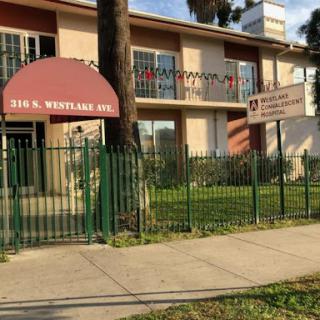
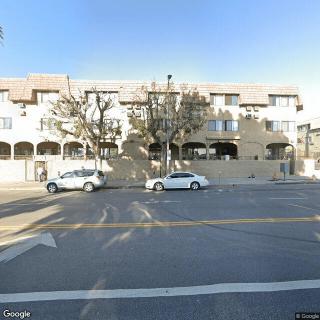
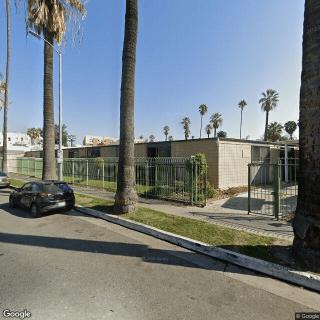
Saint Vincent Med Center

2131 West 3Rd Street, Los Angeles, CA 90057

For more information about senior living options: (844) 490-3973

2.8 from 100 reviews
5 stars
33
4 stars
10
3 stars
5
2 stars
7
1 stars
45

Skilled Nursing Facility

Overall Review of Saint Vincent Med Center

Pros

  • pro The staff were nice and professional.
  • pro They treated patients immediately and very well.
  • pro The facility is lovely.
  • pro The medical staff were friendly and explained procedures clearly.
  • pro They saved a life with emergency brain surgery.
  • pro The service and nursing staff were friendly and attentive.

Cons

  • pro The hospital has terrible service and is generally terrible.
  • pro ER staff are unprofessional.
  • pro The facility is disorganized with long wait times and mismanaged tests.
  • pro Patients feel disregarded, neglected, and mistreated by staff.
  • pro Front desk and billing staff demand upfront payment and are rude.
  • pro The hospital billed the wrong insurance and eventually closed, leaving patients with bills.
  • pro The facility is dirty, unhygienic, and under-staffed.
  • pro Security personnel were inattentive and harassing toward visitors.
  • pro The hospital has closed, depriving the community of care.
  • pro There is a lack of clear communication between departments with no proper patient protocols.
  • pro The hospital discriminates against vulnerable people (e.g., homeless) and delays care.
  • pro Some reviewers describe the hospital as a death sentence for illnesses.

Review

St. Vincent Medical Center appears in a chorus of opposing voices, a facility that several reviewers lash as a terrible experience while others insist it offered life-saving care and compassionate attention. The messages come in jagged contrasts: some describe a hospital that is a lifeline, others call it chaotic, disorganized, or even dangerous. Taken together, they sketch a complex picture of a place where the quality of care can swing dramatically depending on the moment, the department, and the personnel involved.

On the positive side, there are numerous accounts of skill, dedication, and comfort. One reviewer recalls having two hip operations where the staff were "as nice & professional as can be," with private rooms and "top Dr.s," leaving them feeling well taken care of. Another patient emphasizes quick, attentive service when a family member suffered allergies, noting immediate treatment for both mother and child. A particularly vivid memory comes from a person who contracted appendicitis while visiting from South Africa; the staff were described as friendly and clear in explanations about procedures, and an emergency appendectomy was performed by Dr. Charles Hunter. Even though the hospital did not typically admit child patients, they were willing to assist a 15-year-old, with release forms signed the day before return flights and a letter detailing medication dosages - an act that left the patient feeling grateful for the "great service and friendly nursing staff." In shorter, more tranquil moments, the facility is simply called "lovely," with some noting clean surroundings and even a "perfect cafeteria."

There are also testimonies of life-saving care that left audiences with deep gratitude. One reviewer, who needed emergency brain surgery, wrote that they were saved by the hospital and that the staff were "so caring and helpful," counting more than a dozen days of recovery as evidence of a compassionate, professional environment. A separate note describes a clinical care experience that was unexpected in its quality and thoroughness, reinforcing the sense that, in certain cases, the hospital could provide outstanding, timely intervention when it counted most. There's also a succinct positive snapshot from someone who called the facility a "great place," and others who describe the institution as clean, friendly, and with a functioning cafeteria, suggesting a level of comfort and hospitality that can accompany competent medical care.

Yet these affirmations sit alongside a substantial body of negative experiences that cannot be ignored. Several reviewers lament long wait times and disorganization in the emergency department, with patients waiting hours for results or even for basic intake. One account describes a 4- to 5-hour delay for urine test results, with samples misplaced and little to no communication among departments. Another reviewer paints a scene of a chaotic intake process and a lack of a clear pathway for patients, while a front-desk security issue is recounted as giggling and inattentive behavior that undermined a serious encounter. A recurring complaint centers on the perception that not all staff treat patients with respect; there are mentions of being "disregarded and neglected," of feeling like a burden to busy personnel, or of encounters where staff appeared distracted, indifferent, or unprofessional.

Multiple posts highlight systemic and administrative flaws that compound the trauma of illness. Some patients describe a hospital system that pushes for extra treatments or "yellow forms" that carry big added costs, cautioning others to be wary of charges that seem to come in addition to the core medical need. A not-uncommon thread is the sense that billing and insurance issues can overshadow care, including a troubling situation where Medi-Cal was billed incorrectly, and the patient later faced financial consequences even if the hospital was no longer in operation. The theme extends to concerns that the hospital's capacity to manage care contracted over time - some reviewers note that the hospital was sold, or that the facility was no longer functioning as it once did, with broader implications for patient safety and trust.

Security and environment are another focal point of critique. Comments range from fear and discomfort around ward conditions to specific anecdotes about patients being left in rooms without linens or restraints, or about floors that felt unsafe or unclean. A sentiment echoed by several is that some floors "felt like a scary movie," and that in certain moments, there was a palpable sense of neglect. In contrast, other readers recount a firsthand experience of warmth and attentiveness from staff, underscoring the inconsistent experience across the hospital's different units.

The hospital's status as a community resource - especially in the context of homelessness and local dynamics - activates pointed social commentary. One reviewer references LA's broader struggles with homeless populations near hospital settings, arguing that poverty and social conditions complicate the caregiving landscape and, in some opinions, strain the hospital's capacity. Another reviewer laments perceived inequities in care priorities, recounting a scene in which money or insurance status appeared to influence the speed and attention paid to a patient in need. These social tensions contribute to a broader narrative about how a once-dedicated institution may have shifted under new management or changing circumstances.

Amid the mixed experiences, there are calls for reform - urges to streamline systems, improve communication, and restore a sense of dignity and reliability for every patient who walks through the doors. Some reviewers explicitly contrast the past with the present, noting that "this was once a very dedicated and professional hospital" and attributing recent challenges to changes in ownership and management. Others insist that while certain staff and moments shined, the overall system remained fragile - vulnerable to miscommunication, resource constraints, and the pressures of serving a large and diverse patient population.

In the end, the picture of St. Vincent Medical Center from these accounts is not monolithic. It is a place where heroically skilled clinicians can save lives and provide comfort in the toughest hours, where some patients receive prompt, compassionate care, and where others endure long waits, confusing processes, and a sense of being treated as less than fully valued. The hospital's story includes triumphs of life-saving intervention and personal relief in difficult moments, alongside warnings about disorganization, cost concerns, and inconsistent customer service. For anyone reading these perspectives, the message is clear: the value of the care may hinge on where, when, and who you encounter within the hospital walls, and the institution's future seems tied to ongoing questions about management, funding, and the ability to deliver safe, respectful, and reliable care to every patient who arrives in need.

Features

Housing

  • 27 resident community capacity 27 resident community capacity

Types of Care

  • Skilled Nursing Facility Skilled Nursing FacilitySkilled Nursing Facilities are crucial for seniors as they provide round-the-clock medical care, rehabilitation services, and assistance with daily activities. These facilities ensure that seniors receive the specialized care they need to maintain their health and well-being as they age.

Amenities

  • Beauty salon Beauty salonBeauty salons are important for seniors because they provide a space for them to feel pampered, socialize, and maintain their personal grooming and hygiene. Regular visits to a beauty salon can help boost seniors' self-esteem and overall well-being.
  • Cable or satellite TV Cable or satellite TVCable or satellite TV is important for seniors because it provides entertainment, news, and companionship, helping to combat loneliness and boredom. It also offers a wide range of programming options tailored to different interests and preferences.
  • Dining room Dining roomDining rooms are important for seniors as they provide a space for socialization, connection, and nutritious meals. They offer opportunities for residents to bond over shared meals, foster a sense of community, and promote healthy eating habits. Dining rooms also ensure that seniors have access to well-balanced meals tailored to their dietary needs and preferences.
  • Fully furnished Fully furnishedFully furnished senior living communities are important for seniors because they provide convenience, comfort, and a hassle-free moving experience. Seniors can easily settle into their new living space without the stress of having to buy and move furniture. This allows them to focus on enjoying their new home and community.
  • Garden GardenGardens are important for seniors as they provide a peaceful and therapeutic environment for relaxation, physical activity, and socialization. Being in nature has been shown to reduce stress, improve mood, and promote overall well-being. Gardens also offer opportunities for seniors to engage in gardening activities, which can improve mobility, flexibility, and cognitive function. Additionally, gardens create a sense of community and connection with others who share a passion for plants and outdoor spaces.
  • Housekeeping services Housekeeping servicesHousekeeping services are important for seniors because they help maintain a clean and safe living environment, promote independence, and reduce the risk of accidents or illnesses. Additionally, having assistance with household chores can alleviate physical strain and allow seniors to focus on other aspects of their well-being.
  • Kitchenette KitchenetteKitchenettes are important for seniors living in senior living communities because they provide the convenience and independence of being able to prepare simple meals and snacks in the comfort of their own living space. This can help promote a sense of autonomy and well-being for seniors, allowing them to maintain some level of control over their dietary choices and daily routines.
  • Move-in coordination Move-in coordinationMove-in coordination is important for seniors because it helps ease the transition into their new living environment. It ensures that all logistics, such as packing, organizing movers, and setting up utilities are taken care of, allowing seniors to focus on settling in and adjusting to their new home. Having a smooth move-in process can alleviate stress and anxiety, making the transition smoother and more enjoyable for seniors.
  • Outdoor space Outdoor spaceOutdoor spaces are important for seniors as they provide opportunities for physical activity, social interaction, exposure to natural light and fresh air, and a sense of connection to nature. Having access to outdoor spaces can improve overall well-being and quality of life for older adults living in senior communities.
  • Restaurant-style dining Restaurant-style diningRestaurant-style dining is important for seniors because it allows them to enjoy delicious, nutritious meals in a social and upscale setting. This enhances their dining experience, promotes healthy eating habits, and fosters socialization with fellow residents, ultimately contributing to their overall well-being and quality of life.
  • Small library Small librarySmall libraries are important for seniors as they provide access to a variety of reading materials, including books, newspapers, and magazines. This can help stimulate their minds, keep them engaged, and provide a sense of community through book clubs and other social activities. Additionally, reading has been shown to improve cognitive function and overall mental well-being in older adults.
  • Telephone TelephoneTelephones are important for seniors as they provide a lifeline for communication with loved ones, emergency services, and healthcare providers. They offer a sense of security and independence, enabling seniors to stay connected and access assistance when needed.
  • Wi-Fi/high-speed internet available Wi-Fi/high-speed internet availableWi-Fi/high-speed internet is important for seniors to stay connected with loved ones, access online resources, and participate in virtual activities to combat feelings of loneliness and isolation. It also allows them to easily manage healthcare needs, access entertainment, and engage in lifelong learning opportunities.

Transportation

  • Burbank-Glendale-Pasadena (11 miles away) Burbank-Glendale-Pasadena (11 miles away)
  • Los Angeles International (11 miles away) Los Angeles International (11 miles away)
  • Long Beach (Daugherty) (18 miles away) Long Beach (Daugherty) (18 miles away)

Care Services

  • 24-hour call system 24-hour call system24-hour call systems are important for seniors because they provide peace of mind and immediate assistance in case of emergencies. This technology ensures that help is always available, promoting safety and security for elderly individuals living alone or in assisted living facilities.
  • 24-hour supervision 24-hour supervision24-hour supervision is important for seniors to ensure their safety, well-being, and access to immediate assistance in case of emergencies or health issues. This constant support provides peace of mind for both seniors and their loved ones, allowing them to age in place with dignity and security.
  • Activities of daily living assistance Activities of daily living assistanceActivities of daily living assistance are important for seniors because they provide essential support with tasks such as eating, bathing, dressing, and mobility. This assistance helps seniors maintain their independence, dignity, and overall quality of life as they age.
  • Assistance with bathing Assistance with bathingAssistance with bathing is crucial for seniors as it helps maintain personal hygiene, prevents infections, and ensures their overall well-being and comfort. It also provides a sense of dignity and independence for seniors who may struggle with this task on their own.
  • Assistance with dressing Assistance with dressingAssistance with dressing is important for seniors because it helps maintain their independence, promotes personal hygiene, prevents accidents and injuries, and improves overall quality of life. This service ensures that seniors can continue to dress comfortably and confidently, despite any physical limitations they may have.
  • Assistance with transfers Assistance with transfersAssistance with transfers is crucial for seniors as it helps prevent falls and injuries, maintains their independence, and ensures they can safely navigate their living environment. It also provides peace of mind for both seniors and their loved ones.
  • Diabetes diet Diabetes dietA diabetes diet is crucial for seniors as it helps manage blood sugar levels, reduce risks of complications, and improve overall health and well-being. By following a balanced and nutritious diet tailored to their specific needs, seniors can better control their diabetes and enhance their quality of life.
  • Meal preparation and service Meal preparation and serviceMeal preparation and service are crucial for seniors as they may have limited mobility or energy to cook nutritious meals. Having access to healthy and convenient food options can ensure they are getting the proper nutrition needed to maintain their overall health and well-being.
  • Medication management Medication managementMedication management is crucial for seniors to ensure they are taking the right medications at the correct dosages and times. This helps prevent adverse drug interactions, reduces the risk of medication errors, and promotes overall health and well-being. Proactive management also allows for adjustments as needed based on changing health conditions or new prescriptions.
  • Mental wellness program Mental wellness programMental wellness programs are essential for seniors as they promote cognitive stimulation, emotional support, and social engagement. These programs help prevent isolation, depression, and cognitive decline, ultimately enhancing the overall quality of life for older adults.
  • Special dietary restrictions Special dietary restrictionsSpecial dietary restrictions are important for seniors because age-related changes in metabolism and health conditions can make it difficult for their bodies to process certain foods. By following a diet tailored to their specific needs, seniors can maintain their overall health and well-being, manage chronic conditions, and reduce the risk of complications such as malnutrition or food interactions with medications.

Dining

  • Diabetes diet Diabetes dietA diabetes diet is crucial for seniors as it helps manage blood sugar levels, reduce risks of complications, and improve overall health and well-being. By following a balanced and nutritious diet tailored to their specific needs, seniors can better control their diabetes and enhance their quality of life.
  • Special dietary restrictions Special dietary restrictionsSpecial dietary restrictions are important for seniors because age-related changes in metabolism and health conditions can make it difficult for their bodies to process certain foods. By following a diet tailored to their specific needs, seniors can maintain their overall health and well-being, manage chronic conditions, and reduce the risk of complications such as malnutrition or food interactions with medications.

Activities

  • Community-sponsored activities Community-sponsored activitiesCommunity-sponsored activities are important for seniors as they provide opportunities for social interaction, mental stimulation, and physical activity. These activities can help improve overall well-being, combat loneliness and isolation, and promote a sense of belonging and purpose among older adults.
  • Resident-run activities Resident-run activitiesResident-run activities are important for seniors as they encourage social interaction, creativity, and a sense of autonomy. These activities empower seniors to stay engaged and active in their community while fostering meaningful connections with their peers.
  • Scheduled daily activities Scheduled daily activitiesScheduled daily activities are important for seniors because they provide structure, socialization, mental stimulation, and physical activity. Engaging in regular activities can improve overall well-being and quality of life for seniors living in a community setting.

Description

Saint Vincent Med Center in Los Angeles, CA is an assisted living community that provides a comfortable and convenient lifestyle for its residents. The amenities offered at this community are designed to cater to the needs and preferences of the residents.

Each resident's living space is fully furnished with cable or satellite TV, a kitchenette, and Wi-Fi/high-speed internet access. There is also a dining room where residents can enjoy restaurant-style meals prepared by the staff. For those who prefer outdoor activities, there is a garden and outdoor space available.

The community also offers various care services to ensure the well-being of its residents. These include 24-hour supervision, assistance with activities of daily living such as bathing and dressing, assistance with transfers, and medication management. Special dietary restrictions, including diabetes diets, can be accommodated.

To promote mental wellness, there is a mental wellness program in place to provide support and encouragement to residents. Additionally, there is a small library available for reading enthusiasts.

Residents can participate in resident-run activities as well as scheduled daily activities to keep themselves engaged and entertained. For convenience, there are several cafes, parks, pharmacies, restaurants, theaters, and hospitals located nearby.

Overall, Saint Vincent Med Center offers a nurturing environment where residents can receive personalized care while enjoying their independence and engaging in various activities within and around the community.

Nearby Places of Interest

Pharmacies

  • Walgreens (1 miles)
  • Walgreens (1.3 miles)
  • CVS Pharmacy (1.4 miles)
  • Walgreens (1.5 miles)
  • CVS Pharmacy (1.6 miles)
  • Rite Aid (1.9 miles)
  • CVS Pharmacy (2 miles)

Cafes

  • Starbucks Reserve (1 miles)
  • Lamill Coffee Boutique (1.7 miles)
  • Starbucks (2.6 miles)
  • Verve Coffee Roasters (2.8 miles)
  • Starbucks (2.9 miles)
  • Starbucks (3.3 miles)
  • Proof Bakery (3.7 miles)

Restaurants

  • Mohawk Bend (1.1 miles)
  • Park's BBQ (1.3 miles)
  • Takami Sushi & Robata (1.4 miles)
  • Yard House (1.4 miles)
  • BCD Tofu House (1.6 miles)
  • Perch (1.7 miles)
  • Precinct (1.7 miles)

Parks

  • Echo Park at the Lotus Festival (1.1 miles)
  • Elysian Park (2.6 miles)
  • Glassell Park Recreation Center (4.3 miles)
  • Pan Pacific Park (4.7 miles)
  • Plummer Park (4.8 miles)
  • Cleland Ave Bicentennial Park (4.9 miles)
  • Runyon Canyon Park (5.1 miles)

Theaters

  • Regal LA Live & 4DX (1.3 miles)
  • Alamo Drafthouse Downtown (1.4 miles)
  • TCL Chinese Theatre (4.6 miles)
  • AMC The Grove 14 (4.8 miles)
  • AMC The Americana at Brand 18 (5.6 miles)

Transportation

  • Union Station (2.2 miles)

Hospitals

  • LAC+USC Inpatient Tower (3.9 miles)
  • Kedren Community Health Center (4 miles)
  • Usc-Norris Cancer Hospital (4 miles)
  • Kaiser Permanente West Los Angeles Medical Center (6.1 miles)

Frequently Asked Questions

Where is Saint Vincent Med Center?

Nearby Communities

  • Hotel Dieu Senior Apartments

    Hotel Dieu Senior Apartments

    Los Angeles, CA

    4.3 from 15 reviews
     

    pro Prime LA location with abundant nearby amenities.

  • Country Villa Rehabilitation Center

    Country Villa Rehabilitation Center

    Los Angeles, CA

    2.9 from 39 reviews
    $2,700 / month

    pro Affordable private-room pricing compared to LA County/state averages

  • MacArthur Park Towers

    MacArthur Park Towers

    Los Angeles, CA

    4.1 from 10 reviews
     

    pro Excellent access to nearby amenities (cafes, parks, pharmacies, hospitals, restaurants, theaters).

  • Westlake Convalescent Hospital

    Westlake Convalescent Hospital

    Los Angeles, CA

    2.8 from 16 reviews
     

    pro Extensive on-site amenities and 24/7 nursing care

  • The Grandview

    The Grandview

    Los Angeles, CA

    4.2 from 17 reviews
    $1,079 to $2,400 / month

    pro Personalized care with attentive staff.

  • Mcarthur Adult Day Health Care

    Mcarthur Adult Day Health Care

    Los Angeles, CA

    2.8 from 40 reviews
     

    pro Nearby dining, parks, pharmacies, hospitals, and theaters for convenient outings.

  • Temple Park Convalescent Hospital

    Temple Park Convalescent Hospital

    Los Angeles, CA

    3 from 16 reviews
     

    pro Wide range of amenities and comprehensive care (24/7 supervision, transportation, diabetes diet, mental wellness).

  • Garden Silver Town

    Garden Silver Town

    Los Angeles, CA

    4.3 from 7 reviews
    $1,800 to $3,200 / month

    pro Comprehensive care with 24/7 staff, restaurant-style dining, and extensive on-site amenities.

  • Alden Terrace Convalescent

    Alden Terrace Convalescent

    Los Angeles, CA

    2.5 from 19 reviews
     

    pro Excellent access to nearby dining, parks, pharmacies, theaters, and hospitals.

Related Resources

  • caring for elderly parentsNurturing Our Elders: Linda's Journey of Supporting Her Mother

    Linda's caregiving journey for her elderly mother, Joan, is marked by deep love and challenges as she navigates health changes, emotional support, and practical arrangements while learning to prioritize self-care and utilize community resources. Their evolving relationship highlights resilience and the universal themes of empathy and preparedness in caregiver experiences.

  • obtaining power of attorney without consentA Comprehensive Exploration of Common Misunderstandings about Powers of Attorney

    The article clarifies common misconceptions about Powers of Attorney (POA), highlighting the necessity of the principal's consent, the limitations on an agent's authority, and the importance of mental capacity when signing. It also distinguishes between various types of POAs, addresses concerns about potential abuse, and emphasizes the need for legal consultation to ensure valid and up-to-date documents.

  • senior move managementSenior Move Management: Understanding the Role, Value, and Associated Costs

    Senior move management provides specialized support for older adults relocating by assisting with logistics, emotional challenges, and downsizing decisions to ensure a smooth transition to new living environments. These services address the unique needs of seniors and have become increasingly important as baby boomers retire and seek to downsize.