For more information about senior living options: (866) 208-4318
3 from 40 reviews
5 stars
16
4 stars
3
3 stars
1
2 stars
4
1 stars
16
Country Villa Rehabilitation Center Costs & Pricing
Country Villa Rehabilitation Center offers competitive pricing for its services, particularly in comparison to the broader market. With a monthly cost of $2,700 for a private room, it is significantly more affordable than the average rates in Los Angeles County, which stand at $4,197, and even below the state average of $3,939. This positions Country Villa as an appealing option for individuals seeking quality rehabilitation care without the financial strain often associated with such facilities. The center's pricing reflects a commitment to providing accessible care while ensuring residents receive the support they need during their recovery journey.
Floor plans
Country Villa Rehabilitation Center
Los Angeles County
California
Private
$2,700
$4,197
$3,939
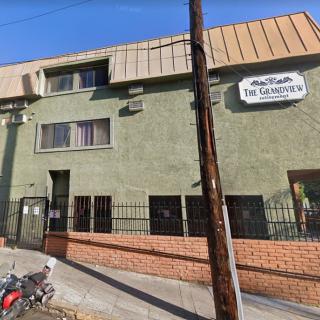
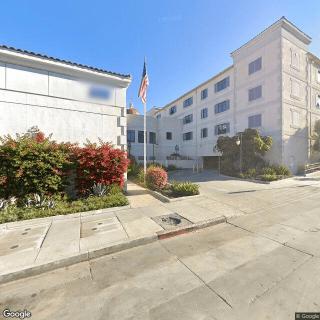
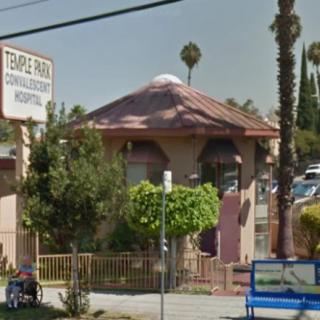
Skilled Nursing Facilities with a similar price nearby
Overall Review of Country Villa Rehabilitation Center
common8 reviews mention this
Cleanliness is a mixed signal
Cleanliness is frequently mentioned, with residents split between very clean conditions and reports of unsanitary upkeep.
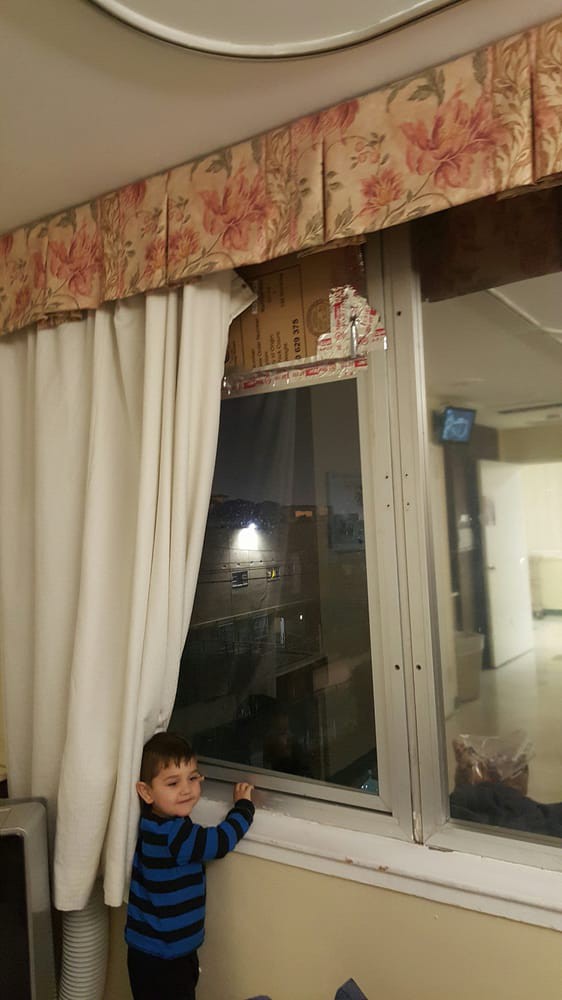
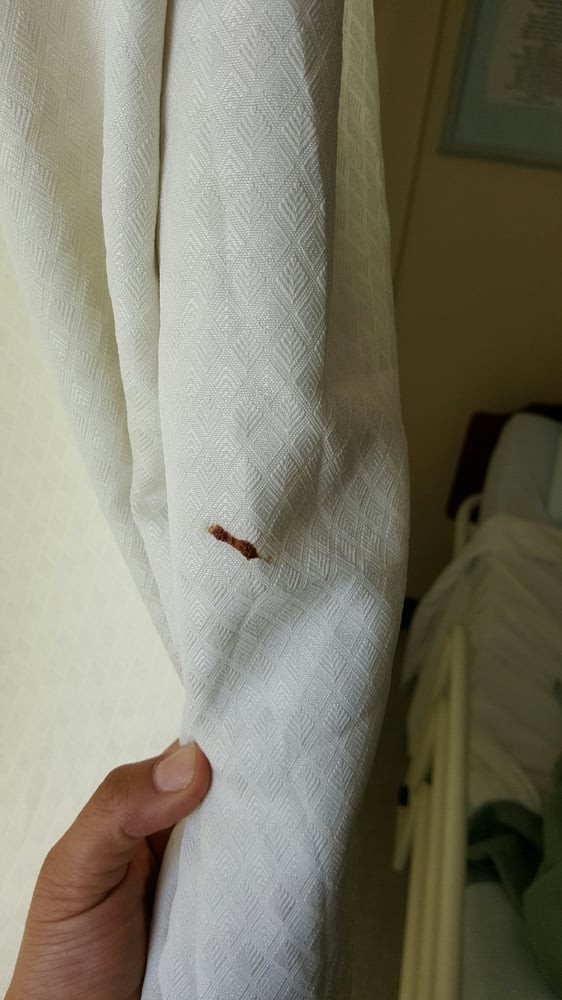
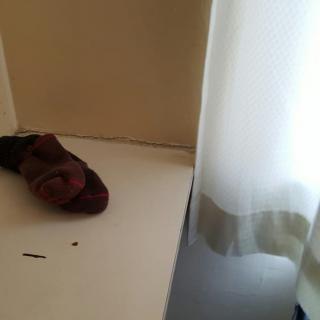
Several residents and families describe the facility as very clean and/or sanitary, including comments about hygiene and overall comfort. Other reviews report the opposite, calling out unsanitary conditions and concerns about infestation, as well as neglect they say is visible on site. A separate set of comments also suggests the building can look dated, even when care is seen positively. Overall, cleanliness reads as inconsistent across experiences.
common10 reviews mention this
Care and therapy quality varies
Residents describe rehabilitation care that ranges from strong progress with therapy to serious complaints about neglect.
Some families report meaningful recovery progress, describing knowledgeable staff and therapy teams working with residents on a daily basis. These reviews also describe attentive doctors and support from nursing and therapy during a short stay or longer rehab. At the same time, other reviewers allege inadequate care in areas like monitoring, response, and basic safety, including accounts of medical complications they attribute to facility handling. Because experiences differ so widely, prospective families may want to plan for close follow-up of day-to-day care.
caveat8 reviews mention this
Staffing and call response come up
Call-light response and staffing levels are a recurring concern in some reviews.
Some residents and families say staff are on the spot and work long hours, with a routine that helps reassure them. Others report delays when waiting for a nurse, difficulty getting switchboard help, and moments when staff do not respond quickly to requests or residents in distress. Several negative reviews also describe being short-staffed and advise families to continuously check in. Taken together, responsiveness appears to depend heavily on the shift and the situation.
common5 reviews mention this
Dining quality is inconsistent
Dining gets both praise and criticism, including comments about how the food looks versus reports of poor food quality.
Some residents describe the food as decent, nicely prepared, or looking good, and one review says the resident enjoyed most of the meals. Other reviews take the opposite stance, calling the food terrible. The community also offers dining options related to special dietary needs, which aligns with how several meals are described in terms of restrictions. Overall, dining seems to vary by experience.
How we summarize
Counts show how many written reviews mention each theme; a review can touch several themes, and only frequently mentioned themes are displayed.
Features
Housing
180 resident community capacity
Types of Care
Skilled Nursing Facility
Amenities
Air-conditioning
Beauty salon
Cable or satellite TV
Computer center
Dining room
Fitness room
Fully furnished
Gaming room
Garden
Housekeeping services
Kitchenette
Move-in coordination
Outdoor space
Private bathrooms
Restaurant-style dining
Small library
Telephone
Wellness center
Wi-Fi/high-speed internet available
Transportation
Burbank-Glendale-Pasadena (11 miles away)
Los Angeles International (11 miles away)
Long Beach (Daugherty) (18 miles away)
Community operated transportation
Transportation arrangement
Transportation arrangement (non-medical)
Transportation to doctors appointments
Care Services
12-16 hour nursing
24-hour call system
24-hour supervision
Activities of daily living assistance
Assistance with bathing
Assistance with dressing
Assistance with transfers
Diabetes diet
Meal preparation and service
Medication management
Mental wellness program
Special dietary restrictions
Dining
Diabetes diet
Special dietary restrictions
Activities
Community-sponsored activities
Concierge services
Fitness programs
Planned day trips
Resident-run activities
Scheduled daily activities
Nearby Places of Interest
Pharmacies
Walgreens (1.1 miles)
Walgreens (1.3 miles)
CVS Pharmacy (1.4 miles)
Walgreens (1.4 miles)
CVS Pharmacy (1.4 miles)
Rite Aid (1.8 miles)
CVS Pharmacy (2 miles)
Theaters
Regal LA Live & 4DX (1.1 miles)
Alamo Drafthouse Downtown (1.2 miles)
TCL Chinese Theatre (4.8 miles)
AMC The Grove 14 (4.9 miles)
AMC The Americana at Brand 18 (5.7 miles)
Cafes
Starbucks Reserve (1.2 miles)
Lamill Coffee Boutique (1.9 miles)
Starbucks (2.5 miles)
Verve Coffee Roasters (2.7 miles)
Starbucks (3 miles)
Starbucks (3.2 miles)
Proof Bakery (3.9 miles)
Restaurants
Takami Sushi & Robata (1.2 miles)
Mohawk Bend (1.2 miles)
Park's BBQ (1.2 miles)
Yard House (1.2 miles)
Perch (1.5 miles)
Precinct (1.6 miles)
BCD Tofu House (1.7 miles)
Parks
Echo Park at the Lotus Festival (1.2 miles)
Elysian Park (2.7 miles)
Glassell Park Recreation Center (4.4 miles)
Pan Pacific Park (4.8 miles)
Cleland Ave Bicentennial Park (5 miles)
Plummer Park (5 miles)
Runyon Canyon Park (5.3 miles)
Transportation
Union Station (2.1 miles)
Hospitals
Kedren Community Health Center (3.8 miles)
LAC+USC Inpatient Tower (3.8 miles)
Usc-Norris Cancer Hospital (3.9 miles)
Kaiser Permanente West Los Angeles Medical Center (6.1 miles)
Country Villa Rehabilitation Center offers competitive pricing for its services, particularly in comparison to the broader market. With a monthly cost of $2,700 for a private room, it is significantly more affordable than the average rates in Los Angeles County, which stand at $4,197, and even below the state average of $3,939. This positions Country Villa as an appealing option for individuals seeking quality rehabilitation care without the financial strain often associated with such facilities. The center's pricing reflects a commitment to providing accessible care while ensuring residents receive the support they need during their recovery journey.
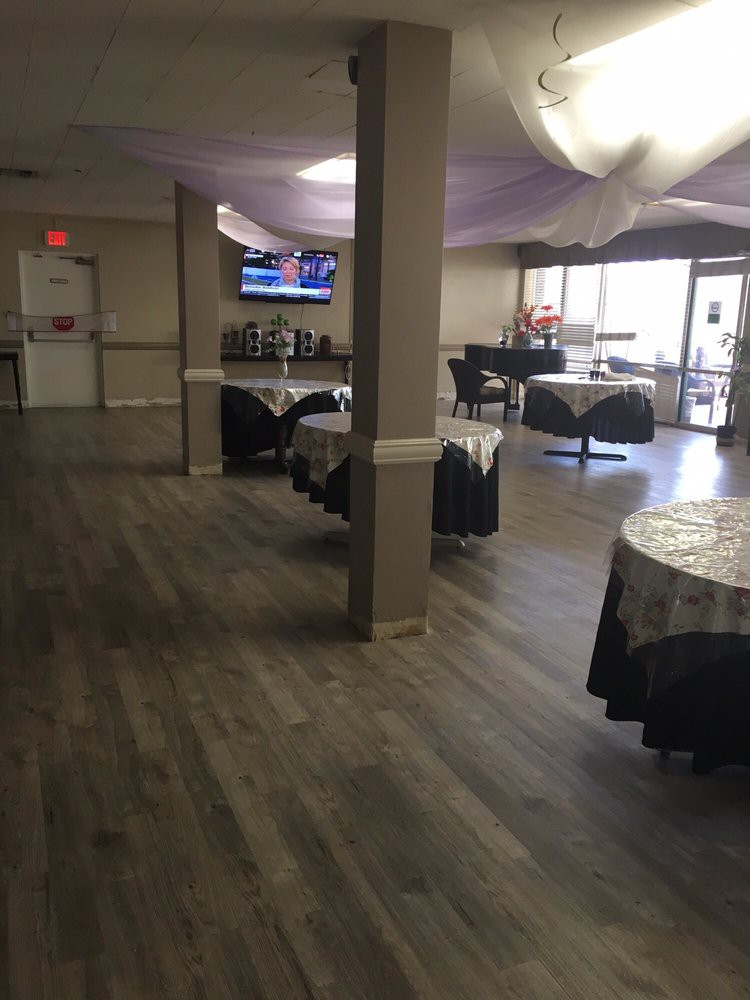
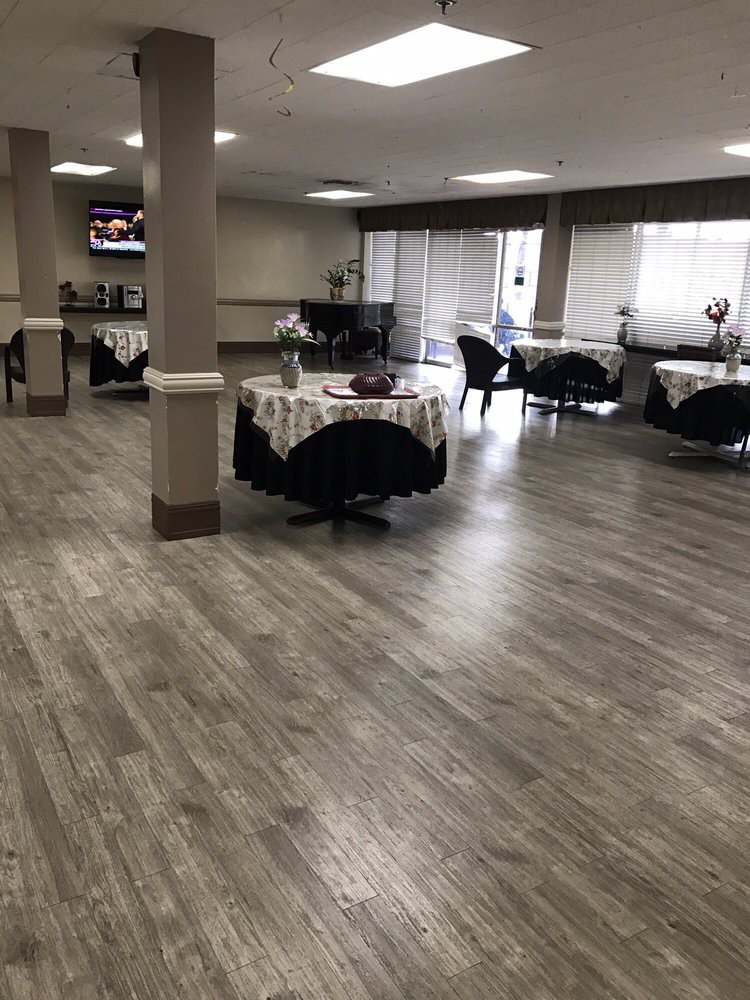
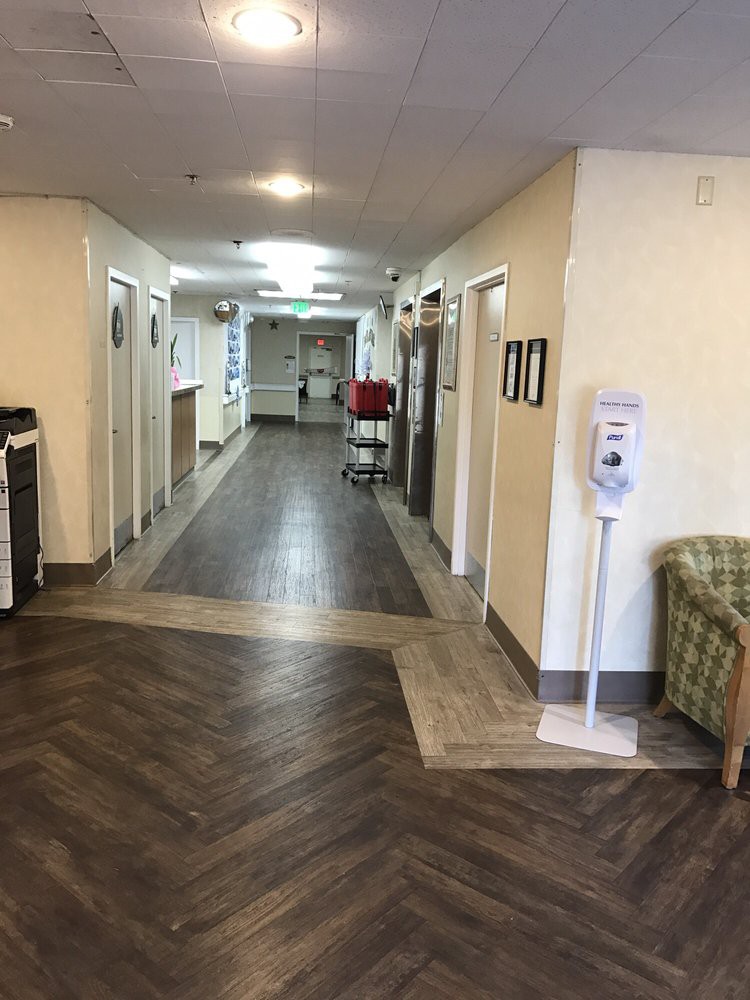
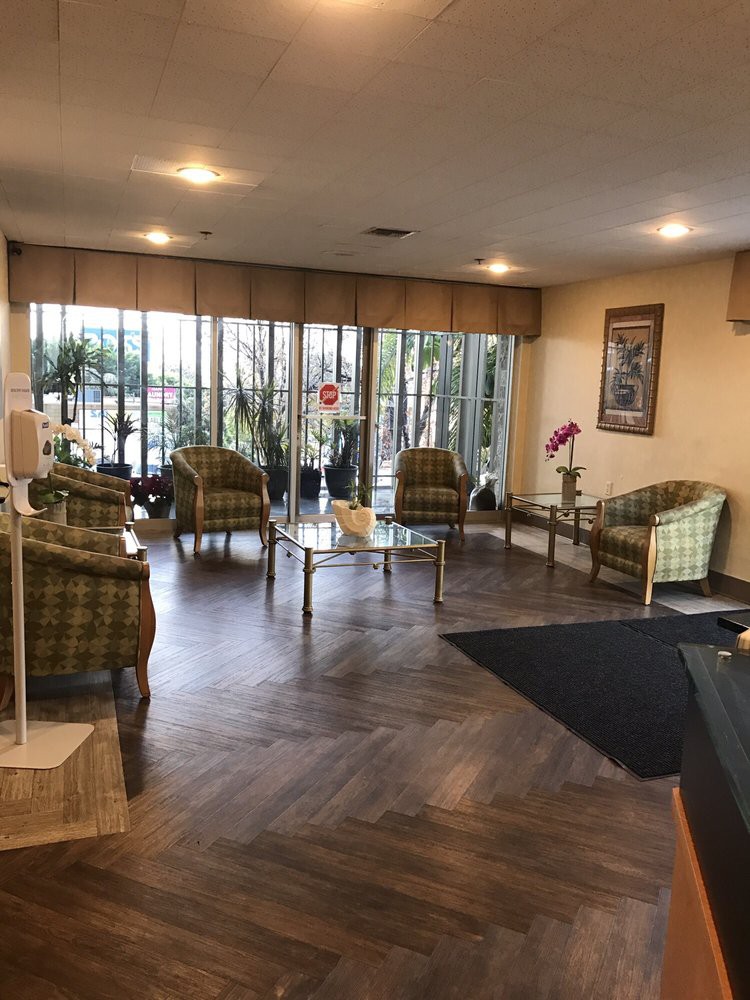
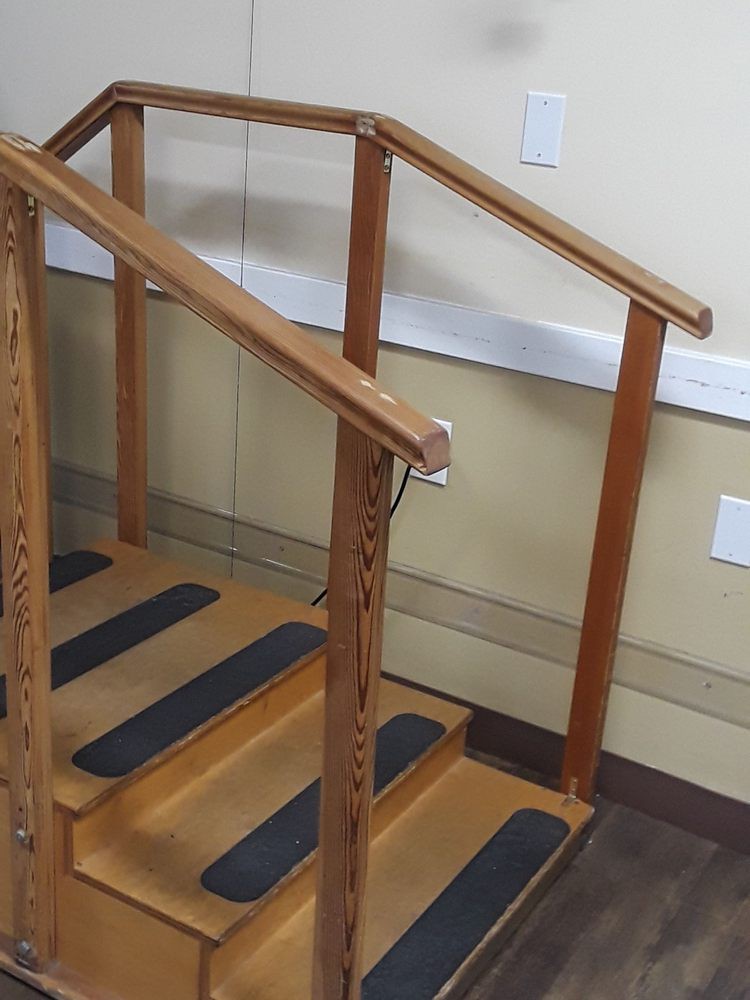
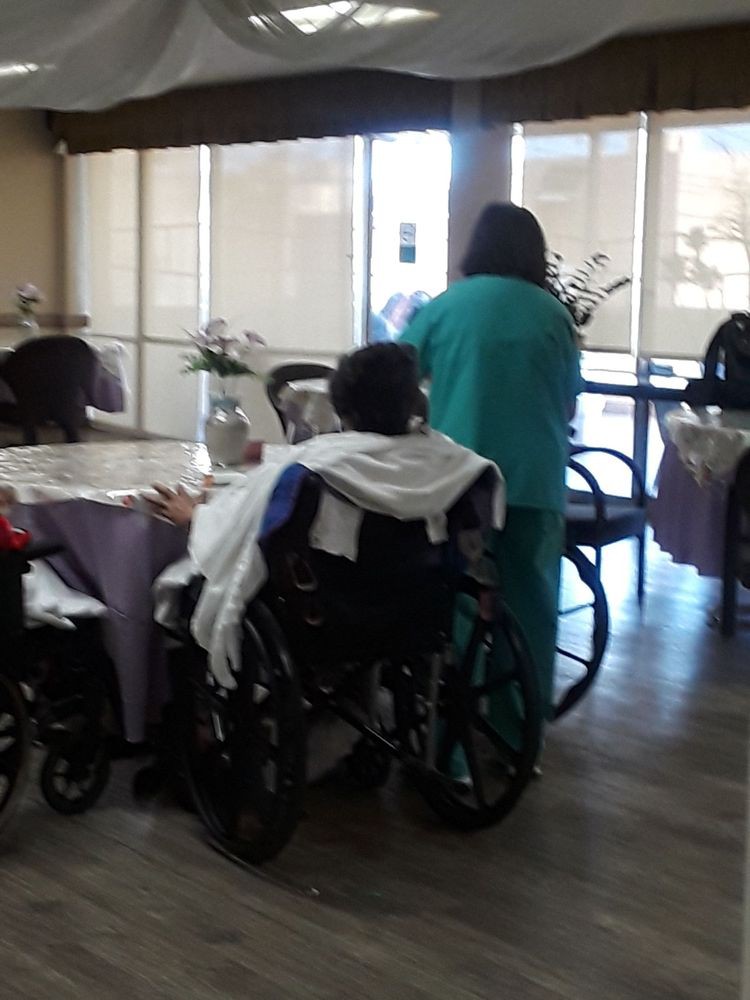
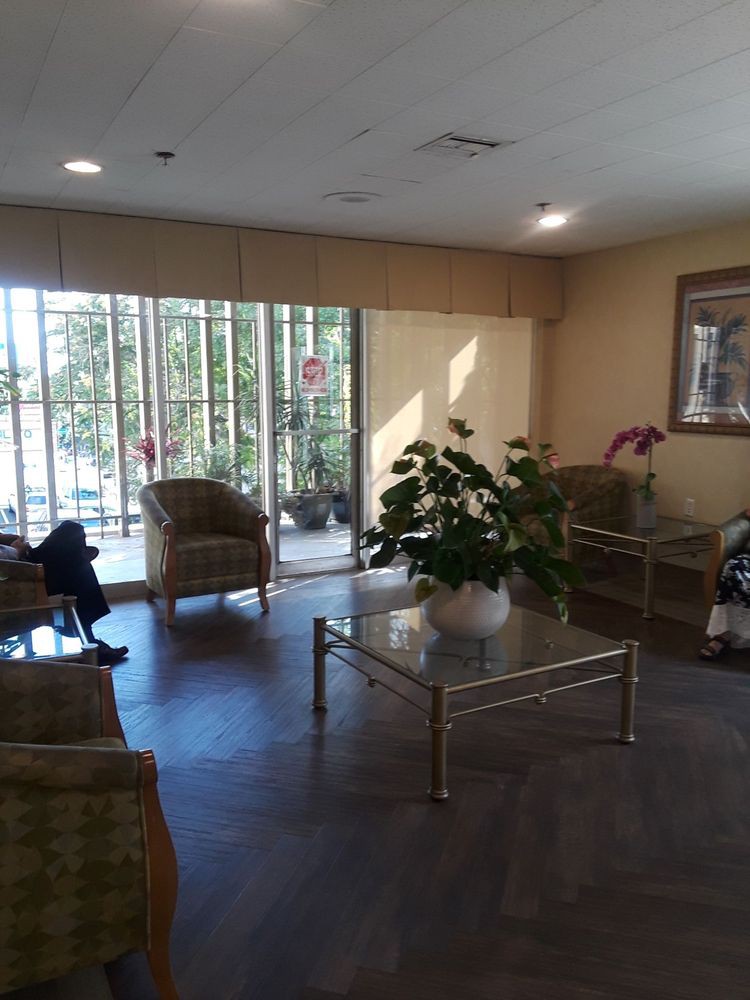
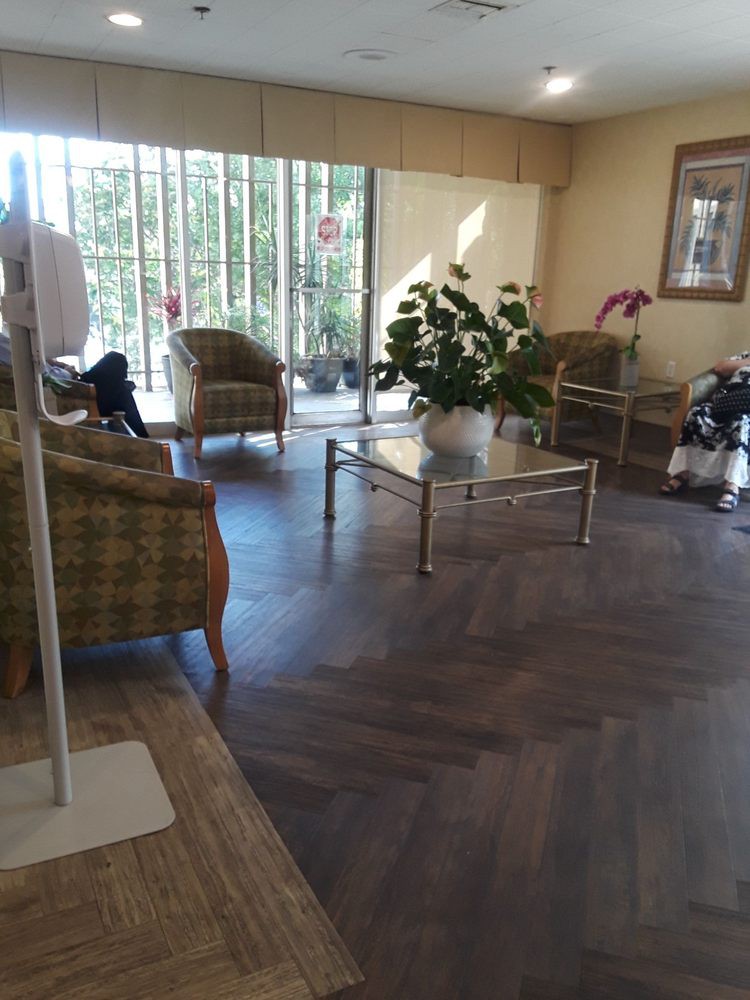
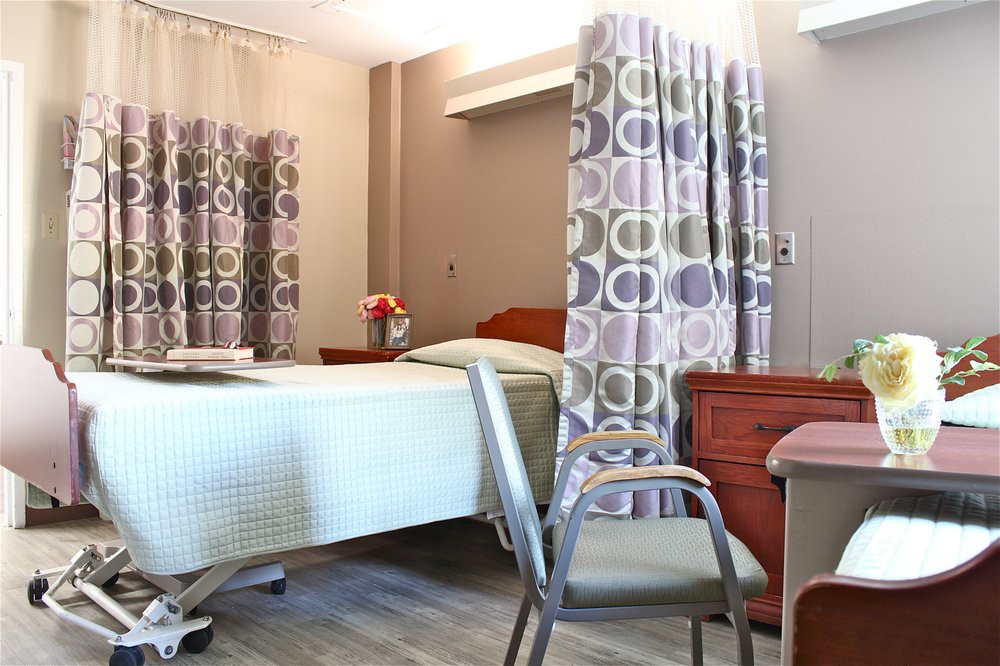
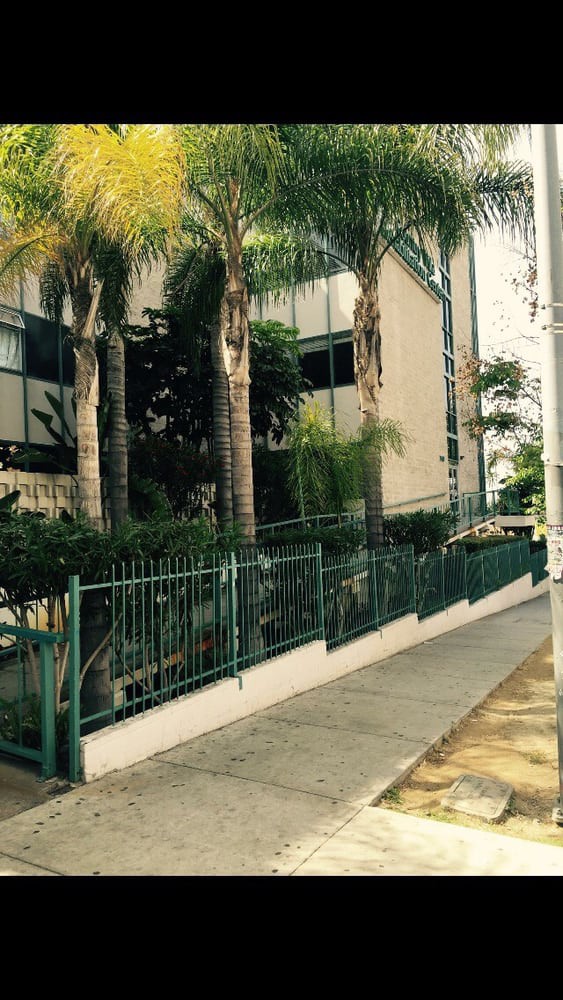
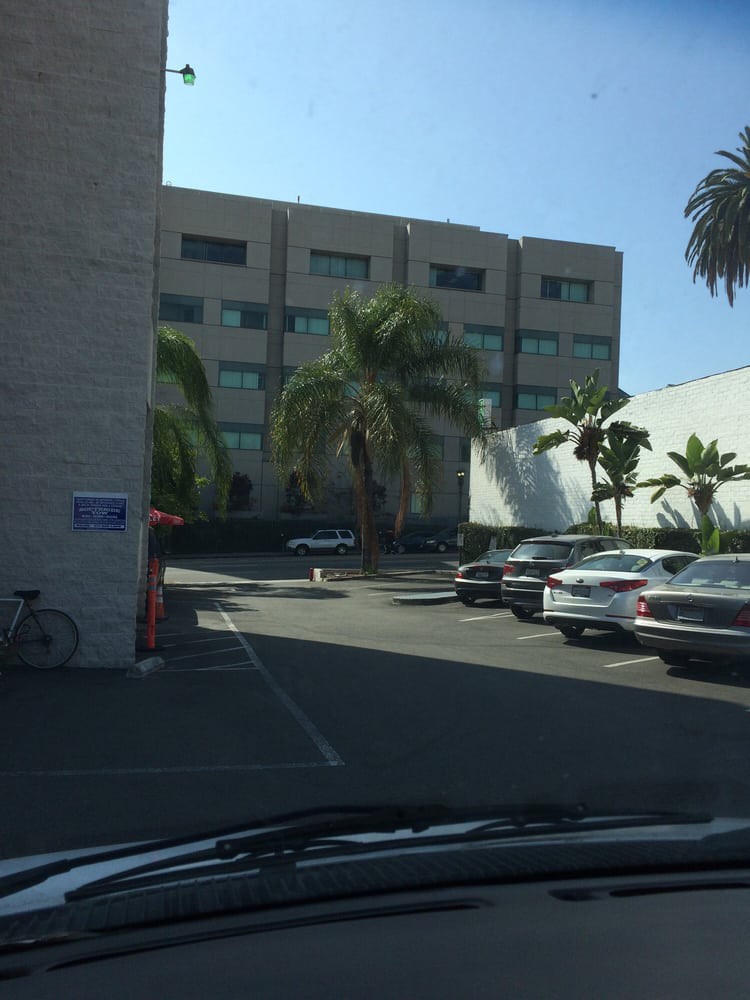
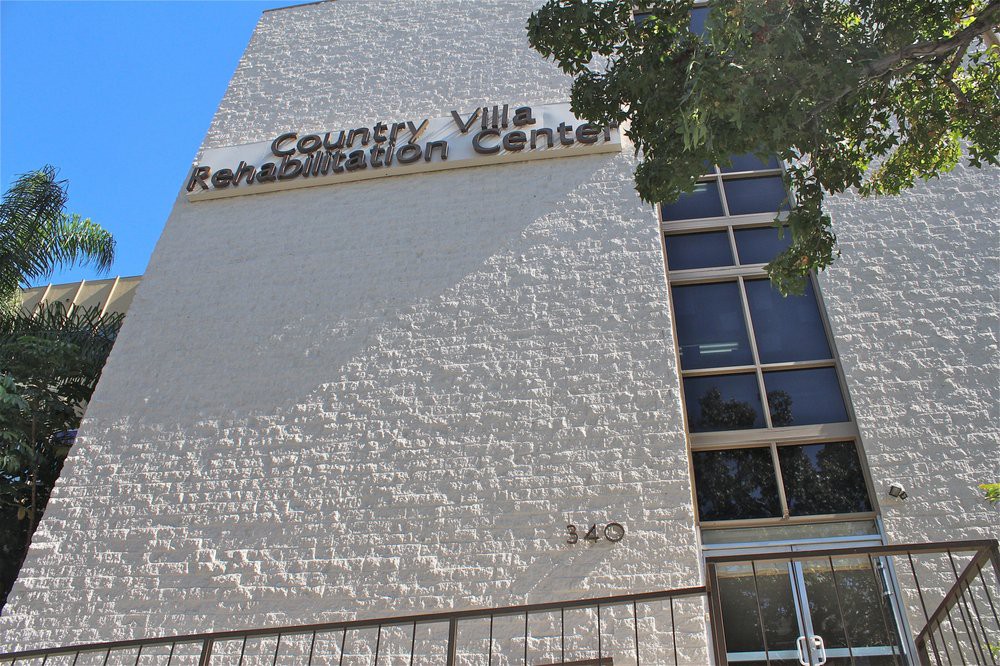
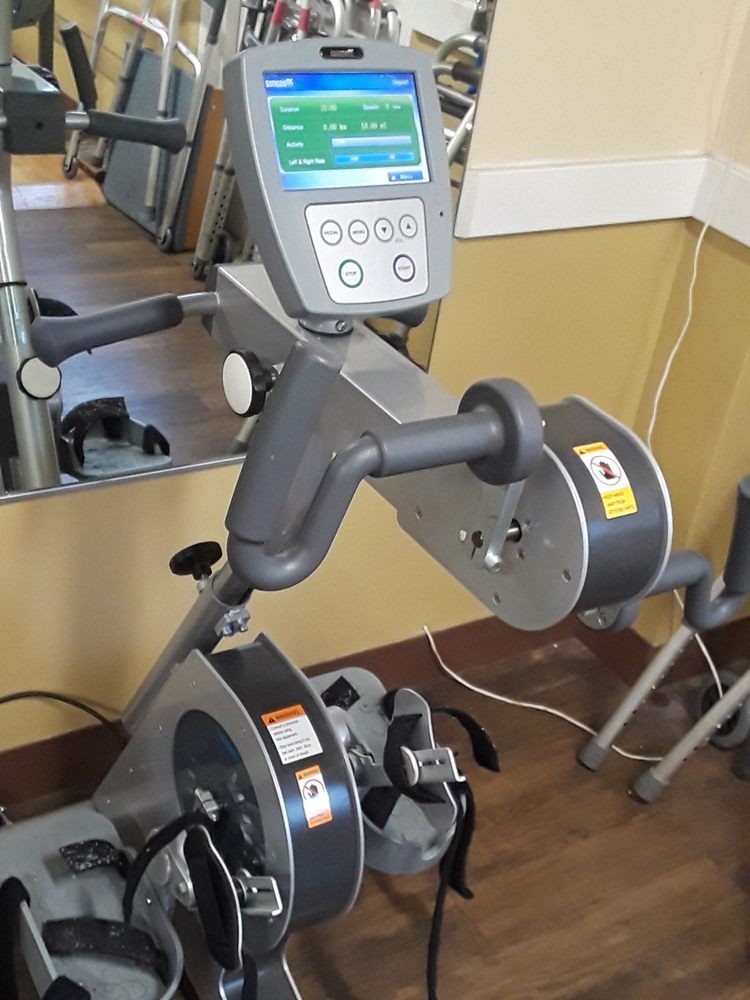
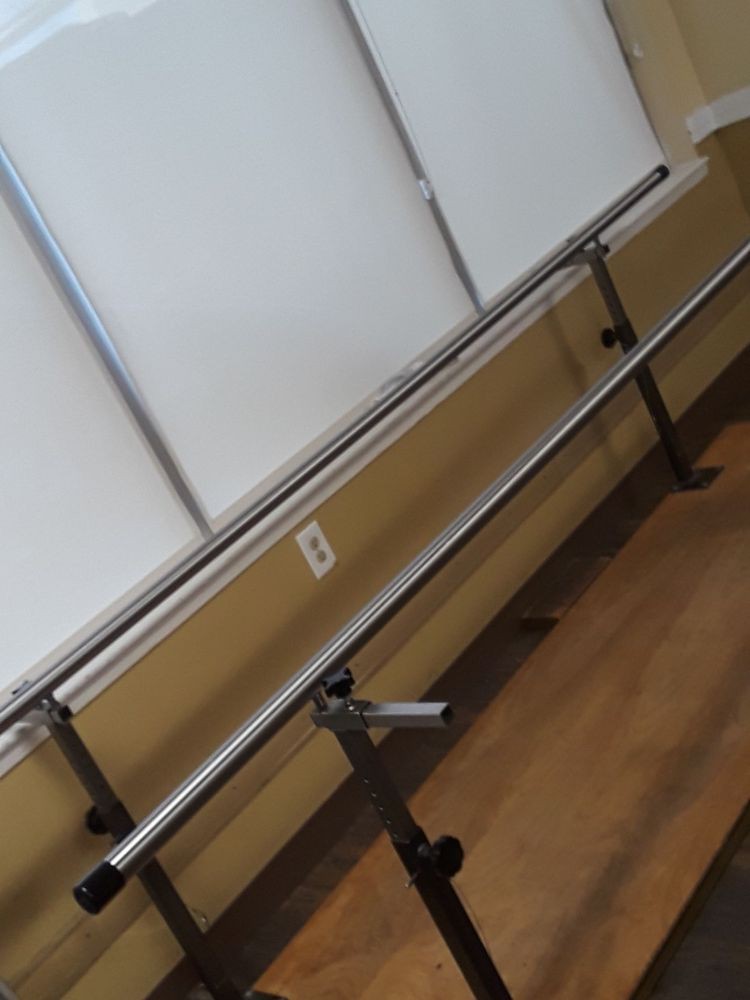
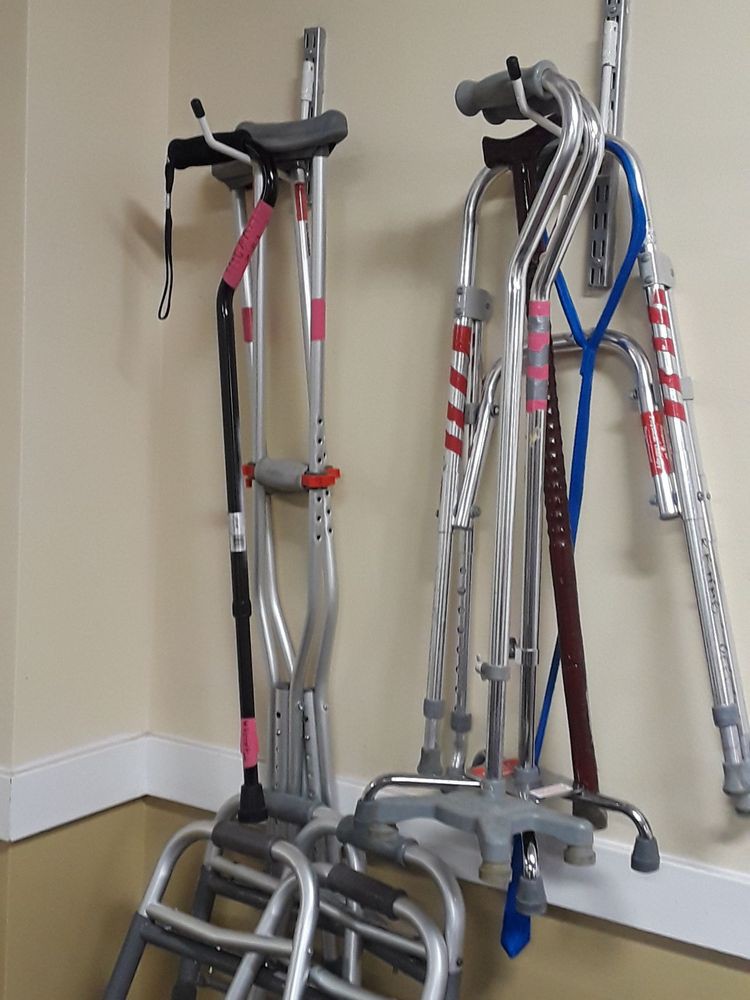
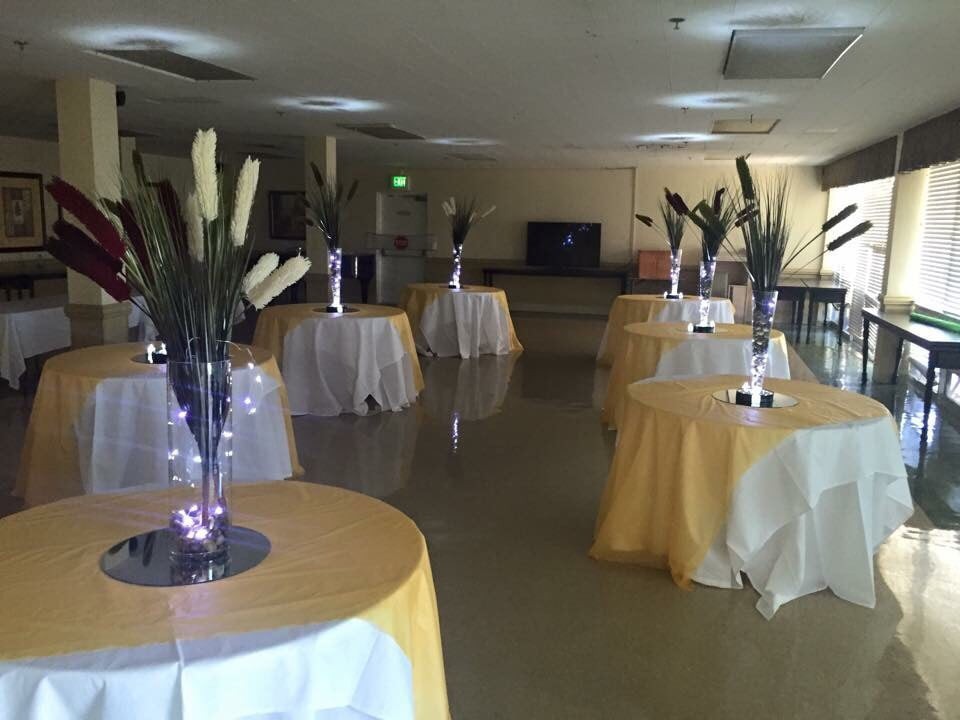
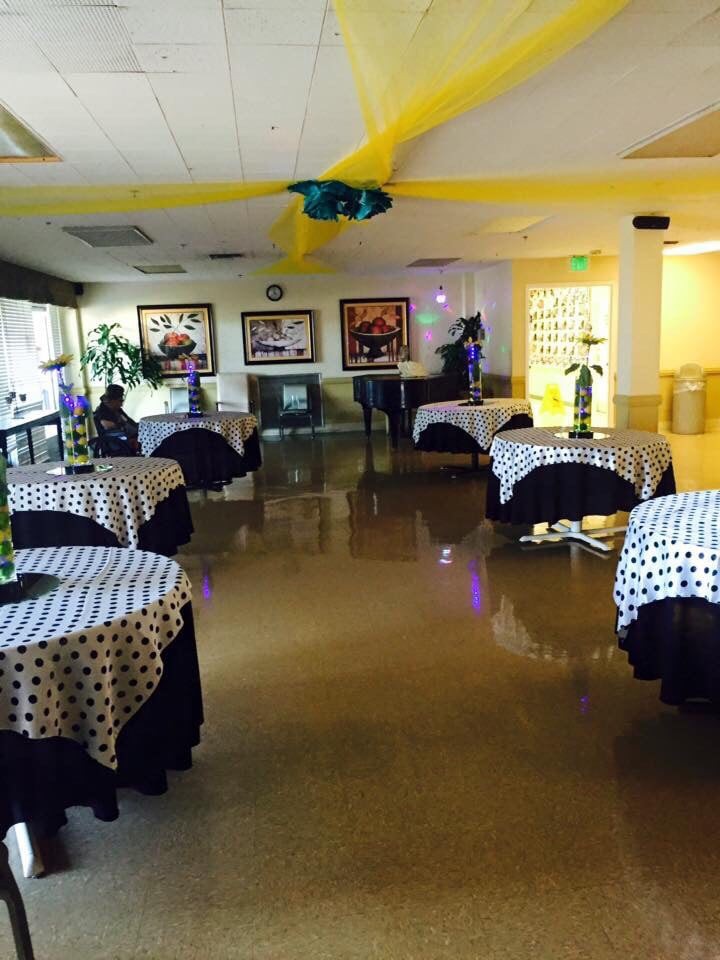
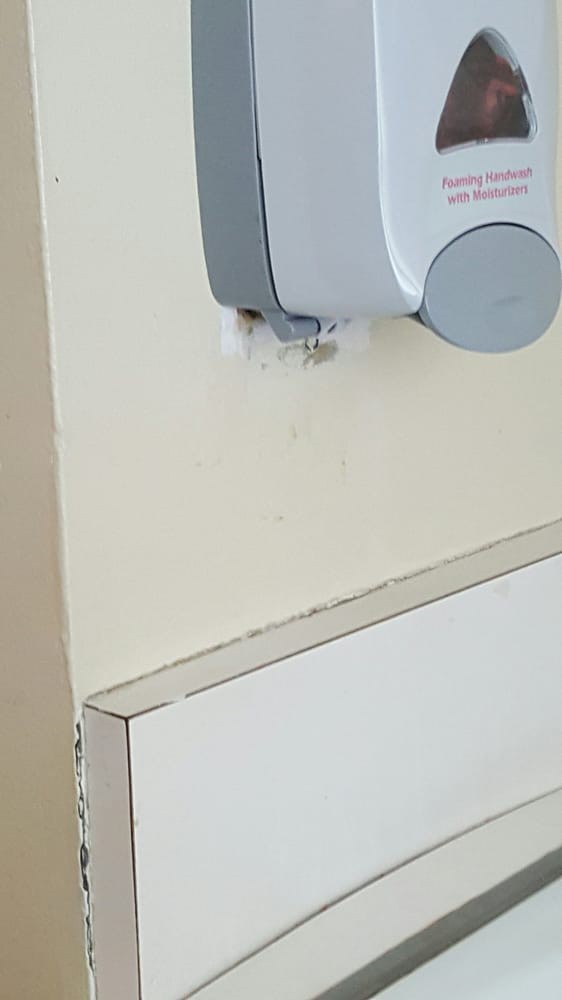
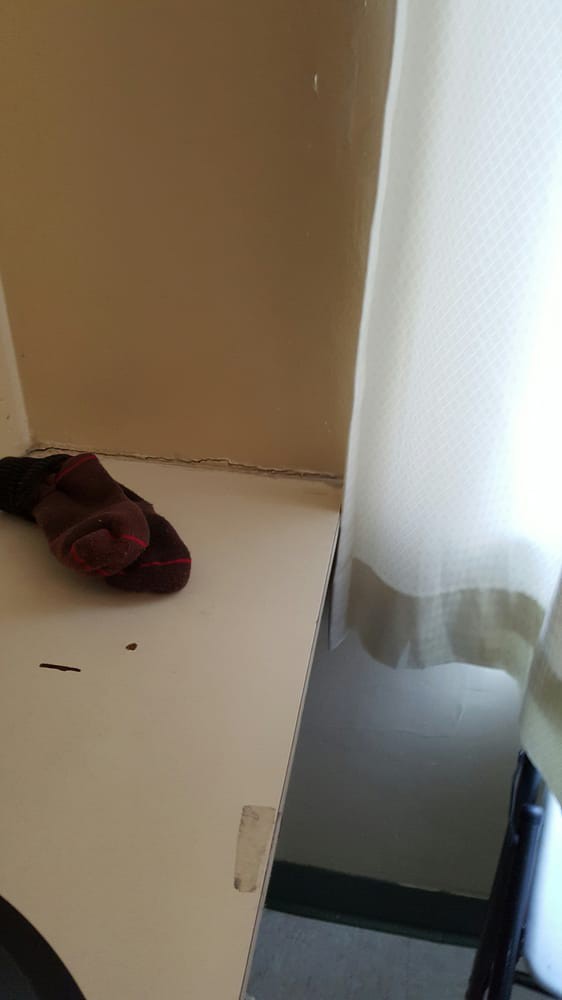
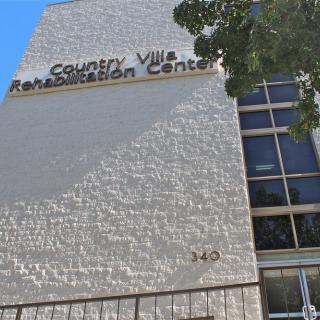
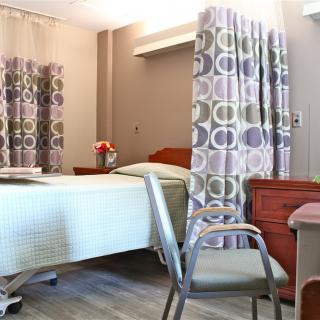
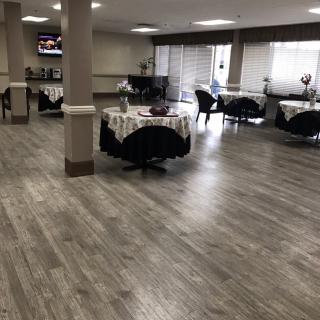
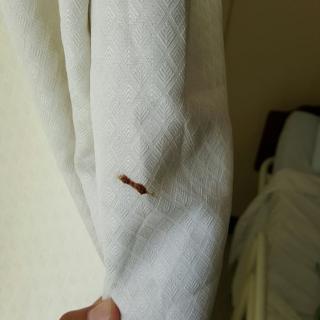
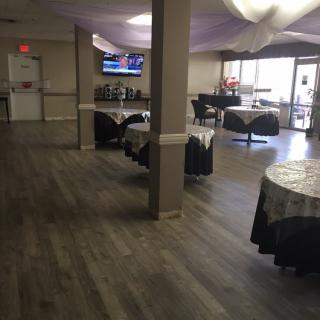
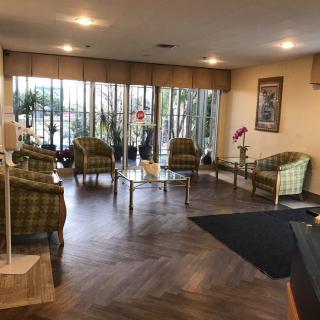
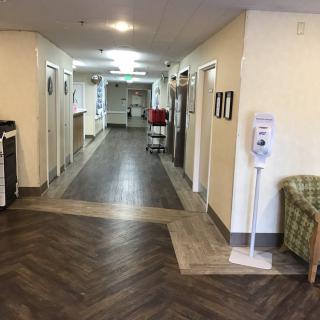
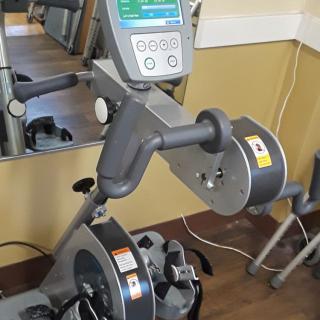
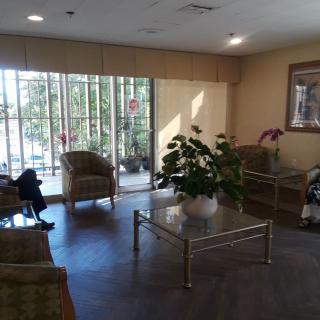
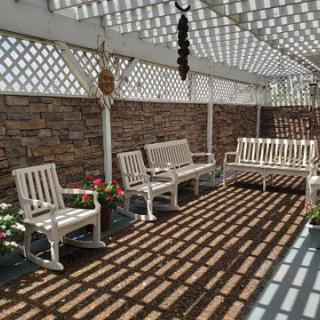
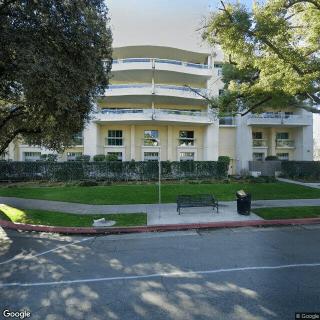
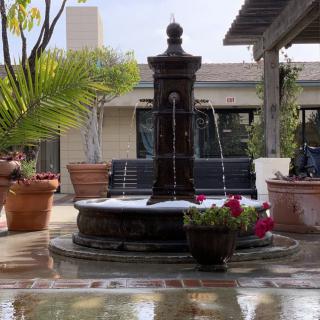
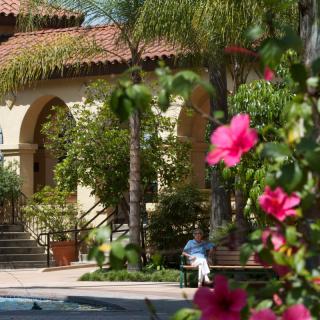
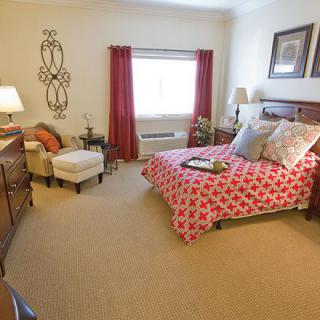
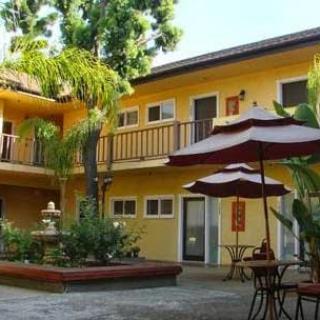
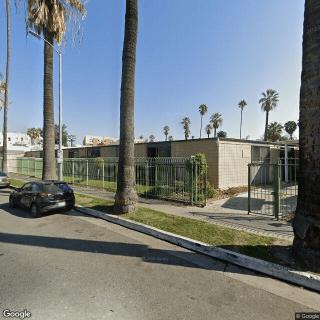
Country Villa Rehabilitation Center on seniors.fyi includes 24 photos including images showing interior, windows, decor, bathroom, building, dining, exercise equipment, palm trees, and more.
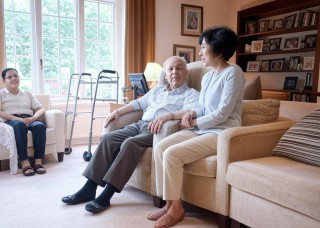
Linda's caregiving journey for her elderly mother, Joan, is marked by deep love and challenges as she navigates health changes, emotional support, and practical arrangements while learning to prioritize self-care and utilize community resources. Their evolving relationship highlights resilience and the universal themes of empathy and preparedness in caregiver experiences.
The article clarifies common misconceptions about Powers of Attorney (POA), highlighting the necessity of the principal's consent, the limitations on an agent's authority, and the importance of mental capacity when signing. It also distinguishes between various types of POAs, addresses concerns about potential abuse, and emphasizes the need for legal consultation to ensure valid and up-to-date documents.
Get PricingAsk A QuestionSchedule A TourContact Senior Advisor
By clicking submit, you agree to our Partner's Terms of Use. You
also consent to receive calls and texts, which may be autodialed, from our Partner. Your consent is not a condition to
using our Partner's service. Please visit our Partner's Privacy Policy for information about their privacy practices.




 180 resident community capacity
 Skilled Nursing Facility
 Air-conditioning
 Beauty salon
 Cable or satellite TV
 Computer center
 Dining room
 Fitness room
 Fully furnished
 Gaming room
 Garden
 Housekeeping services
 Kitchenette
 Move-in coordination
 Outdoor space
 Private bathrooms
 Restaurant-style dining
 Small library
 Telephone
 Wellness center
 Wi-Fi/high-speed internet available
 Burbank-Glendale-Pasadena (11 miles away)
 Community operated transportation
 12-16 hour nursing
 24-hour call system
 Activities of daily living assistance
 Assistance with bathing
 Assistance with dressing
 Assistance with transfers
 Diabetes diet
 Medication management
 Mental wellness program
 Special dietary restrictions
 Concierge services
 Planned day trips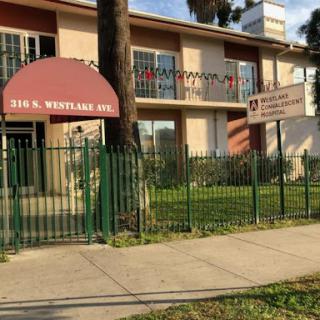
 Extensive on-site amenities and 24/7 nursing care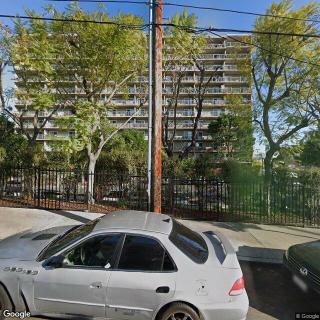


 Nurturing Our Loved Ones: A Daughter's Journey in Caring for Her Mother
 Nurturing Our Elders: Linda's Journey of Supporting Her Mother
 A Comprehensive Exploration of Common Misunderstandings about Powers of Attorney