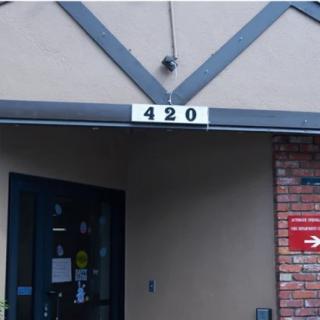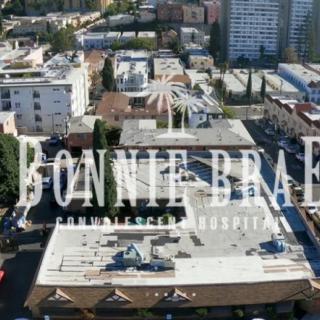
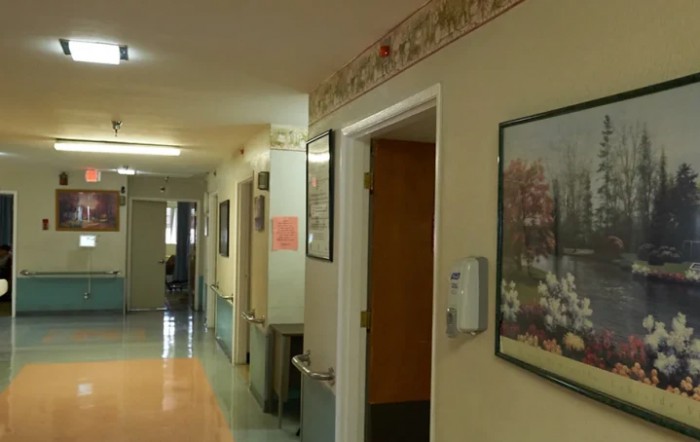
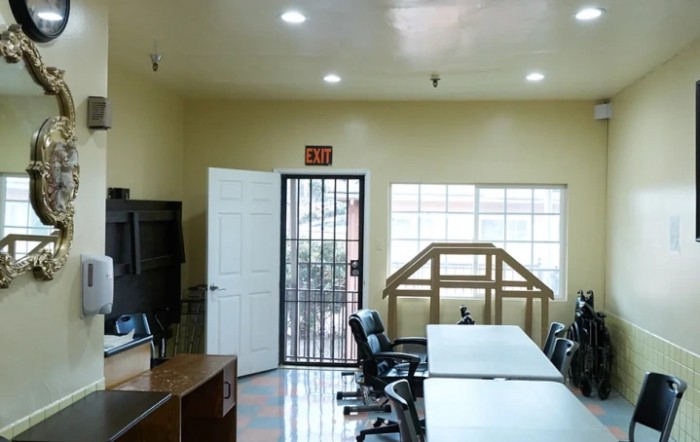
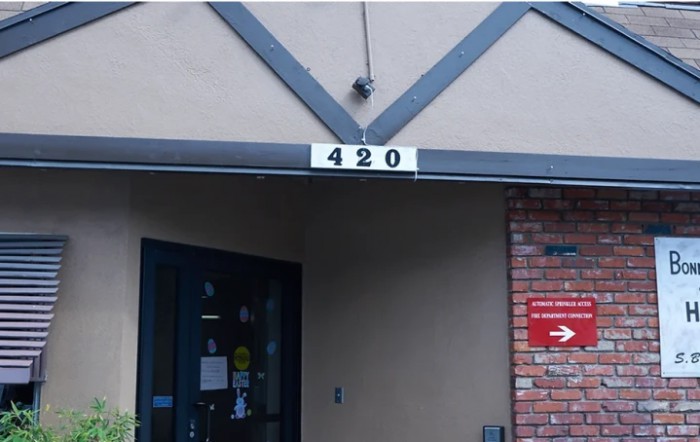
420 South Bonnie Brae Street, Los Angeles, CA 90057
For more information about senior living options: (866) 208-4318
Bonnie Brae Convalescent Hospital Costs & Pricing
Bonnie Brae Convalescent Hospital offers a competitive rate for private rooms at $2,583 per month, which is significantly lower than the average costs in Los Angeles County at $4,197 and the broader state of California at $3,939. This pricing reflects Bonnie Brae's commitment to providing quality care at an accessible price point, making it an appealing option for individuals seeking convalescent care. The cost advantage offered by Bonnie Brae not only highlights its alignment with affordability but also suggests a focus on delivering value without compromising on the quality of service provided to residents.
| Floor plans | Bonnie Brae Convalescent Hospital | Los Angeles County | California |
|---|---|---|---|
| Private | $2,583 | $4,197 | $3,939 |
Skilled Nursing Facilities with a similar price nearby
-
from +$382 / mo

Pacifica Senior Living Northridge
$2,965 to $3,665 / month18.7 miles away -
from +$317 / mo
Alhambra Healthcare & Wellness Center
$2,900 / month8.6 miles away -
from +$417 / mo

Hollenbeck Palms, a CCRC
$3,000 to $10,717 / month3.2 miles away -
About the same
Brookdale Chatsworth
$2,660 to $5,855 / month22.7 miles away -
from +$312 / mo

Canyon Trails Assisted Living and Memory Care
$2,895 to $3,895 / month22.0 miles away
Overall Review of Bonnie Brae Convalescent Hospital
Pros
 The workers are described as clean and nice, with a great environment.
- The CNAs are noted for working extremely hard for their patients.
- The DSD is described as a nice lady, contributing positively to the team.
- There is appreciation for the cleaning tips shared, indicating helpful communication.
Cons
 It is dirty.
 - The administrator is very unprofessional.
- Most staff are related there, except for a few.
- They talk badly to CNAs.
- The reviewer was treated badly.
- They are cheap and there are not enough supplies for patients.
- Some staff members are not reliable and seem to think they can do whatever they want.
Review
Bonnie Brae Convalescent Hospital is best suited for families that prioritize hands-on, daily care from a diligent front-line staff in a straightforward, no-frills setting. The community tends to reward residents who need consistent assistance with activities of daily living and who can tolerate some variability in administrative operations. In practical terms, this facility can deliver dependable bedside care when CNAs are on shift and when family oversight is available to monitor supplies and routines. It works best for those who value a calm, low-key environment over glamour, and who are comfortable navigating a care culture where frontline workers are the primary executors of daily comfort and safety.
Prospective residents and families should be aware of a few critical caveats that temper the positive picture. Management and administrative practices come up repeatedly as a concern, with reviewers flagging unprofessionalism and nepotism as part of the culture. Supply shortages and inconsistent housekeeping are also cited, which can translate into gaps in basic comfort and medical support if not actively managed. If a resident requires highly reliable facility-wide systems, transparent governance, and robust resources, this community may feel unstable. In short, this is a place where care quality can be strong at the bedside, but organizational coherence and reliability of operations may not be equally strong.
The strongest offset to these concerns is the evident dedication of the direct-care team. CNAs are described as hardworking, often going the extra mile for patients, and the environment can feel clean and welcoming on days when the staff are at their best. For families who can rely on attentive daytime care and who can supplement with careful, ongoing family involvement, this translates into meaningful daily benefits: timely assistance, respectful interactions, and a sense of personal attention for residents. The reality is that while the care givers can be exceptional, the overall experience hinges on consistent leadership and steady operational support, which may waver.
Yet the negative dynamics around administration cannot be ignored. Reports of disrespectful talk toward CNAs, internal friction, and a sense that some staff feel undervalued or overworked point to a culture that undermines morale and seamless care delivery. When management is perceived as unprofessional or insular, the risk rises that communication breaks down, urgent concerns are not escalated promptly, and supplies or equipment do not meet resident needs in a timely way. For families who prioritize predictable, well-coordinated care across shifts and a transparent chain of accountability, these red flags raise legitimate doubt about long-term consistency.
For families weighing options, specific diligence during visits is essential. Ask questions about how care plans are developed and updated, who tracks supply levels, and how staff concerns are handled. Request to meet CNAs and ancillary staff on multiple shifts to gauge consistency, and review sample incident reports and housekeeping schedules to understand how problems are addressed in practice. Inquire about staff training, language support, and the process for escalating concerns to administration. If possible, observe a mealtime and a night shift to see how responsiveness and cleanliness are maintained when the house is busiest.
The bottom-line recommendation is practical and clear: Bonnie Brae Convalescent Hospital will serve well for families seeking solid bedside care and a calm, simple living environment, provided there is robust family involvement and careful ongoing oversight. It is less ideal for those who demand flawless administrative execution, unwavering supply reliability, and consistently high standards of facility-wide cleanliness. For anyone uneasy about management culture or who needs a facility with stronger organizational discipline, exploring alternatives, other LA-area convalescent hospitals or assisted-living options with documented governance and steady resource planning, is warranted. For the right family, though, the frontline care and the genuine dedication of CNAs can deliver meaningful quality of life within a solid daily routine.
 59 resident community capacity
 Skilled Nursing Facility
 Air-conditioning
 Beauty salon
 Cable or satellite TV
 Computer center
 Dining room
 Fitness room
 Fully furnished
 Gaming room
 Garden
 Housekeeping services
 Kitchenette
 Move-in coordination
 Outdoor space
 Private bathrooms
 Restaurant-style dining
 Small library
 Telephone
 Wellness center
 Wi-Fi/high-speed internet available
 Burbank-Glendale-Pasadena (11 miles away)
 Community operated transportation
 12-16 hour nursing
 24-hour call system
 Activities of daily living assistance
 Assistance with bathing
 Assistance with dressing
 Assistance with transfers
 Diabetes diet
 Medication management
 Mental wellness program
 Special dietary restrictions
 Concierge services
 Planned day trips


 Seniors and Modern Transportation: Exploring Uber, Lyft, and Other Ride-Hailing Options
 Comprehensive Guide to Qualifying for Home Health Care Services
 Powerful Realities of Elder Abuse and the Most Effective Ways to Report It