
909 South Lake Street, Los Angeles, CA 90006
For more information about senior living options: (866) 208-4318
Overall Review of California Post Acute
Pros
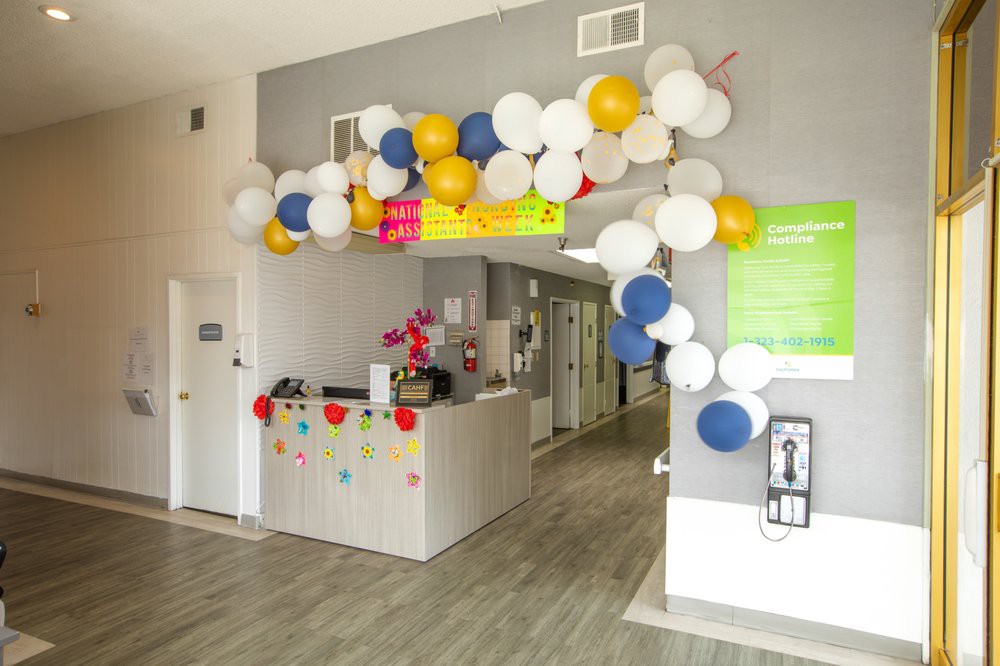
 The facility is consistently clean throughout, with no odor detected.
- The staff are nice and kind, and the facility is spotless.
- Monica from admissions is informative, responsive, and friendly.
- The orientation at California Post Acute was amazing, and the staff are helpful and friendly.
- California Post Acute has come a long way; the building is clean, well organized, and the staff are attentive to residents’ needs.
- Visitors are greeted warmly by the staff.
Cons
 The facility had an overwhelming stench of urine.
 - The facility was described as old and having multiple coats of paint.
- The staff were underpaid, which was reflected in the quality of care.
- Care was described as mediocre at best.
- Three patients occupied a cramped room that should have housed only two.
- Haircuts had not been given to patients for over a year.
- Patients were not being changed and had sores.
- The place was described as the worst place ever and should be shut down.
- Abuse was alleged, and there were concerns about a relative’s wellbeing.
Review
California Post Acute in Los Angeles is best suited for families that prize a clean, well-kept environment and a responsive admissions process to manage the transition after hospitalization. The facility consistently earns praise for its spotless appearance and organized atmosphere, with reviewers noting that hallways, common areas, and patient rooms feel fresh and free of odors. The admissions experience stands out in particular, with Monica and other frontline staff described as informative, communicative, and quick to follow through on placements. An orientation described as amazing adds to the sense that the transition can be smooth, which matters for families navigating the move from hospital to post-acute care. In short, for those who want a reassuring first impression and a facility that “looks the part,” California Post Acute delivers.
That said, there is a clear caveat for families weighing options. Those who demand consistently high clinical care, reliable staffing ratios, and a track record of safe, attentive daily care should consider alternatives. Several reviews raise red flags about staffing adequacy and care quality, including reports of patients not being changed, the presence of sores, and allegations of neglect. Some comments describe a heavy workload that translates into delayed or inconsistent care, while others voice extreme dissatisfaction and even calls for regulatory involvement. Because safety and ongoing daily care are nonnegotiable for many post-acute decisions, these concerns cannot be dismissed and warrant careful comparison with other facilities.
The strongest positives center on the environment and the intake experience. Cleanliness is repeatedly highlighted as a real strength, and staff described as nice and helpful contributes to a welcoming tone during visits and transitions. An attentive admissions team can shorten the decision cycle and reduce anxiety for families facing urgent placement needs. A facility that has evolved since earlier years, per reviewer impressions of improvements in the building and organization, adds credibility for those seeking a modern, well-run setting. These advantages can meaningfully offset some situational stressors in the early post-hospital period, particularly when the immediate goal is to restore routine and independence as quickly as possible.
Yet the negative experiences cannot be ignored. In several accounts, issues like strong odors, cramped rooms with multiple residents, and perceived underinvestment in basic care create a troubling contrast with the polished public areas. Claims of abuse, neglect, and inadequate hygiene are severe and require serious consideration. Even when a portion of reviews is positive, the presence of such allegations, whether isolated or recurring, should prompt families to verify current staffing levels, care protocols, and licensing history before committing. The reality is that the strongest aesthetics and the best admissions process cannot fully compensate for inconsistent hands-on care and safety concerns.
From a decision-making perspective, the pros and cons must be weighed against the care goals and risk tolerance. The clean environment and responsive admissions pathway are meaningful buffers during the transition, potentially reducing anxiety and helping families feel confident about moving a loved one into care. However, the reported inconsistencies in daily care and the serious allegations raised by multiple reviewers create a risk that can undermine recovery or comfort over time. If choosing California Post Acute, insist on seeing current staffing ratios, tour shift changes, and a detailed care plan; request candid conversations with frontline nurses and aides; and seek up-to-date state survey results. Consider a short-term stay or a clearly defined trial period to observe day-to-day reliability before committing long-term.
The bottom line is practical and clear: California Post Acute offers a compelling first impression, clean, organized, and welcoming, with a strong admissions experience that can smooth the initial transition. But the decision hinges on tolerance for potential day-to-day variability in care quality and safety. For families who can actively monitor care, engage with the administrator, and compare with other post-acute options in Los Angeles, this community may fit as a transitional solution or a short-term residence. For those prioritizing uncompromising daily care standards and a proven safety record, it is prudent to explore alternatives and verify up-to-date, facility-specific performance data before making a final commitment.
 66 resident community capacity
 Skilled Nursing Facility
 Air-conditioning
 Beauty salon
 Cable or satellite TV
 Computer center
 Dining room
 Fitness room
 Fully furnished
 Gaming room
 Garden
 Housekeeping services
 Kitchenette
 Move-in coordination
 Outdoor space
 Private bathrooms
 Restaurant-style dining
 Small library
 Telephone
 Wellness center
 Wi-Fi/high-speed internet available
 Los Angeles International (11 miles away)
 Community operated transportation
 12-16 hour nursing
 24-hour call system
 Activities of daily living assistance
 Assistance with bathing
 Assistance with dressing
 Assistance with transfers
 Diabetes diet
 Medication management
 Mental wellness program
 Special dietary restrictions
 Concierge services
 Planned day trips







 Understanding Hospice Care at Home: Comprehensive Services, Key Benefits, and Eligibility
 Understanding the Full Cost of 24/7 In-Home Care: A Detailed Overview
 Exploring the World of Home Health Nurses: Qualifications, Roles, and Hiring Tips