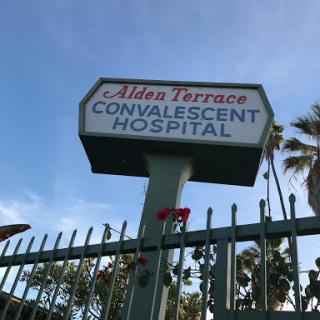
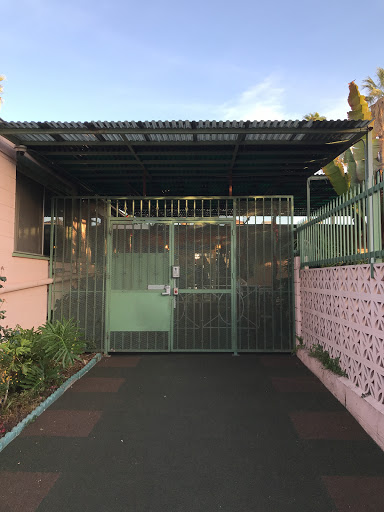
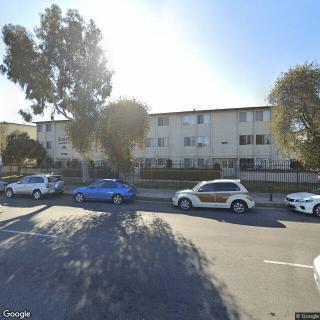
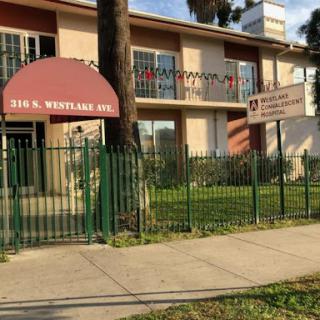
1240 South Hoover Street, Los Angeles, CA 90006
For more information about senior living options: (866) 208-4318
Overall Review of Alden Terrace Convalescent Hospital
Pros
 The staff from the DON to the Administrator are described as very nice, helpful, friendly, and attentive to all patients.
- The nurses were always attentive to her needs and provided very good care.
- The place is described as a nice place with good staff.
- It is a good place, according to the reviewer.
- A reviewer expresses appreciation to Alden Terrace for their care.
Cons
 The facility reportedly overmedicated the patient and left him to lie in his own feces, paying no attention to his needs.
- The patient had feces embedded in his nails and hands because staff wouldn’t clean him.
- He became malnourished and unable to walk.
- Therapy that was supposed to be provided was never given.
- The nurses were not on top of their jobs and the patient was not properly watched.
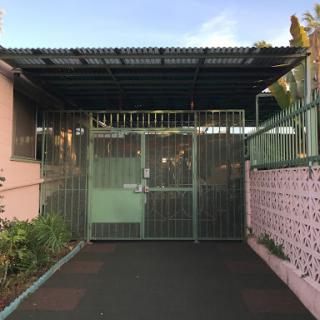
- Security was inadequate and the patient could walk out at any moment.
- Almost four hours passed without anyone checking on him, while staff were distracted by conversations or cell phones.
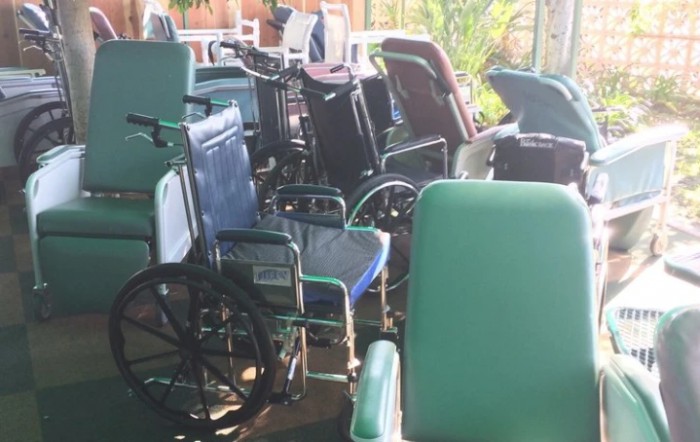
- The restroom was filthy, with urine on the toilet seat and feces on a portable toilet.
- The reviewer urged others to take their loved ones elsewhere.
Review
Alden Terrace Convalescent Hospital in Los Angeles is best suited for families facing tight budget constraints who must secure a bed quickly and are prepared to supervise care closely. This community can work when affordability and availability trump pristine conditions or consistently seamless care. It is not a fit for anyone who requires steady, high-quality clinical oversight, rigorous daily therapy, or immaculate housekeeping without constant family involvement. In practical terms, it serves as a potential stopgap option for those who can advocate relentlessly, arrange outside therapy when needed, and move a loved one promptly if care deteriorates.
Prospective families should also consider who might want to pursue alternatives. For residents with ongoing needs for reliable, attentive staffing, robust daily monitoring, and clean, well-maintained surroundings, better options exist in the market. Facilities with proven track records for preventing neglect, ensuring regular therapy, and maintaining consistent hygiene standards will likely outperform Alden Terrace. Those prioritizing safety features like secure access, transparent staffing, and proactive clinical oversight should look elsewhere, especially if the loved one requires substantial mobility support or complex medical management.
On the upside, several reviewers point to solvable positives that can buy some peace of mind in the right circumstances. The administrative leadership, including the director of nursing and the administrator, is described as approachable, helpful, and attentive to residents and families. In at least one case, the nursing team was praised for attentiveness to a specific patient, and another account highlights friendly, courteous staff across the care teams. These moments of competence and kindness matter when supervision is challenged, and they indicate that good intentions exist within the operation. The facility’s overall atmosphere can feel welcoming when staff are present and engaged.
Yet the strongest reality check comes from the volume of troubling experiences reported. Numerous reviewers describe serious lapses in care: patients left unclean or malnourished, inadequate personal care, and missed therapy once promised. Specific complaints include overmedication, neglect of basic hygiene, and extended periods without staff check-ins. Some families recount visible cleanliness problems, rooms and bathrooms not kept up, clothing not changed, and security concerns that left loved ones feeling exposed. Several accounts portray inconsistent or minimal engagement by aides, with broad disparities in the quality of care from shift to shift. The incongruity between what is promised and what is delivered weighs heavily when evaluating risk versus cost.
These contradictions matter decisively in decision making. The central trade-off is affordability versus reliability. The available positives, friendly admin, attentive moments, and a generally approachable leadership, do not fully mitigate the repeated reports of neglect, missed therapies, and hygiene issues. For a family weighing this facility, the paramount question becomes whether the risk of inconsistent care and safety gaps is acceptable given the lower price point. Thorough due diligence is non-negotiable: tour the place, interview frontline staff, demand concrete staffing ratios, review recent inspection reports, and insist on a robust, written plan for med mgmt and therapy. If anything feels uncertain, relocate or choose a facility with a proven, steady standard of care.
In the end, Alden Terrace functions as a possible option only under stringent conditions: concrete guarantees of staffing, transparent oversight, and ongoing, aggressive family involvement. If nearby alternatives with stronger safety records, cleaner environments, and consistent therapy services are available, those paths should be preferred. When this community is the chosen path due to cost or location, it becomes essential to treat the admission as a pilot rather than a settled arrangement, with a clear exit plan, explicit remedies for any red flags, and unwavering advocacy to prevent the kind of neglect reported by multiple families.
 210 resident community capacity
 Skilled Nursing Facility
 Air-conditioning
 Beauty salon
 Cable or satellite TV
 Computer center
 Dining room
 Fitness room
 Fully furnished
 Gaming room
 Garden
 Housekeeping services
 Kitchenette
 Move-in coordination
 Outdoor space
 Private bathrooms
 Restaurant-style dining
 Small library
 Telephone
 Wellness center
 Wi-Fi/high-speed internet available
 Los Angeles International (10 miles away)
 Community operated transportation
 12-16 hour nursing
 24-hour call system
 Activities of daily living assistance
 Assistance with bathing
 Assistance with dressing
 Assistance with transfers
 Diabetes diet
 Medication management
 Mental wellness program
 Special dietary restrictions
 Concierge services
 Planned day trips






 Understanding the Sandwich Generation: Stress and Responsibilities for Multigenerational Caregivers
 8 Essential Assistive Devices for Older Adults
 Navigating the Financial Road to Nursing Home Care: In-Depth Guidance and Resources