



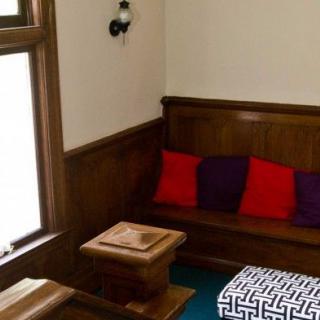


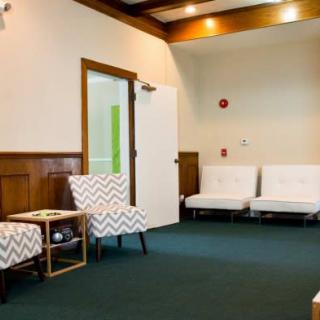

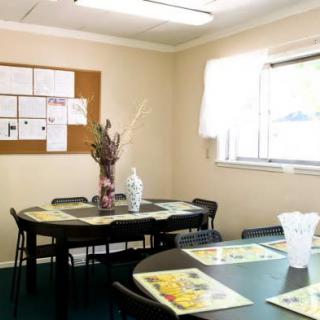


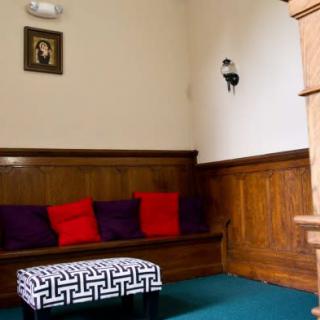
1231 South Alvarado Street, Los Angeles, CA 90006
For more information about senior living options: (866) 208-4318
Promise Assisted Living Costs & Pricing
Promise Assisted Living offers competitive pricing for its residents compared to both Los Angeles County and the broader state of California. With monthly costs for a semi-private room at $2,000, Promise Assisted Living presents a significant saving against the county average of $3,349 and the state average of $3,333. Their studio apartments are priced at $3,000, which also undercuts the regional market - $4,172 in Los Angeles County and $4,145 statewide. Similarly, the cost for a one-bedroom unit matches that of the studio at $3,000, making it a cost-effective option in contrast to higher prices in the area: $4,603 in Los Angeles County and $4,340 throughout California. This pricing structure not only underscores Promise Assisted Living's commitment to affordability but also highlights its appeal as an attractive choice for those seeking quality assisted living solutions without breaking the bank.
| Floor plans | Promise Assisted Living | Los Angeles County | California |
|---|---|---|---|
| Semi-Private | $2,000 | $3,349 | $3,333 |
| 1 Bedroom | $3,000 | $4,603 | $4,340 |
| Studio | $3,000 | $4,172 | $4,145 |
Memory care communities with a similar price nearby
-
from +$300 / mo
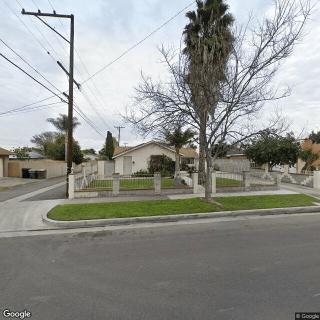
Bronwyn Residential Care
$2,300 to $3,500 / month22.9 miles away -
from +$200 / mo
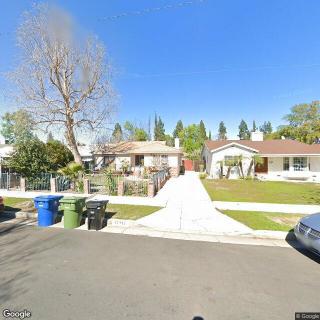
Granada Hills Gardens
$2,200 to $3,500 / month19.6 miles away -
from -$200 / mo
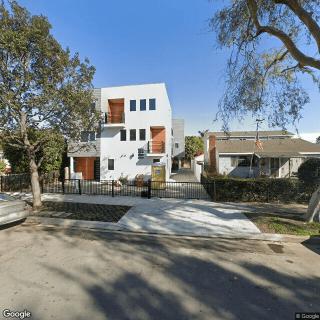
Gracie's Residential Care
$1,800 to $2,500 / month8.3 miles away -
from -$200 / mo
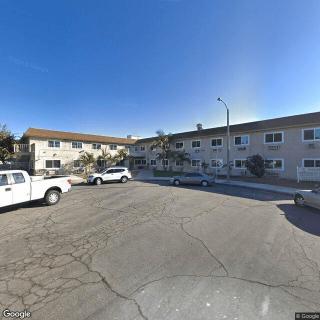
Palms Retirement Center
$1,800 to $3,495 / month23.0 miles away -
from -$200 / mo
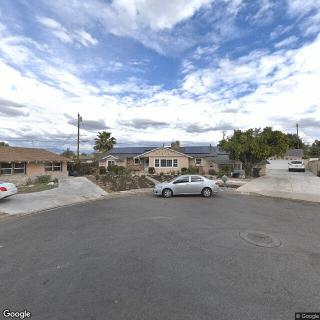
South Hills Country Home for the Elderly
$1,800 to $2,500 / month21.6 miles away
Overall Review of Promise Assisted Living
Pros
 Her mother is having an amazing time at the facility.
- The facility is very clean, the food is amazing, and the family is enjoying having their mother there.
- The staff are kind, and there is always someone around to help, making the resident feel well cared for.
- The resident has her own bed, meals are good, and there is reliable help when needed.
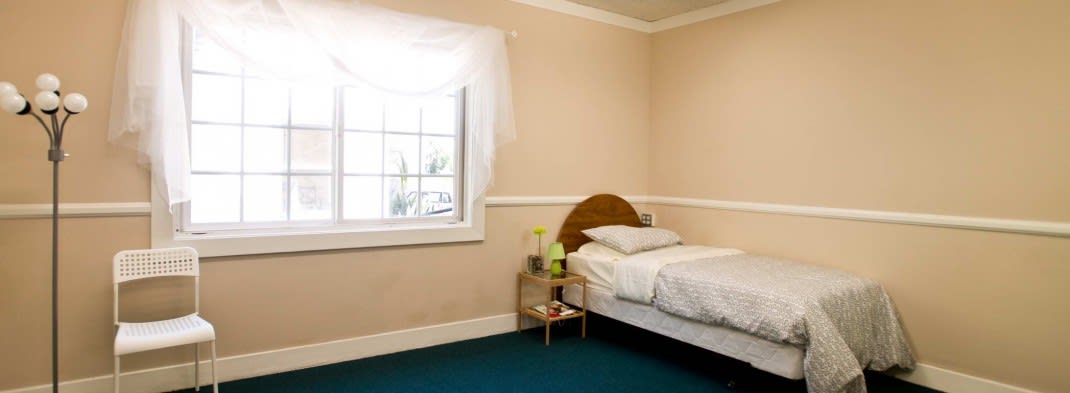
- The room includes a bathroom twice the size of the previous place and wall-to-wall carpeting.
- The uncle is no longer living alone and is visibly happy with staff nearby.
Cons
 The reviewer states that the staff member on the phone was rude and refused to share information unless an appointment was made to visit the facility.
 - The reviewer notes that the staff member interrupted questions, repeatedly saying "no" and cutting her off.
- The reviewer felt there was little chance to pre-qualify the place or have a meaningful conversation, lasting less than a minute.
- The reviewer believes potential clients are treated poorly at intake and would not waste time visiting.
- There is a dirty alley behind the building with a homeless encampment, rats, and strong odors of urine and feces.
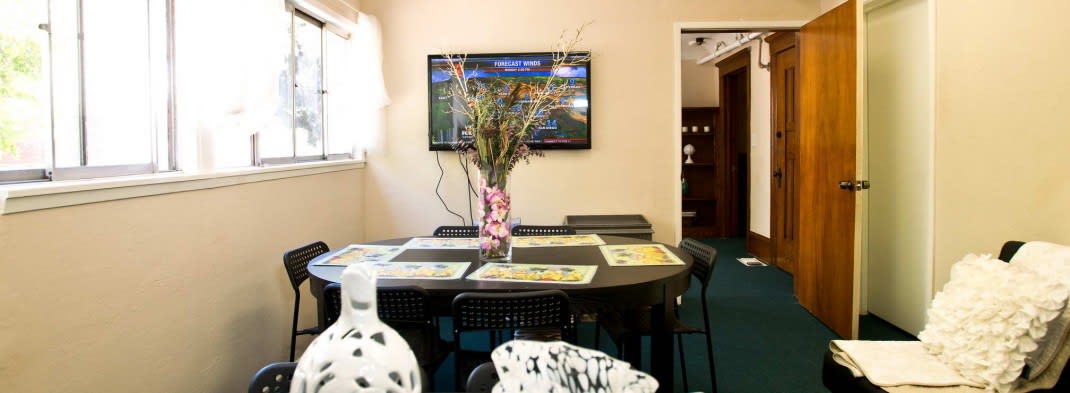
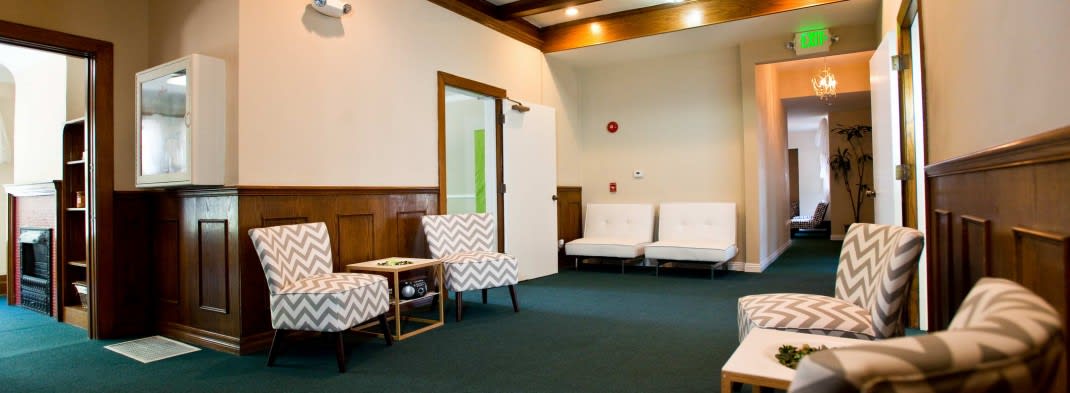
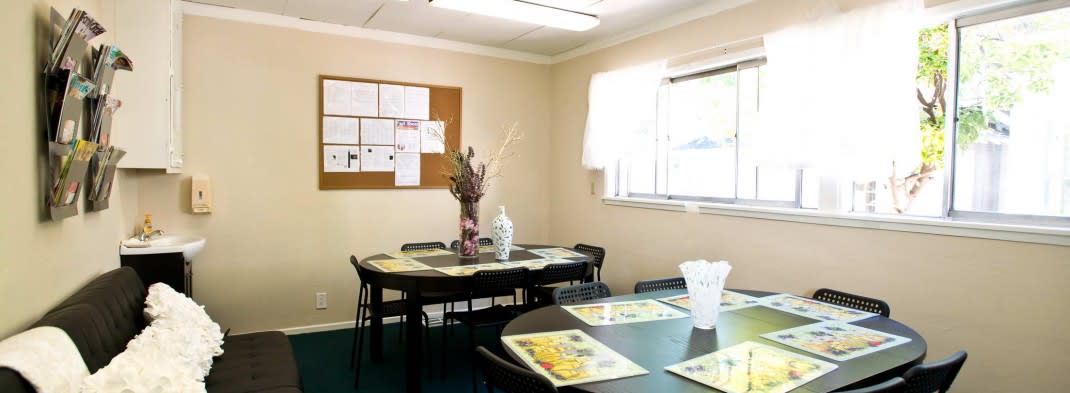
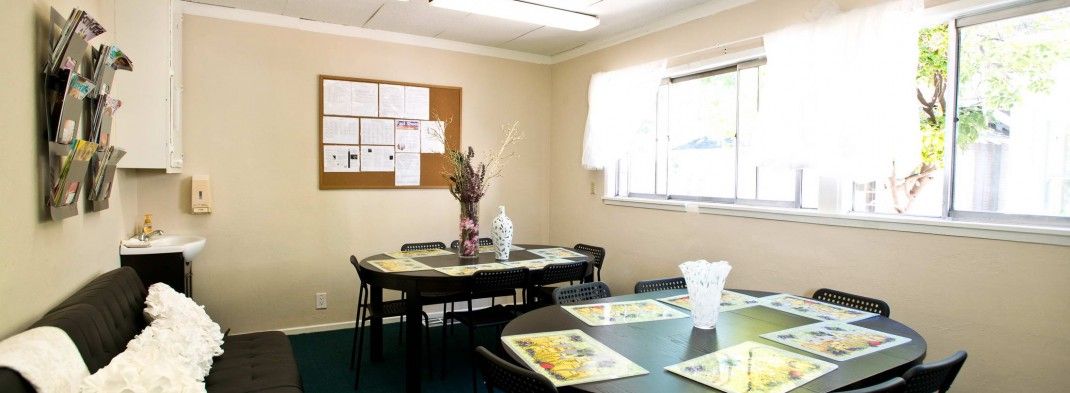
- The place looks nothing like the online pictures; appearances may seem clean on the surface, but cannot be trusted.
- Promise Assisted Living is described as terrible and severely understaffed, with almost no staff, no receptionist, and no nurses or doctors.
Review
Promise Assisted Living in Los Angeles is best suited for seniors who want steady daily support, accessible meals, and a sense of companionship without requiring high-acuity medical oversight. The strongest practical upside is the impression of constant company: staff interactions feel tangible, residents report visible attention, and meals are described as satisfying. In practice, families notice a clean environment and a rhythm of help that can reduce the anxiety of daily tasks. For households nearby, the ability to drop in and observe care offers reassurance that someone is looking after a loved one. In short, this community often delivers the basics well: presence, routine, and nourishment that make day-to-day life more manageable.
That said, Promise Assisted Living is not the best fit for those who demand unwavering staffing, meticulous safety controls, and fully transparent operations. Several reviews flag a difficult intake experience, with front-desk responsiveness that can feel dismissive and questions cut off early. Observations about an open exterior door, the lack of a formal sign-in process, and only sporadic front-office presence raise legitimate concerns about security and rapid response. For families prioritizing consistent supervision, rigorous safety protocols, and crystal-clear communication about care plans, alternatives should be prioritized.
The community’s positives, cleanliness, dependable meals, and the sense that help is nearby, do carry real weight in daily life. When staff are attentive and available, residents express meaningful comfort and reduced isolation. Those factors can offset routine inconveniences and create a livable, homelike atmosphere. Yet those advantages are tempered by reporting on staffing consistency and leadership. Understaffing rumors and anecdotes of turnover undermine reliability and can magnify the impact of any one shift going short-handed. The conclusion: the good moments are genuine, but they sit alongside recurring questions about stability and oversight.
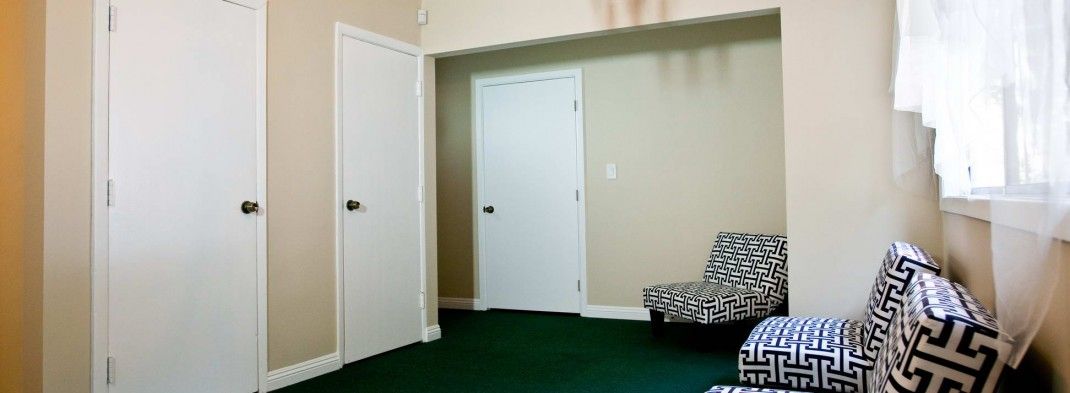
Safety and access concerns emerge as the decisive drawbacks. An open side entrance and sparse sign-in procedures translate into a real risk picture for wandering or unmonitored activity, especially during shift changes or busy periods. The back alley description, unpleasant odors and filth, does more than disappoint aesthetically; it signals broader environmental risks that can affect well-being and perception of the facility. These conditions can undermine trust in the care environment, even when residents appreciate the daily meals and social contact. Until access, supervision, and perimeter safety are demonstrably stronger, the facility’s positive flavors may not be enough to outweigh the potential hazards.
From a practical planning standpoint, families should approach with a rigorous checklist. Request the current staffing roster and a clear, enforceable caregiver-to-resident ratio, plus confirmation of on-site nursing coverage and accessibility for emergencies. Insist on comprehensive, measurable care plans with defined response times and a transparent incident-report flow, and verify the facility’s licensing status and any recent inspections. Engage multiple staff members and residents across different shifts to gauge consistency, and observe during peak times such as mealtime and activities when needs surge. The core question is whether the operation can sustain safe, attentive care reliably; if the answer remains uncertain, it is prudent to compare with other options.
Overall, Promise Assisted Living presents a mixed proposition: warmth, adequate meals, and routine assistance coexist with clear weaknesses in staffing stability and safety controls. For families that prize companionship and day-to-day comfort, and who can monitor conditions closely, it can be workable. For those whose priority is dependable supervision, rigorous safety measures, and consistent staffing, stronger confidence will come from other Los Angeles choices with clearer track records. The prudent path is a careful, multi-visit assessment, talk with residents, scrutinize staff schedules and incident logs, and review regulatory histories, before any commitment. If proceeding, treat the arrangement as a closely supervised engagement with explicit milestones and an exit plan if safety or consistency falters.
 22 resident community capacity
 Assisted Living
 Independent Living
 Memory Care
 Dogs allowed
 Activities off-site
 Bath tubs
 Beautician on-site
 Cable or satellite TV
 Devotional services off-site
 Dining room
 Fully furnished
 Garden
 Housekeeping services
 Indoor common areas
 Kitchenette
 Move-in coordination
 Outdoor common areas
 Respite or short term stays offered
 Restaurant-style dining
 Small library
 Telephone
 Wheelchair accessible showers
 Wi-Fi/high-speed internet available
 Los Angeles International (10 miles away)
 24-hour call system
 Assistance with bathing
 Assistance with dressing
 Assistance with transfers
 Diabetes diet
 Diabetic care
 Incontinence care
 Medication management
 Mental wellness program
 Special dietary restrictions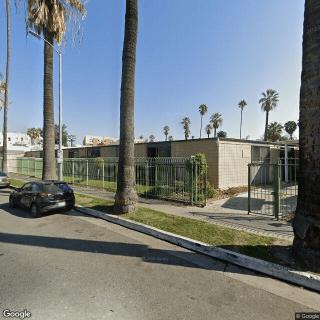






 Why Do Dementia Patients Sleep So Much? Understanding Oversleeping, Stages, and Care Approaches
 8 Key Indicators That Suggest It May Be Time to Transition from Assisted Living to Skilled Nursing Care
 Nourishing the Mind: Essential Dietary Approaches for Dementia