The Highlands At Wyomissing a CCRC Costs & Pricing
The Highlands At Wyomissing, a Continuing Care Retirement Community (CCRC), offers competitive pricing for its residents compared to the broader market in Berks County and across Pennsylvania. For studio accommodations, residents can expect to pay approximately $2,660 per month, significantly lower than the county average of $3,338 and the state average of $3,737. The one-bedroom units are available at $3,280, again presenting an attractive option relative to the county's $4,043 and the state's $4,006. For those seeking more spacious two-bedroom options, The Highlands is priced at $3,770 per month - substantially less than both Berks County's average of $4,289 and Pennsylvania's average of $4,242. Overall, The Highlands At Wyomissing stands out as a cost-effective choice for seniors looking for quality care and living arrangements in a vibrant community setting.
Floor plans
The Highlands At Wyomissing a CCRC
Berks County
Pennsylvania
Studio
$2,660
$3,338
$3,737
1 Bedroom
$3,280
$4,043
$4,006
2 Bedrooms
$3,770
$4,289
$4,242
Memory care communities with a similar price nearby
Overall Review of The Highlands At Wyomissing a CCRC
common6 reviews mention this
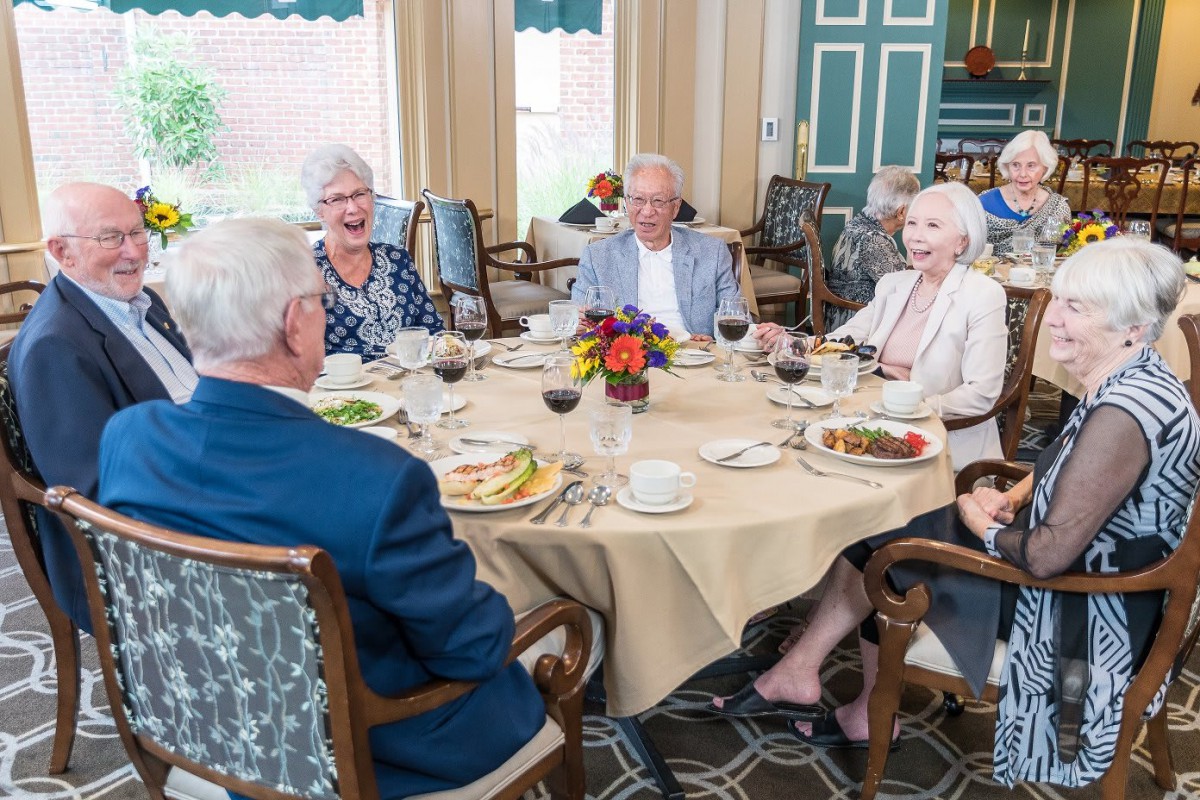
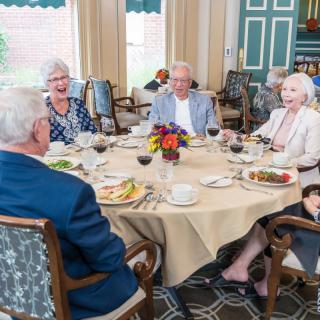
Dining feels restaurant-style
Meals are described as restaurant-style and enjoyable, even when service lapses.
Several residents and visitors describe the dining room and bistro as feeling like a restaurant, with food that they considered very good or better than expected. Multiple reviews mention included meals, and one notes having options like meal credits. A smaller number of diners complain about long waits and slow service in the bistro, including under-apologizing service when they felt behind.
caveat8 reviews mention this
Staffing and updates are inconsistent
Residents and families describe staffing and communication gaps during care needs.
Some families report care breakdowns tied to staffing, including a long wait for basic help and reports of staff being understaffed or overworked. Others describe missed or delayed communication after incidents, such as falls and lack of follow-up updates to family. Even in reviews that find individual employees kind, several comments still point to moments when care logistics did not feel reliable.
caveat4 reviews mention this
Care for memory and diabetes
Residents in memory care are described with mixed results around dementia support.
A few reviews specifically question how well memory care handles dementia-related needs, including concerns about staff experience and responsiveness. One review also raises worries about diabetic diet attention and blood sugar checking, alongside general dissatisfaction with how care was carried out. By contrast, other reviewers describe good care and therapy in skilled nursing or assisted living, suggesting the experience may vary depending on circumstances and staffing at the time.
common7 reviews mention this
Clean facility is a recurring plus
Many reviewers mention the facility feels clean and well cared for.
Many visitors highlight cleanliness and upkeep, describing the building as spotless, well maintained, and not smelling like a typical nursing home. Others focus on the look and care of common areas and grounds. A smaller set of reviews go the other direction, citing issues like pests and mold that they felt the community did not address adequately.
caveat4 reviews mention this
Cost still feels high
Even with available tiers, some families felt the community was too costly.
Several reviews mention cost as a reason they did not move in or would not recommend without confirming value for their situation. One reviewer describes the facility as exceeding their budget, while another calls it a little too expensive. There are also comments that additional items or services can add up, contributing to the sense that the total cost may be higher than expected.
How we summarize
Counts show how many written reviews mention each theme; a review can touch several themes, and only frequently mentioned themes are displayed.
Features
Housing
1-bedroom apartments
2-bedroom apartments
3-bedroom apartments
Detached homes
Studio apartments
Types of Care
Assisted Living
Independent Living
Memory Care
Pets
Cats allowed
Dogs allowed
Amenities
Activities off-site
Activities on-site
Air-conditioning
Bath tubs
Beautician on-site
Cable or satellite TV
Computer center
Devotional services off-site
Devotional services on-site
Full kitchen
Garden
Ground floor units
Guasts at mealtime
Hiking trails
Housekeeping services
Indoor common areas
Kitchenette
Laundry
Outdoor common areas
Overnight guests
Resident parking
Respite or short term stays offered
Swimming pool
Swimming pool / hot tub
TV room
Wheelchair accessible showers
Transportation
Transportation & parking
Care Services
Ambulatory care
Diabetic care
Incontinence care
Medication management
Dining
Gluten-free
Guest meals
Kosher
Low / no sodium
Meals provided
No Sugar
Professional chef
Restaurant style dining
Room service
Special dining programs
Vegetarian
Activities
Art classes
Arts and crafts
Day trips and outings
Devotional activities offsite
Devotional activities on-site
Educational speakers / life long learning
Happy hour
Jewish services
Live well programs
Protestant services
Visiting Rabbi
Visiting chaplain or priest
Wine tasting
Nearby Places of Interest
This area of Wyomissing, Pennsylvania offers a range of amenities that may be attractive to seniors looking for a convenient and comfortable living environment. With a variety of restaurants nearby such as Arby's and Jimmy G's Beverly Hills Tavern, seniors can enjoy dining out without having to travel far. Additionally, there are several pharmacies in close proximity for easy access to medication and healthcare needs. In terms of healthcare services, there are various physicians' offices and hospitals available within a short distance, including Reading Hospital which offers specialized care. For leisure activities, several parks and cafes provide opportunities for relaxation and socializing. Overall, this part of Wyomissing provides a well-rounded community with essential services and recreational options that may cater to the needs of seniors seeking a supportive and engaging environment for their retirement years.
Restaurants
Arby's (0.3 miles)
Schaylor Brewing Company (0.9 miles)
Jimmy G's Beverly Hills Tavern (1 miles)
V & S Sandwich Shop (1.3 miles)
Friendly's (1.4 miles)
Liberty Ale House (1.4 miles)
Wyomissing Family Restaurant (1.8 miles)
Pharmacies
Walgreens (0.3 miles)
Medicine Shoppe Pharmacy of Shillington (0.6 miles)
The Highlands At Wyomissing, a Continuing Care Retirement Community (CCRC), offers competitive pricing for its residents compared to the broader market in Berks County and across Pennsylvania. For studio accommodations, residents can expect to pay approximately $2,660 per month, significantly lower than the county average of $3,338 and the state average of $3,737. The one-bedroom units are available at $3,280, again presenting an attractive option relative to the county's $4,043 and the state's $4,006. For those seeking more spacious two-bedroom options, The Highlands is priced at $3,770 per month - substantially less than both Berks County's average of $4,289 and Pennsylvania's average of $4,242. Overall, The Highlands At Wyomissing stands out as a cost-effective choice for seniors looking for quality care and living arrangements in a vibrant community setting.
Incontinence care is essential for residents with dementia or Alzheimer's disease, as it helps to maintain dignity, comfort, and hygiene, which can significantly reduce stress and anxiety often associated with these conditions. Providing personalized incontinence support ensures that residents feel secure and cared for, while also minimizing the risk of skin issues or infections. Medication management plays a crucial role in enhancing residents' overall well-being by ensuring that they receive the correct medications at the appropriate times. This oversight is vital for individuals with cognitive impairments who may have difficulty remembering their medication schedules or understanding dosage instructions. By addressing these critical aspects of daily living, The Highlands At Wyomissing fosters an environment that promotes health, safety, and quality of life for its memory care residents.
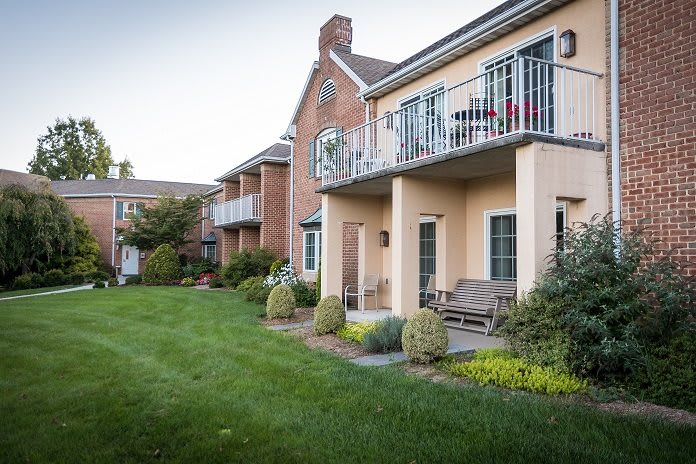
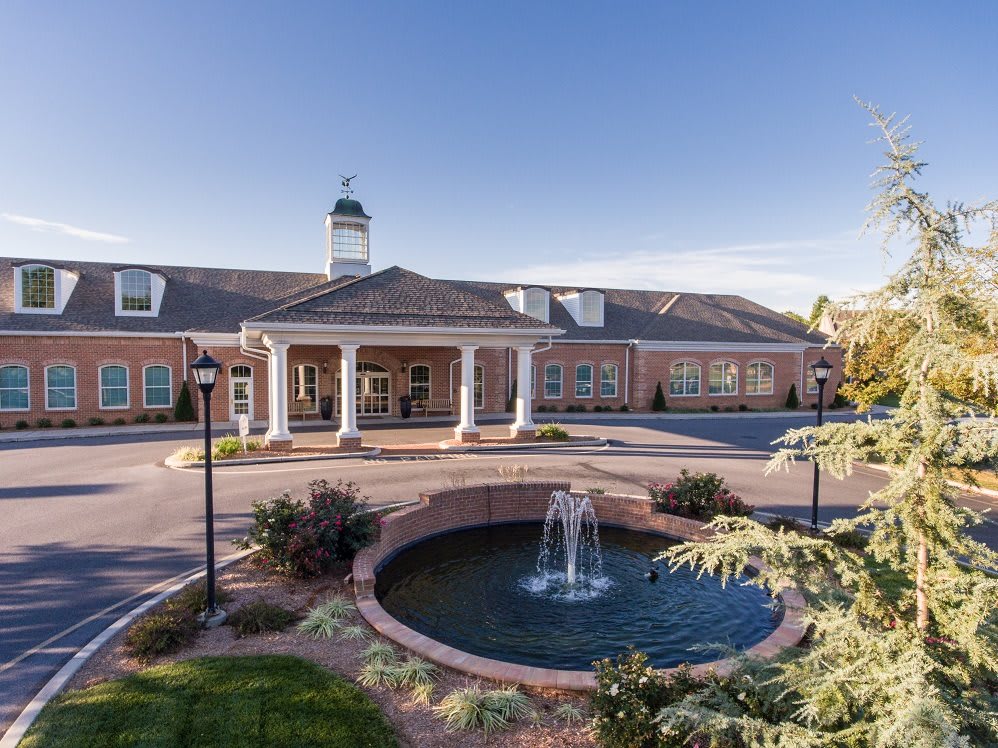
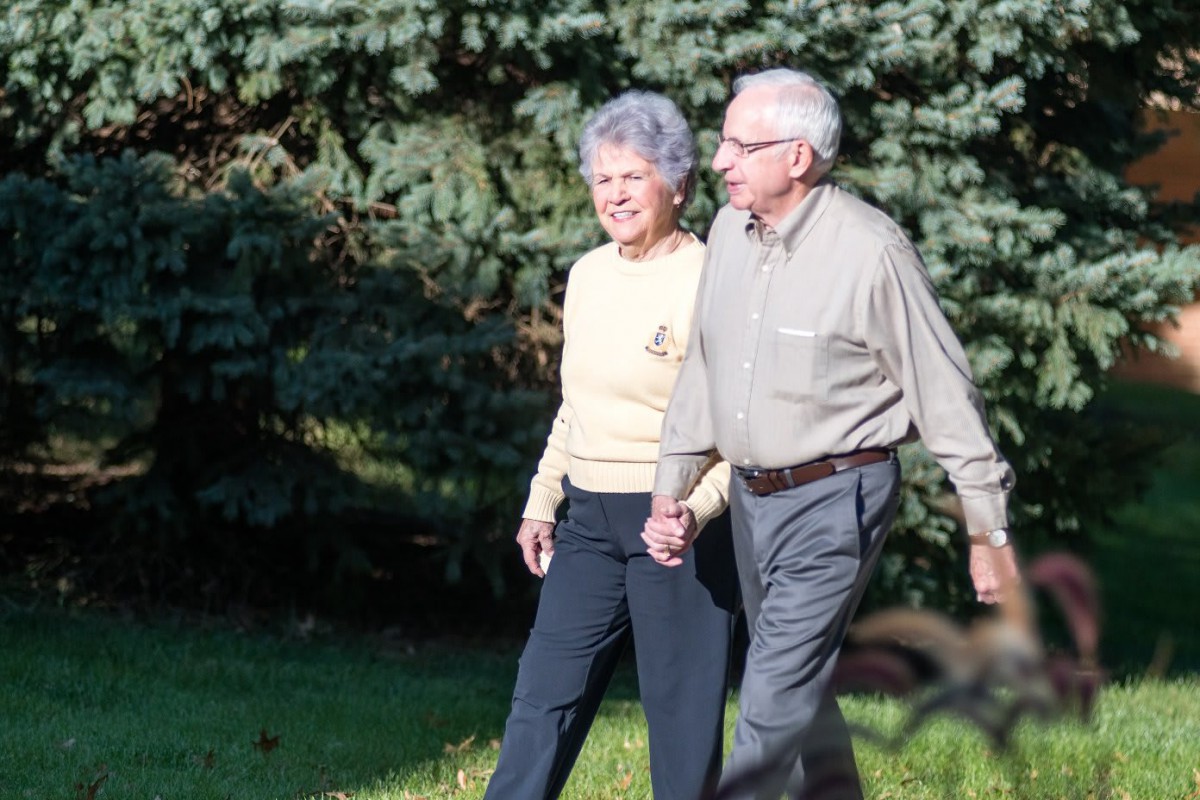
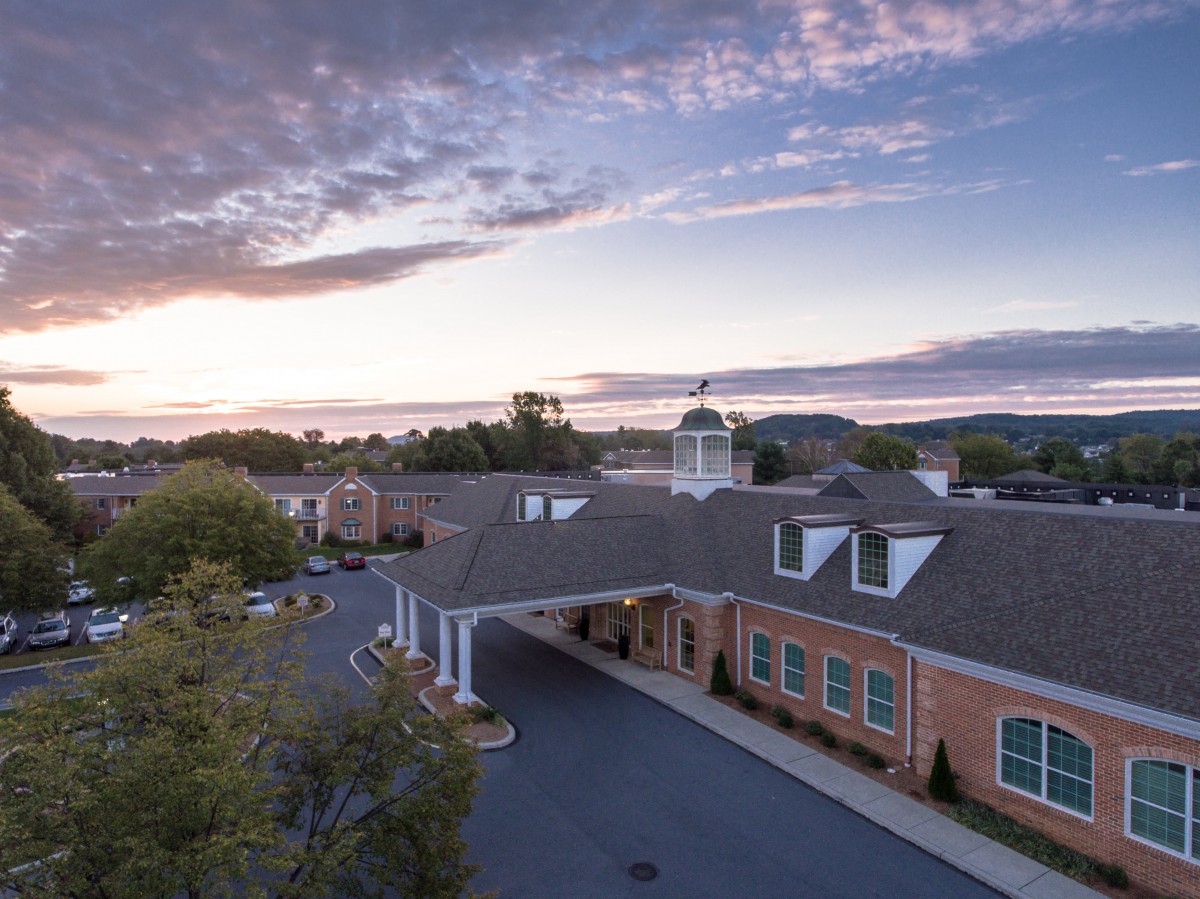
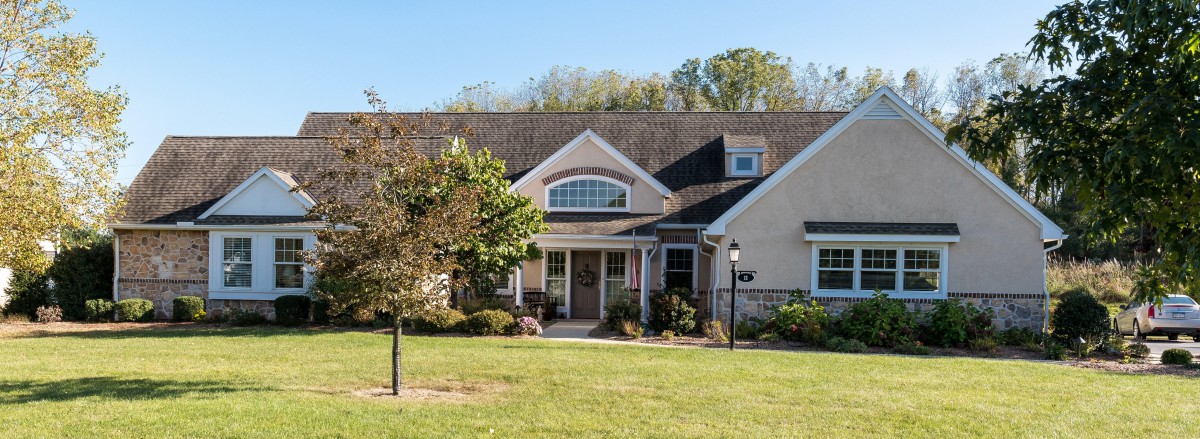
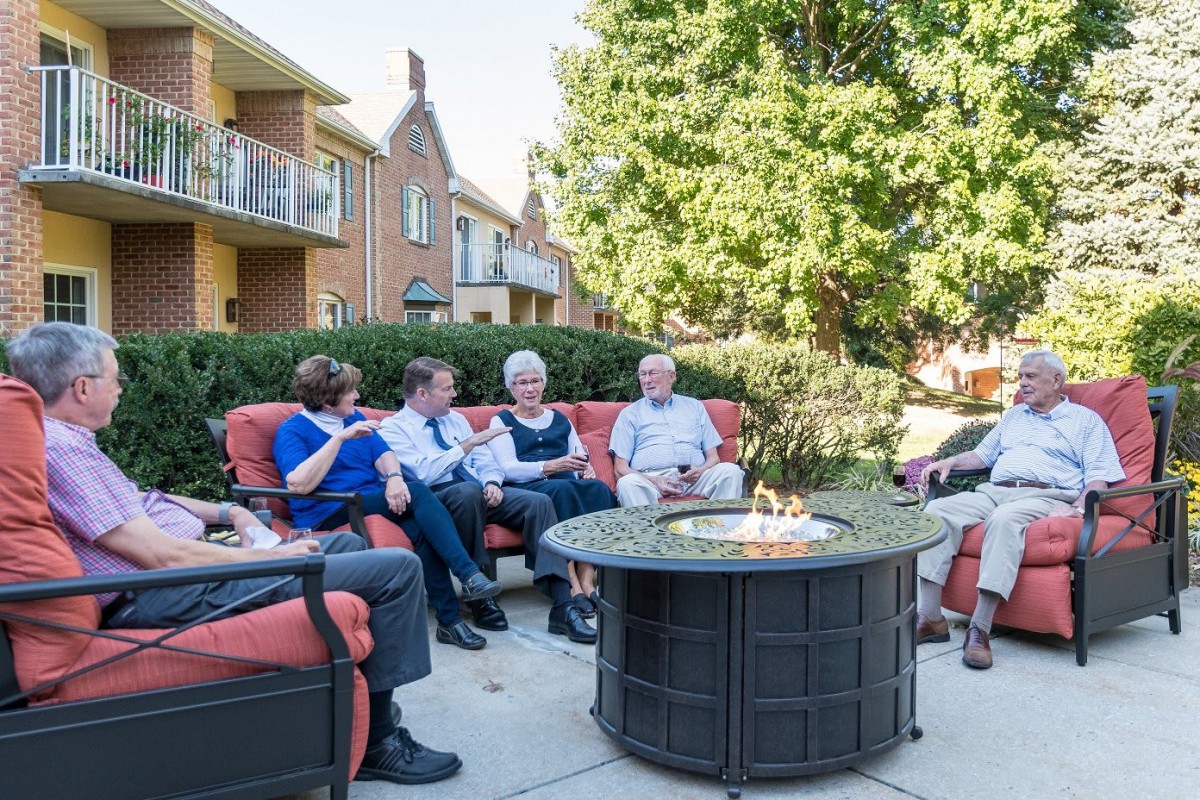
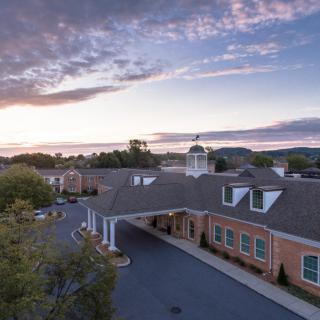
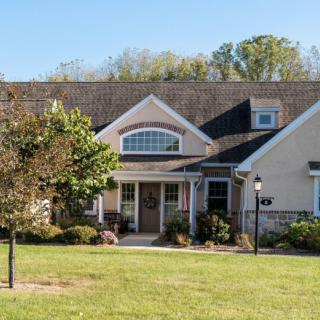
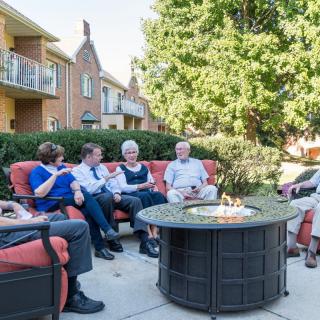
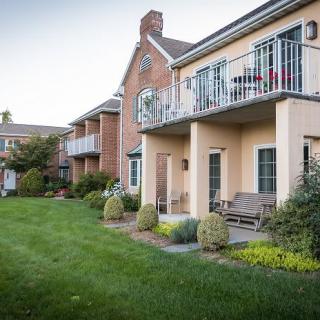
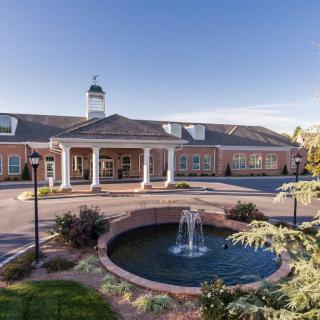
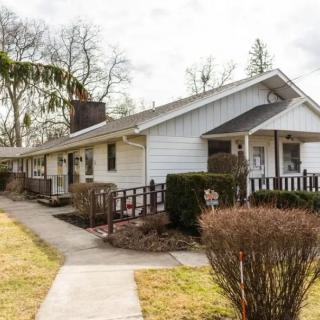
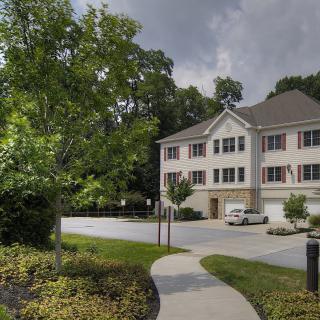
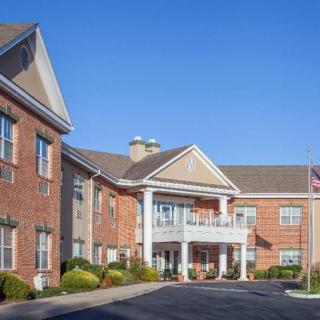
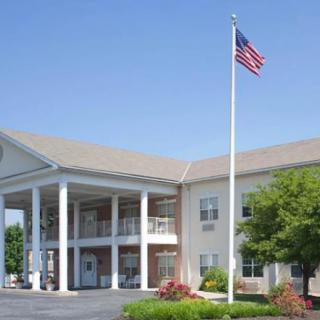
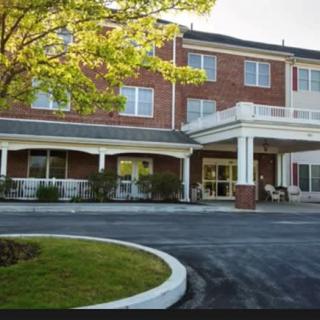
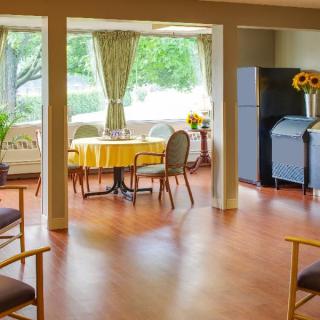
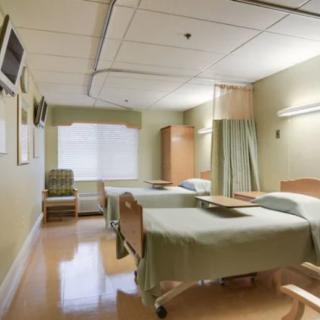
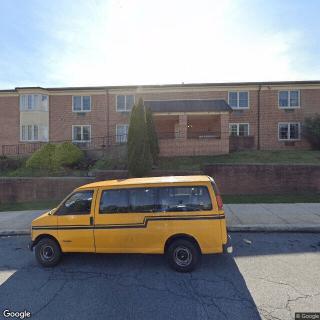
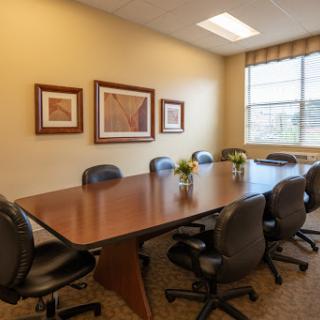
The Highlands At Wyomissing a CCRC on seniors.fyi includes 9 photos including images showing architecture, landscaping, trees, exterior, building, fitness, outdoor, seating, and more.
Nearby Communities
The Highlands At Wyomissing Personal Care Facility
Reading, PA
3.6 from 38 reviews
Continuum of care (AL/CCRC/SNF) with extensive amenities and 24/7 support.
Mifflin Court
Shillington, PA
4.8 from 93 reviews
$3,450 to $5,880 / month
Friendly staff, clean environment, and engaging activities with good dining.
Mifflin Center
Shillington, PA
3.6 from 129 reviews
Some staff are caring and provide timely updates to families.
The Villa St Elizabeth
Reading, PA
3.7 from 26 reviews
$1,500 to $2,000 / month
Beautiful, mansion-like setting with friendly staff and well-kept grounds.
United Disabilities Services
Sinking Spring, PA
$6,900 / month
Close access to numerous amenities and extensive healthcare options, with disability-focused support.
Manorcare Health Services - Sinking Spring
Sinking Spring, PA
3.8 from 117 reviews
Extensive on-site amenities and 24/7 care.
Wyomissing Health And Rehabilitation Center
Reading, PA
3.9 from 114 reviews
Broad services and amenities with a focus on Alzheimer's care.
Spruce Manor Nursing & Rehabilitation Center
West Reading, PA
Extensive amenities and around-the-clock care in West Reading.
Morris Pace Personal Care
Reading, PA
2.6 from 5 reviews
Clean, homey atmosphere with good services and enjoyable dining.
Reminiscence therapy is a structured method for older adults, especially those with dementia, to share life stories using prompts and sensory cues, fostering emotional well-being, social engagement, and self-identity. It aims to improve quality of life by enhancing interpersonal connections and cognitive stimulation while requiring careful facilitation to avoid distressing memories.
Dementia, particularly Lewy body dementia, often involves hallucinations that can significantly distress both patients and caregivers due to disruptions in sensory processing and neurotransmitter imbalances. Effective management includes compassionate communication, environmental adjustments, and a multidisciplinary approach to care while addressing the emotional needs of caregivers.
Alzheimer’s disease is a progressive neurological disorder that significantly impacts memory and cognitive functions, accounting for 60-80% of dementia cases, with early diagnosis being crucial yet challenging. It involves brain changes like beta-amyloid plaques and tau tangles, influenced by genetic and lifestyle factors, and while there is no cure, symptom management and support for caregivers are essential.
Get PricingAsk A QuestionSchedule A TourContact Senior Advisor
By clicking submit, you agree to our Partner's Terms of Use. You
also consent to receive calls and texts, which may be autodialed, from our Partner. Your consent is not a condition to
using our Partner's service. Please visit our Partner's Privacy Policy for information about their privacy practices.



 1-bedroom apartments
 Detached homes
 Assisted Living
 Independent Living
 Memory Care
 Cats allowed
 Dogs allowed
 Activities off-site
 Air-conditioning
 Bath tubs
 Beautician on-site
 Cable or satellite TV
 Computer center
 Devotional services off-site
 Full kitchen
 Garden
 Ground floor units
 Guasts at mealtime
 Hiking trails
 Housekeeping services
 Indoor common areas
 Laundry
 Outdoor common areas
 Overnight guests
 Resident parking
 Respite or short term stays offered
 Swimming pool
 Wheelchair accessible showers
 Transportation & parking
 Ambulatory care
 Diabetic care
 Incontinence care
 Medication management
 Gluten-free
 Art classes
 Day trips and outings
 Educational speakers / life long learning
 Happy hour
 Jewish services
 Live well programs
 Protestant services
 Wine tasting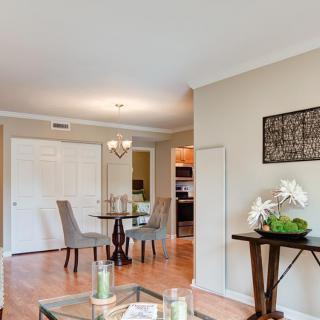
 Continuum of care (AL/CCRC/SNF) with extensive amenities and 24/7 support.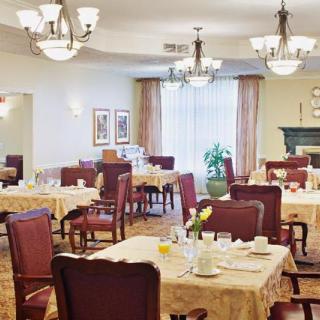



 An In-Depth Look at Reminiscence Therapy in Dementia Care
 Dementia-Related Hallucinations: Causes, Experiences, and Practical Approaches
 Illuminating Insights About Alzheimer's Disease: Ten Crucial Realities