2000 Cambridge Avenue, Reading, PA 19610
For more information about senior living options: (866) 208-4318
Overall Review of The Highlands At Wyomissing Personal Care Facility
Pros
 The Highlands of Wyomissing earns a five-star rating for its warm, welcoming atmosphere and caring community.
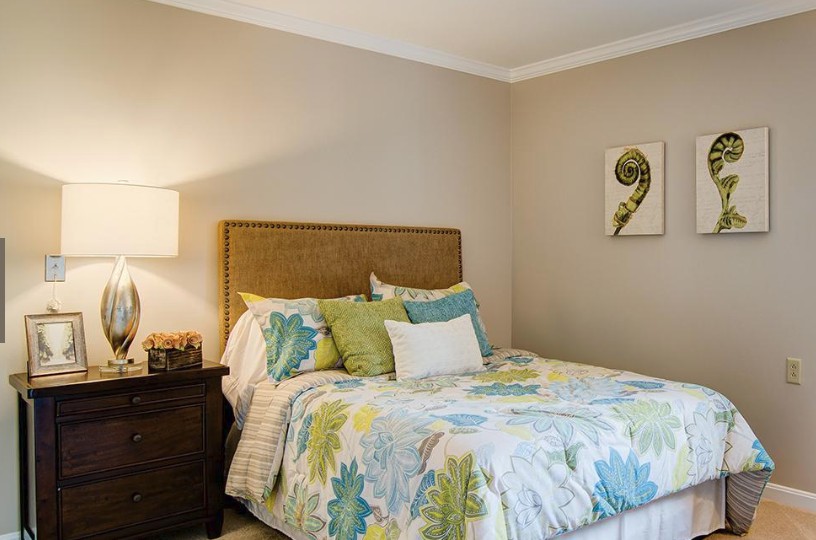
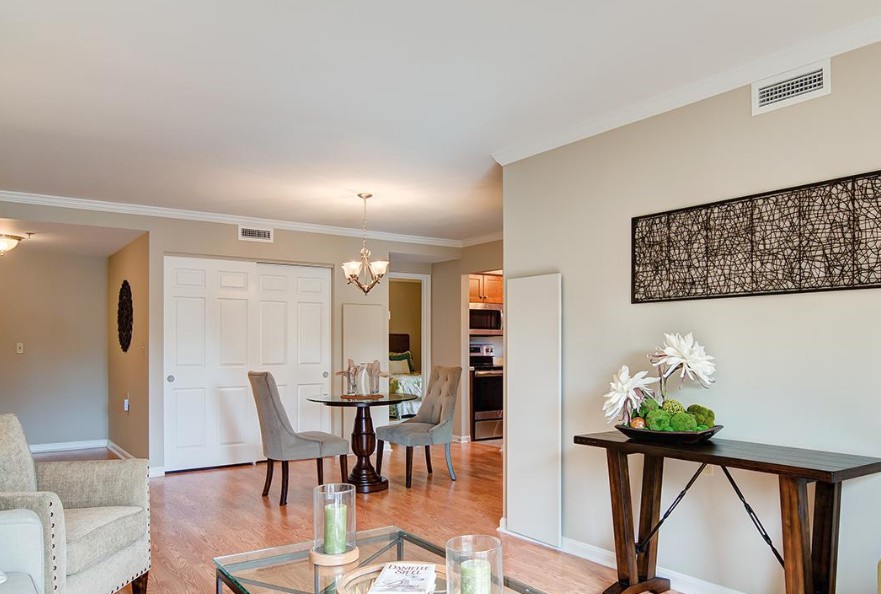
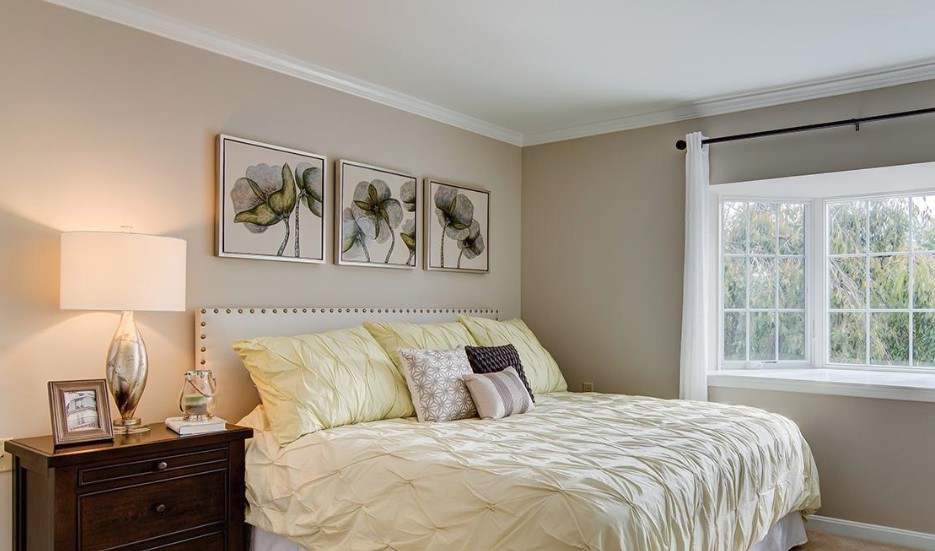
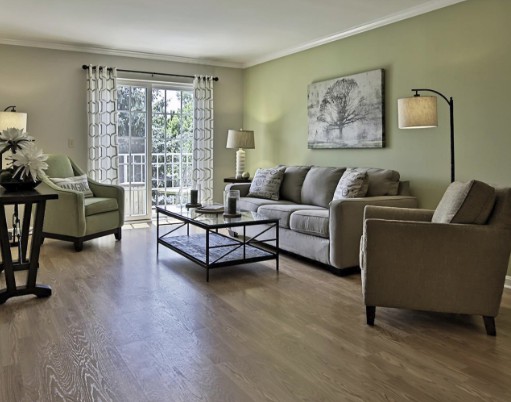
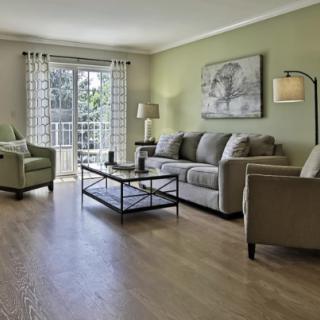
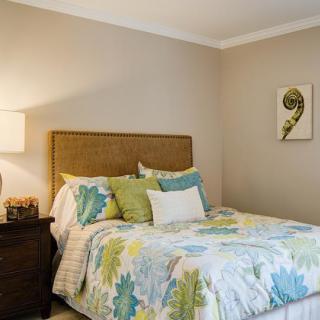
- The facilities are top-notch, with spacious, well-maintained living spaces and a wide range of activities and amenities.
- The Highlands staff is exceptional, providing unparalleled support and genuine concern for residents' happiness.
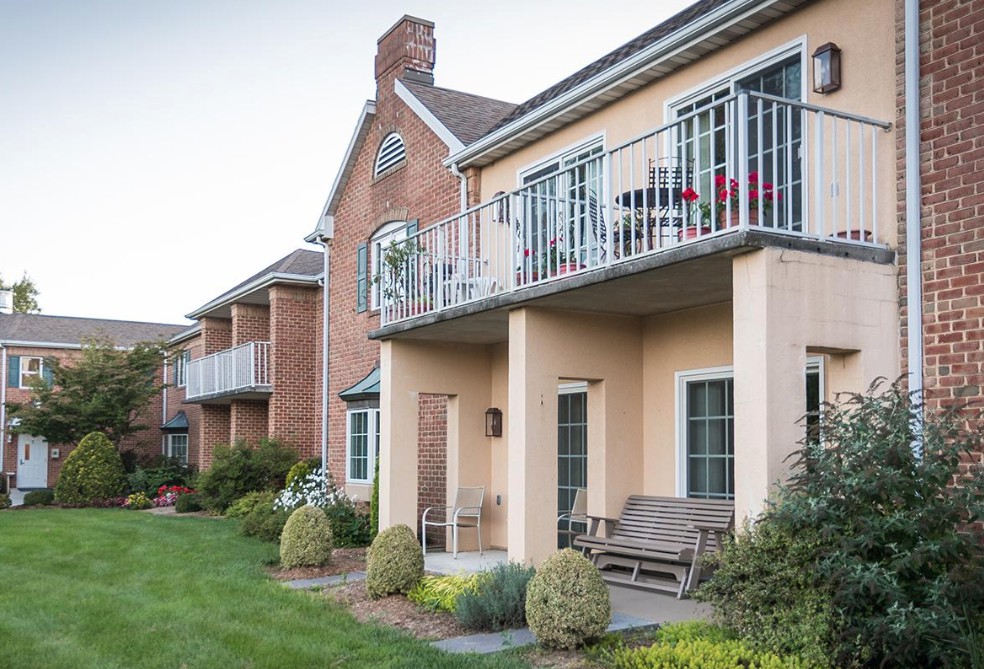
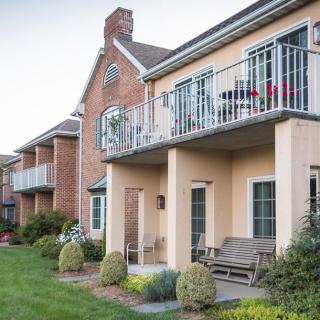
- The grounds are beautifully landscaped, and the center offers a fitness center and engaging social events for an active, fulfilling lifestyle.
- The Highlands' skilled nursing wing provides good care and therapy, including physical and occupational therapy.
- The facility is very clean, with a pleasant and helpful staff.
- It is a beautiful retirement community that provides all stages of care as needed, with on-site programs and engaging trips.
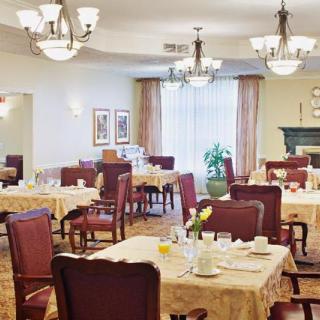
- The bistro serves very good food, as noted by visitors.
- The interior is immaculate, contributing to a high-quality, inviting environment.
Cons
 They waited almost two hours for their food at the Bistro, described as very understaffed with poor service.
- The waitress did not come to the table for 45 minutes.
- The food was underseasoned and dry.
- They were not told the kitchen was behind and received no apology.
- They should not go to the Bistro unless they have hours to waste.
- Aspire care is substandard for caring for a 97-year-old with memory issues, with the resident left without toilet paper for days.
- There are many issues and the staff do not seem on the ball; donations are solicited and people may be treated according to their donation.
- Memory-care staff lack dementia experience; nurses are overworked and delays in assistance occur.
- Residents are not helped with basic hygiene; even with 21 shifts a week, help is not available when needed.
Review
The Highlands At Wyomissing is best suited for affluent seniors who want a polished, resort-like retirement on a single campus and appreciate the security of a full continuum of care, from independent living through rehabilitation and skilled nursing. The environment is upscale, with spacious living spaces, landscaped grounds, on-site shops, and a dining scene that feels like a high-end destination. For families seeking aging-in-place confidence, the ability to transition between care levels without moving off campus is compelling. It works best for those who prize a robust activity calendar, social connectedness, and a campus culture that emphasizes refined surroundings, rather than bare-bones care.
That said, prospective residents should consider alternatives, especially if memory-care quality and predictable pricing are non-negotiables. Several reviews flag concerns about consistent, attentive care for residents with memory issues, describing overworked staff, slow response times, and lapses in basic daily assistance. The financial side also stands out as a potential hurdle: mentions of donations, frequent add-ons, and charged services that aren’t transparently defined. Families evaluating this community should contrast it with smaller operators or facilities that offer dedicated dementia programs, clearer pricing, and more predictable monthly costs, particularly if dementia care or tight budget constraints are central concerns.
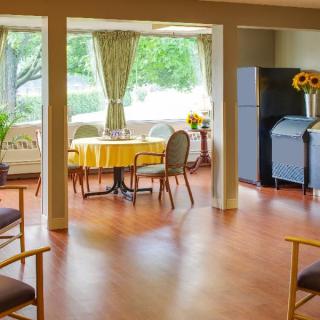
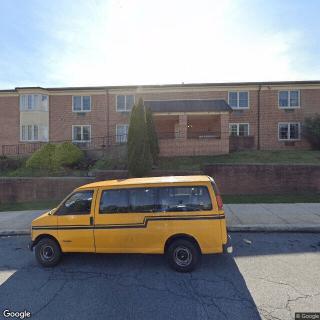
Physically, the Highlands delivers on the promise of an aesthetically pleasing, well-maintained campus. The design is praised for ease of navigation across wings, spacious, comfortable living areas, and amenities that promote independence and social engagement. A restaurant-style Bistro, fitness offerings, scenic grounds, and intimate shopping venues contribute to a sense of daily life on a refined campus rather than in a sterile institution. In many accounts, staff, where available, conduct themselves with professionalism and warmth, and the skilled-nursing wing has produced positive outcomes for residents requiring rehab services. Taken together, these elements can offset the sense of formality with a genuine feeling of community.
Yet the negatives carry substantial weight in decision-making. Staffing pressures appear repeatedly: understaffing across shifts, delayed assistance, and calls for help sometimes going unanswered. Dining service, while often praised in descriptions of ambiance, can suffer from slow service and insufficient wait staff, affecting meals and overall satisfaction. Maintenance and safety concerns surface in some reviews as well, including mold allegations and disputes over billing. The combination of high cost and perceived service gaps creates a risk that the upscale veneer won’t translate into consistently reliable daily care, particularly for residents with higher care needs or dementia.
Ultimately, The Highlands can be a compelling choice for families prioritizing an upscale, all-in-one campus with a broad range of services and an active social life. For active seniors who want on-site therapies, diverse programming, and convenient access to care without relocating, the environment can deliver real value. The presence of a rehab and skilled-nursing wing on the same property is a meaningful asset for those planning for evolving needs. The decisive question centers on the reliability and transparency of care in memory configurations, and whether the perceived luxury justifies the ongoing cost given mixed reports about staffing and day-to-day operations. When aligned with priorities, Highlands remains a strong candidate; when concerns about memory-care quality or cost predictability loom large, cautious exploration of alternatives is advised.
Practical next steps involve targeted, problem-focused due diligence. Tour with a plan to gauge staffing ratios, call-button responsiveness, and the quality of memory-care services by speaking with front-line staff and current residents’ families. Request a comprehensive, line-item pricing sheet that clearly separates base fees from add-ons, and confirm what is included in dining, activities, transportation, and therapies. During visits, sample meals, observe service cadence, and ask to meet residents who have lived there through multiple care levels. Probe about maintenance responsiveness and any ongoing facility improvements, especially related to air quality and mold concerns. Finally, compare the contract closely with similar communities in Reading to ensure that the choice delivers both the lifestyle and the dependable care trajectory that families expect.
 75 resident community capacity
 Assisted Living
 Continuing Care Retirement Community (CCRC)
 Respite Care
 Skilled Nursing Facility
 Air-conditioning
 Beauty salon
 Cable or satellite TV
 Computer center
 Dining room
 Fitness room
 Fully furnished
 Gaming room
 Garden
 Housekeeping services
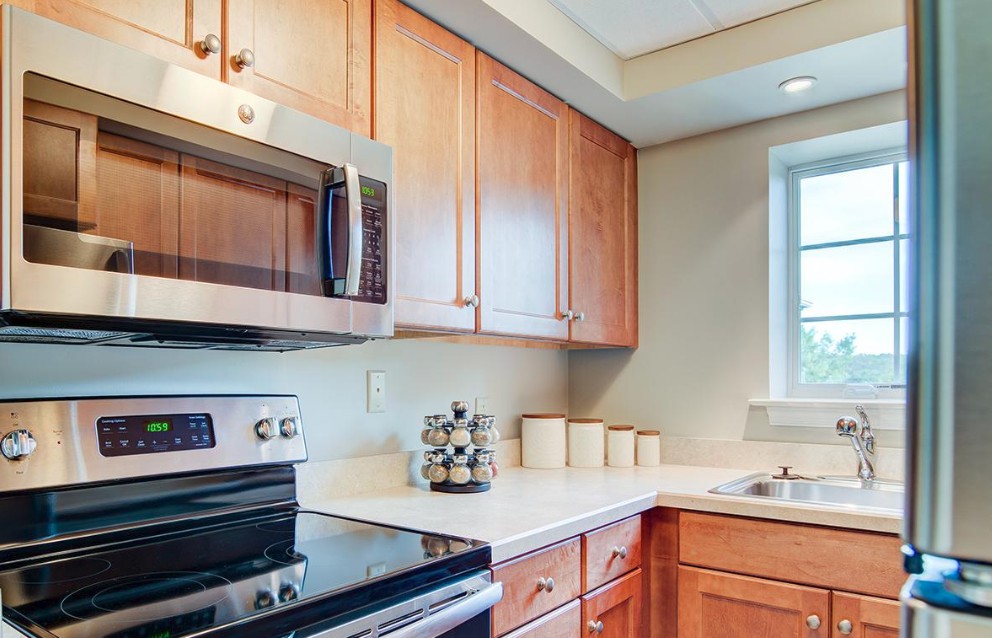
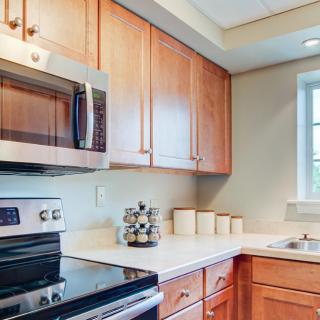
 Kitchenette
 Move-in coordination
 Outdoor space
 Private bathrooms
 Restaurant-style dining
 Small library
 Telephone
 Wellness center
 Wi-Fi/high-speed internet available
 Community operated transportation
 12-16 hour nursing
 24-hour call system
 Activities of daily living assistance
 Assistance with bathing
 Assistance with dressing
 Assistance with transfers
 Diabetes diet
 Medication management
 Mental wellness program
 Special dietary restrictions
 Concierge services
 Planned day trips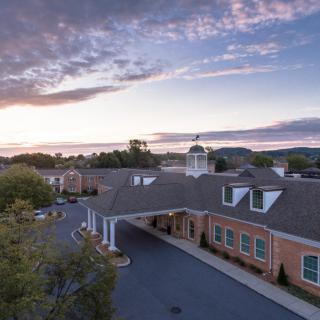




 Comprehensive Supportive Living Arrangements for Adults with Disabilities
 Funding and Affording Assisted Living: A Thorough Overview
 Assisted Living Expenses and Long-Term Care Insurance: A Comprehensive Exploration