Wyomissing Health And Rehabilitation Center Costs & Pricing
Wyomissing Health and Rehabilitation Center offers private room accommodations at a competitive monthly rate of $5,760. This cost is notably lower than the average for Berks County, which stands at $6,898, highlighting Wyomissing's commitment to providing quality care at a more affordable price. When compared to the overall state average in Pennsylvania of $4,890 for similar facilities, Wyomissing's pricing reflects not only the premium services offered but also the center's strategic positioning within the local market. This combination ensures that residents receive attentive care in a comfortable environment without straining their financial resources excessively.
Floor plans
Wyomissing Health And Rehabilitation Center
Berks County
Pennsylvania
Private
$5,760
$6,898
$4,890
Overall Review of Wyomissing Health And Rehabilitation Center
common20 reviews mention this
Care team is frequently praised
Residents and families frequently describe the staff as kind, patient, and attentive.
Many reviewers describe a welcoming environment and staff members who treat residents with respect and kindness. Multiple comments highlight nurses and nursing assistants who introduce themselves, answer questions, and help families feel comfortable. A few reviewers also name the Director of Nursing as a positive presence, describing leadership that shows up in day-to-day care.
common15 reviews mention this
Facility cleanliness comes up often
Cleanliness is repeatedly mentioned, with visitors describing a well-kept building.
Several reviews specifically call out that the facility is clean, neat, and well maintained. A number of families also connect that cleanliness with feeling more comfortable during rehab and recovery. At the same time, there are negative mentions about dirtiness in at least a few reviews, so cleanliness is not uniformly described.
common3 reviews mention this
Activities and ceremonies matter
Residents can get involved through planned activities and community events.
Reviews mention structured activities and opportunities to participate, including events that celebrate veteran residents. Families also reference staff involvement in activities and describe programs as engaging. This lines up with the community’s planned daily activities and resident-run options.
caveat5 reviews mention this
Food quality and diet accuracy vary
Dining experiences are mixed, including complaints about food quality and diet mistakes.
Some reviewers say the food is not good or that what appears on a menu does not match what arrives on a tray. Others describe problems with dietary restrictions, including wrong snacks and concerns about texture needs for swallowing. While the community offers diabetes and special-diet options, the reviews show that families’ experiences with meal accuracy and consistency can differ.
caveat6 reviews mention this
Communication and staffing concerns recur
Some families report gaps in responsiveness and communication during stays.
A set of negative reviews describe call bells not being answered and delayed returns of messages, sometimes requiring involvement from higher management. Others mention limited attention at night or weekend staffing and long wait times after calling for help. Several reviews also complain about missing updates, slow follow-through on concerns, or lack of information sharing with families.
caveat2 reviews mention this
Physical therapy experiences are uneven
A couple of reviews directly question the quality of physical therapy support.
One reviewer says the community is not recommended for therapy due to poor communication and call bell responsiveness. Another review complains that physical therapy was not effective in getting the resident out of bed over multiple days. These concerns focus specifically on therapy during rehab stays rather than on the overall facility experience.
common2 reviews mention this
Nearby medical and community options
Medical and community destinations are relatively close by.
Reviewers are local visitors and family members rather than distance-based travelers, and the area includes nearby medical and community destinations. The listing also places multiple healthcare options within about a half mile, which can help keep essential appointments convenient.
How we summarize
Counts show how many written reviews mention each theme; a review can touch several themes, and only frequently mentioned themes are displayed.
Features
Housing
103 resident community capacity
Types of Care
Skilled Nursing Facility
Amenities
Air-conditioning
Beauty salon
Cable or satellite TV
Computer center
Dining room
Fitness room
Fully furnished
Gaming room
Garden
Housekeeping services
Kitchenette
Move-in coordination
Outdoor space
Private
Private bathrooms
Restaurant-style dining
Small library
Telephone
Wellness center
Wi-Fi/high-speed internet available
Transportation
Community operated transportation
Transportation arrangement
Transportation arrangement (non-medical)
Transportation to doctors appointments
Care Services
12-16 hour nursing
24-hour call system
24-hour supervision
Activities of daily living assistance
Assistance with bathing
Assistance with dressing
Assistance with transfers
Diabetes diet
Meal preparation and service
Medication management
Mental wellness program
Special dietary restrictions
Dining
Diabetes diet
Special dietary restrictions
Activities
Community-sponsored activities
Concierge services
Fitness programs
Planned day trips
Resident-run activities
Scheduled daily activities
Nearby Places of Interest
This area of Reading, Pennsylvania offers a convenient location with a variety of amenities within close proximity. With several medical facilities in the vicinity, including physicians specializing in women's health, cardiology, and neurology, seniors can easily access quality healthcare services. The presence of pharmacies such as CVS and Rite Aid also ensures easy access to medications. In addition to healthcare services, there are parks like the Reading Public Museum Arboretum for leisurely strolls and relaxation. Several dining options ranging from cafes like Third & Spruce Cafe to restaurants like Liberty Ale House provide residents with diverse culinary choices. Overall, this area offers a combination of essential services and recreational opportunities that cater to senior living needs.
Physicians
Women's Lifecycles (0.3 miles)
Berks General Medical Group (0.3 miles)
Cardiology Associates of West Reading (0.6 miles)
Family Health Care Center of The Reading Hospital (0.6 miles)
RPS Cardiothoracic Surgery (0.6 miles)
Berks Colorectal Surgical Associates (0.6 miles)
Reading Neurological Associates (0.6 miles)
Hospitals
Reading Hospital Sleep Center (0.3 miles)
Central Monitoring Room (0.5 miles)
TRHMC C-Building 3rd Floor (0.6 miles)
The Reading Hospital (0.6 miles)
Reading Nursing Center Loc. 4 (0.7 miles)
Beginnings Maternity Center (0.8 miles)
Reading Hospital Regl Cancer (0.8 miles)
Parks
Reading Public Museum Arboretum (0.5 miles)
Museum Park (0.8 miles)
Red Caboose Park (2.7 miles)
Restaurants
Employee Cafe (0.6 miles)
Third & Spruce Cafe (0.7 miles)
Liberty Ale House (0.8 miles)
Friendly's (0.8 miles)
Brewer's Bar & Grill (0.8 miles)
V & S Sandwich Shop (0.9 miles)
Gna Pizzeria (0.9 miles)
Pharmacies
CVS Pharmacy (0.6 miles)
Rite Aid (1 miles)
Berks Discount Pharmacy (1.4 miles)
CVS Pharmacy (1.4 miles)
Medicine Shoppe Pharmacy of Shillington (1.7 miles)
Wyomissing Health and Rehabilitation Center offers private room accommodations at a competitive monthly rate of $5,760. This cost is notably lower than the average for Berks County, which stands at $6,898, highlighting Wyomissing's commitment to providing quality care at a more affordable price. When compared to the overall state average in Pennsylvania of $4,890 for similar facilities, Wyomissing's pricing reflects not only the premium services offered but also the center's strategic positioning within the local market. This combination ensures that residents receive attentive care in a comfortable environment without straining their financial resources excessively.
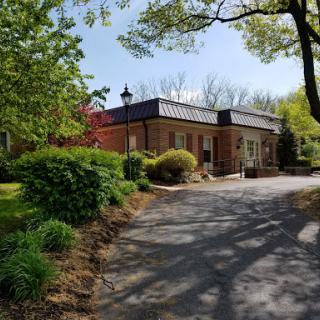
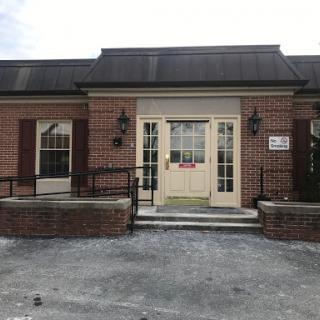
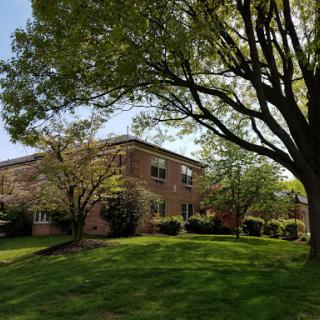
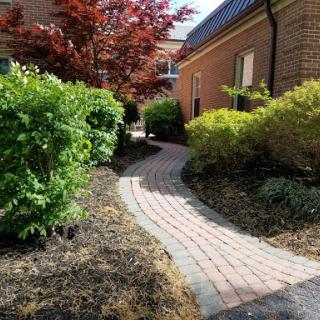
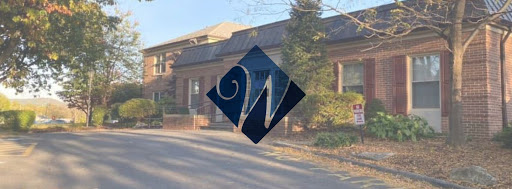
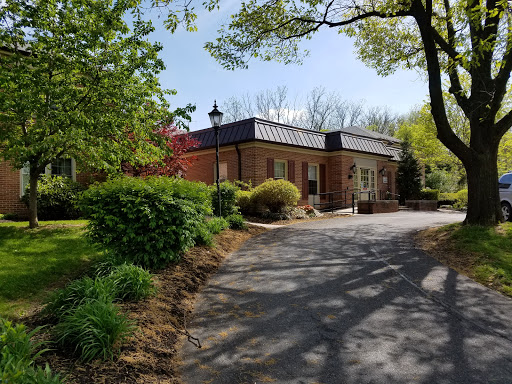
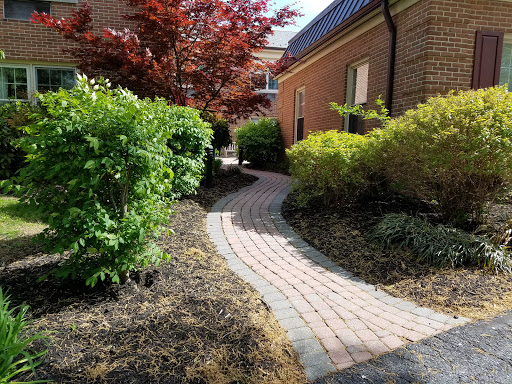
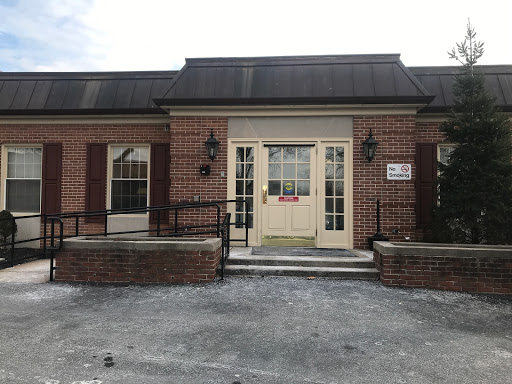
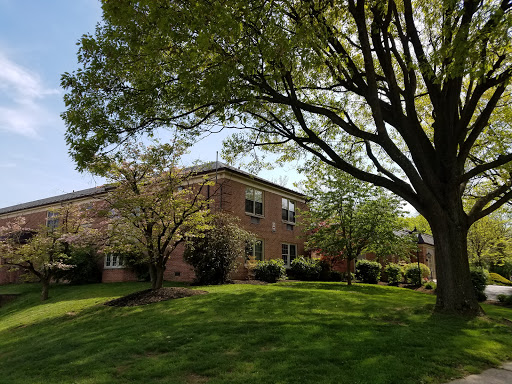
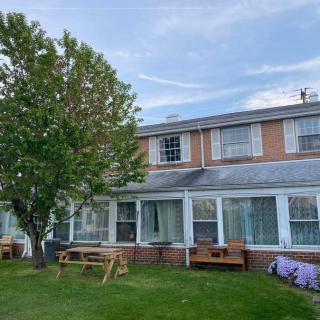
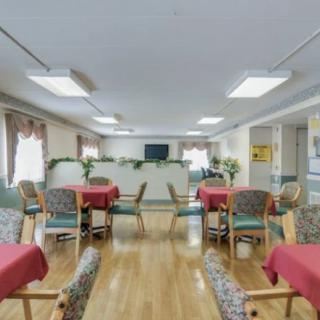
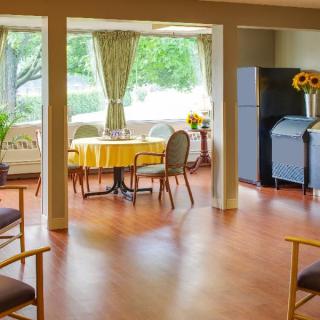
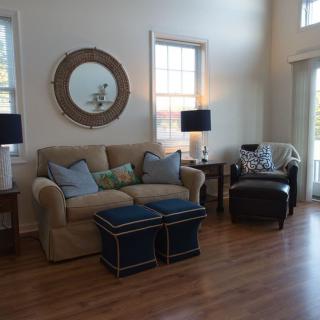
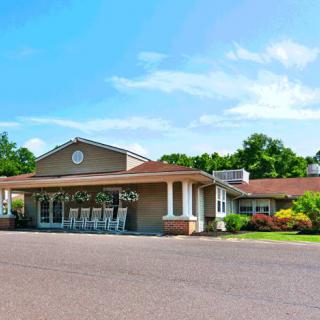
Wyomissing Health And Rehabilitation Center on seniors.fyi includes 6 photos including images showing landscaping, building, architecture, outdoor, brick, trees, outdoors, pathway, and more.
Nearby Communities
The Villa St Elizabeth
Reading, PA
3.7 from 26 reviews
$1,500 to $2,000 / month
Beautiful, mansion-like setting with friendly staff and well-kept grounds.
Spruce Manor Nursing & Rehabilitation Center
West Reading, PA
Extensive amenities and around-the-clock care in West Reading.
Morris Pace Personal Care
Reading, PA
2.6 from 5 reviews
Clean, homey atmosphere with good services and enjoyable dining.
Morris-Pace Personal Care
Reading, PA
3.2 from 6 reviews
$1,500 to $1,750 / month
Compassionate staff and a safe, clean environment with engaging activities.
Right at Home
West Reading, PA
2 from 4 reviews
Great access to healthcare and nearby amenities.
Manorcare Health Services - West Reading North
West Reading, PA
4 from 118 reviews
Friendly, caring staff and a welcoming atmosphere.
Mifflin Center
Shillington, PA
3.6 from 129 reviews
Some staff are caring and provide timely updates to families.
The Heritage of Green Hills
Shillington, PA
4.8 from 120 reviews
$1,905 to $3,338 / month
Beautiful grounds and modern facilities with engaging activities and strong dining; friendly staff.
Celebration Villa of Exeter
Reading, PA
4.4 from 63 reviews
$4,169 to $6,012 / month
Welcoming atmosphere with attentive staff and well-maintained, amenity-rich setting.
The article offers detailed guidance on the financial complexities of nursing home care, covering costs, payment methods, and alternative funding strategies while emphasizing the importance of proactive planning and legal considerations for individuals and families making care decisions.
The article emphasizes the critical role of supportive employee benefits for caregivers, advocating for flexible scheduling, paid leave, and mental health services to ease their challenges while enhancing employee well-being and organizational loyalty. It also highlights the importance of strong leadership in promoting these initiatives to foster a sustainable workplace culture that values caregivers.
Senior drivers prioritize comfort, safety, and ease of use in vehicles due to age-related challenges, seeking features like easy entry, clear visibility, and modern driver-assistance technologies. Recommended models include the Subaru Forester, Honda CR-V, and Toyota Camry, with emphasis on test-driving for personal comfort and evaluating crash-test ratings alongside insurance considerations.
Wyomissing Health And Rehabilitation Center photos
×
Outdoors
Building
Architecture
Trees
Landscaping
Landscaping
Building
Architecture
Trees and Outdoors
Garden, Pathway, and Tree
Outdoor
Entrance and Doors
Grass
Brick
Park
Get PricingAsk A QuestionSchedule A TourContact Senior Advisor
By clicking submit, you agree to our Partner's Terms of Use. You
also consent to receive calls and texts, which may be autodialed, from our Partner. Your consent is not a condition to
using our Partner's service. Please visit our Partner's Privacy Policy for information about their privacy practices.

 103 resident community capacity
 Skilled Nursing Facility
 Air-conditioning
 Beauty salon
 Cable or satellite TV
 Computer center
 Dining room
 Fitness room
 Fully furnished
 Gaming room
 Garden
 Housekeeping services
 Kitchenette
 Move-in coordination
 Outdoor space
 Private
 Private bathrooms
 Restaurant-style dining
 Small library
 Telephone
 Wellness center
 Wi-Fi/high-speed internet available
 Community operated transportation
 12-16 hour nursing
 24-hour call system
 Activities of daily living assistance
 Assistance with bathing
 Assistance with dressing
 Assistance with transfers
 Diabetes diet
 Medication management
 Mental wellness program
 Special dietary restrictions
 Concierge services
 Planned day trips
 Beautiful, mansion-like setting with friendly staff and well-kept grounds.

 Navigating the Financial Road to Nursing Home Care: In-Depth Guidance and Resources
 Supportive Employee Benefits That Help Caregivers Attain Better Work-Life Harmony
 Top Cars for Senior Drivers and Essential Safety Innovations