


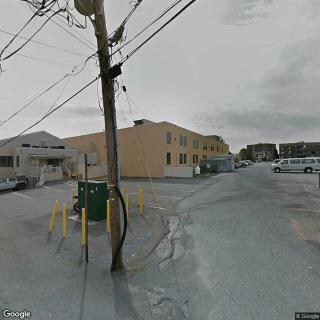
416 Reading Avenue, Reading, PA 19611
For more information about senior living options: (866) 208-4318
Overall Review of Morris Pace Personal Care
Pros
 The facility is managed by younger staff who are trying to do a good job for the sake of the residents.
- The pricing is reasonable.
- The residents feel safe at the facility.
- Many residents have resided there for over a decade and are happy doing so.
- The roommates seem pleasant.
- The residents are generally happy with the home.
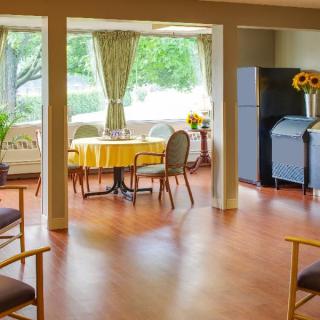
- Morris Pace Assisted Living is nice, clean and homey, with good services, good food, and spacious dining rooms.
Cons
 The portion sizes are the size of a child's meal for a grown adult, which is unacceptable.
- The owner is unbelievably cheap and the food is bare minimum, suggesting improvements are badly needed.
- There are no activities offered for residents, making the facility feel lacking.
- One reviewer uses a demeaning phrase about a resident, calling her a "poor little gal suffering from memory lapses," reflecting a negative tone toward residents.
- The reviewer expresses concern about the possibility of residents being forcefully removed, indicating anxiety about care and stability.
Review
Morris Pace Personal Care in Reading, PA is best suited for budget-conscious seniors who want a safe, clean, homey environment with dependable basic services and a predictable routine. It functions as a straightforward personal care setting where stability and proximity to familiar surroundings matter more than a bustling activity calendar or high-end dining. For residents who value a quiet, earned sense of security and are comfortable with a simpler lifestyle, this facility can offer steadiness and long-tenured peers as a form of social continuity.
Those considering alternatives should note who may not be a fit. Families seeking a robust activities program, gourmet or consistently generous meals, or a facility with aggressive engagement and enrichment offerings will likely be disappointed. The absence of a strong calendar of events is a recurrent theme, and any family prioritizing memory-care specific oversight or a more intensive clinical environment should compare other options. Residents with demanding expectations around social programming or specialized care may find better alignment elsewhere.
On the plus side, pricing is repeatedly described as reasonable, which matters greatly for long-term planning and family budgeting. Safety and a sense of security come through as credible positives, with multiple residents having stayed for years and expressing comfort with their surroundings. The environment is often portrayed as clean and homey, and roommates are noted as pleasant, which contributes to a calmer daily rhythm. When meals and dining spaces work, they reinforce a perception of value, and some reviewers even praise the overall taste and dining-room layout as accommodating for community meals.
The notable drawbacks center on dining and programming. One frequent critique is that meal portions are too small for adults, a concern that directly challenges the perceived value of the rate paid. Another facet of dissatisfaction frames the ownership as “cheap,” implying that cost-cutting has affected the quality and variety of meals and activities. A recurring gap in engagement is the absence of activities, which undercuts social and cognitive stimulation, especially for residents who thrive on structured interaction. While some staff and management intentions are seen as earnest, the inconsistent emphasis on enrichment and dining quality can leave families weighing future satisfaction against current affordability.
The trade-off is clear: Morris Pace offers affordability and safety with a stable, homelike atmosphere, but at the potential cost of limited stimulation and lean dining. For households prioritizing cost control and predictable routines, these advantages can offset the drawbacks, delivering a tolerable, low-stress living arrangement. For others, especially those who want a more vibrant daily life or more generous meals, the early-stage drawbacks may grow over time into persistent dissatisfaction. The reality of different experiences being reported suggests a strong need for a firsthand, current assessment before committing.
For families weighing a decision, a prudent course is to visit with a focused plan. Request to observe a meal service, sample a portion when possible, and review a current activity calendar to gauge feasibility of social engagement. Speak directly with residents about their daily routines, and probe the facility’s capacity for memory-support needs if relevant. Clarify staffing ratios, confirm what is included in the price, and read the contract carefully for fee escalators or add-ons tied to activities or dining. If the current environment does not align with expectations after a thorough visit, exploring nearby communities with more active programming and more generous meals is a sensible move.
 63 resident community capacity
 Assisted Living
 Air-conditioning
 Beauty salon
 Cable or satellite TV
 Computer center
 Dining room
 Financial aid
 Fitness room
 Fully furnished
 Gaming room
 Garden
 Housekeeping services
 Kitchenette
 Move-in coordination
 Outdoor space
 Private bathrooms
 Restaurant-style dining
 Small library
 Telephone
 Wellness center
 Wi-Fi/high-speed internet available
 Community operated transportation
 12-16 hour nursing
 24-hour call system
 Activities of daily living assistance
 Assistance with bathing
 Assistance with dressing
 Assistance with transfers
 Diabetes diet
 Medication management
 Mental wellness program
 Special dietary restrictions
 Concierge services
 Planned day trips






 Senior Transition Services: Understanding Their Role, Cost, and Importance
 Exploring the Path to Senior Living: A Comprehensive Look at Independent Living and Assisted Living
 Is Assisted Living Deductible on Your Taxes? Understanding the Complexities of Assisted Living Expenses and Deductions