Mifflin Court in Shillington, PA

Save

  • Interior

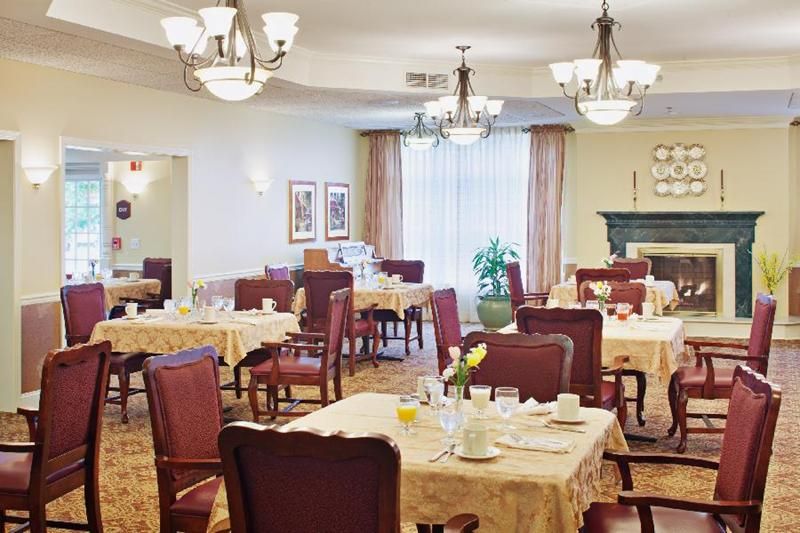
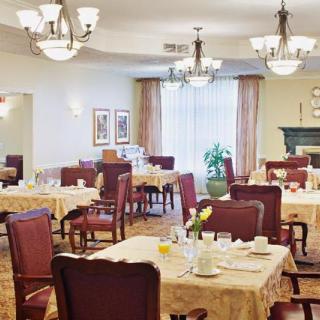
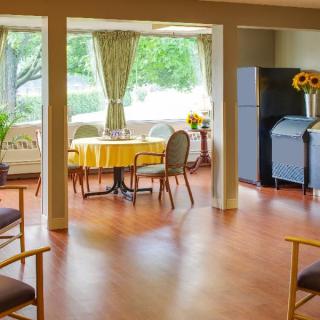
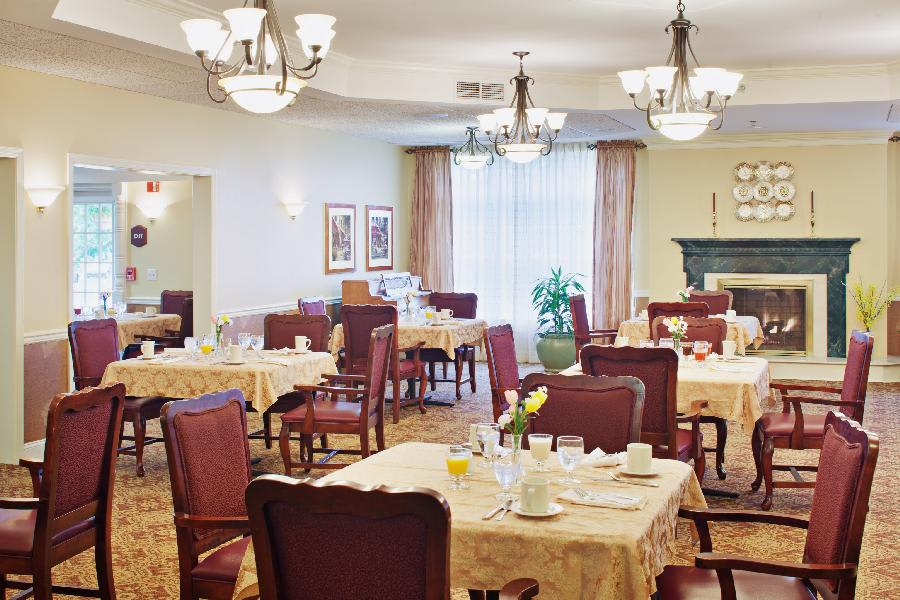
    A well-lit dining room with neatly arranged tables and chairs.
  • Outdoors

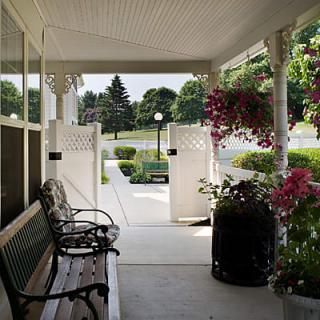
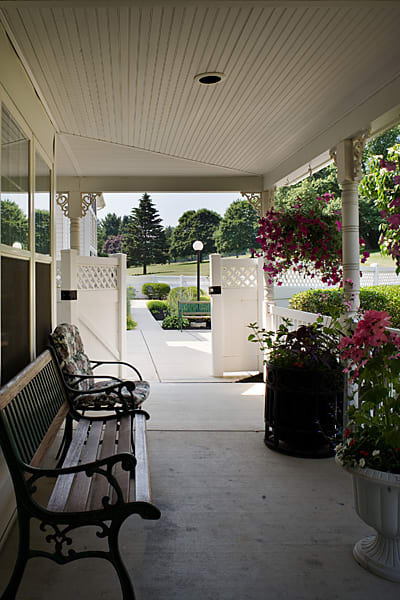
    A cozy porch with benches and blooming flowers overlooks a well-maintained garden.
  • Decor

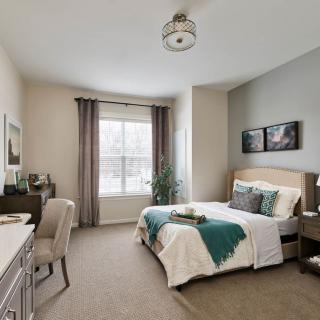
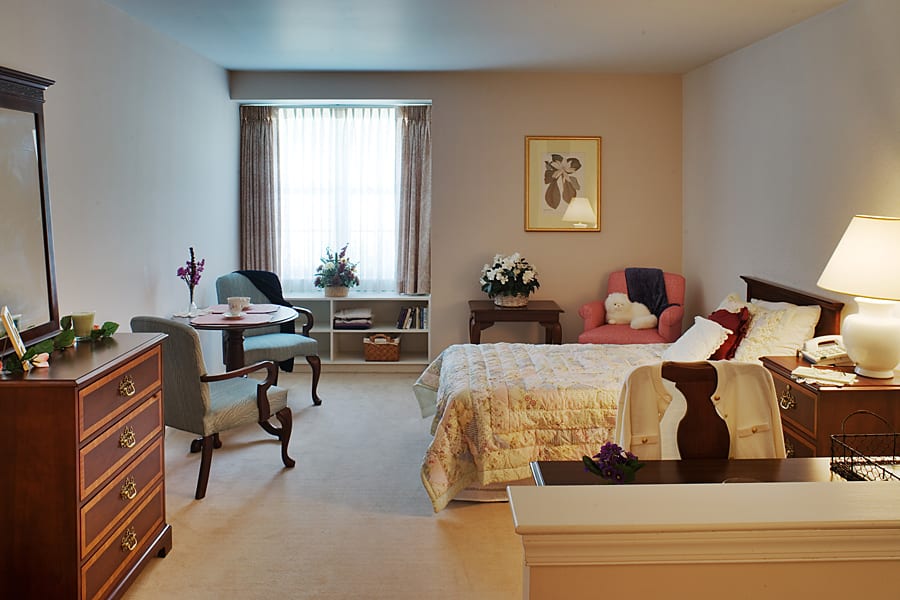
    A cozy bedroom with elegant furniture and decor.
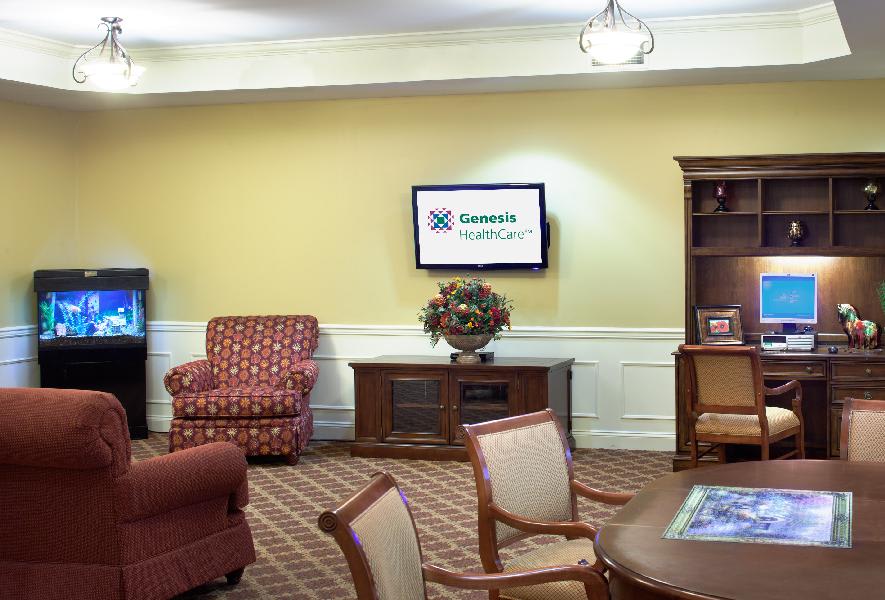
  • Living Room

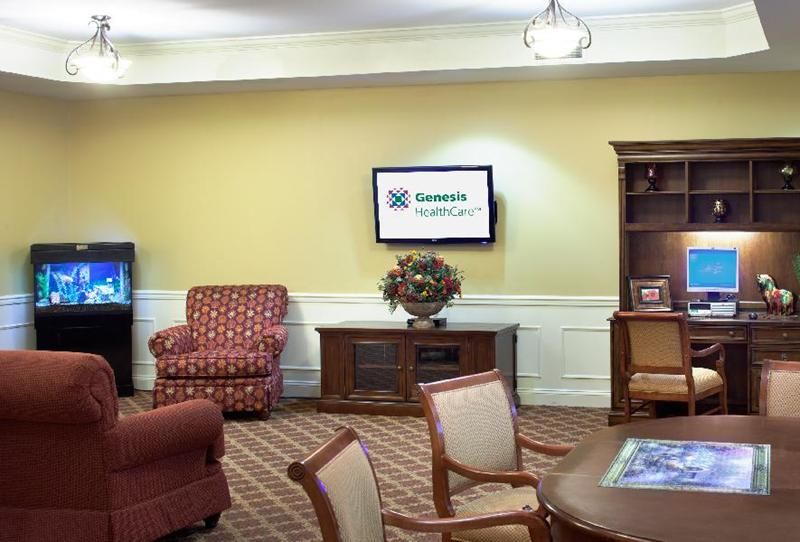
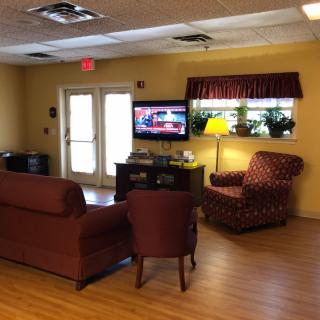
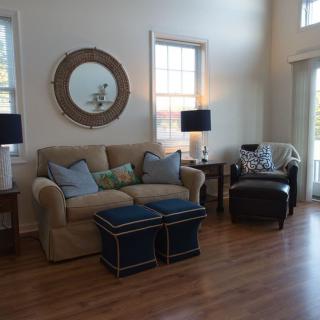
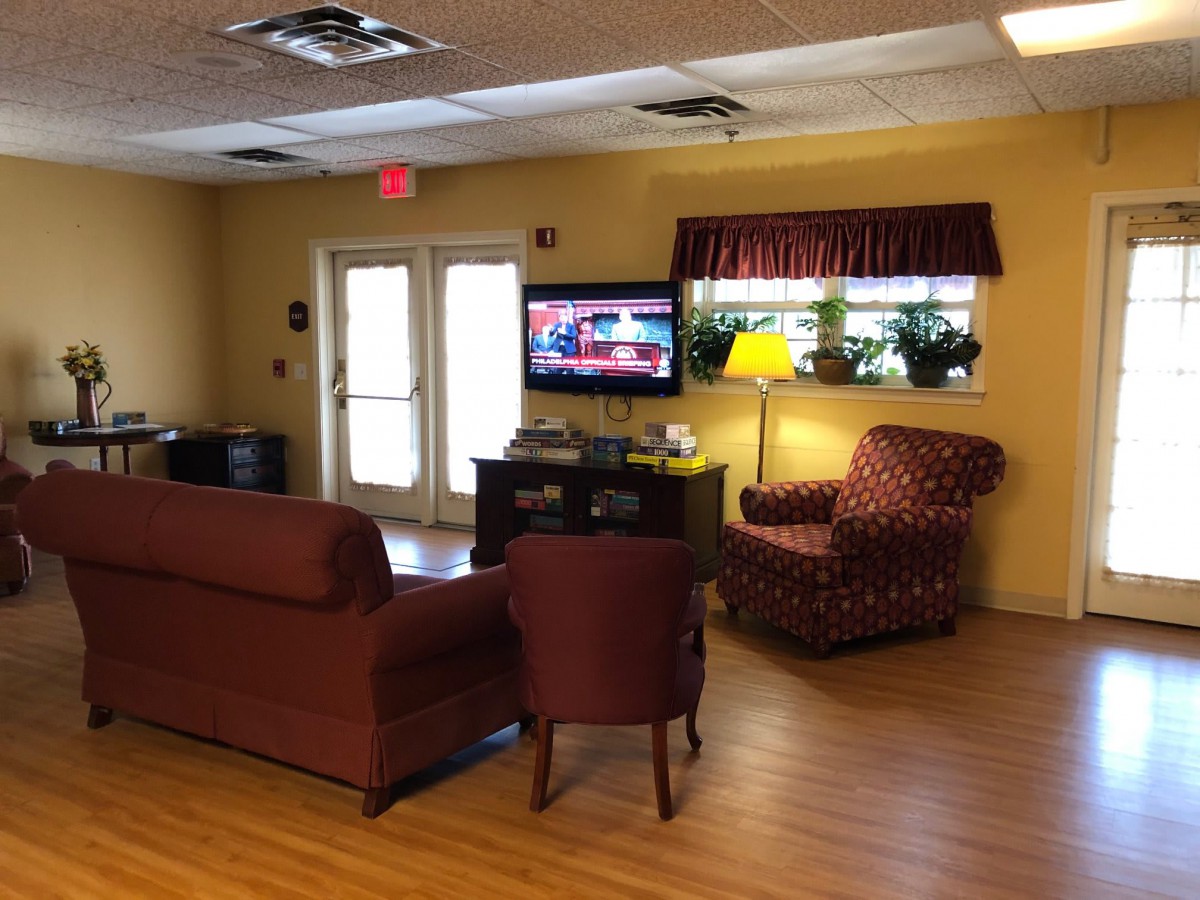
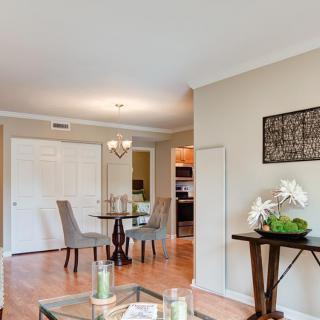
    A cozy living room with comfortable seating and a television.
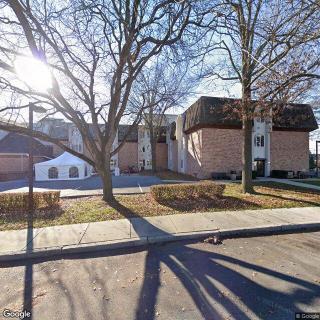
  • Building

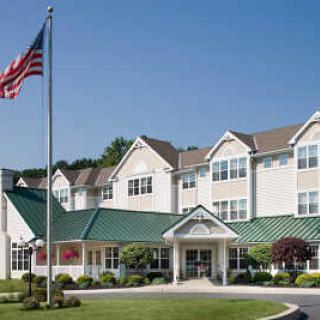
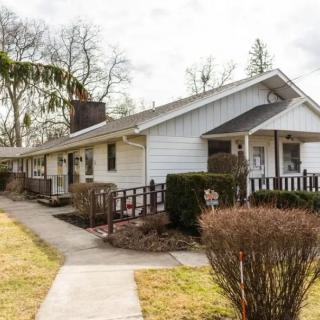
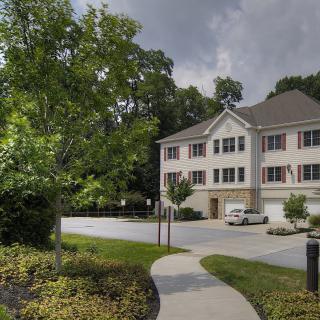
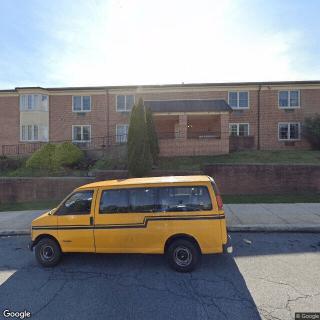
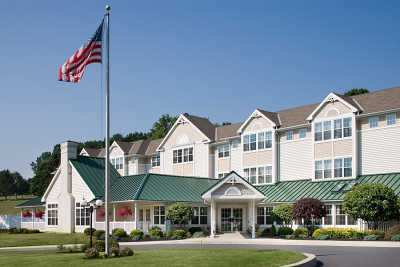
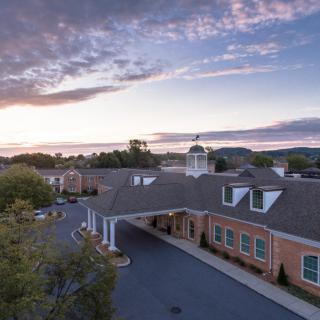
    A residential-style building with a green roof and an American flag in front, surrounded by well-maintained landscaping.
  • Bedroom

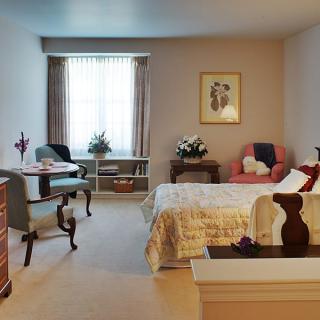
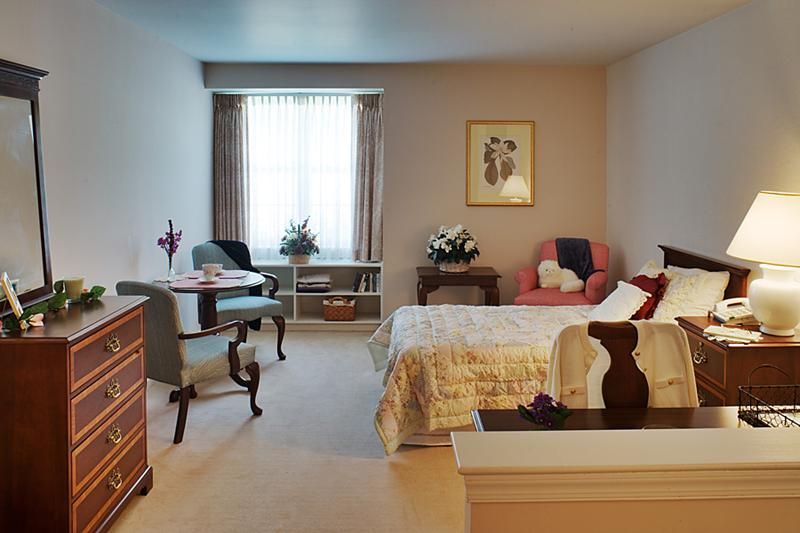
    A cozy bedroom with a bed, chairs, and a window allowing natural light.
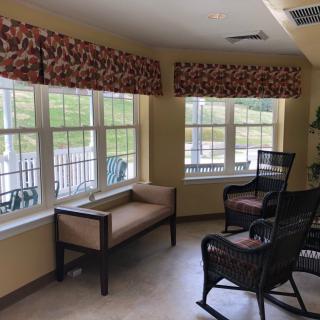
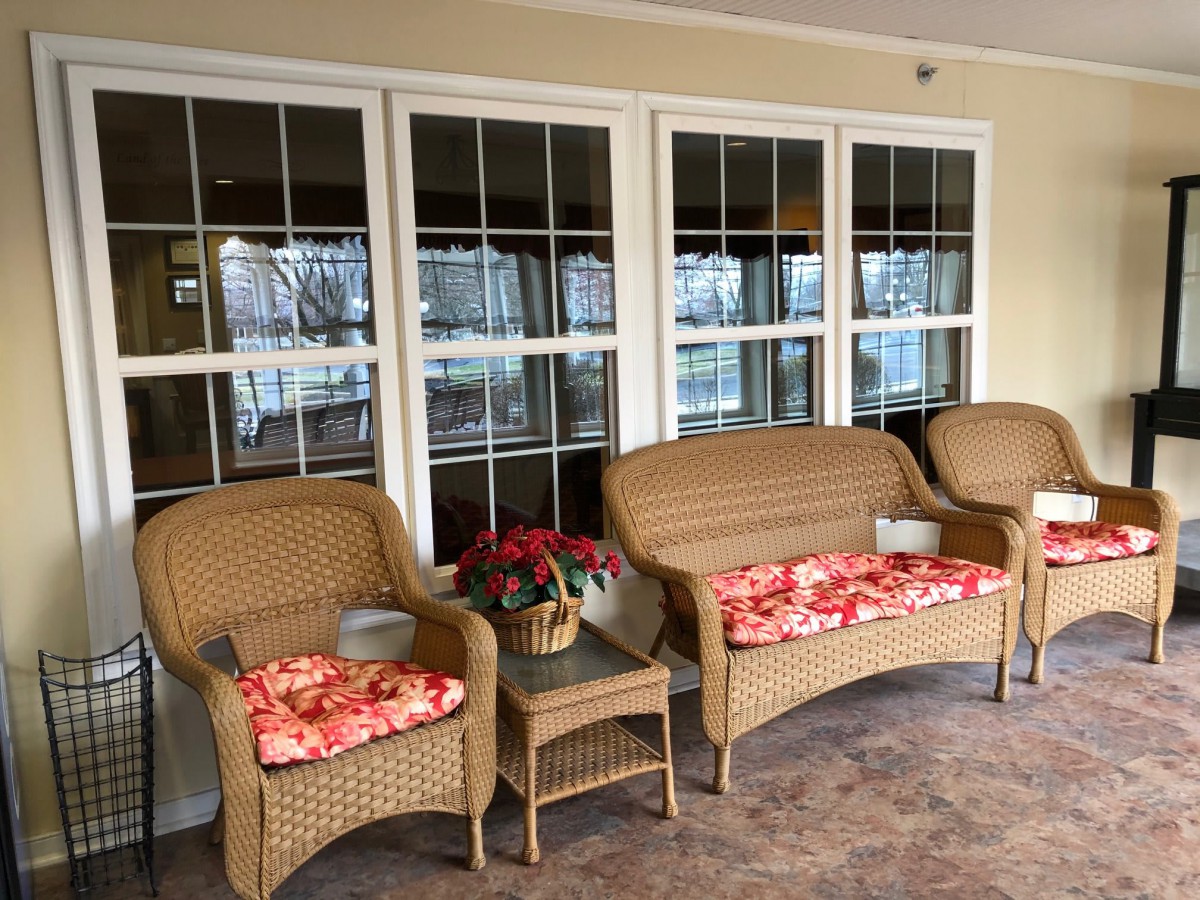
  • Windows

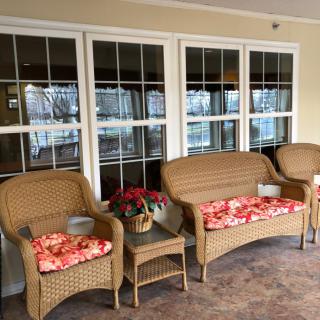
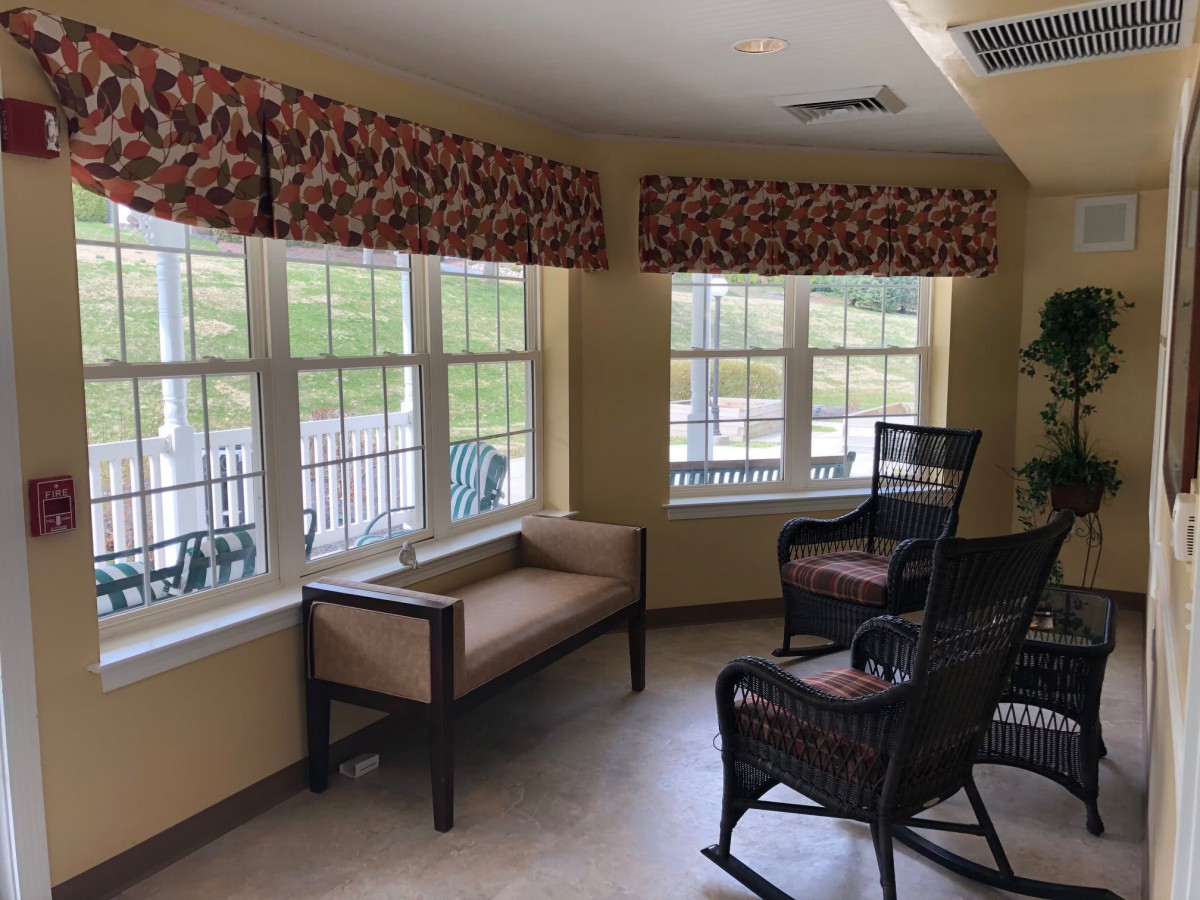
    A cozy patio with wicker furniture and floral cushions, overlooking large windows.
  • Dining

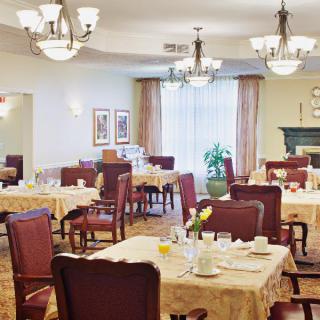
    Elegant dining room with neatly arranged tables and chairs, adorned with chandeliers.
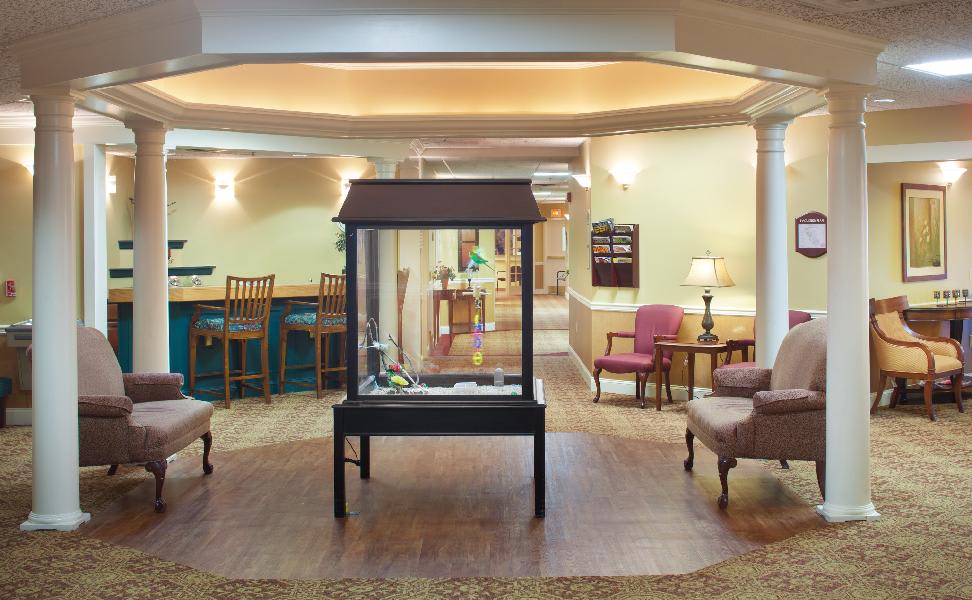
  • Lighting

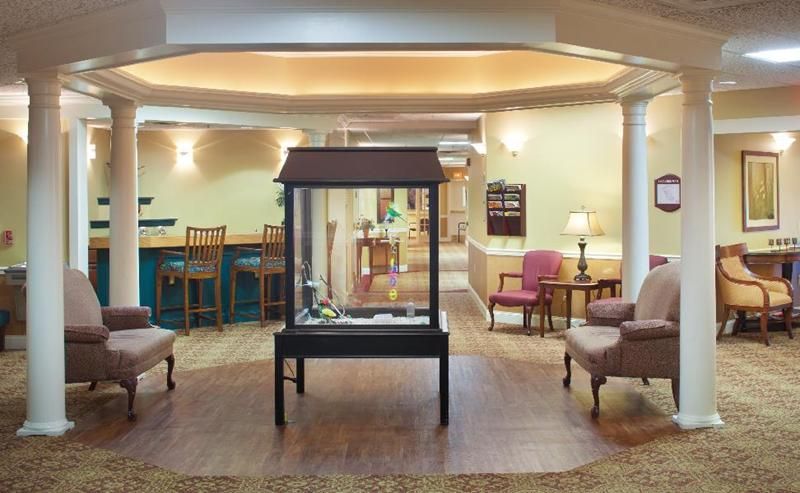
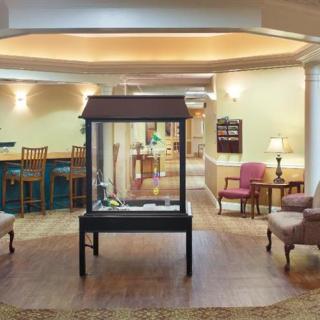
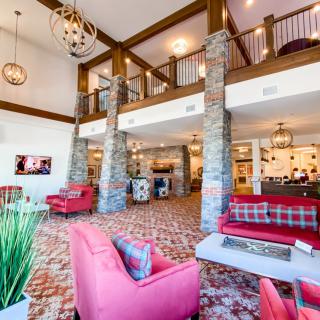
    A well-lit lobby area with comfortable seating and a central display case.
  • Seating Area

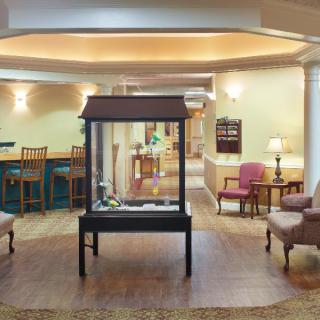
    A cozy lobby area featuring comfortable seating and a central display case.
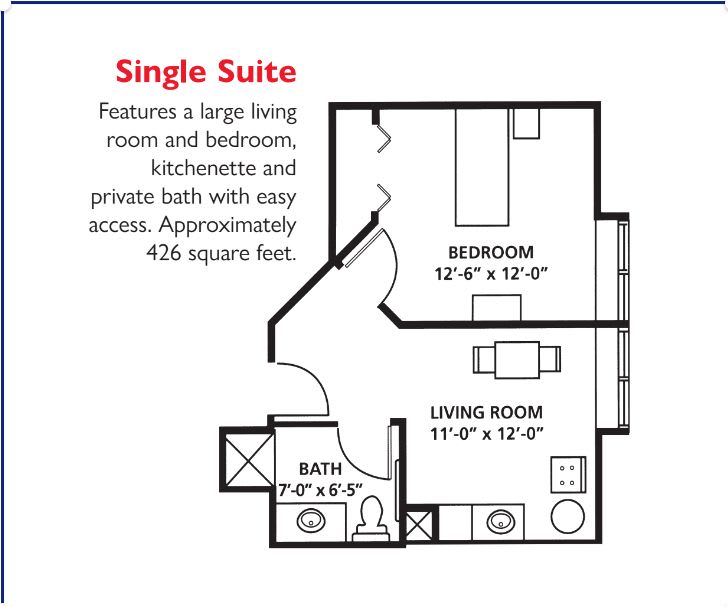
  • Floor Plan

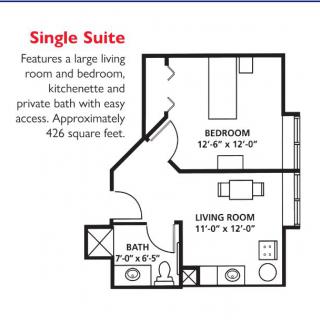
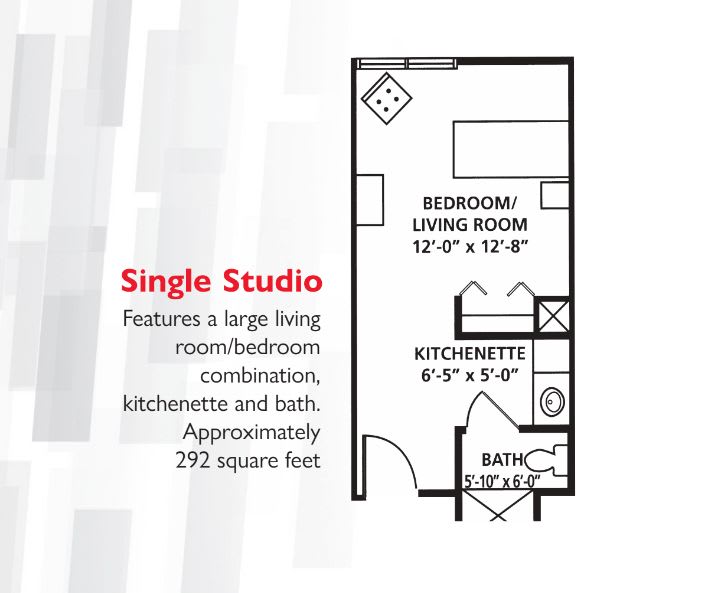
    A floor plan of a single suite featuring a living room, bedroom, kitchenette, and bathroom.
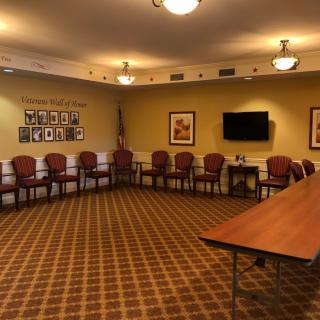
  • Television

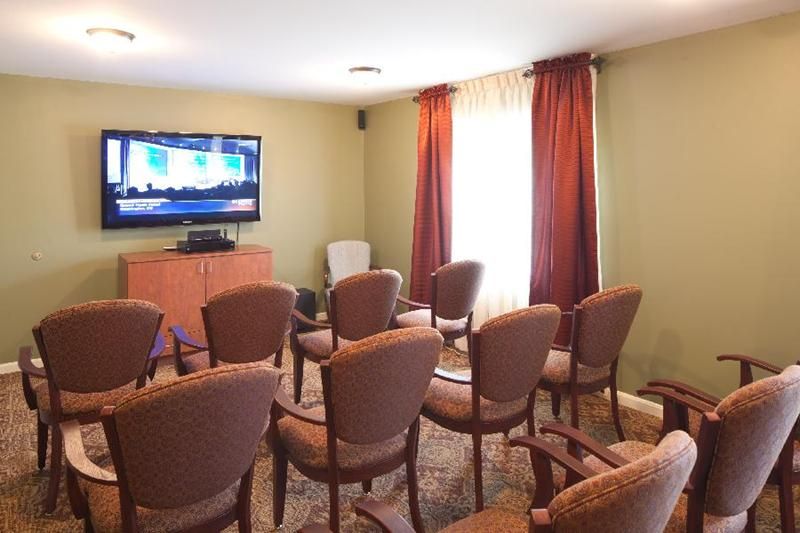
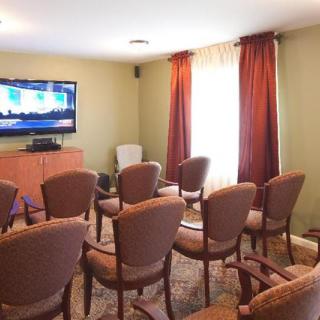
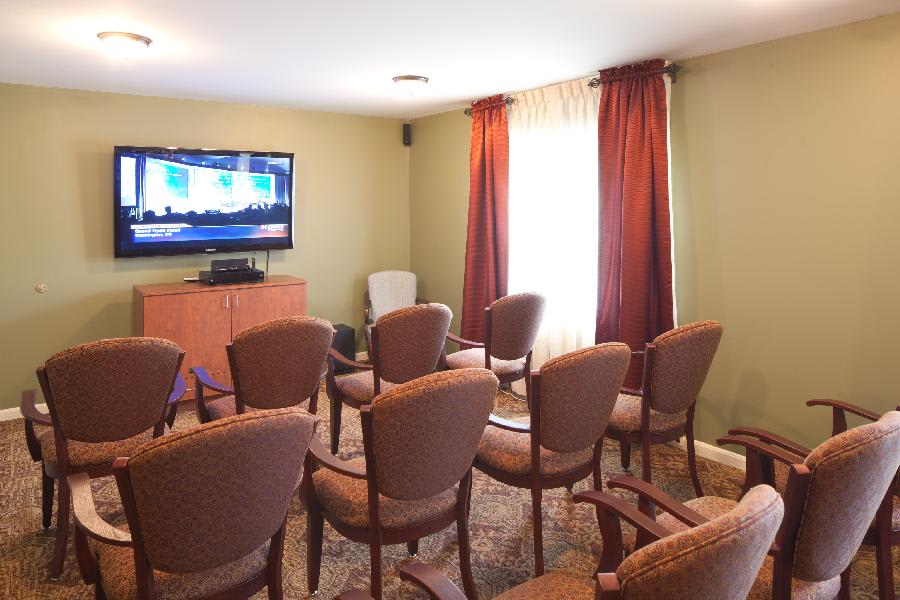
    A small conference room with chairs arranged in rows facing a television.
  • Natural Light

    A cozy waiting area with large windows, allowing natural light to fill the space, featuring a bench and wicker chairs.
  • Wall Art

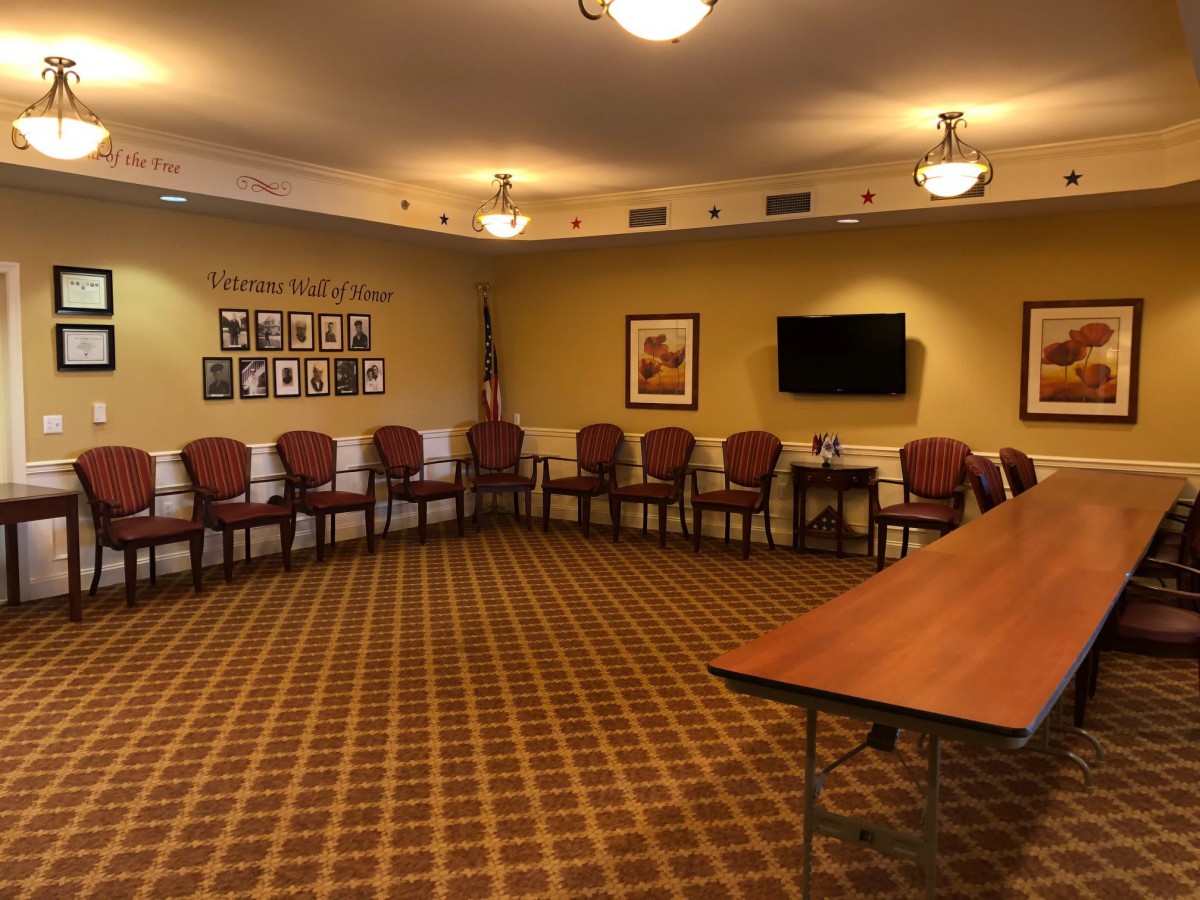
    An empty conference room with arranged chairs, a mounted television, and decorative wall art.

Mifflin Court in Shillington, PA

450 East Philadelphia Avenue, Shillington, PA 19607

For more information about senior living options: (844) 490-3973

4.7 from 80 reviews
5 stars
67
4 stars
9
3 stars
2
2 stars
0
1 stars
2

Assisted Living Memory Care

Mifflin Court Costs & Pricing

Mifflin Court offers a range of accommodation options with pricing that reflects its unique amenities and services. For those seeking semi-private rooms, the monthly cost is $3,450, which is slightly higher than the average for Berks County at $3,216 but lower than the state average of $3,542. Studio apartments at Mifflin Court are priced at $4,830, significantly outpacing both Berks County's average of $3,338 and Pennsylvania's overall average of $3,737. Similarly, the one-bedroom units are available for $5,880 - a figure that exceeds both the county price of $4,043 and the statewide average of $4,006. This pricing structure indicates that while Mifflin Court may be positioned at a premium compared to local and state averages in certain categories, it likely offers distinct advantages in terms of quality or services that justify the investment.

Floor plansMifflin CourtBerks CountyPennsylvania
Semi-Private$3,450$3,216$3,542
Studio$4,830$3,338$3,737
1 Bedroom$5,880$4,043$4,006

Overall Review of Mifflin Court

Pros

  • pro The staff at Mifflin Court are consistently friendly and helpful.
  • pro The nurses provide excellent care and coordinate medications with doctors, improving residents' health.
  • pro The facility is clean and well maintained, with well-kept rooms and common areas.
  • pro There are many engaging activities and entertainment options that residents enjoy.
  • pro The meals are good, and dining feels home-like.
  • pro Families are kept informed and supported by proactive communication from the staff.
  • pro The staff go above and beyond to care for residents and show genuine compassion.
  • pro The environment feels safe, welcoming, and like home for residents.
  • pro The community benefits from a dedicated, caring team and low staff turnover, creating a consistent sense of family.

Cons

  • pro The mother is not really happy there.
  • pro Some of her cash has gone missing since she moved in.
  • pro It is too small and there are not any activities that are worthwhile to her.
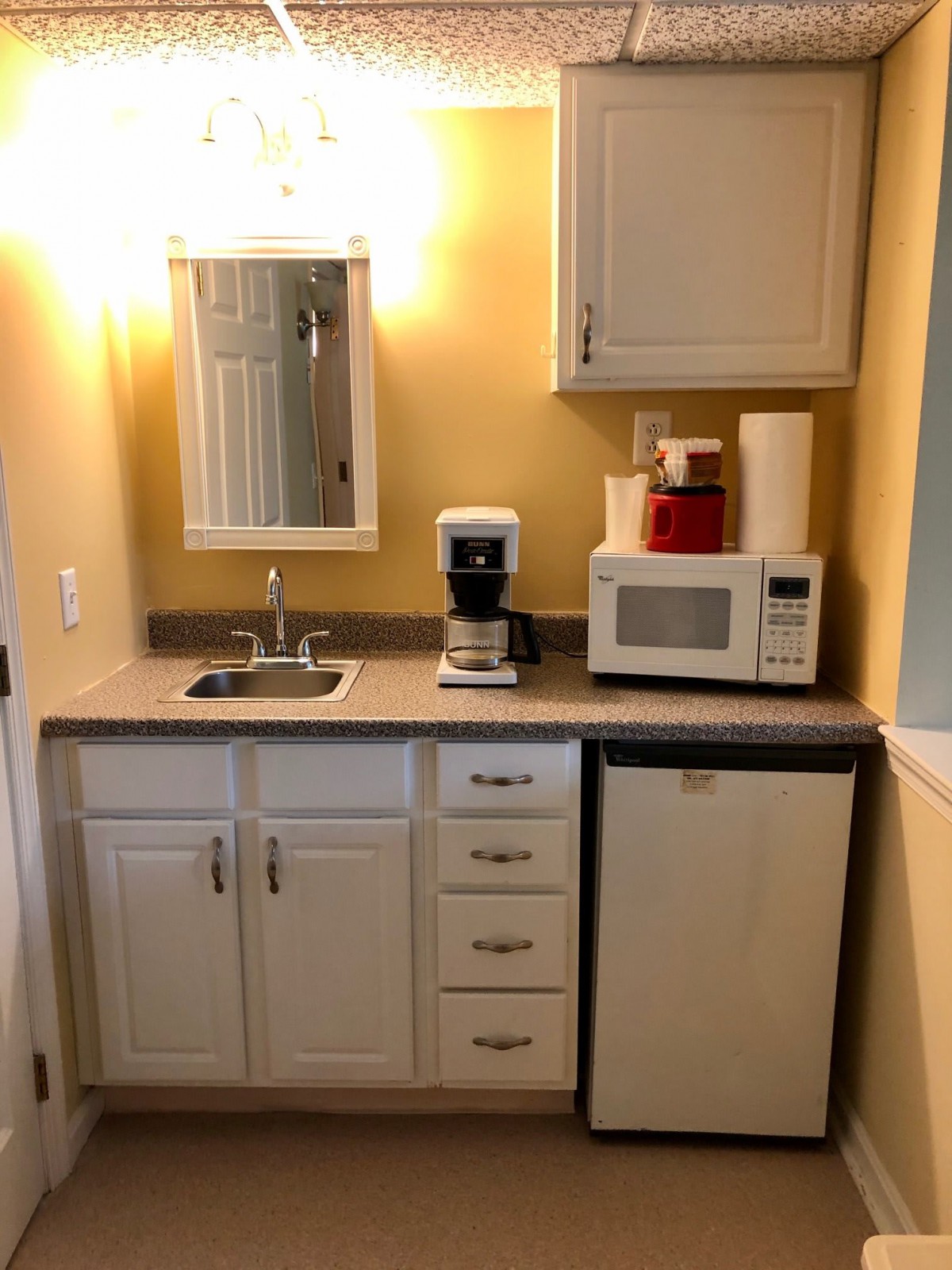
  • pro She dislikes the kitchen and bathroom sharing a sink.
  • pro The medical care is not up to par; they see a PA only once a month.
  • pro It is very hard for her to see or talk to anyone in nursing, and communication is not good.
  • pro There have been thefts there and a lot of other problems.
  • pro The place has become a little stuffy, snobby, and nosy.

Review

Mifflin Court is best suited for families seeking a warm, people-focused assisted-living community with a clearly defined social fabric, dependable daily routines, and access to memory-support options without stepping into a large, impersonal campus. The setting works well for seniors who value genuine staff-resident relationships, predictable mealtimes, and engaging activities that feel meaningful rather than performative. It also offers a Memory Support unit for residents experiencing cognitive changes who still want to maintain independence and social connections. For families prioritizing a home-like atmosphere, clear communication, and hands-on attention from a stable team, this community checks those boxes with notable consistency.

Alternatives deserve consideration for certain needs. For those chasing expansive resort-like amenities, highly varied nightlife, or a markedly larger campus, Mifflin Court's intimate footprint may feel limiting. If a resident requires a more clinical, tightly supervised medical model or minimal daily supervision, other facilities with different care ratios could be a better fit. Some residents will notice the room layouts - specifically a shared kitchen sink with the bathroom - and prefer private, more spacious accommodations. Medication timing, particularly in Memory Support, has been flagged by some families as an area requiring tighter oversight. For families craving more extensive daily programming across all care levels, it's wise to compare calendars carefully.

The strongest advantages at Mifflin Court lie in the care culture and daily rhythm. Staff members are consistently friendly, patient, and genuinely invested in residents' progress, with several accounts of personal attention to mobility and chronic issues. Cleanliness and housekeeping consistently meet expectations, and family communication is described as reliable and timely when needed. The mid-sized setting fosters real familiarity - low staff turnover and a sense of family that translates into quicker problem-solving and a higher comfort level for both residents and visiting family. Clinical coordination stands out: nurses manage medications, coordinate with physicians, and arrange transportation, while therapy programs run regularly. Meals are frequently praised, and a broad slate of activities - from music and crafts to games - helps sustain social engagement.

However, the drawbacks warrant careful scrutiny. There have been isolated reports of missing cash, which demand immediate, transparent investigation and stronger financial controls. Open communication, while generally solid, can falter during spikes in need or when scheduling is tight, leaving some families feeling out of the loop. A fraction of residents desire more diverse or frequent daily programming and greater opportunities for social out-of-home outings. In Memory Support, some families note the need for more consistent engagement throughout the day rather than activities concentrated in one area or time slot. Though not widespread, concerns about theft influence risk perception and should prompt robust monitoring and reporting.

The favorable elements do offset these concerns in meaningful ways. The intimate size of the community supports stronger staff-resident rapport, enabling proactive care and quicker adjustments, especially in medication management and mobility support. The Memory Support unit remains a valuable option for families needing structured routines and ongoing family updates, with communication channels that can accommodate virtual check-ins when in-person visits are restricted. Transportation to appointments, coordinated caregiving, and a high emphasis on safety contribute to peace of mind. The combination of home-like dining, accessible therapy, and genuine camaraderie among residents creates a daily life that many families describe as comfortable, even uplifting.

Practical decision steps should guide next moves. Start with an in-person tour and observe a live activity to gauge authentic resident engagement and staff responsiveness. Confirm the Memory Support capabilities match specific needs, and ask for a concrete timeline for medication administration and safety checks. Talk directly with current residents and family volunteers about the consistency of communication and the ease of visiting, then scrutinize room options for privacy, size, and layout. Clarify respite-stay policies, costs, and what happens when a care level shifts. If a nearby alternative offers broader campuses or more intense programming, use that as a benchmark. When the fit is right, lock in a plan that aligns medical needs, social vitality, and logistical realities, with a process for ongoing care optimization.

Features

Housing

  • 67 resident community capacity 67 resident community capacity
  • 1-bedroom apartments 1-bedroom apartments1-bedroom apartments are important for seniors because they provide a sense of independence, privacy, and autonomy while still offering the necessary space for comfortable living. These apartments allow seniors to maintain their own personal space and lifestyle preferences in a supportive community setting.
  • Studio apartments Studio apartmentsStudio apartments are important for seniors because they offer a smaller, more manageable living space that is easier to navigate and maintain as physical abilities decline. Additionally, studio apartments provide seniors with independence and privacy while still being part of a community that offers support and social opportunities.

Types of Care

  • Assisted Living Assisted LivingAssisted living facilities provide crucial support and care for seniors who may need help with daily tasks such as medication management, bathing, and meal preparation. These communities offer a safe and comfortable environment where seniors can maintain their independence while receiving the assistance they need to thrive in their golden years.
  • Memory Care Memory CareMemory care is crucial for seniors as it provides specialized support and services for individuals with dementia or Alzheimer's disease. These programs offer a safe and secure environment where residents receive personalized care, cognitive stimulation, and help with daily activities. Memory care helps seniors maintain their independence, quality of life, and dignity while also providing peace of mind for their families.

Pets

  • Cats allowed Cats allowed"Pet friendly" senior living communities are important for seniors because pets provide companionship, reduce feelings of loneliness and depression, promote physical activity and mental stimulation, and offer a sense of purpose and responsibility. Pets can improve overall well-being and quality of life for seniors in many ways.
  • Dogs allowed Dogs allowed"Pet friendly" senior living communities are important for seniors because pets provide companionship, reduce feelings of loneliness and depression, promote physical activity and mental stimulation, and offer a sense of purpose and responsibility. Pets can improve overall well-being and quality of life for seniors in many ways.

Amenities

  • Activities off-site Activities off-siteEngaging in off-site activities is crucial for seniors to maintain social connections, stay active, and stimulate their minds. It promotes overall well-being and helps combat feelings of isolation and loneliness.
  • Activities on-site Activities on-siteActivities on-site are important for seniors because they provide opportunities for socialization, mental stimulation, physical activity, and overall well-being. Engaging in activities can help seniors stay active, maintain their independence, and improve their quality of life.
  • Air-conditioning Air-conditioningAir conditioning is important for seniors as they are more vulnerable to heat-related illnesses and may have underlying health conditions that make it difficult for them to regulate their body temperature. It helps to keep them comfortable, safe, and healthy in hot weather.
  • Bath tubs Bath tubsBath tubs are important for seniors because they provide a safe and relaxing way to bathe, helping to prevent slips and falls while promoting independence and overall well-being.
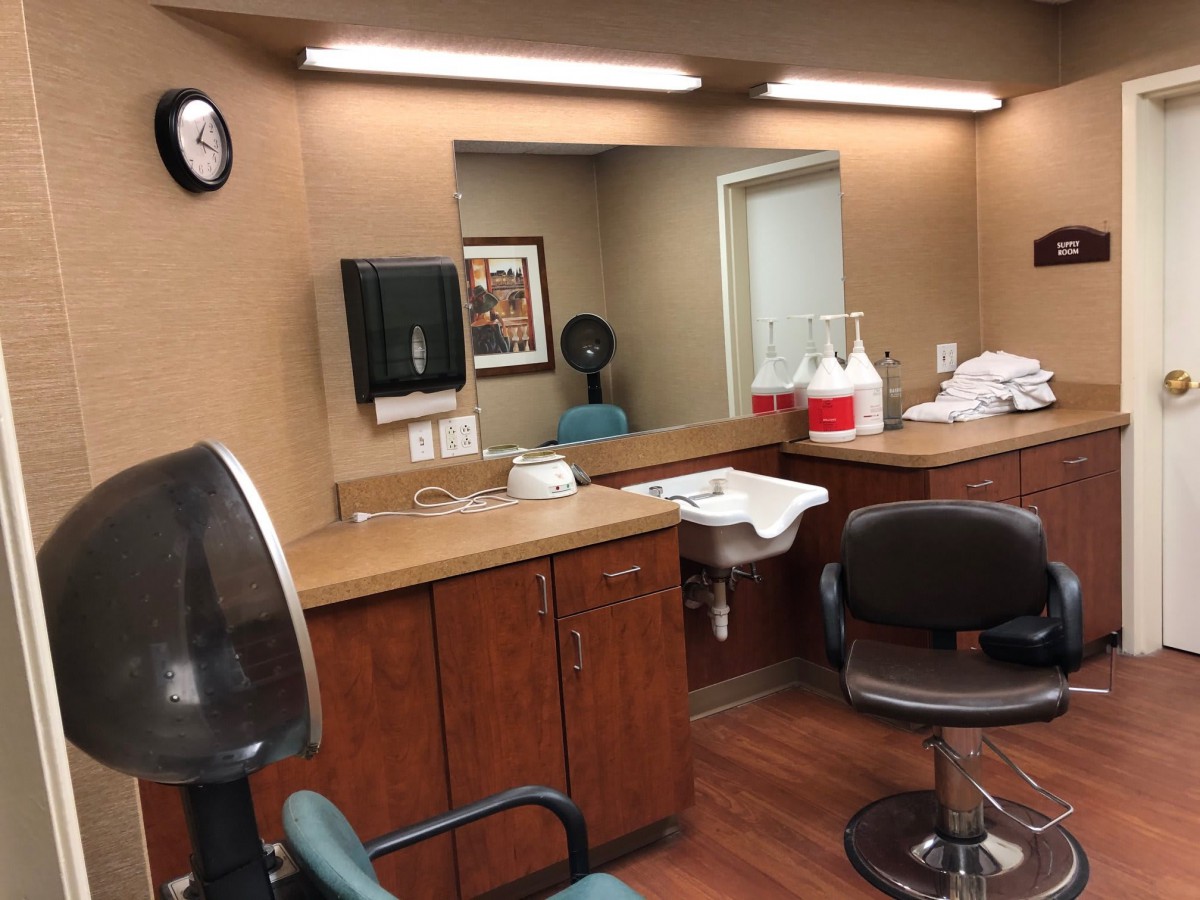
  • Beautician on-site Beautician on-siteHaving a beautician on-site at a senior living community is important for seniors as it allows them to easily access grooming and personal care services, boosting their self-esteem and overall well-being. It also provides convenience and helps seniors maintain their sense of independence and personal style.
  • Beauty salon Beauty salonBeauty salons are important for seniors because they provide a space for them to feel pampered, socialize, and maintain their personal grooming and hygiene. Regular visits to a beauty salon can help boost seniors' self-esteem and overall well-being.
  • Cable or satellite TV Cable or satellite TVCable or satellite TV is important for seniors because it provides entertainment, news, and companionship, helping to combat loneliness and boredom. It also offers a wide range of programming options tailored to different interests and preferences.
  • Computer center Computer centerA computer center is essential for seniors as it provides access to technology, communication tools, and resources that can enhance their daily lives. It allows them to stay connected with loved ones, engage in online activities, and learn new skills, ultimately promoting socialization and mental stimulation.
  • Devotional services off-site Devotional services off-siteDevotional services off-site are important for seniors as they provide spiritual nourishment, social engagement, and a sense of community outside of the senior living facility. This can enhance overall well-being and help combat feelings of isolation and loneliness often experienced by older adults.
  • Devotional services on-site Devotional services on-siteDevotional services on-site provide seniors with spiritual support and a sense of community, as well as an opportunity for reflection and guidance during their senior living experience. This can promote emotional well-being and connection to others, leading to a more fulfilling and enriching lifestyle in their later years.
  • Dining room Dining roomDining rooms are important for seniors as they provide a space for socialization, connection, and nutritious meals. They offer opportunities for residents to bond over shared meals, foster a sense of community, and promote healthy eating habits. Dining rooms also ensure that seniors have access to well-balanced meals tailored to their dietary needs and preferences.
  • Fitness room Fitness roomHaving a fitness room in a senior living community is essential for seniors to stay active, maintain their physical health, and improve their overall well-being. Regular exercise can help prevent falls, reduce the risk of chronic diseases, and promote mental sharpness. It also provides social opportunities for residents to connect with others and enjoy a sense of community.
  • Fully furnished Fully furnishedFully furnished senior living communities are important for seniors because they provide convenience, comfort, and a hassle-free moving experience. Seniors can easily settle into their new living space without the stress of having to buy and move furniture. This allows them to focus on enjoying their new home and community.
  • Gaming room Gaming roomGaming rooms are important for seniors as they provide a fun and engaging environment for socializing, cognitive stimulation, and physical activity. Games can improve memory, problem-solving skills, and overall mental well-being while fostering friendships and reducing feelings of isolation.
  • Garden GardenGardens are important for seniors as they provide a peaceful and therapeutic environment for relaxation, physical activity, and socialization. Being in nature has been shown to reduce stress, improve mood, and promote overall well-being. Gardens also offer opportunities for seniors to engage in gardening activities, which can improve mobility, flexibility, and cognitive function. Additionally, gardens create a sense of community and connection with others who share a passion for plants and outdoor spaces.
  • Handicap accessible Handicap accessible"Handicap accessible" amenities are crucial for seniors to ensure they can easily navigate and access facilities, services, and activities without barriers or limitations due to physical impairments. This promotes independence, safety, and inclusivity for seniors in senior living communities.
  • Housekeeping services Housekeeping servicesHousekeeping services are important for seniors because they help maintain a clean and safe living environment, promote independence, and reduce the risk of accidents or illnesses. Additionally, having assistance with household chores can alleviate physical strain and allow seniors to focus on other aspects of their well-being.
  • Indoor common areas Indoor common areasIndoor common areas are crucial for seniors as they provide a space for socialization, recreation, and community engagement, promoting overall well-being and reducing feelings of isolation and loneliness.
  • Kitchenette KitchenetteKitchenettes are important for seniors living in senior living communities because they provide the convenience and independence of being able to prepare simple meals and snacks in the comfort of their own living space. This can help promote a sense of autonomy and well-being for seniors, allowing them to maintain some level of control over their dietary choices and daily routines.
  • Move-in coordination Move-in coordinationMove-in coordination is important for seniors because it helps ease the transition into their new living environment. It ensures that all logistics, such as packing, organizing movers, and setting up utilities are taken care of, allowing seniors to focus on settling in and adjusting to their new home. Having a smooth move-in process can alleviate stress and anxiety, making the transition smoother and more enjoyable for seniors.
  • Outdoor common areas Outdoor common areasOutdoor common areas are important for seniors as they provide a space for socialization, physical activity, and relaxation. Being outside in nature can improve mood and overall well-being, while also encouraging movement and engagement with others. These spaces can help combat feelings of isolation and promote a sense of community among residents.
  • Outdoor space Outdoor spaceOutdoor spaces are important for seniors as they provide opportunities for physical activity, social interaction, exposure to natural light and fresh air, and a sense of connection to nature. Having access to outdoor spaces can improve overall well-being and quality of life for older adults living in senior communities.
  • Private bathrooms Private bathroomsPrivate bathrooms are important for seniors in senior living communities because they provide independence, dignity, and comfort. Having a private bathroom allows seniors to maintain their personal hygiene routines without the need for assistance, promoting a sense of autonomy and privacy. Additionally, private bathrooms help prevent the spread of infections and provide a safe and clean environment for seniors to navigate safely.
  • Respite or short term stays offered Respite or short term stays offeredRespite or short term stays provide seniors with a temporary solution when their regular caregiver is unavailable, offering them the opportunity to receive additional care and support during times of need, while also giving caregivers a chance to rest and recharge.
  • Restaurant-style dining Restaurant-style diningRestaurant-style dining is important for seniors because it allows them to enjoy delicious, nutritious meals in a social and upscale setting. This enhances their dining experience, promotes healthy eating habits, and fosters socialization with fellow residents, ultimately contributing to their overall well-being and quality of life.
  • Small library Small librarySmall libraries are important for seniors as they provide access to a variety of reading materials, including books, newspapers, and magazines. This can help stimulate their minds, keep them engaged, and provide a sense of community through book clubs and other social activities. Additionally, reading has been shown to improve cognitive function and overall mental well-being in older adults.
  • Telephone TelephoneTelephones are important for seniors as they provide a lifeline for communication with loved ones, emergency services, and healthcare providers. They offer a sense of security and independence, enabling seniors to stay connected and access assistance when needed.
  • Wellness center Wellness centerWellness centers are important for seniors because they offer a variety of programs and services that promote physical, mental, and emotional well-being. These centers provide opportunities for exercise, socialization, education, and relaxation, helping seniors maintain their overall health and quality of life.
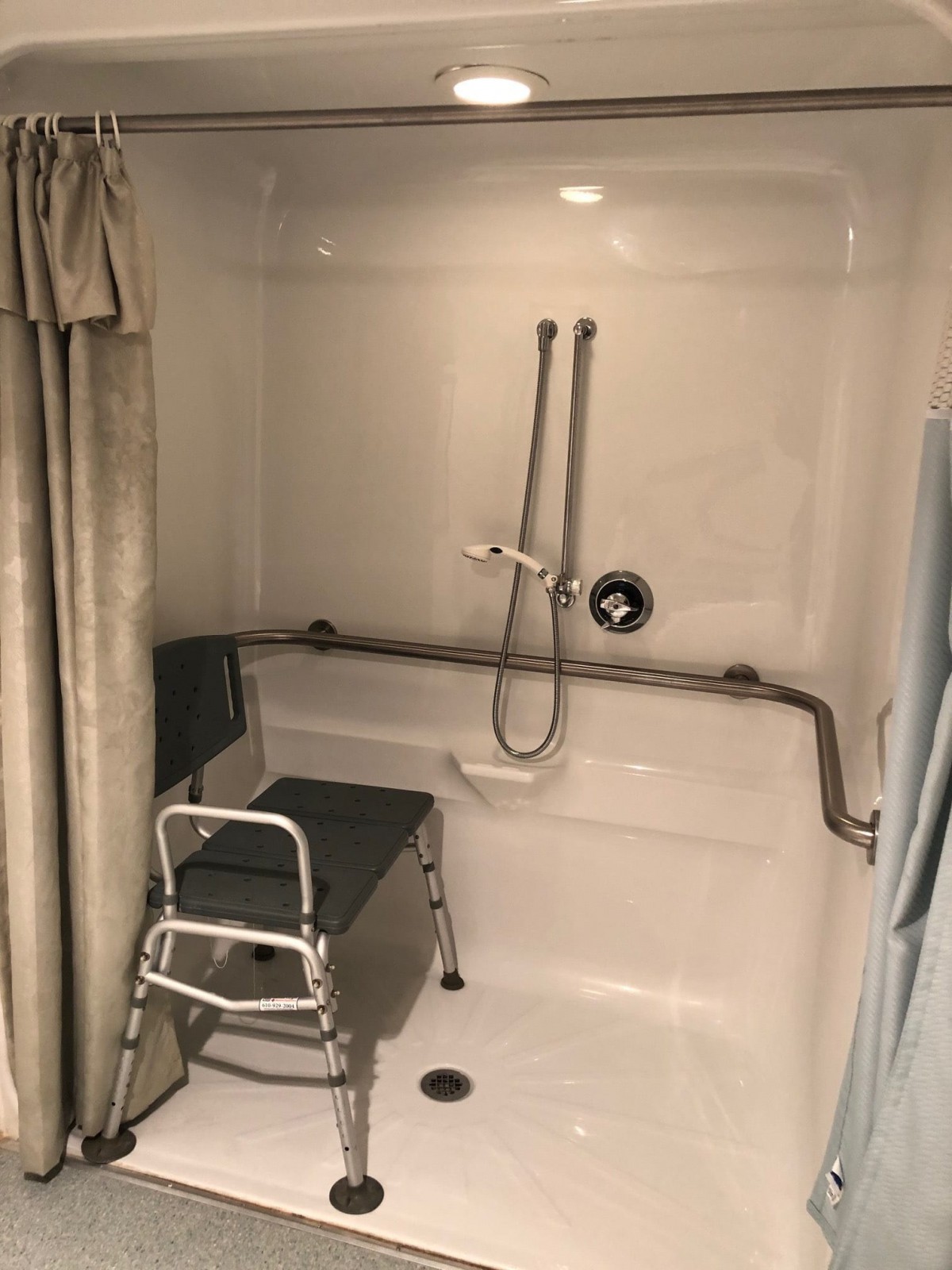
  • Wheelchair accessible showers Wheelchair accessible showersWheelchair accessible showers are crucial for seniors as they provide a safe and independent bathing option for those with mobility challenges. These showers help prevent falls and allow seniors to maintain their dignity and autonomy while ensuring they can bathe comfortably.
  • Wi-Fi/high-speed internet available Wi-Fi/high-speed internet availableWi-Fi/high-speed internet is important for seniors to stay connected with loved ones, access online resources, and participate in virtual activities to combat feelings of loneliness and isolation. It also allows them to easily manage healthcare needs, access entertainment, and engage in lifelong learning opportunities.

Transportation

  • Community operated transportation Community operated transportationCommunity operated transportation is crucial for seniors as it provides them with the means to access essential services, social activities, and medical appointments. It allows seniors to maintain their independence and quality of life by ensuring they can participate in activities outside of their homes. Additionally, community-operated transportation services offer a safe and reliable way for seniors to travel without having to rely on family or friends for assistance.
  • Transportation arrangement Transportation arrangementTransportation arrangements are crucial for seniors as they may face challenges with driving, mobility, or access to public transportation. Having reliable transportation services ensures that seniors can easily attend appointments, social activities, and maintain their independence and quality of life.
  • Transportation arrangement (non-medical) Transportation arrangement (non-medical)Transportation arrangements are essential for seniors as they provide access to essential services, activities, and social interactions outside the home. This service helps maintain independence, mobility, and overall well-being for seniors who may have limited transportation options.
  • Transportation to doctors appointments Transportation to doctors appointmentsTransportation to doctors appointments is crucial for seniors as it ensures they have access to necessary medical care and support, promoting their health and well-being. It allows them to receive timely treatment, monitor existing conditions, and address any new health concerns efficiently. Additionally, transportation services can help seniors maintain their independence and quality of life by enabling them to stay connected with their healthcare providers.

Care Services

  • 12-16 hour nursing 12-16 hour nursing12-16 hour nursing care is crucial for seniors in order to ensure around-the-clock monitoring, timely medication administration, and prompt response to any health concerns or emergencies. This level of care helps to promote the overall well-being and safety of seniors living in senior living communities.
  • 24-hour call system 24-hour call system24-hour call systems are important for seniors because they provide peace of mind and immediate assistance in case of emergencies. This technology ensures that help is always available, promoting safety and security for elderly individuals living alone or in assisted living facilities.
  • 24-hour supervision 24-hour supervision24-hour supervision is important for seniors to ensure their safety, well-being, and access to immediate assistance in case of emergencies or health issues. This constant support provides peace of mind for both seniors and their loved ones, allowing them to age in place with dignity and security.
  • Activities of daily living assistance Activities of daily living assistanceActivities of daily living assistance are important for seniors because they provide essential support with tasks such as eating, bathing, dressing, and mobility. This assistance helps seniors maintain their independence, dignity, and overall quality of life as they age.
  • Ambulatory care Ambulatory care"Ambulatory care services provide essential medical support and treatment to seniors without requiring hospitalization, allowing them to maintain their independence and quality of life while managing chronic conditions or receiving routine medical care."
  • Assistance with bathing Assistance with bathingAssistance with bathing is crucial for seniors as it helps maintain personal hygiene, prevents infections, and ensures their overall well-being and comfort. It also provides a sense of dignity and independence for seniors who may struggle with this task on their own.
  • Assistance with dressing Assistance with dressingAssistance with dressing is important for seniors because it helps maintain their independence, promotes personal hygiene, prevents accidents and injuries, and improves overall quality of life. This service ensures that seniors can continue to dress comfortably and confidently, despite any physical limitations they may have.
  • Assistance with transfers Assistance with transfersAssistance with transfers is crucial for seniors as it helps prevent falls and injuries, maintains their independence, and ensures they can safely navigate their living environment. It also provides peace of mind for both seniors and their loved ones.
  • Diabetes diet Diabetes dietA diabetes diet is crucial for seniors as it helps manage blood sugar levels, reduce risks of complications, and improve overall health and well-being. By following a balanced and nutritious diet tailored to their specific needs, seniors can better control their diabetes and enhance their quality of life.
  • Diabetic care Diabetic careDiabetic care is crucial for seniors as they are more susceptible to developing diabetes due to aging and other health conditions. Proper management of diabetes can help prevent complications such as heart disease, vision loss, and nerve damage, improving the overall quality of life for seniors in senior living communities.
  • High acuity care High acuity careHigh acuity care is important for seniors because it provides specialized medical attention and support for individuals with complex medical needs. This level of care ensures that seniors receive the appropriate treatment and assistance to maintain their health and quality of life as they age.
  • Incontinence care Incontinence careIncontinence care is essential for seniors to maintain their dignity, hygiene, and overall quality of life. By addressing incontinence issues promptly and effectively, seniors can enjoy a sense of independence and comfort in their daily activities.
  • Meal preparation and service Meal preparation and serviceMeal preparation and service are crucial for seniors as they may have limited mobility or energy to cook nutritious meals. Having access to healthy and convenient food options can ensure they are getting the proper nutrition needed to maintain their overall health and well-being.
  • Medication management Medication managementMedication management is crucial for seniors to ensure they are taking the right medications at the correct dosages and times. This helps prevent adverse drug interactions, reduces the risk of medication errors, and promotes overall health and well-being. Proactive management also allows for adjustments as needed based on changing health conditions or new prescriptions.
  • Mental wellness program Mental wellness programMental wellness programs are essential for seniors as they promote cognitive stimulation, emotional support, and social engagement. These programs help prevent isolation, depression, and cognitive decline, ultimately enhancing the overall quality of life for older adults.
  • Mild cognitive impairment Mild cognitive impairment"Mild cognitive impairment" is important for seniors because it is an early stage of cognitive decline that can potentially progress to more severe conditions such as dementia. Recognizing and addressing mild cognitive impairment can help seniors receive appropriate care and support to maintain their quality of life and independence for as long as possible.
  • Special dietary restrictions Special dietary restrictionsSpecial dietary restrictions are important for seniors because age-related changes in metabolism and health conditions can make it difficult for their bodies to process certain foods. By following a diet tailored to their specific needs, seniors can maintain their overall health and well-being, manage chronic conditions, and reduce the risk of complications such as malnutrition or food interactions with medications.
  • Specialized memory care programming Specialized memory care programmingSpecialized memory care programming is crucial for seniors with cognitive impairments such as dementia or Alzheimer's disease. These programs provide a safe and supportive environment tailored to the unique needs of individuals with memory loss, helping them maintain their independence, dignity, and quality of life.

Dining

  • Anytime dining Anytime diningAnytime dining is important for seniors because it allows them the flexibility to eat when they are hungry, rather than being restricted to set meal times. This can be especially beneficial for those with medical conditions or medications that affect their appetite, as well as those who may have difficulty adhering to a strict dining schedule. Overall, anytime dining promotes independence and overall well-being for seniors in senior living communities.
  • Diabetes diet Diabetes dietA diabetes diet is crucial for seniors as it helps manage blood sugar levels, reduce risks of complications, and improve overall health and well-being. By following a balanced and nutritious diet tailored to their specific needs, seniors can better control their diabetes and enhance their quality of life.
  • Gluten-free Gluten-freeGluten-free options are important for seniors as they are more prone to digestive issues and dietary sensitivities. Offering gluten-free meal choices in senior living communities can help improve their overall health and well-being.
  • Guest meals Guest mealsGuest meals are important for seniors living in senior living communities because they provide an opportunity for socialization and companionship. Sharing a meal with friends, family, or new acquaintances can help combat feelings of loneliness and isolation, promote a sense of community, and enhance overall well-being. Additionally, guest meals allow seniors to enjoy delicious food in a comfortable setting without the hassle of cooking or cleaning up, making dining a pleasurable and stress-free experience.
  • Low / no sodium Low / no sodiumLow/no sodium options are important for seniors because excessive sodium intake can lead to high blood pressure, heart disease, and other health issues commonly experienced by older adults. By choosing low/no sodium foods, seniors can better manage their health and reduce their risk of developing these conditions.
  • Meals provided Meals provided"Meals provided" are crucial for seniors in assisted living communities as it ensures they have access to nutritious, balanced meals without the stress of meal planning and preparation. This can help promote overall health and well-being for seniors who may have limited mobility or cognitive abilities.
  • No Sugar No SugarNo sugar diets are important for seniors because they can help prevent or manage chronic conditions such as diabetes, heart disease, and obesity. Sugar can also contribute to cognitive decline and inflammation in the body, so reducing sugar intake can lead to overall improved health and well-being in older adults.
  • Professional chef Professional chefProfessional chefs are important for seniors living in senior living communities because they provide nutritious and delicious meals that cater to their dietary needs and preferences. A professional chef can ensure that seniors are receiving balanced, flavorful meals that support their overall health and well-being.
  • Restaurant style dining Restaurant style diningRestaurant style dining is important for seniors as it offers them a social and enjoyable dining experience, promotes healthy eating habits, and provides personalized menu options to cater to their dietary needs and preferences. This type of dining setting can enhance their overall quality of life and create a sense of community within the senior living facility.
  • Room service Room serviceRoom service is important for seniors in a senior living community because it provides convenience and allows them to have their meals delivered directly to their room. This can be especially beneficial for seniors who may have mobility issues or difficulty accessing the dining area. Room service ensures that seniors are able to receive nutritious meals without having to navigate through the facility, allowing them to maintain their independence and overall well-being.
  • Special dietary restrictions Special dietary restrictionsSpecial dietary restrictions are important for seniors because age-related changes in metabolism and health conditions can make it difficult for their bodies to process certain foods. By following a diet tailored to their specific needs, seniors can maintain their overall health and well-being, manage chronic conditions, and reduce the risk of complications such as malnutrition or food interactions with medications.
  • Special dining programs Special dining programsSpecial dining programs are important for seniors because they provide nutritious meals tailored to their dietary needs and preferences. These programs also offer socialization opportunities, promote overall health and well-being, and can help prevent malnutrition.

Activities

  • Activities on-site Activities on-siteActivities on-site are important for seniors because they provide opportunities for socialization, mental stimulation, physical activity, and overall well-being. Engaging in activities can help seniors stay active, maintain their independence, and improve their quality of life.
  • Art classes Art classesArt classes are important for seniors because they provide a creative outlet, improve cognitive function, reduce stress and anxiety, promote socialization, and enhance overall well-being and quality of life.
  • Brain fitness Brain fitnessBrain fitness is important for seniors as it helps to maintain cognitive function, memory, and overall mental well-being. Engaging in activities that challenge the brain can help prevent cognitive decline and promote a healthier, more fulfilling quality of life in older adults.
  • Community-sponsored activities Community-sponsored activitiesCommunity-sponsored activities are important for seniors as they provide opportunities for social interaction, mental stimulation, and physical activity. These activities can help improve overall well-being, combat loneliness and isolation, and promote a sense of belonging and purpose among older adults.
  • Concierge services Concierge servicesConcierge services are essential for seniors as they provide assistance with daily tasks and errands, enhance their quality of life by offering convenience and personalized care, and promote a sense of safety and security.
  • Day trips and outings Day trips and outingsDay trips and outings are important for seniors as they provide opportunities for socialization, mental stimulation, physical activity, and a break from daily routines. These experiences can enhance overall well-being and quality of life for older adults living in senior communities.
  • Devotional activities offsite Devotional activities offsiteDevotional activities offsite are important for seniors because they provide social engagement, spiritual growth, and a sense of community outside of their living environment. This can improve overall well-being, mental health, and combat feelings of isolation or loneliness.
  • Devotional activities on-site Devotional activities on-siteDevotional activities on-site provide seniors with a sense of community, spiritual fulfillment, and emotional support, promoting overall well-being and a positive sense of purpose in their lives.
  • Educational speakers / life long learning Educational speakers / life long learningEducational speakers and lifelong learning opportunities are crucial for seniors as they provide mental stimulation, promote social engagement, and contribute to overall well-being. Continuous learning helps seniors stay mentally sharp, build new skills, and maintain a sense of purpose and fulfillment in their lives. It also allows them to stay connected to the world around them and fosters a sense of community within senior living facilities.
  • Fitness programs Fitness programsFitness programs are crucial for seniors as they help improve strength, flexibility, balance, and overall well-being. Staying active can reduce the risk of chronic diseases, improve mental health, and enhance quality of life in older adults.
  • Happy hour Happy hourHappy hour is important for seniors as it provides a social activity that promotes camaraderie and reduces feelings of loneliness or isolation. It also offers an opportunity for older adults to relax, unwind, and enjoy some drinks or snacks in a fun and welcoming atmosphere.
  • Live musical performances Live musical performancesLive musical performances can provide seniors with a sense of joy, nostalgia, and connection. Music has the power to evoke emotions and memories, improve mood and cognitive function, and foster social interaction among seniors. It can also serve as a form of therapy and stress relief for older adults, making it an important activity to include in senior living communities.
  • Planned day trips Planned day tripsPlanned day trips are important for seniors because they offer opportunities for socialization, mental stimulation, and physical activity. They provide a change of scenery and help seniors stay engaged and connected to their community, promoting overall well-being and quality of life.
  • Resident-run activities Resident-run activitiesResident-run activities are important for seniors as they encourage social interaction, creativity, and a sense of autonomy. These activities empower seniors to stay engaged and active in their community while fostering meaningful connections with their peers.
  • Scheduled daily activities Scheduled daily activitiesScheduled daily activities are important for seniors because they provide structure, socialization, mental stimulation, and physical activity. Engaging in regular activities can improve overall well-being and quality of life for seniors living in a community setting.
  • Trivia games Trivia gamesTrivia games are important for seniors because they provide mental stimulation, social interaction, and a fun way to keep the mind sharp. They can help improve memory, cognitive function, and overall well-being in older adults.
  • Wii bowling Wii bowlingWii bowling is important for seniors as it provides a fun and engaging way to stay active, socialize, and improve hand-eye coordination. It can help prevent isolation, boost mental well-being, and promote physical fitness in a safe and accessible manner.
  • Yoga / chair yoga Yoga / chair yogaYoga and chair yoga are important for seniors as they promote flexibility, balance, strength, and overall wellbeing. These practices can help improve mobility, reduce stress, and enhance mental clarity, ultimately leading to a higher quality of life in their senior years.

Description

Mifflin Court in Shillington, PA is a studio apartment complex that offers memory care services. Residents can enjoy a range of amenities including on-site activities, air-conditioning, beautician and beauty salon services, cable/satellite TV, transportation options, computer center access, devotional services both on and off-site, dining room with restaurant-style meals, fitness room, indoor and outdoor common areas, small library, telephone service, move-in coordination assistance and much more. The community provides 24-hour call system and supervision to ensure residents' safety. Assistance with daily living activities such as bathing and dressing is available along with specialized care for diabetes management. A mental wellness program is offered to address cognitive impairment or memory-related issues. Transportation arrangements are provided for medical appointments or other needs. Meals are offered based on specific dietary restrictions including diabetes-specific diets and gluten-free options. Mifflin Court also hosts a variety of activities such as art classes, fitness programs, day trips and outings, live musical performances and resident-run activities. Nearby amenities include cafes, parks, pharmacies, physicians' offices, restaurants and places of worship.

Nearby Places of Interest

This part of Shillington, Pennsylvania offers a convenient and well-rounded community for senior living. With a variety of places of worship nearby, including Immanuel United Church of Christ and Bethany Lutheran Church, residents have opportunities for spiritual fulfillment. Access to healthcare is also readily available with physicians such as Sunrise Pediatrics and Berks Foot And Ankle Specialists in close proximity. In terms of amenities, there are several pharmacies like Rite Aid and Walgreens as well as restaurants such as V & S Sandwich Shop and Friendly's. The area also boasts beautiful parks like Museum Park and Reading Public Museum Arboretum for leisurely strolls or picnics. For medical emergencies, there are reputable hospitals like The Reading Hospital within a short distance. Overall, this area provides a safe and welcoming environment for seniors to enjoy their golden years.

Places of Worship

  • Immanuel United Church of Christ (0.2 miles)
  • Bethany Lutheran Church (2.6 miles)

Physicians

  • Sunrise Pediatrics (0.5 miles)
  • Berks Foot And Ankle Specialists (0.5 miles)
  • Brennan Therese Diflorio DMD MD (0.7 miles)
  • Kenhorst Family Medical Center (0.8 miles)
  • Women's Lifecycles (1.5 miles)
  • Alvernia University - Health And Wellness Center (1.8 miles)
  • Berks General Medical Group (2 miles)

Pharmacies

  • Rite Aid (0.6 miles)
  • Medicine Shoppe Pharmacy of Shillington (0.6 miles)
  • Walgreens (0.9 miles)
  • CVS Pharmacy (1.2 miles)
  • Rite Aid (2.7 miles)
  • Rite Aid (3 miles)
  • Berks Discount Pharmacy (3 miles)

Restaurants

  • V & S Sandwich Shop (0.9 miles)
  • Friendly's (0.9 miles)
  • Liberty Ale House (1 miles)
  • Arby's (1.1 miles)
  • Schaylor Brewing Company (1.7 miles)
  • Jimmy G's Beverly Hills Tavern (2 miles)
  • Trooper Thorn's Irish Beef House (2.3 miles)

Parks

  • Museum Park (1.8 miles)
  • Reading Public Museum Arboretum (2 miles)
  • Red Caboose Park (2.6 miles)
  • Cornwall Terrace Playground (2.6 miles)

Hospitals

  • Reading Hospital Sleep Center (2.1 miles)
  • TRHMC C-Building 3rd Floor (2.2 miles)
  • The Reading Hospital (2.3 miles)
  • Central Monitoring Room (2.3 miles)
  • Beginnings Maternity Center (2.4 miles)
  • Reading Hospital Regl Cancer (2.4 miles)
  • Reading Hospital & Medical Center: Webb Sara Q (2.4 miles)

Cafes

  • Dosie Dough (2.3 miles)
  • Starbucks (3 miles)

Transportation

  • Enterprise Rent-A-Car (2.3 miles)

Theaters

  • Fox Berkshire (3.5 miles)

Frequently Asked Questions

How much does it cost to live at Mifflin Court in Shillington, PA?
What floor plans and room types does Mifflin Court offer?
Where is Mifflin Court?
Does Mifflin Court provide care for residents with dementia or Alzheimer's disease?
Does Mifflin Court allow residents to have pets?
What photos are available for Mifflin Court in Shillington, Pennsylvania?

Nearby Communities

  • Mifflin Center

    Mifflin Center

    Shillington, PA

    3.5 from 110 reviews
     

    pro Some staff are caring and provide timely updates to families.
  • The Highlands At Wyomissing a CCRC

    The Highlands At Wyomissing a CCRC

    Wyomissing, PA

    4.1 from 72 reviews
    $2,660 to $3,770 / month

    pro Upscale, well-maintained facility with attractive grounds, varied dining and robust activities

  • The Highlands At Wyomissing Personal Care Facility

    The Highlands At Wyomissing Personal Care Facility

    Reading, PA

    3.6 from 38 reviews
     

    pro Continuum of care (AL/CCRC/SNF) with extensive amenities and 24/7 support.

  • Wyomissing Health And Rehabilitation Center

    Wyomissing Health And Rehabilitation Center

    Reading, PA

    3.8 from 104 reviews
     

    pro Broad services and amenities with a focus on Alzheimer's care.

  • The Villa St Elizabeth

    The Villa St Elizabeth

    Reading, PA

    3.7 from 26 reviews
    $1,500 to $2,000 / month

    pro Beautiful, mansion-like setting with friendly staff and well-kept grounds.

  • The Heritage of Green Hills

    The Heritage of Green Hills

    Shillington, PA

    4.8 from 120 reviews
    $1,905 to $3,338 / month

    pro Beautiful grounds and modern facilities with engaging activities and strong dining; friendly staff.

  • Spruce Manor Nursing & Rehabilitation Center

    Spruce Manor Nursing & Rehabilitation Center

    West Reading, PA


    pro Extensive amenities and around-the-clock care in West Reading.

  • Morris Pace Personal Care

    Morris Pace Personal Care

    Reading, PA

    2.6 from 5 reviews
     

    pro Clean, homey atmosphere with good services and enjoyable dining.

Related Resources

  • caregiver support group22 Remarkable Caregiver Support Groups Available Online and In-Person

    Caregiver support groups are crucial for providing emotional and practical assistance to those caring for loved ones, offering resources, coping strategies, and a sense of community through various organizations and platforms. These groups help alleviate isolation and burnout while addressing the unique challenges faced by caregivers of individuals with specific conditions.

  • does medicaid pay for assisted livingUnderstanding Medicaid Coverage for Assisted Living: A Comprehensive Guide

    The guide outlines the complexities of Medicaid coverage for assisted living, highlighting significant state-to-state variations, limited coverage often restricted to personal care services, and the existence of specialized waivers for certain needs like memory care. It advises families to consult local Medicaid offices for options while emphasizing the importance of understanding state-specific regulations and facility policies.

  • does medicaid pay for assisted livingHow and When Medicaid May Cover Assisted Living Costs
    Medicaid coverage for assisted living varies by state and is primarily available to low-income individuals, with eligibility dependent on strict income and asset limits. Some states offer HCBS waivers for specific services in assisted living, but families must generally cover room and board costs, and should verify facility acceptance of Medicaid while considering potential waiting lists.