Overall Review of The Grand Rehabilitation And Nursing At Queens
common40 reviews mention this
Staff care and professionalism
Residents and families frequently describe the staff as caring and professional, with help that feels responsive when needs come up.
Across the reviews, many families emphasize that nurses, aides, therapists, and administrative teams treat residents with respect and show kindness in day-to-day care. Several reviewers also call out specific people by name when describing attentiveness, professionalism, and follow-through on concerns. A smaller set of reviews take the opposite view, describing disrespect, rudeness, or neglect; those accounts are a recurring caution flag for prospective families.
differentiator32 reviews mention this
Rehab and therapy are strong
Physical and occupational therapy is a consistent strength, with multiple reviewers describing meaningful mobility progress.
Many reviews point first to rehabilitation services, especially PT and OT, as the main reason families felt confident during recovery. Several residents describe going from limited mobility (bedridden or unable to stand) to walking or climbing stairs over weeks or months, and they credit the therapy team. Even among the more mixed experiences, reviewers often say the therapy staff still performed well while other parts of the stay could be improved.
caveat18 reviews mention this
Food quality is mixed
Food quality and delivery consistency come up repeatedly, ranging from “tasty” to concerns about it arriving cold or not matching orders.
Some reviewers say the food is tasty or enjoyable, including praise for soups and specific meal items. Others describe dissatisfaction with quality, temperature, and menu accuracy, with complaints that what arrives does not match what was selected or what appears on meal records. Because residents also mention taste being a problem at times, prospective families may want to treat dining as an area to watch closely during a stay.
caveat16 reviews mention this
Communication and oversight vary
A recurring concern is communication and oversight, including delays, difficulty getting answers, and inconsistent follow-through.
A number of reviewers describe frustration with how information is shared and how quickly issues are addressed, including difficulty reaching staff, slow responses, or “phone tag” when updates are needed. Some families report gaps around essentials like nutrition coordination, care tasks, or documentation, and they connect those gaps to a feeling of inadequate supervision. At the same time, several reviews praise responsiveness when concerns are raised, suggesting the experience can depend heavily on unit and staffing coverage.
common12 reviews mention this
Activities and recreation support
Activities and recreation are frequently mentioned as helping residents stay engaged during their stay.
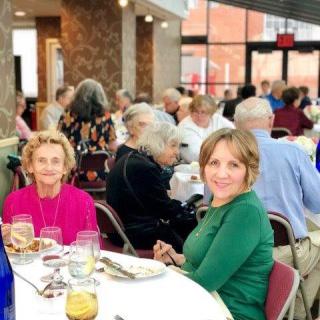
Several reviews highlight scheduled activities and recreation staff as a positive part of daily life, including resident engagement and holiday or day-to-day programming. Some residents and families also describe special recreation touches that helped reduce isolation, including virtual connection during periods when visitors were limited. While not every review focuses on activities, those that do tend to treat recreation as a meaningful support during rehab or longer stays.
How we summarize
Counts show how many written reviews mention each theme; a review can touch several themes, and only frequently mentioned themes are displayed.
Features
Housing
179 resident community capacity
Types of Care
Skilled Nursing Facility
Amenities
Air-conditioning
Beauty salon
Cable or satellite TV
Computer center
Dining room
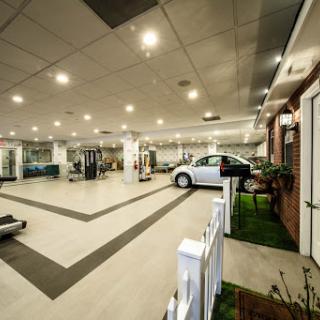
Fitness room
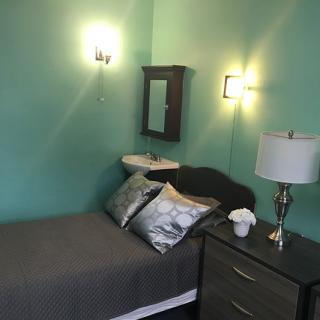
Fully furnished
Gaming room
Garden
Housekeeping services
Kitchenette
Move-in coordination
Outdoor space
Private bathrooms
Restaurant-style dining
Small library
Telephone
Wellness center
Wi-Fi/high-speed internet available
Transportation
LaGuardia (3 miles away)
John F Kennedy International (10 miles away)
Newark International (20 miles away)
Westchester Cty (20 miles away)
Community operated transportation
Transportation arrangement
Transportation arrangement (non-medical)
Transportation to doctors appointments
Care Services
12-16 hour nursing
24-hour call system
24-hour supervision
Activities of daily living assistance
Assistance with bathing
Assistance with dressing
Assistance with transfers
Diabetes diet
Meal preparation and service
Medication management
Mental wellness program
Special dietary restrictions
Dining
Diabetes diet
Special dietary restrictions
Activities
Community-sponsored activities
Concierge services
Fitness programs
Planned day trips
Resident-run activities
Scheduled daily activities
Nearby Places of Interest
Pharmacies
CVS Pharmacy (0.6 miles)
CVS Pharmacy (1 miles)
Queens Crossing (1.7 miles)
CVS Pharmacy (2.3 miles)
CVS Pharmacy (2.8 miles)
CVS Pharmacy (3 miles)
Walgreens (3.8 miles)
Restaurants
Taco Bell (2 miles)
McDonald's (2.4 miles)
Burger King (3.2 miles)
Ikraveit Foods (6.2 miles)
White Castle (6.6 miles)
Harlem Kebab Grill (7.2 miles)
McDonald's (7.2 miles)
Transportation
MTA - Mets-Willets Point Subway Station (2.6 miles)
LIRR - Mets-Willets Point Station (2.6 miles)
Terminal D (2.7 miles)
Terminal C (2.8 miles)
Terminal B (3.1 miles)
LaGuardia Airport (LGA) (3.2 miles)
Rideshare Pick-up (3.2 miles)
Parks
Flushing Meadows Corona Park (3 miles)
Cunningham Park (4.2 miles)
Alley Pond Park (4.4 miles)
Allenwood Park (4.8 miles)
Forest Park (5.7 miles)
Randall's Island Park (5.8 miles)
Astoria Park (6.3 miles)
Theaters
AMC Fresh Meadows 7 (3.2 miles)
AMC Bay Plaza Cinema 13 (5.9 miles)
Cafes
Starbucks (4.4 miles)
Starbucks (6.8 miles)
Places of Worship
St Luke's Episcopal Church (5 miles)
Physicians
North Shore Gastroenterology Associates PC (5.3 miles)
2 Pro Health Plaza (6.6 miles)
David H. Koch Center for Cancer Care at Memorial Sloan Kettering Cancer Center (7.3 miles)
Memorial Sloan Kettering Cancer Center (7.6 miles)
Hospitals
Division of Vascular/Interventional Radiology at Long Island Jewish Medical Center (5.8 miles)
Palliative care enhances the quality of life for seriously ill patients by providing comprehensive support at home through a multidisciplinary team, addressing various needs and prioritizing comfort over curative treatments. While it offers personalized care and involves family in decision-making, challenges like caregiver stress and logistical issues persist, with growing demand prompting advancements in technology and healthcare policies to improve access.
Palliative home care focuses on improving the quality of life for individuals with serious illnesses by providing comfort, symptom management, and emotional support in their own homes. This approach includes personalized care plans, regular assessments, and resources for family caregivers, all while prioritizing person-centered treatment that aligns with patients' goals.
Skilled nursing facilities (SNFs) provide high-level medical care and rehabilitation for short-term recovery, typically covered by Medicare after hospitalization, while nursing homes focus on ongoing custodial care for chronic conditions, mainly funded by Medicaid or private payments. The staffing and regulatory structures differ significantly between the two, necessitating clarity for families in choosing appropriate long-term care options.
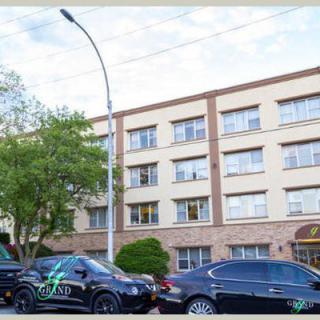
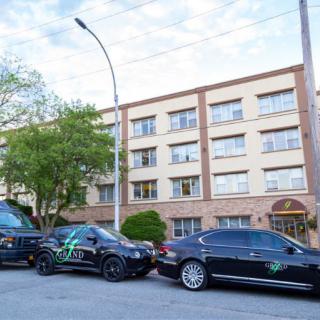
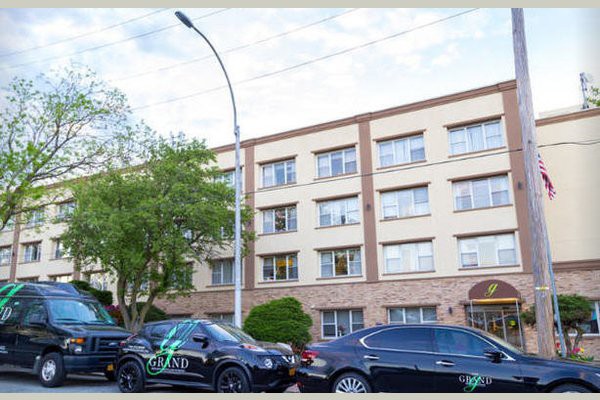
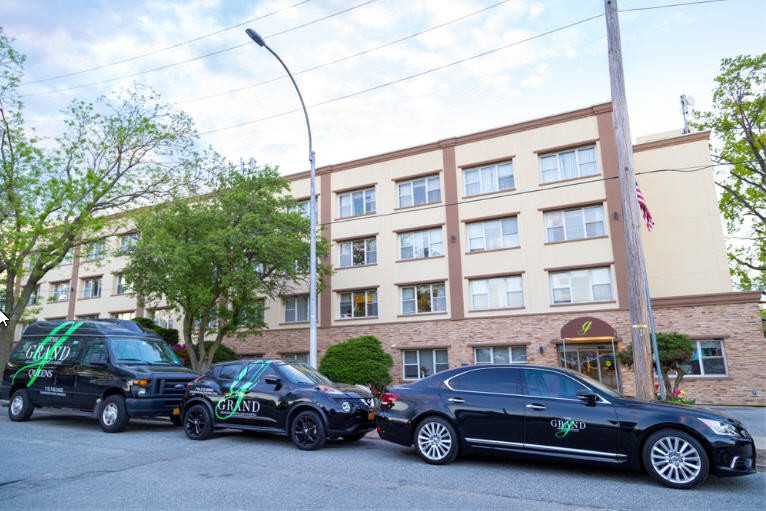
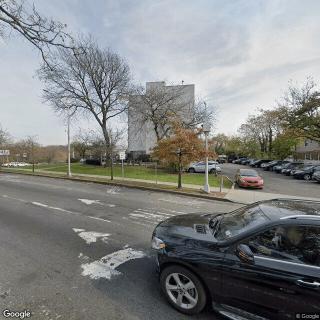
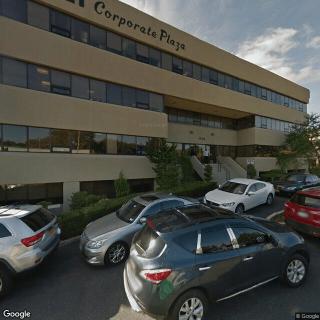
The Grand Rehabilitation And Nursing At Queens photos
×
Building
Urban
Building and Urban
Trees and Exterior
Get PricingAsk A QuestionSchedule A TourContact Senior Advisor
By clicking submit, you agree to our Partner's Terms of Use. You
also consent to receive calls and texts, which may be autodialed, from our Partner. Your consent is not a condition to
using our Partner's service. Please visit our Partner's Privacy Policy for information about their privacy practices.

 179 resident community capacity
 Skilled Nursing Facility
 Air-conditioning
 Beauty salon
 Cable or satellite TV
 Computer center
 Dining room
 Fitness room
 Fully furnished
 Gaming room
 Garden
 Housekeeping services
 Kitchenette
 Move-in coordination
 Outdoor space
 Private bathrooms
 Restaurant-style dining
 Small library
 Telephone
 Wellness center
 Wi-Fi/high-speed internet available
 LaGuardia (3 miles away)
 Community operated transportation
 12-16 hour nursing
 24-hour call system
 Activities of daily living assistance
 Assistance with bathing
 Assistance with dressing
 Assistance with transfers
 Diabetes diet
 Medication management
 Mental wellness program
 Special dietary restrictions
 Concierge services
 Planned day trips
 Effective physical and occupational therapy with prompt emergency response.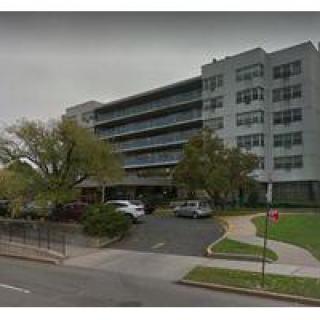
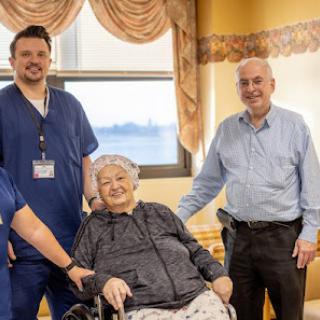
 Exploring Palliative Care in the Home: A Comprehensive Overview
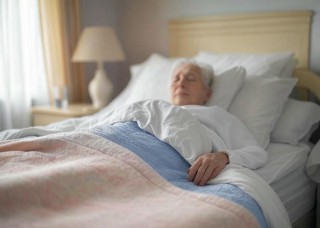 Comprehensive Insights into Palliative Home Care: What It Is and What to Expect
 Skilled Nursing Facilities vs. Nursing Homes: Making Sense of the Differences