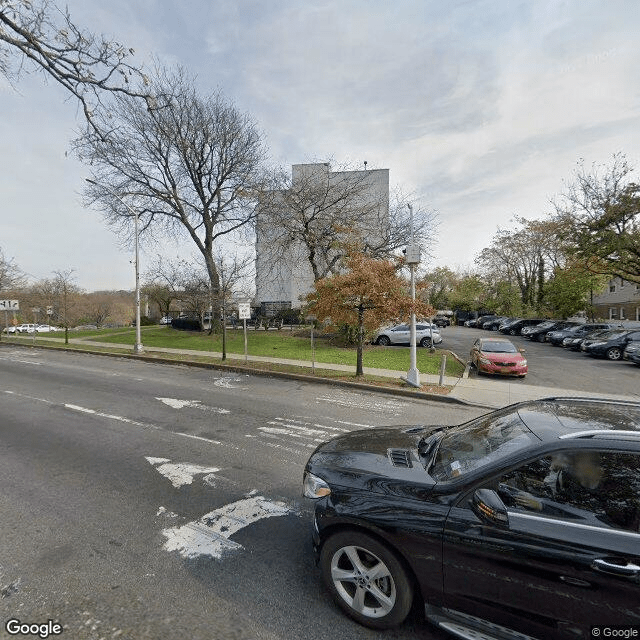
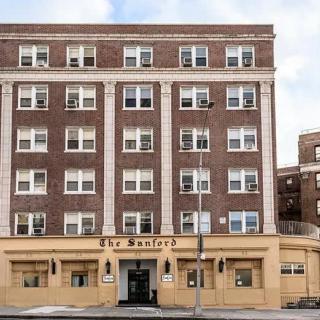
Bridgeview Nursing Home in Flushing, NY
Save
14310 20th Ave, Flushing, NY 11357
For more information about senior living options: (844) 490-3973
Bridge View Nursing Home in Flushing is best suited for families that can stay actively involved in care decisions and for residents who need routine nursing attention rather than intensive dementia care. The facility earns praise for certain frontline staff and for rehab on specific units, indicating a capability to support recovery and daily needs when expectations are managed on a floor-by-floor basis. However, the environment and care model are not aligned with every resident's requirements. The reviews emphasize a lack of dementia-specific programming, limited equipment for behaviorally complex patients, and an aging infrastructure that raises safety questions. In short, it serves a subset of needs but falls short for those demanding robust, specialized memory care and high safety standards across the building.
Potential residents should consider alternatives if a modern, maintenance-forward campus with consistent dementia programming and predictable management is non-negotiable. Some families found other Grand-branded facilities with stronger reputations for memory care and administrative responsiveness, and outside options may offer more up-to-date renovations, more reliable phone access, and fewer reported safety gaps. For residents with advanced cognitive impairment or those requiring constant supervision and rapid response, Bridge View Nursing Home is unlikely to meet those expectations. Even families seeking a short-term rehab stint should weigh whether the on-site rehab teams can deliver stable, timely care in a facility where other systems - food, housekeeping, and transportation - are consistently reliable.
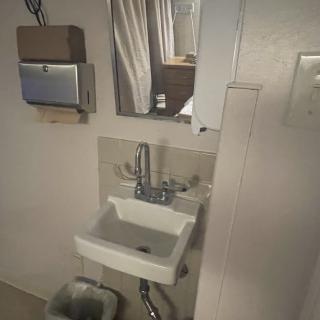
On the pro side, several reviews highlight compassionate nurses and aides who form meaningful connections and advocate for residents. Some residents report effective rehab care and attentive physical therapy, with social workers or administrators who are accessible and supportive in planning next steps. Food and atmosphere receive mixed signals, with some praise for meals and hospitality and others denouncing quality and portion sizes. The best days often align with dedicated staff members who exhibit professionalism and a willingness to coordinate with families. However, the cons are systemic: an aging, outdated building; maintenance delays; inconsistent supervision; reports of rough or unresponsive staff; and significant concerns about patient safety, including dangerous handling practices and delays in addressing medical alarms.
Management shows pockets of responsiveness. Instances where a director and administration engaged families and moved care forward are noted, including praise for particular directors and staff who stepped in to facilitate care and finances. Yet the overall picture includes frequent communication gaps: unanswered calls, lost records, delays in arranging tours or updates, and frustration with billing or insurance which can undermine trust during a stressful time. Parking and visitor experience are also flags for families trying to maintain involvement. These inconsistencies create a risk that care coordination will lag when thresholds are high, undermining the reliability that families rely on in long-term placements.
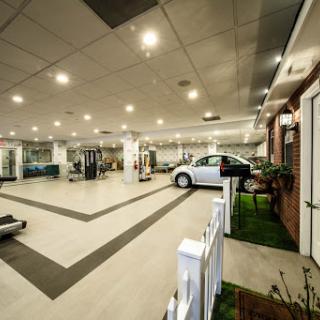
Prospective residents should verify floor-by-floor realities: whether a dementia-specific unit exists or if residents with cognitive impairment receive appropriate supervision; current staffing levels, especially nights and weekends; maintenance responsiveness for essential equipment; and the status of safety upgrades like bed rails and alarms. Involve the social services team early and ask for written policies on abuse prevention, incident reporting, and family communication. Request a tour with direct observation of meal service, activity engagement, and the rehab gym. Clarify financial terms, billing practice, and how money matters are handled by the designated case manager. Finally, insist on contacting current residents or families about their recent experiences to gauge consistency over time.
Bridge View Nursing Home is a choice with clear trade-offs. It can work for families who want accessible rehab, staff who will go the extra mile on certain units, and a homelike feel when care is aligned with a dedicated team. Yet the facility's core weaknesses - outdated infrastructure, inconsistent supervision, and variable administrative reliability - make it a risky pick for those who require steady dementia care, modern amenities, and airtight safety. If memory care needs or rigorous supervision are priorities, exploration of alternatives is strongly advised, including other Grand facilities with stronger dementia programs or newer campuses in the region. The decisive criterion is ongoing, hands-on engagement from families to ensure readiness to advocate and to act quickly if concerns arise.
Bridgeview Nursing Home is an exceptional assisted living community located in the vibrant neighborhood of Flushing, NY. Situated in a convenient location, residents can enjoy easy access to various amenities and services that greatly enhance their overall quality of life.
Nature lovers will delight in the presence of three nearby parks, offering a tranquil escape from the bustling city life. These green spaces provide opportunities for leisurely strolls, picnics, and enjoying the beauty of nature throughout the seasons.
Health-conscious individuals will appreciate the close proximity of 14 pharmacies, ensuring that all medical needs are met efficiently and promptly. Whether it's managing medications or accessing healthcare supplies, residents can confidently rely on these nearby establishments for their pharmaceutical needs.
Food enthusiasts will be pleased to discover three excellent restaurants within reach of Bridgeview Nursing Home. From diverse culinary options to charming local eateries, residents have a variety of dining choices available to them without venturing too far from home.
Accessibility is paramount at this assisted living community with 14 transportation options nearby. Whether it's public transportation or private car services, residents can effortlessly explore surrounding areas or visit loved ones with ease.
For those seeking spiritual comfort and connection, there is a place of worship conveniently located nearby. Residents are welcome to attend religious services or engage in personal reflection as per their beliefs and preferences.
Culture enthusiasts will find entertainment options right at their doorstep with one theater just moments away from Bridgeview Nursing Home. Residents can indulge in live performances or cinematic experiences without having to travel far.
Overall, Bridgeview Nursing Home offers an exceptional assisted living experience enriched by its prime location in Flushing. With abundant access to parks, pharmacies, restaurants, transportation services, places of worship, and theaters – residents can truly enjoy a well-rounded lifestyle tailored to their interests and needs.
This area of Flushing, New York, offers a convenient location with various amenities suitable for senior living. With several pharmacies nearby, accessing medication and healthcare supplies is easily accessible. In terms of transportation, there are multiple options including subway stations, LIRR access, and LaGuardia Airport not far away. The neighborhood provides a diverse selection of restaurants offering familiar fast food options as well as more unique dining experiences. Nearby parks offer opportunities for outdoor recreation and relaxation. For cultural entertainment, there are theaters within a short distance. Places of worship and cafes are also available in the vicinity. Several hospitals and physicians' offices are within reach, ensuring easy access to medical care if needed for seniors residing in this part of Flushing.
Bridgeview Nursing Home is located at 14310 20th Ave, Flushing, NY 11357 in Queens County, New York
Comprehensive Insights into Palliative Home Care: What It Is and What to Expect
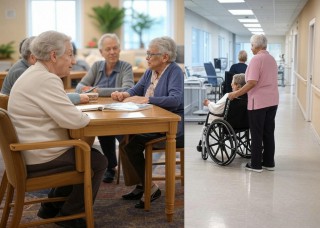
Palliative home care focuses on improving the quality of life for individuals with serious illnesses by providing comfort, symptom management, and emotional support in their own homes. This approach includes personalized care plans, regular assessments, and resources for family caregivers, all while prioritizing person-centered treatment that aligns with patients' goals.
Skilled Nursing Facilities vs. Nursing Homes: Making Sense of the Differences

Skilled nursing facilities (SNFs) provide high-level medical care and rehabilitation for short-term recovery, typically covered by Medicare after hospitalization, while nursing homes focus on ongoing custodial care for chronic conditions, mainly funded by Medicaid or private payments. The staffing and regulatory structures differ significantly between the two, necessitating clarity for families in choosing appropriate long-term care options.
A Detailed Examination of Nursing Home Costs Across the U.S.
Nursing home care costs in the U.S. vary significantly based on location, level of care, and amenities, with private room prices ranging from approximately $6,700 to over $30,000 monthly. Families need to explore various payment options and conduct thorough research to manage these expenses effectively.