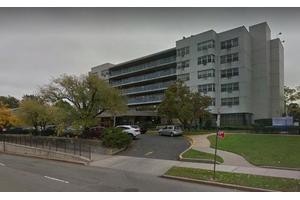
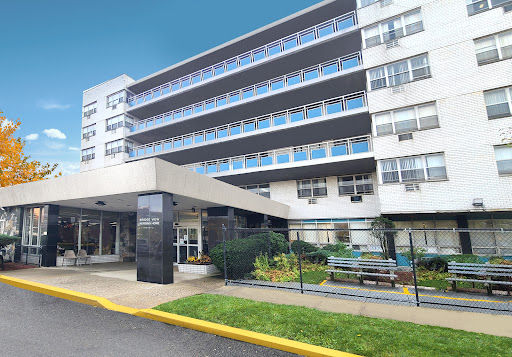
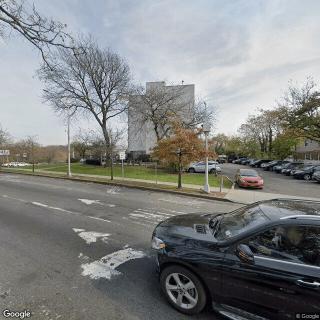
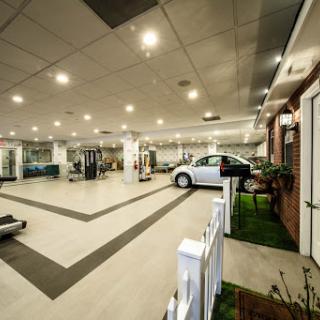
Bridge View Nursing Home in Whitestone, NY

Save
Bridge View Nursing Home Bridge View Nursing Home

Bridge View Nursing Home in Whitestone, NY

Information last verified:

143 10 20Th Avenue, Whitestone, NY 11357

For more information about senior living options: (844) 490-3973

3.1 from 77 reviews
5 stars
29
4 stars
11
3 stars
2
2 stars
9
1 stars
26

Overall Review of Bridge View Nursing Home

Pros

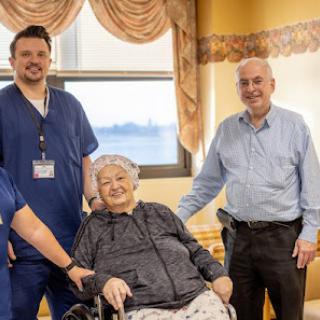
  • pro The staff are caring and attentive to residents.
  • pro Maintenance is wonderful and quickly meets residents' needs.
  • pro Recreation staff bring positive energy and meaningful activities to residents.
  • pro The nursing staff provide compassionate care and communicate well with families.
  • pro The facility is clean and well maintained.
  • pro Staff know residents by name and create a welcoming, home-like atmosphere.
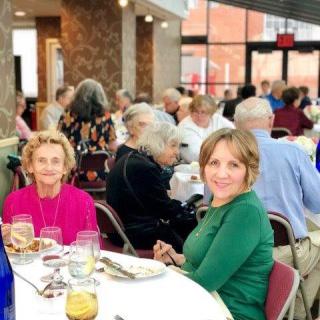
  • pro Residents have opportunities for outings and engaging activities that bring joy.

Cons

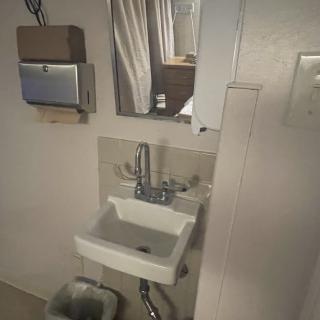
  • pro The facility is old, dirty, and in a dilapidated condition that hasn’t been renovated in decades.
  • pro The building has a terrible smell, and the overall environment feels bleak and unwelcoming.
  • pro The staff are unresponsive and unkind, and the administration often seems uncaring and hard to reach.
  • pro Residents are left in overcrowded rooms with little to no staff oversight, sometimes with lights off and no assistance.
  • pro Basic care is neglected, with reports of missed medications, inadequate pain relief, poor feeding, and little attention to hygiene.
  • pro Families have extreme difficulty contacting anyone, with constant phone unanswered and a lack of transparency about who is responsible.
  • pro The facility is unsafe, featuring malfunctioning elevators, roaches, dirty rooms, and a general sense of risk to residents.
  • pro Some experiences describe abuse or coercive practices (e.g., forced kosher dining) and a perception that residents’ rights are not respected.

Review

Bridge View Nursing Home in Whitestone is best suited for families who are prepared to be vigilant, hands-on advocates and who value rehab-oriented care delivered by a capable team on days when leadership is engaged. When administration is accessible and frontline staff are responsive, some residents receive attentive nursing care, timely therapy, and a sense of community that can make a difficult transition manageable. The facility’s kosher-conscious dining option and on-site administration are real pluses for families navigating insurance, billing, and dietary needs. In short, Bridge View rewards involvement and clear communication with measurable gains in care on favorable days and floors.

Still, the community demands a careful, unsentimental appraisal for anyone considering it. Alternatives deserve serious consideration for families who require consistently modern surroundings, uniform cleanliness, and dependable family access. The reviews reveal age and upkeep issues that recur across floors: a facility that can feel rundown, with outdated decor and maintenance deficiencies that undermine comfort and perceived safety. In addition, a pattern of uneven responsiveness, phones that go unanswered, administrators who appear hard to reach, and staff who voice dissatisfaction, all too often translates into gaps in care and communication when minutes matter. For families seeking a consistently calm, transparent environment, Bridge View can fall short.

On the positive side, when the stars align, Bridge View demonstrates substantial strengths that can outweigh its drawbacks. Several caregivers and administrators are praised for their dedication, with names like Manny, Beverly, and the director of nursing highlighted for approachability and competence. Rehab services, therapists who guide activity, mobility, and function, are repeatedly cited as effective, helping residents regain or maintain independence. The social-work and admissions teams are also described as practical partners in navigating transitions, billing, and next steps. These success stories are not mere anecdotes; they reflect real capacity within the building when staffing is sufficient and management is engaged. When that happens, residents can experience meaningful improvements and families can feel their loved ones are in capable hands.

But the weight of the concerns remains heavy enough to influence decisions. The most alarming reviews describe a facility that feels dilapidated and unclean in places, with roaches, peeling wallpaper, and rooms that are too small for meaningful comfort or dementia care. Reports of unreliable elevator service, broken or inconsistent amenities, and a front-desk or supervisory structure that is difficult to reach heighten concerns about safety and timely care. Weight loss among residents, delayed response to medical signals, and a sense that staff may be overwhelmed or under-supported resonate as serious red flags for families evaluating long-term placement. In short, Bridge View presents a real risk calculus: the potential for excellent, person-centered care on good days versus systemic gaps that can escalate under pressure.

These tensions translate into a straightforward decision framework. Families should weigh Bridge View against nonnegotiables: cleanliness and modern facilities, guaranteed reliable communication, consistent staffing levels, and dementia-specific safeguards. If a loved one has complex dementia, mobility limitations, or requires precise pharmacologic management, the evidence suggests demanding due diligence: insist on meeting the floor where the person will live, request a current care plan, and directly observe how staff respond during peak hours. Inquiries should extend to the capability and availability of a floor-based administrator, a robust nursing supervisor presence, and a clearly defined process for family updates and emergency notifications. Ask for recent inspection outcomes, and verify whether any recurring maintenance issues have pending remedies and timelines.

For families that decide to move forward with Bridge View, the course should include a structured oversight approach. Schedule frequent visits, insist on direct lines of communication with the director of nursing and social services, and document every concern with date-stamped notes. Build contingencies for potential delays in phone access or response times, and confirm the facility’s plan for safe, engaging activities that counteract isolation, especially on floors housing dementia patients. If kosher dietary needs are central, verify the guarantees and substitutions in the long-term plan, not only during tours. Crucially, compareBridge View with other Grand-branded facilities in the region that peers consistently rate higher for cleanliness, acoustics, and predictable staffing. The contrast will often crystallize the choice.

Ultimately, Bridge View can be a viable option for families who are prepared to invest time and energy into ongoing oversight and who encounter care that, on strong days, delivers compassionate nursing, effective rehabilitation, and a supportive administrative presence. However, the cons, outdated infrastructure, inconsistent responsiveness, and reports of neglect or inadequate safety in severe cases, make it essential to screen aggressively and to have a clear exit or transition plan if the quality of care dips. For many families, that means looking at alternatives with more predictable upkeep, stronger family communication pipelines, and a proven track record of consistently clean, well-maintained environments. Bridge View should be weighed as part of a broader market scan, with readiness to act decisively if the daily reality does not align with the care goals for a loved one.

Features

Housing

  • 200 resident community capacity 200 resident community capacity

Types of Care

  • Skilled Nursing Facility Skilled Nursing FacilitySkilled Nursing Facilities are crucial for seniors as they provide round-the-clock medical care, rehabilitation services, and assistance with daily activities. These facilities ensure that seniors receive the specialized care they need to maintain their health and well-being as they age.

Amenities

  • Air-conditioning Air-conditioningAir conditioning is important for seniors as they are more vulnerable to heat-related illnesses and may have underlying health conditions that make it difficult for them to regulate their body temperature. It helps to keep them comfortable, safe, and healthy in hot weather.
  • Beauty salon Beauty salonBeauty salons are important for seniors because they provide a space for them to feel pampered, socialize, and maintain their personal grooming and hygiene. Regular visits to a beauty salon can help boost seniors' self-esteem and overall well-being.
  • Cable or satellite TV Cable or satellite TVCable or satellite TV is important for seniors because it provides entertainment, news, and companionship, helping to combat loneliness and boredom. It also offers a wide range of programming options tailored to different interests and preferences.
  • Computer center Computer centerA computer center is essential for seniors as it provides access to technology, communication tools, and resources that can enhance their daily lives. It allows them to stay connected with loved ones, engage in online activities, and learn new skills, ultimately promoting socialization and mental stimulation.
  • Dining room Dining roomDining rooms are important for seniors as they provide a space for socialization, connection, and nutritious meals. They offer opportunities for residents to bond over shared meals, foster a sense of community, and promote healthy eating habits. Dining rooms also ensure that seniors have access to well-balanced meals tailored to their dietary needs and preferences.
  • Fitness room Fitness roomHaving a fitness room in a senior living community is essential for seniors to stay active, maintain their physical health, and improve their overall well-being. Regular exercise can help prevent falls, reduce the risk of chronic diseases, and promote mental sharpness. It also provides social opportunities for residents to connect with others and enjoy a sense of community.
  • Fully furnished Fully furnishedFully furnished senior living communities are important for seniors because they provide convenience, comfort, and a hassle-free moving experience. Seniors can easily settle into their new living space without the stress of having to buy and move furniture. This allows them to focus on enjoying their new home and community.
  • Gaming room Gaming roomGaming rooms are important for seniors as they provide a fun and engaging environment for socializing, cognitive stimulation, and physical activity. Games can improve memory, problem-solving skills, and overall mental well-being while fostering friendships and reducing feelings of isolation.
  • Garden GardenGardens are important for seniors as they provide a peaceful and therapeutic environment for relaxation, physical activity, and socialization. Being in nature has been shown to reduce stress, improve mood, and promote overall well-being. Gardens also offer opportunities for seniors to engage in gardening activities, which can improve mobility, flexibility, and cognitive function. Additionally, gardens create a sense of community and connection with others who share a passion for plants and outdoor spaces.
  • Housekeeping services Housekeeping servicesHousekeeping services are important for seniors because they help maintain a clean and safe living environment, promote independence, and reduce the risk of accidents or illnesses. Additionally, having assistance with household chores can alleviate physical strain and allow seniors to focus on other aspects of their well-being.
  • Kitchenette KitchenetteKitchenettes are important for seniors living in senior living communities because they provide the convenience and independence of being able to prepare simple meals and snacks in the comfort of their own living space. This can help promote a sense of autonomy and well-being for seniors, allowing them to maintain some level of control over their dietary choices and daily routines.
  • Move-in coordination Move-in coordinationMove-in coordination is important for seniors because it helps ease the transition into their new living environment. It ensures that all logistics, such as packing, organizing movers, and setting up utilities are taken care of, allowing seniors to focus on settling in and adjusting to their new home. Having a smooth move-in process can alleviate stress and anxiety, making the transition smoother and more enjoyable for seniors.
  • Outdoor space Outdoor spaceOutdoor spaces are important for seniors as they provide opportunities for physical activity, social interaction, exposure to natural light and fresh air, and a sense of connection to nature. Having access to outdoor spaces can improve overall well-being and quality of life for older adults living in senior communities.
  • Private bathrooms Private bathroomsPrivate bathrooms are important for seniors in senior living communities because they provide independence, dignity, and comfort. Having a private bathroom allows seniors to maintain their personal hygiene routines without the need for assistance, promoting a sense of autonomy and privacy. Additionally, private bathrooms help prevent the spread of infections and provide a safe and clean environment for seniors to navigate safely.
  • Restaurant-style dining Restaurant-style diningRestaurant-style dining is important for seniors because it allows them to enjoy delicious, nutritious meals in a social and upscale setting. This enhances their dining experience, promotes healthy eating habits, and fosters socialization with fellow residents, ultimately contributing to their overall well-being and quality of life.
  • Security gate Security gateSecurity gates provide an added layer of protection and peace of mind for seniors living in a community. They help prevent unauthorized entry, deter potential intruders, and create a sense of security for residents. This extra security measure can make seniors feel safe and secure in their living environment.
  • Small library Small librarySmall libraries are important for seniors as they provide access to a variety of reading materials, including books, newspapers, and magazines. This can help stimulate their minds, keep them engaged, and provide a sense of community through book clubs and other social activities. Additionally, reading has been shown to improve cognitive function and overall mental well-being in older adults.
  • Telephone TelephoneTelephones are important for seniors as they provide a lifeline for communication with loved ones, emergency services, and healthcare providers. They offer a sense of security and independence, enabling seniors to stay connected and access assistance when needed.
  • Wellness center Wellness centerWellness centers are important for seniors because they offer a variety of programs and services that promote physical, mental, and emotional well-being. These centers provide opportunities for exercise, socialization, education, and relaxation, helping seniors maintain their overall health and quality of life.
  • Wi-Fi/high-speed internet available Wi-Fi/high-speed internet availableWi-Fi/high-speed internet is important for seniors to stay connected with loved ones, access online resources, and participate in virtual activities to combat feelings of loneliness and isolation. It also allows them to easily manage healthcare needs, access entertainment, and engage in lifelong learning opportunities.

Transportation

  • LaGuardia (3 miles away) LaGuardia (3 miles away)
  • John F Kennedy International (10 miles away) John F Kennedy International (10 miles away)
  • Newark International (19 miles away) Newark International (19 miles away)
  • Westchester Cty (21 miles away) Westchester Cty (21 miles away)
  • Community operated transportation Community operated transportationCommunity operated transportation is crucial for seniors as it provides them with the means to access essential services, social activities, and medical appointments. It allows seniors to maintain their independence and quality of life by ensuring they can participate in activities outside of their homes. Additionally, community-operated transportation services offer a safe and reliable way for seniors to travel without having to rely on family or friends for assistance.
  • Transportation arrangement Transportation arrangementTransportation arrangements are crucial for seniors as they may face challenges with driving, mobility, or access to public transportation. Having reliable transportation services ensures that seniors can easily attend appointments, social activities, and maintain their independence and quality of life.
  • Transportation arrangement (non-medical) Transportation arrangement (non-medical)Transportation arrangements are essential for seniors as they provide access to essential services, activities, and social interactions outside the home. This service helps maintain independence, mobility, and overall well-being for seniors who may have limited transportation options.
  • Transportation to doctors appointments Transportation to doctors appointmentsTransportation to doctors appointments is crucial for seniors as it ensures they have access to necessary medical care and support, promoting their health and well-being. It allows them to receive timely treatment, monitor existing conditions, and address any new health concerns efficiently. Additionally, transportation services can help seniors maintain their independence and quality of life by enabling them to stay connected with their healthcare providers.

Care Services

  • 12-16 hour nursing 12-16 hour nursing12-16 hour nursing care is crucial for seniors in order to ensure around-the-clock monitoring, timely medication administration, and prompt response to any health concerns or emergencies. This level of care helps to promote the overall well-being and safety of seniors living in senior living communities.
  • 24-hour call system 24-hour call system24-hour call systems are important for seniors because they provide peace of mind and immediate assistance in case of emergencies. This technology ensures that help is always available, promoting safety and security for elderly individuals living alone or in assisted living facilities.
  • 24-hour supervision 24-hour supervision24-hour supervision is important for seniors to ensure their safety, well-being, and access to immediate assistance in case of emergencies or health issues. This constant support provides peace of mind for both seniors and their loved ones, allowing them to age in place with dignity and security.
  • Activities of daily living assistance Activities of daily living assistanceActivities of daily living assistance are important for seniors because they provide essential support with tasks such as eating, bathing, dressing, and mobility. This assistance helps seniors maintain their independence, dignity, and overall quality of life as they age.
  • Assistance with bathing Assistance with bathingAssistance with bathing is crucial for seniors as it helps maintain personal hygiene, prevents infections, and ensures their overall well-being and comfort. It also provides a sense of dignity and independence for seniors who may struggle with this task on their own.
  • Assistance with dressing Assistance with dressingAssistance with dressing is important for seniors because it helps maintain their independence, promotes personal hygiene, prevents accidents and injuries, and improves overall quality of life. This service ensures that seniors can continue to dress comfortably and confidently, despite any physical limitations they may have.
  • Assistance with transfers Assistance with transfersAssistance with transfers is crucial for seniors as it helps prevent falls and injuries, maintains their independence, and ensures they can safely navigate their living environment. It also provides peace of mind for both seniors and their loved ones.
  • Diabetes diet Diabetes dietA diabetes diet is crucial for seniors as it helps manage blood sugar levels, reduce risks of complications, and improve overall health and well-being. By following a balanced and nutritious diet tailored to their specific needs, seniors can better control their diabetes and enhance their quality of life.
  • Meal preparation and service Meal preparation and serviceMeal preparation and service are crucial for seniors as they may have limited mobility or energy to cook nutritious meals. Having access to healthy and convenient food options can ensure they are getting the proper nutrition needed to maintain their overall health and well-being.
  • Medication management Medication managementMedication management is crucial for seniors to ensure they are taking the right medications at the correct dosages and times. This helps prevent adverse drug interactions, reduces the risk of medication errors, and promotes overall health and well-being. Proactive management also allows for adjustments as needed based on changing health conditions or new prescriptions.
  • Mental wellness program Mental wellness programMental wellness programs are essential for seniors as they promote cognitive stimulation, emotional support, and social engagement. These programs help prevent isolation, depression, and cognitive decline, ultimately enhancing the overall quality of life for older adults.
  • Special dietary restrictions Special dietary restrictionsSpecial dietary restrictions are important for seniors because age-related changes in metabolism and health conditions can make it difficult for their bodies to process certain foods. By following a diet tailored to their specific needs, seniors can maintain their overall health and well-being, manage chronic conditions, and reduce the risk of complications such as malnutrition or food interactions with medications.

Dining

  • Diabetes diet Diabetes dietA diabetes diet is crucial for seniors as it helps manage blood sugar levels, reduce risks of complications, and improve overall health and well-being. By following a balanced and nutritious diet tailored to their specific needs, seniors can better control their diabetes and enhance their quality of life.
  • Special dietary restrictions Special dietary restrictionsSpecial dietary restrictions are important for seniors because age-related changes in metabolism and health conditions can make it difficult for their bodies to process certain foods. By following a diet tailored to their specific needs, seniors can maintain their overall health and well-being, manage chronic conditions, and reduce the risk of complications such as malnutrition or food interactions with medications.

Activities

  • Community-sponsored activities Community-sponsored activitiesCommunity-sponsored activities are important for seniors as they provide opportunities for social interaction, mental stimulation, and physical activity. These activities can help improve overall well-being, combat loneliness and isolation, and promote a sense of belonging and purpose among older adults.
  • Concierge services Concierge servicesConcierge services are essential for seniors as they provide assistance with daily tasks and errands, enhance their quality of life by offering convenience and personalized care, and promote a sense of safety and security.
  • Fitness programs Fitness programsFitness programs are crucial for seniors as they help improve strength, flexibility, balance, and overall well-being. Staying active can reduce the risk of chronic diseases, improve mental health, and enhance quality of life in older adults.
  • Planned day trips Planned day tripsPlanned day trips are important for seniors because they offer opportunities for socialization, mental stimulation, and physical activity. They provide a change of scenery and help seniors stay engaged and connected to their community, promoting overall well-being and quality of life.
  • Resident-run activities Resident-run activitiesResident-run activities are important for seniors as they encourage social interaction, creativity, and a sense of autonomy. These activities empower seniors to stay engaged and active in their community while fostering meaningful connections with their peers.
  • Scheduled daily activities Scheduled daily activitiesScheduled daily activities are important for seniors because they provide structure, socialization, mental stimulation, and physical activity. Engaging in regular activities can improve overall well-being and quality of life for seniors living in a community setting.

Languages Spoken

  • Cantonese CantoneseCantonese language and cultural services are important for seniors as they provide a sense of familiarity, comfort, and connection to their heritage, facilitating better communication with caregivers and creating a more inclusive and enriching experience in senior living communities.
  • English EnglishEnglish is important for seniors as it allows them to communicate effectively with healthcare providers, understand important information related to their health and medications, stay connected with loved ones, and engage in social activities within their communities. It also opens up opportunities for lifelong learning and intellectual stimulation.
  • Hebrew HebrewLearning Hebrew can be beneficial for seniors in various ways, including helping them connect with their heritage, providing cognitive stimulation, and fostering a sense of community within the Jewish senior living population. It can also enhance their communication skills and open up new social opportunities.
  • Russian RussianRussian language and cultural programs are important for seniors in senior living communities because they help residents maintain their cultural identity, connect with others who share their background, and engage in activities that are meaningful to them. These programs can improve seniors' mental and emotional well-being, enhance their sense of belonging, and make their overall living experience more fulfilling.
  • Spanish SpanishSpanish is an important language for seniors because it allows them to communicate effectively with caregivers, medical professionals, and others in their community who may speak Spanish as their primary language. It also provides opportunities for cultural enrichment and social connections.
  • Tagalog TagalogTagalog language services are important for seniors as they provide a sense of connection and comfort for those who speak the language. This can help them feel more at ease and engaged in their community, improving their overall well-being and quality of life.

Description

Bridge View Nursing Home is a premier assisted living community located in Whitestone, NY. Our community offers a wide range of amenities and care services to ensure the comfort and well-being of our residents.

At Bridge View Nursing Home, we understand the importance of maintaining a high quality of life, which is why we provide amenities such as a beauty salon, cable or satellite TV, a computer center, a gaming room, and a small library for our residents to enjoy. Our fully furnished apartments feature private bathrooms and kitchenettes for added convenience.

We also prioritize the health and wellness of our residents by offering an array of care services. With 24-hour call systems and supervision, assistance with activities of daily living (such as bathing and dressing), medication management, and special dietary restrictions, our dedicated team ensures that each resident receives personalized care tailored to their needs.

In addition to our outstanding amenities and care services, we offer a variety of dining options with restaurant-style dining and special dietary restrictions taken into consideration. Our residents can also enjoy planned day trips, fitness programs, scheduled daily activities, and resident-run activities to stay engaged and active in our community.

Bridge View Nursing Home is committed to providing a multicultural environment where all residents feel at home. With staff members who speak English, Hebrew, Russian, Spanish, and Tagalog fluently, language barriers are not an issue.

Our location in Whitestone offers convenient access to nearby amenities such as cafes, parks, pharmacies, restaurants, transportation options, places of worship, and theaters. Residents can enjoy exploring the surrounding neighborhood or take advantage of our community-operated transportation services for non-medical needs or doctors appointments.

Choose Bridge View Nursing Home for an exceptional assisted living experience that prioritizes comfort, well-being,and engagement within a vibrant community setting. We look forward to welcoming you or your loved one into our family!

Nearby Places of Interest

Pharmacies

  • CVS Pharmacy (0.5 miles)
  • CVS Pharmacy (1.1 miles)
  • Queens Crossing (1.5 miles)
  • CVS Pharmacy (2.5 miles)
  • CVS Pharmacy (3.1 miles)
  • CVS Pharmacy (3.2 miles)
  • Walgreens (3.8 miles)

Transportation

  • MTA - Mets-Willets Point Subway Station (2.2 miles)
  • Terminal D (2.2 miles)
  • Terminal C (2.3 miles)
  • LIRR - Mets-Willets Point Station (2.3 miles)
  • Terminal B (2.6 miles)
  • LaGuardia Airport (LGA) (2.7 miles)
  • Rideshare Pick-up (2.7 miles)

Restaurants

  • Taco Bell (2.3 miles)
  • McDonald's (2.8 miles)
  • Burger King (3.6 miles)
  • Ikraveit Foods (5.7 miles)
  • Harlem Kebab Grill (6.7 miles)
  • White Castle (6.9 miles)
  • McDonald's (7.2 miles)

Parks

  • Flushing Meadows Corona Park (2.7 miles)
  • Cunningham Park (4.5 miles)
  • Alley Pond Park (4.8 miles)
  • Randall's Island Park (5.3 miles)
  • Allenwood Park (5.3 miles)
  • Forest Park (5.5 miles)
  • Astoria Park (5.7 miles)

Theaters

  • AMC Fresh Meadows 7 (3.5 miles)
  • AMC Bay Plaza Cinema 13 (5.9 miles)

Places of Worship

  • St Luke's Episcopal Church (4.8 miles)

Cafes

  • Starbucks (5 miles)
  • Starbucks (7.3 miles)

Hospitals

  • Manhattan Psychiatric Center (5.6 miles)
  • St Barnabas Hospital (6.1 miles)
  • Division of Vascular/Interventional Radiology at Long Island Jewish Medical Center (6.3 miles)
  • Metropolitan Hospital Center (6.3 miles)
  • Russ Berrie Medical Science Pavilion (7.3 miles)
  • Bronx VA Medical Center (7.3 miles)

Physicians

  • North Shore Gastroenterology Associates PC (5.9 miles)
  • David H. Koch Center for Cancer Care at Memorial Sloan Kettering Cancer Center (6.7 miles)
  • Memorial Sloan Kettering Cancer Center (7 miles)
  • 2 Pro Health Plaza (7.1 miles)
  • Morgan Stanley Children's Hospital (7.4 miles)

Frequently Asked Questions

Where is Bridge View Nursing Home?

Nearby Communities

  • Bridgeview Nursing Home

    Bridgeview Nursing Home

    Flushing, NY

    3.1 from 60 reviews
     

    pro Dedicated staff ready to assist and accessible management for family inquiries.


  • Preferred Care Management

    Preferred Care Management

    Whitestone, NY


    pro Excellent access to parks, pharmacies, dining, transit, and cultural venues.

  • The Grand Rehabilitation And Nursing At Queens

    The Grand Rehabilitation And Nursing At Queens

    Whitestone, NY

    3.9 from 126 reviews
     

    pro Compassionate, professional staff with strong rehab services.

  • The Pavilion At Queens For Rehabilitation & Nrsing

    The Pavilion At Queens For Rehabilitation & Nrsing

    Flushing, NY

    4.6 from 110 reviews
     

    pro Extensive amenities and 24/7 care

  • The Grand Rehabilitation and Nursing at Queens

    The Grand Rehabilitation and Nursing at Queens

    Whitestone, NY

    3.8 from 148 reviews
     

    pro Effective physical and occupational therapy with prompt emergency response.

  • Woodcrest Rehab & Residential H C Center

    Woodcrest Rehab & Residential H C Center

    Flushing, NY

    3.9 from 93 reviews
     

    pro Extensive on-site amenities and around-the-clock care

  • Flushing House

    Flushing House

    Flushing, NY

    4.5 from 78 reviews
    $3,300 to $4,250 / month

    pro Clean facilities with friendly staff, engaging activities, and quality dining at good value.

  • Cliffside Rehab & Residential Health Care Center

    Cliffside Rehab & Residential Health Care Center

    Flushing, NY

    4.1 from 122 reviews
     

    pro Caring nursing staff with engaging activities and strong rehab support.

  • Sanford Home

    Sanford Home

    Flushing, NY

    3.7 from 13 reviews
    $2,000 / month

    pro Clean, safe environment with reliable medication management and transport to medical appointments.

Related Resources

  • non medical home careExploring Nonmedical Home Care: Understanding Services, Costs, and Financial Approaches

    Nonmedical home care provides assistance with daily activities and companionship for individuals wishing to maintain independence and quality of life at home, without medical intervention. Its growing popularity is driven by an aging population, the need for supportive environments for recovery, and the emotional benefits of caregiver companionship, while costs vary based on service frequency and location.

  • brain games for seniorsEngaging Brain Games and Innovative Apps to Keep Senior Minds Active
    Maintaining cognitive fitness through engaging in various brain games, both traditional and digital, is crucial for seniors as it enhances memory retention, problem-solving abilities, and emotional well-being while helping to protect against age-related decline. A holistic approach that includes diverse activities, physical exercise, a balanced diet, and social interaction further supports mental health and cognitive function.

  • brain games for seniorsEffective Strategies for Keeping Seniors' Minds Active: A Deep Dive into Brain Games and Apps
    The article outlines strategies for keeping seniors' minds active through brain games and apps, highlighting the importance of cognitive exercises, social engagement, and a healthy lifestyle in combating cognitive decline. It emphasizes the benefits of various types of games and offers practical tips for maintaining mental wellness through enjoyable activities while acknowledging their limitations.