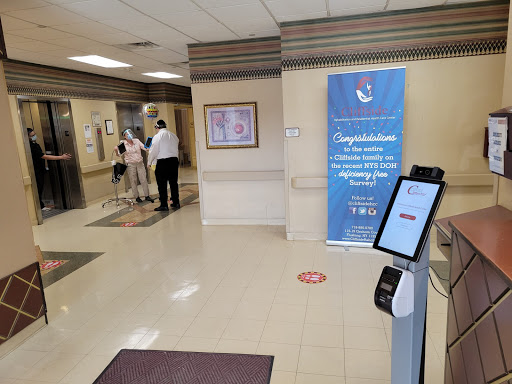
Overall Review of Cliffside Rehab & Residential Health Care Center
caveat
10 reviews mention this
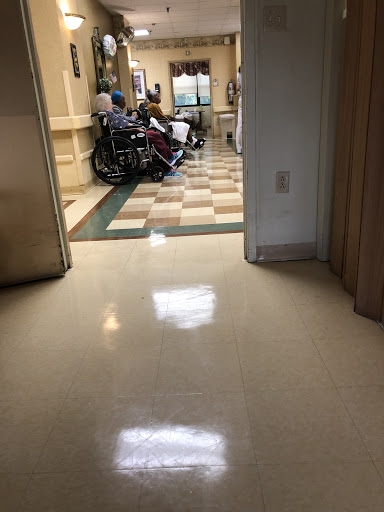
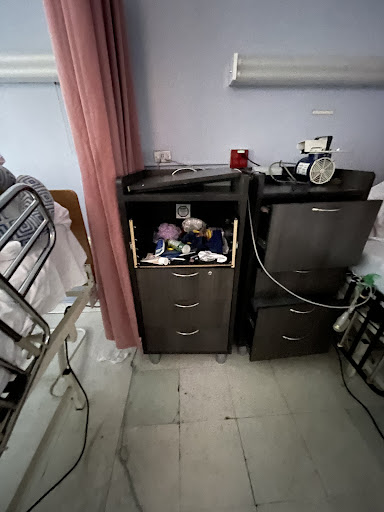
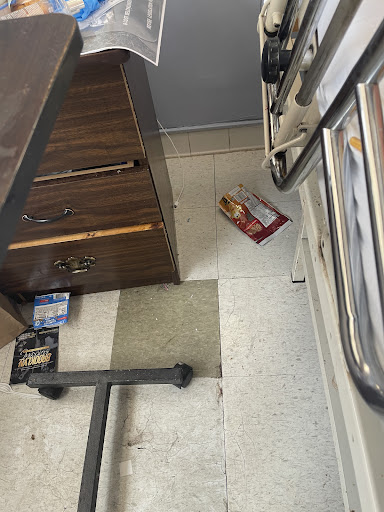
Cleanliness is a mixed picture
Residents and families describe both a clean environment and serious sanitation and pest issues.
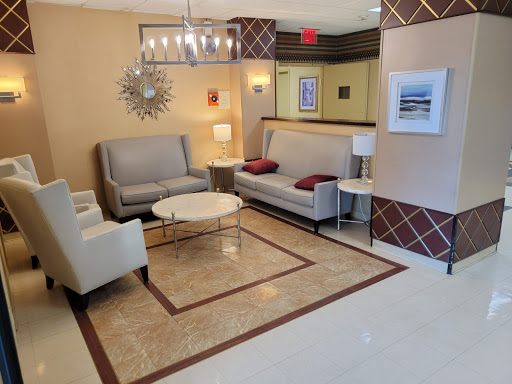
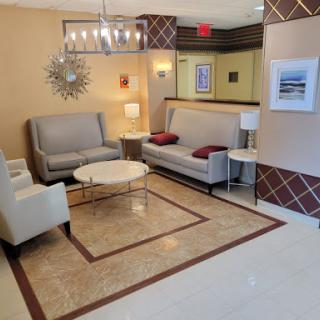
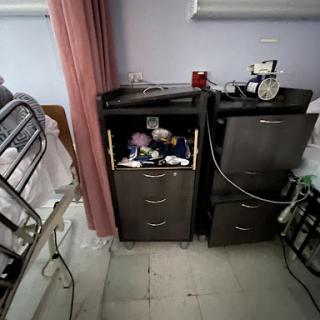
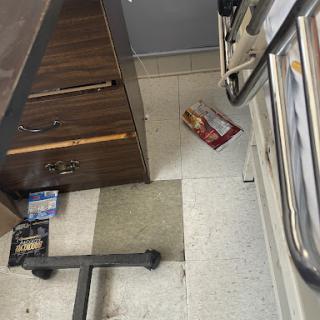
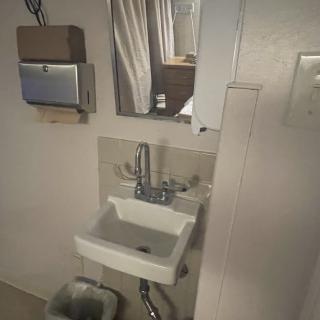
Some reviewers say the building is clean, with no bad odors and crew members who keep things tidy. Others report roaches and bedbugs, along with reports of residents left in soiled conditions and an unsanitary feel in shared spaces. A few reviews also describe the facility as dirty and “falling apart,” paired with concerns about responsiveness and basic hygiene.
common
20 reviews mention this
Staff care is frequently praised
Many reviewers describe staff as kind, attentive, and helpful during rehab or long stays.
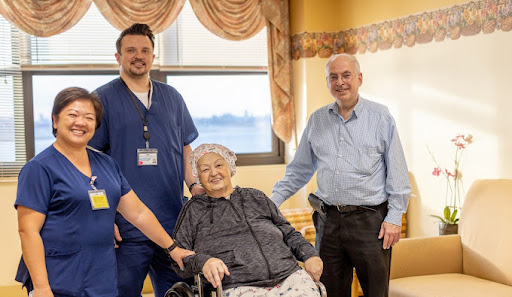
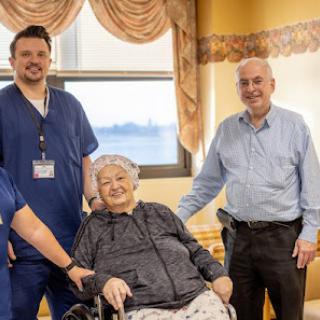
Across multiple stays and visits, reviewers describe staff members as warm, friendly, and professional, including nurses, aides, therapists, and social workers. Families mention feeling kept informed and supported, and several single out specific employees by name for attentive communication and patience. A smaller number of negative reviews say they encountered rude or inattentive staff, including concerns about basic needs not being handled promptly.
caveat
6 reviews mention this
Communication with families varies
Reviewers describe strong updates at times, but also report long gaps or access problems.
Several families say they received consistent updates and support from social work and admissions, including help navigating discharge and insurance issues. At the same time, other reviewers describe communication breakdowns—such as unanswered messages, unclear recognition of a representative, and requests for records that were not fulfilled. Some negative accounts also describe not being notified about major health changes until after outside contacts intervened.
differentiator
9 reviews mention this
Rehab therapy support is strong
Rehab services are a consistent theme, with many reviewers crediting therapy teams for progress.
Multiple reviews say physical and occupational therapy helped residents regain strength and mobility after serious setbacks, including long-term bedbound periods. Several families describe therapists as professional, encouraging, and focused on residents’ limits, with therapy continuing as planned through challenges. While some reviewers criticize nursing and daily care, positive rehab experiences appear repeatedly alongside mentions of therapists and rehab departments doing their jobs well.
common
4 reviews mention this
Meals and preferences come up
Dining experiences range from supportive to bland or disliked, with some attention to diet preferences.
Some reviewers mention that food is bland or not to their taste, while others say meals were acceptable or that staff worked with preferences. The community offers restaurant-style dining, and several reviews reference meal service and diet-focused support. A few negative reviews also describe dissatisfaction with food quality or how meals were handled for specific needs.
common
4 reviews mention this
Activities and social engagement matter
Reviews mention ongoing activities that help residents stay engaged.
Several reviewers describe day-to-day engagement, including music and resident interaction, as well as organized activities like games. Others specifically mention encouragement from activities staff and the difference it made in mood or comfort. A separate review says an Alzheimer’s patient did not participate in activities, suggesting engagement may depend on individual alertness and care needs.
How we summarize
Counts show how many written reviews mention each theme; a review can touch several themes, and only frequently mentioned themes are displayed.


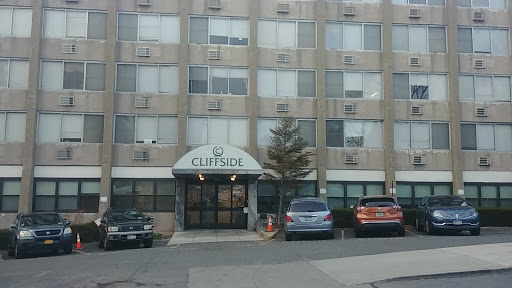



 218 resident community capacity
 Skilled Nursing Facility
 Air-conditioning
 Beauty salon
 Cable or satellite TV
 Computer center
 Dining room
 Fitness room
 Fully furnished
 Gaming room
 Garden
 Housekeeping services
 Kitchenette
 Move-in coordination
 Outdoor space
 Private bathrooms
 Restaurant-style dining
 Small library
 Telephone
 Wellness center
 Wi-Fi/high-speed internet available
 LaGuardia (1 miles away)
 Community operated transportation
 12-16 hour nursing
 24-hour call system
 Activities of daily living assistance
 Assistance with bathing
 Assistance with dressing
 Assistance with transfers
 Diabetes diet
 Medication management
 Mental wellness program
 Special dietary restrictions
 Concierge services
 Planned day trips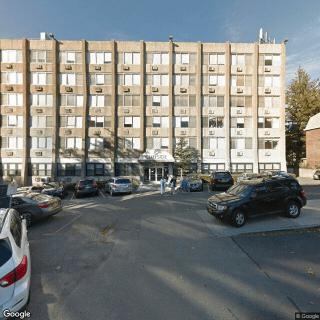
 Compassionate, attentive staff and strong rehab outcomes.


 Recognizing the Journey: Understanding and Navigating Anticipatory Grief
 Encouraging Participation in Adult Day Care: A Guide to Supporting a Hesitant Parent
 Comprehensive Exploration of Living Wills and Other Advance Directives