

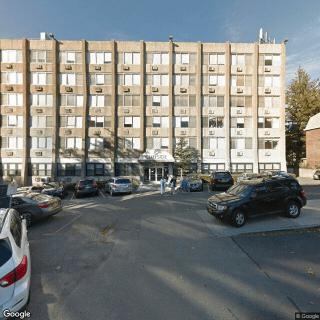
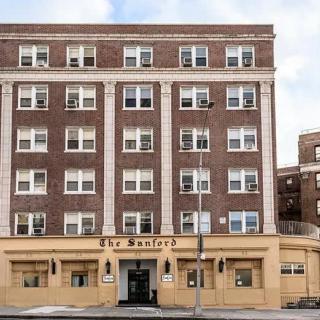
14-34 110th Street Suite 205, College Point, NY 11356
To contact a resident: (718) 261-0158
For more information about senior living options: (866) 208-4318
Overall Review of Home Helpers
Pros
 Home Helpers provided services that kept the father safe at home during recuperation.
- The owner went above and beyond to ensure safety.
- Dan helped the father attend follow-up appointments and ensured meals and personal care.
- The reviewer felt at peace with the care and would recommend the company.
- Dan and the staff are top-notch and genuinely care for their clients.
- The level of care is superior.
- The agency is the go-to choice for caring for loved ones.
- Mordo genuinely cares and selected a home health aide who was a perfect match.
- The agency has been reliable and the care has been smooth.
- The aide provided was really good and the overall experience has been satisfying.
- Rachel, the caregiver, was excellent and punctual, even during bad weather.
- The administrative and office staff are easy to work with and the aides are friendly and professional.
Cons
 The agency doesn't have a nurse, which was concerning.
- The aunt is not happy with their services.
- The caregiver doesn't do things the way she would like them to be done.
- There was a delay with the insurance processing.
Review
Home Helpers in College Point is best suited for families seeking dependable, at-home non-medical care for seniors, especially those living with memory impairment, who want hands-on, owner-led attention, predictable scheduling, and a strong emphasis on safety and daily consistency. The reviews consistently highlight an approach where the owner and a handpicked cadre of aides remain closely involved, ensuring that meals, personal care, and follow-through on medical appointments happen smoothly in the client’s own home. This agency shines when families value compatibility between client and caregiver, measured by a formal fit check and ongoing office-to-home communication that keeps care aligned with evolving needs. For families aiming to delay or avoid facility placement while preserving independence at home, this option is compelling.
Those who may want to consider alternatives include families requiring nursing or higher medical acuity on-site, or those needing around-the-clock skilled oversight. A recurring caveat is the absence of an on-staff nurse, which some caregivers and family members view as a potential gap if medical tasks or monitoring beyond personal care become necessary. The pricing model, hourly rates with minimums, also warrants scrutiny for budgets, as costs can accumulate with longer daily commitments or extended weeks. If continuity of medical staffing, broader interdisciplinary care, or more predictable insurance handling is essential, a different agency or a licensed medical home-care provider may be more suitable. For families seeking intensive memory-care programming in a facility, a dedicated memory-care setting could be preferable.
Pros consistently cited, most notably the owner’s hands-on leadership, the caliber of aides, reliable scheduling, and responsive administration, offset several practical drawbacks. The owner’s involvement translates into careful caregiver selection, evidenced by positive anecdotes about compatible matches and gentle, knowledgeable aides. The option to conduct a “chemistry check” helps ensure the client and aide share a comfortable rapport, reducing friction and elevating day-to-day safety. Administrative staff that stay in touch, manage scheduling smoothly, and respond to concerns quickly further cushion any bureaucratic friction, improving continuity when insurance or paperwork slows progress. In this light, the meaningful emphasis on safety, companionship, and practical daily support becomes a powerful counterweight to the lack of in-house nursing.
Still, the main drawbacks cannot be ignored, though they are frequently mitigated by the program’s strengths. The absence of a nurse on staff remains a meaningful consideration for families facing medical tasks that require more than personal care and supervision. Occasional insurance delays and the risk of a caregiver mismatch, as reflected in a few reviews, remind that frontline care depends on ongoing alignment among agency, caregiver, and family expectations. There are also instances where a specific caregiver’s style did not meet an aunt’s preferences, underscoring that even excellent agencies cannot guarantee perfect personalized fit every time. Even so, the combination of flexible rescheduling, multiple care options, and proactive compatibility efforts tends to dampen these concerns for most clients.
From a practical decision-making perspective, this agency fits best for households prioritizing in-home comfort, clear lines of communication, and a high degree of caregiver screening. Prospective clients should request a formal care assessment, discuss the exact medical boundaries beyond personal care, and confirm how emergencies are managed in the absence of on-staff nursing. Ask for details on backup caregivers and expected response times, and request to meet potential aides before committing to a long-term arrangement. Transparency about costs, understanding the minimum hours, weekly commitment, and any ancillary expenses, will prevent sticker shock and help compare with other options.
Ultimately, Home Helpers presents a strong, confident choice for families who want compassionate, hands-on home care with a credible focus on safety, compatibility, and consistent administrative support. The service model is highly compatible with dementia or memory-care needs managed at home, especially when families value the owner’s direct involvement and a careful caregiver matching process. It is less suited for those requiring ongoing licensed medical nursing or intensive 24/7 medical supervision, or for households with stringent budget constraints that demand the absolute lowest price. If family priorities align with at-home care, trusted leadership, and a proven track record of reliable aides, this community deserves serious consideration, and should be pursued with a guided assessment and a clear plan for caregiver compatibility and cost expectations.
 LaGuardia (1 miles away)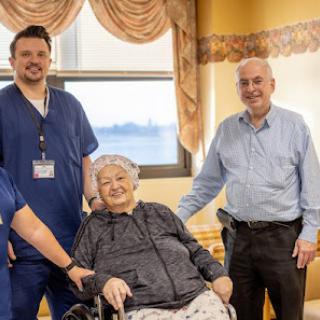


 Skilled Nursing Facilities vs. Nursing Homes: Making Sense of the Differences
 A Detailed Examination of Nursing Home Costs Across the U.S.
 Exploring Nonmedical Home Care: Understanding Services, Costs, and Financial Approaches