

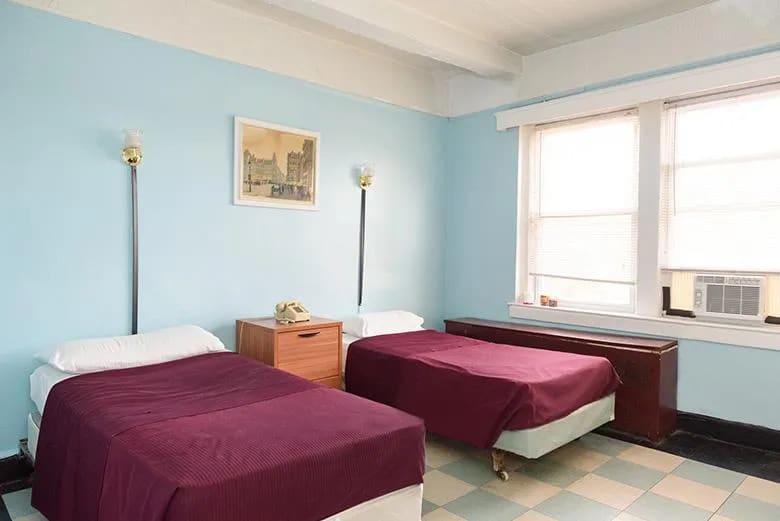
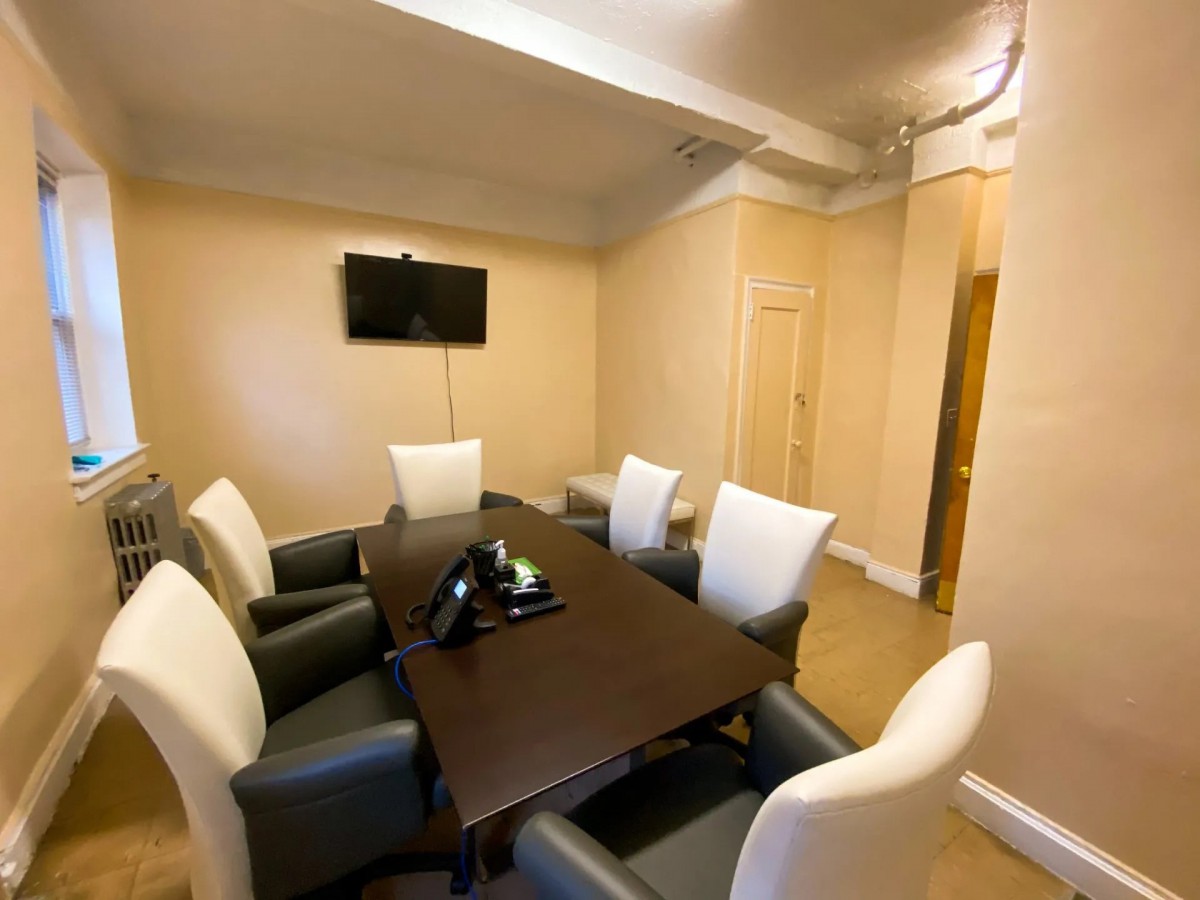
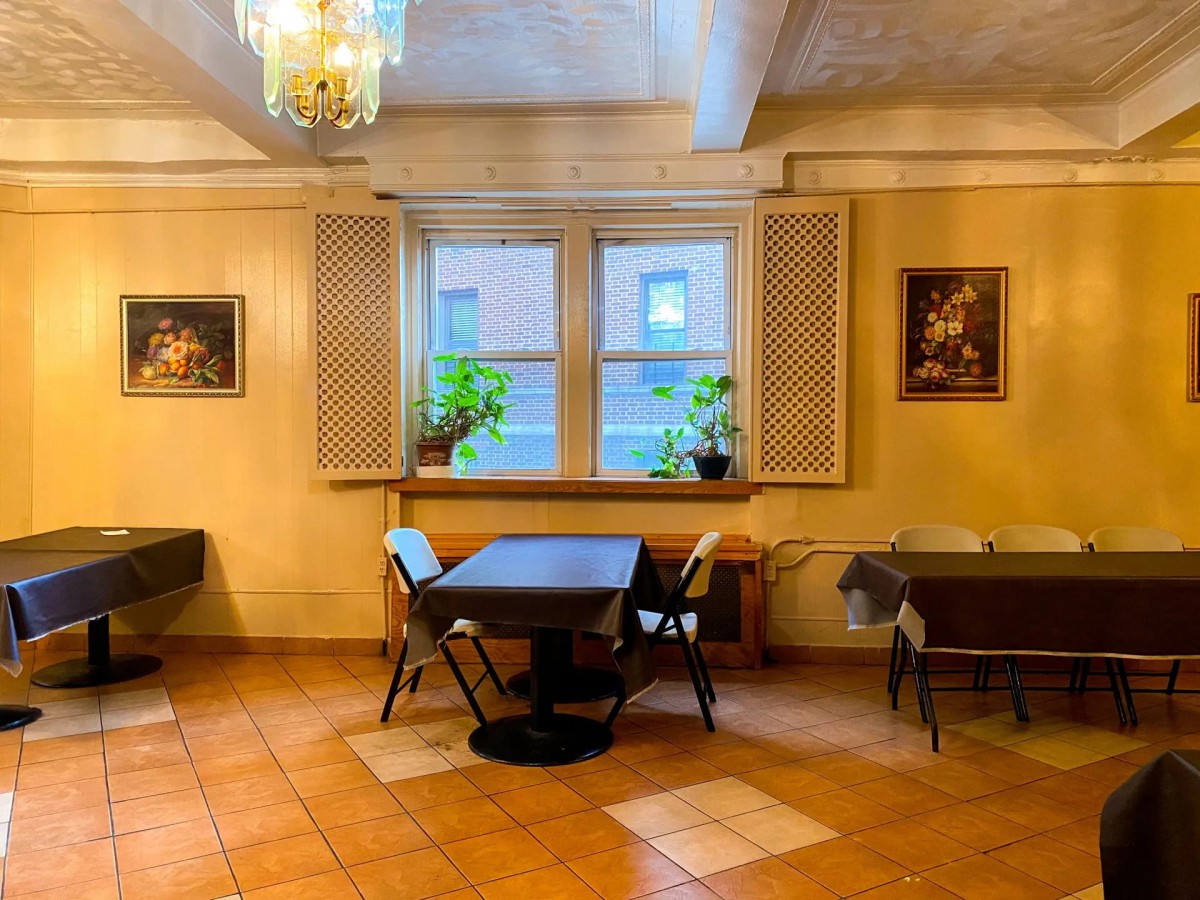
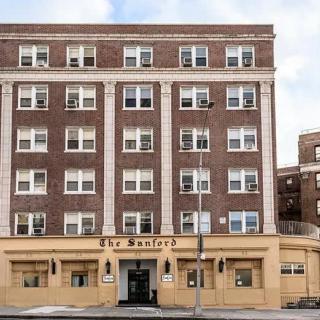


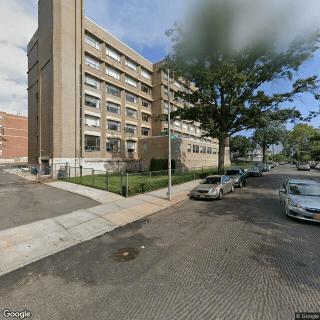
140-40 Sanford Avenue, Flushing, NY 11355
For more information about senior living options: (866) 208-4318
Sanford Home Costs & Pricing
Sanford Home offers competitive pricing for its semi-private room accommodations at $2,000 per month, significantly lower than the average costs in both Queens County and New York State. In contrast, residents in Queens County face monthly expenses of approximately $3,901, while those in New York State can expect to pay around $4,389. This substantial difference highlights Sanford Home's commitment to providing affordable care options without compromising quality, making it an attractive choice for individuals seeking supportive living arrangements within a budget-friendly framework.
| Floor plans | Sanford Home | Queens County | New York |
|---|---|---|---|
| Semi-Private | $2,000 | $3,901 | $4,389 |
Assisted Living communities with a similar price nearby
-
from -$100 / mo

Holland Christian Home
$1,900 / month24.0 miles away -
from +$100 / mo

Amber Court of Westbury
$2,100 to $5,700 / month13.9 miles away -
from -$350 / mo
Harbor Terrace
$1,650 / month16.3 miles away -
from -$154 / mo

Spring Hills Livingston
$1,846 to $9,500 / month25.0 miles away -
from +$150 / mo
The Cliffs At Eagle Rock
$2,150 to $2,750 / month23.3 miles away
Overall Review of Sanford Home
Pros
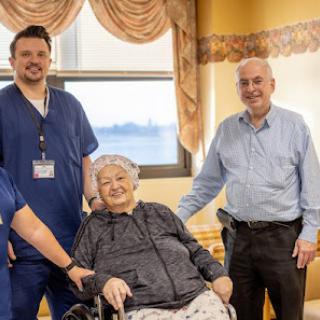
 The residents are smiling, chatting, eating, and enjoying one another's company.
- The energy from the party was infectious and uplifting.
- Mr. Sack's and the staff are praised for their efforts.
- The people at Sanford Home are nice and genuinely care about the residents.
- The staff ensure that residents get their medicine and provide transportation to medical appointments.
- The atmosphere at Sanford Home feels safe and reassuring.
Cons
 There are too many neuroses, so be careful at night.
Review
Sanford Home in Flushing is best suited for families seeking a practical, budget-conscious option where daily life centers on basic care support, dependable medication administration, meals, and transportation, all wrapped in a warm, community-oriented environment. The staff’s hands-on approach shows in the way medications are managed, doctor visits are arranged, and residents are kept safe with a clean, orderly setting. It is a place where residents mingle, small moments of social connection happen daily, and the overall tone is welcoming rather than clinical. For families who want a home-like feel with tangible daily support, Sanford Home offers a credible, no-nonsense fit.
That said, there are clear reasons some families may want to consider alternatives. A portion of the feedback notes behavioral and mental-health dynamics among residents, including schizophrenia and neuroses, which can translate into nighttime unpredictability and heightened supervision needs. If a loved one requires intense behavioral management, a higher level of clinical oversight, or a more structured environment with fewer residents presenting complex mental-health needs, other communities with stronger memory-care or behavioral-health programming will likely be a better match. The reviews signal that outcomes can be uneven, and that the environment may not suit someone who requires unwavering 24/7 clinical monitoring.
On the plus side, the most consistent strengths are evident in daily operations and human touch. The building is described as clean, and staff are repeatedly praised for their care and attentiveness. Medication management and transportation are explicitly cited as reliable, reducing a major family burden. The atmosphere in the hallways and common areas carries a genuine, if informal, sense of community, one visit noted a party atmosphere that left residents smiling and engaged, a sign that social opportunities are available and sometimes abundant. The presence of practical amenities, like an on-site laundry facility and a designated outdoor area for smokers, adds functional value that some families prioritize when evaluating daily living needs.
The strengths begin to offset the drawbacks when the decision hinges on hands-on support and social integration rather than clinical intensity. For seniors who want company, meaningfully connected peers, and dependable help with essential tasks, meds, meals, and rides to appointments, Sanford Home delivers. The clean, approachable environment and the staff’s stated commitment to residents’ safety can provide real peace of mind for families balancing independence with oversight. However, this balance rarely translates into a perfect fit for every resident; the variability in experiences across reviews cautions that outcomes depend heavily on individual staff, specific needs, and neighborhood dynamics.
Practical decision-making guidance follows from these observations. If memory care or high-level behavioral supervision are priorities, families should confidently compare Sanford Home against facilities with dedicated memory-care wings, higher nurse-to-resident ratios, and structured evening routines. If cost and a lively, personable living environment matter most, and the loved one can tolerate a degree of behavioral diversity, Sanford Home becomes a compelling option worth a formal tour. Prospective families should ask pointed questions about night staffing levels, how medication protocols are implemented, and the facility’s approach to residents with varying cognitive and behavioral health needs.
In sum, Sanford Home offers a tangible, community-minded choice for families valuing practical daily support, a clean setting, and accessible social interaction. It excels where care routines and warmth matter most, while its less predictable elements, especially surrounding behavioral health and consistency of experience, make it less suitable for those requiring tight, highly supervised care. For the right person, this is a dependable, approachable option; for others, it will feel too uncertain and insufficiently specialized. A careful, candid tour, with specific questions about mental-health support and night supervision, will reveal whether Sanford Home aligns with the loved one’s priorities and safety requirements.
 200 resident community capacity
 Assisted Living
 Activities on-site
 Air-conditioning
 Beauty salon
 Cable or satellite TV
 Computer center
 Devotional services off-site
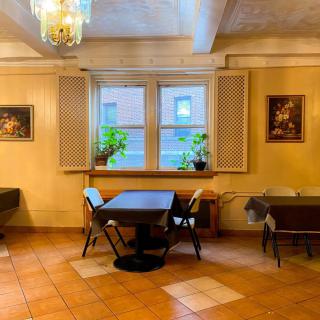
 Dining room
 Fitness room
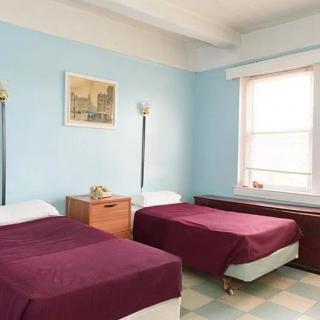
 Fully furnished
 Gaming room
 Garden
 Housekeeping services
 Indoor common areas
 Kitchenette
 Move-in coordination
 Outdoor space
 Private bathrooms
 Restaurant-style dining
 Small library
 Telephone
 Wellness center
 Wi-Fi/high-speed internet available
 LaGuardia (3 miles away)
 Community operated transportation
 12-16 hour nursing
 24-hour call system
 Ambulatory care
 Assistance with bathing
 Assistance with dressing
 Assistance with transfers
 Diabetes diet
 Diabetic care
 Medication management
 Mental wellness program
 Special dietary restrictions
 Concierge services
 Planned day trips




 Understanding Medicaid Coverage for Assisted Living: A Comprehensive Guide
 How and When Medicaid May Cover Assisted Living Costs
 A Detailed Exploration of Assisted Living Medicaid Waivers Across the United States