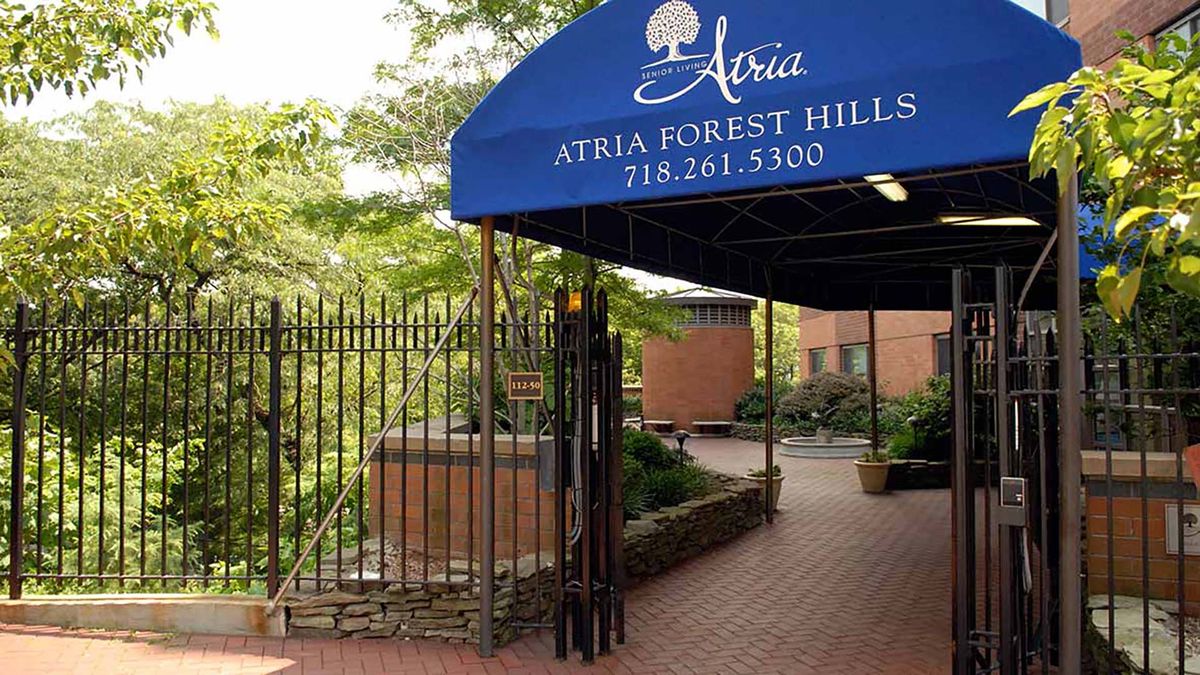
Atria Forest Hills offers a premium living experience, with monthly costs reflecting its upscale amenities and services. For a studio, residents can expect to pay $6,495, which is significantly higher than the average costs in Queens County at $4,515 and New York State at $4,532. Similarly, the one-bedroom option is priced at $7,495, again surpassing both county and state averages of $4,673 and $4,307 respectively. This pricing positions Atria Forest Hills as a high-end choice for seniors seeking a vibrant community with comprehensive support features in a desirable location.
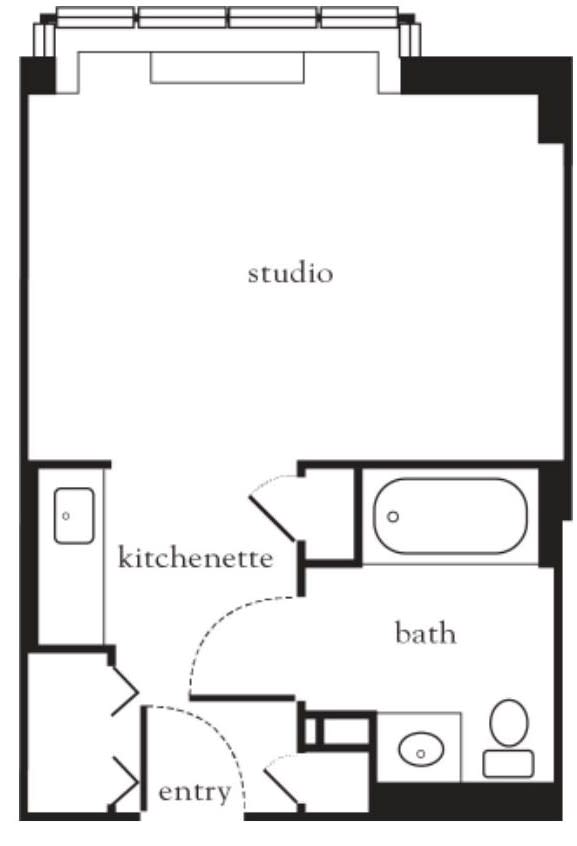
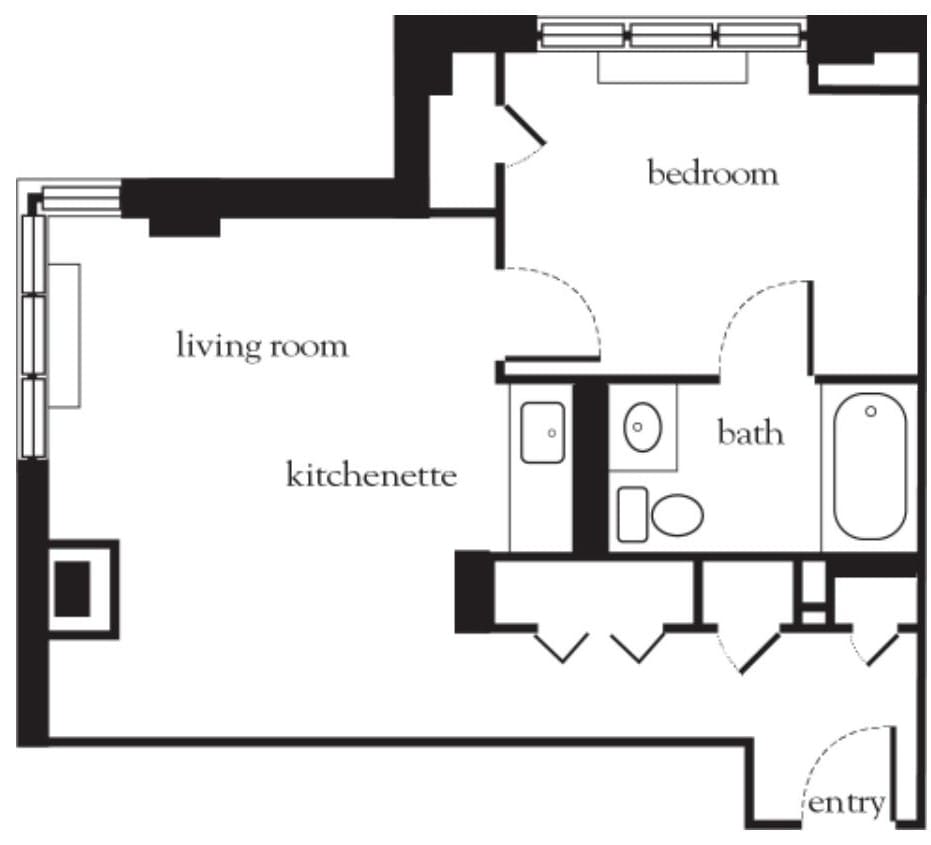
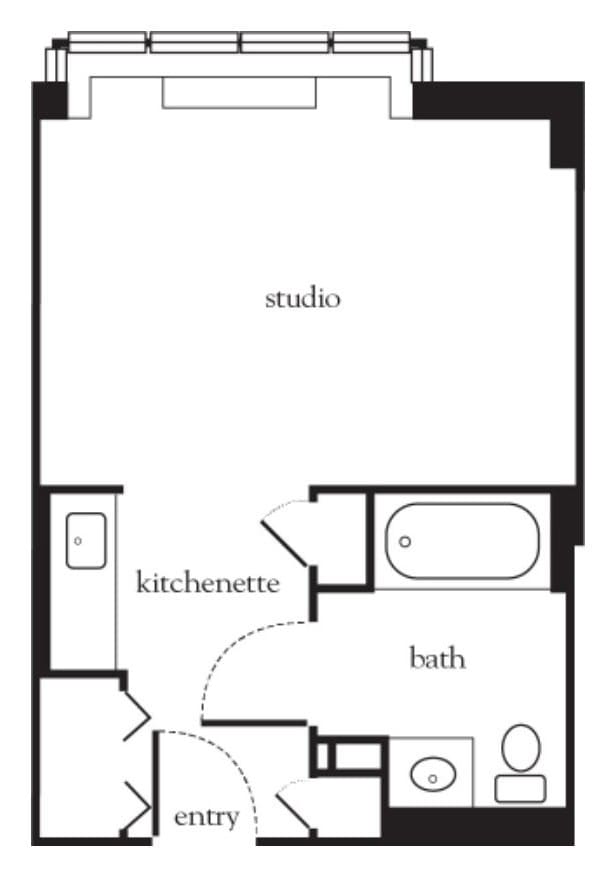
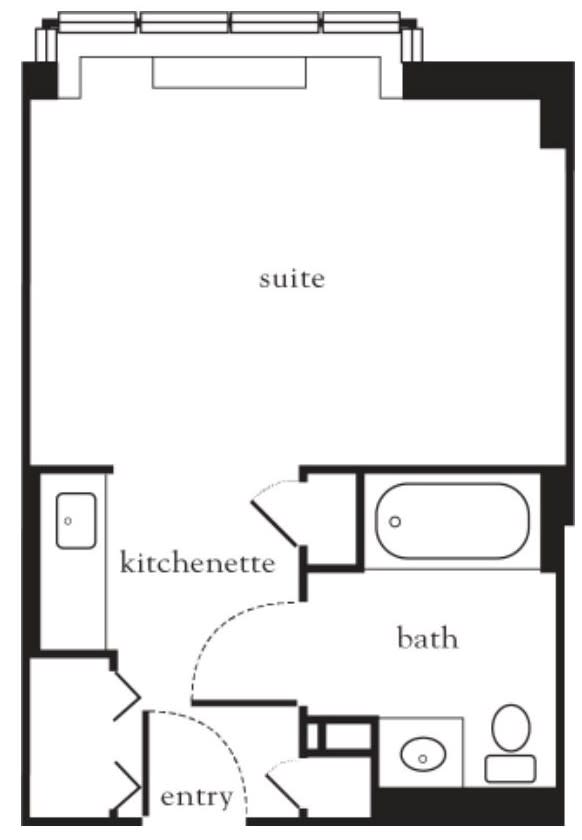
Floor plans
Atria Forest Hills
Queens County
New York
Studio
$6,495
$4,515
$4,532
1 Bedroom
$7,495
$4,673
$4,307
Assisted Living communities with a similar price nearby
Residents and families repeatedly describe responsive, on-site support from the care team.
Many reviewers say the staff is attentive and present when concerns come up, with help described as quick and reassuring. Several families also mention healthcare support on-site and structured check-ins that make it easier to manage care from a distance. A few reviewers specifically frame the move as smoother because staff provided guidance during the transition and continued to follow up afterward.
common38 reviews mention this
Clean, well-kept environment
The community’s cleanliness and upkeep are a frequent point of praise in reviews.
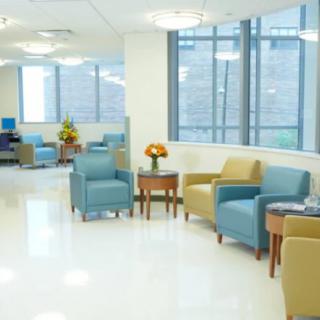
Across multiple reviews, people describe the facility as spotless, immaculate, and maintained to a high standard. Reviewers also comment on the overall condition of rooms and common spaces, saying it feels bright and well organized. Even where there are complaints, cleanliness often remains a consistent positive.
common34 reviews mention this
Activities keep residents engaged
Residents are kept active with a steady mix of scheduled activities.
Reviewers frequently mention daily activities that help residents stay social and occupied, including fitness and group events. Families also describe their loved ones finding it easier to adjust because there is “something to do,” with many programs planned throughout the week. While one reviewer says their loved one wasn’t engaged enough in activities, the broader theme is that the schedule is active and varied.
common31 reviews mention this
Dining is a mixed but central focus
Dining gets strong attention from residents, with feedback ranging from very good to needing improvement.
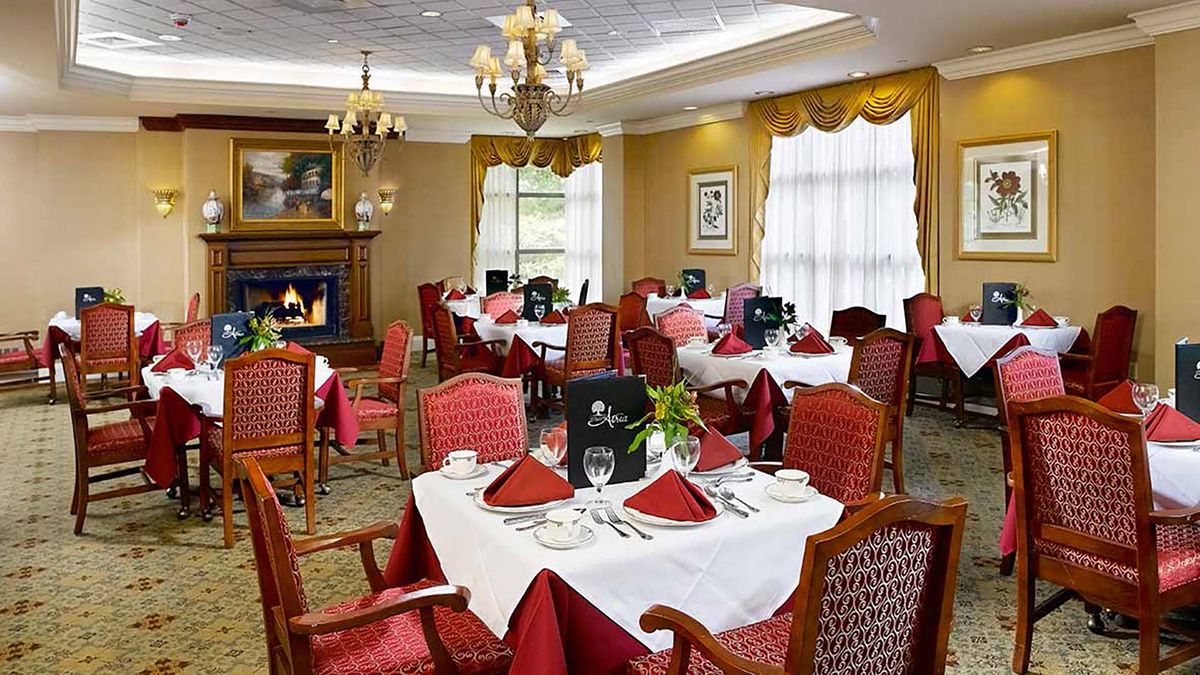
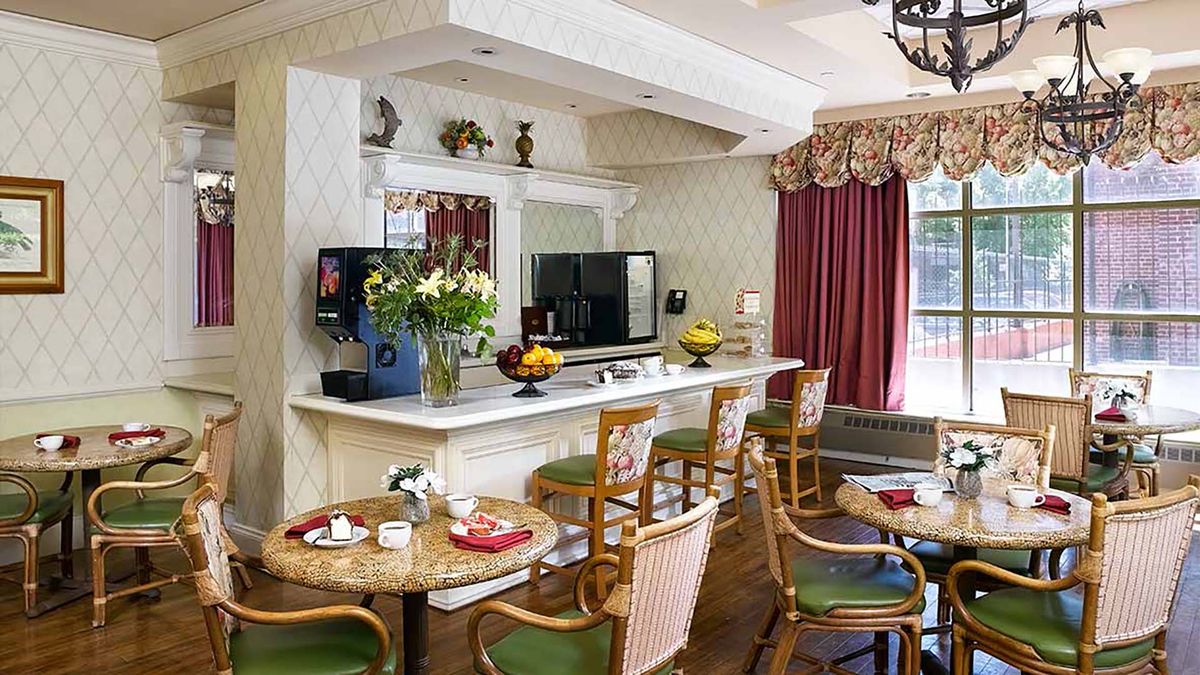
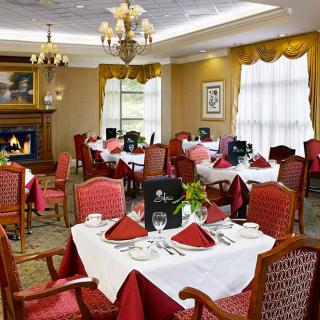
Many reviews praise meals and mention a good variety, enjoyable dining, and even chef involvement. The community offers restaurant-style dining and multiple diet supports, which matches the way residents talk about meal options. At the same time, some reviewers criticize the food for being bland or served cold, and a few describe specific frustration with food preferences and meal rules.
caveat6 reviews mention this
Pricing feels expensive and rising
Several reviews call out high costs and concerns about rent increases.
Some reviewers say the community is expensive and that pricing increases can happen quickly. One review specifically describes a steep rent increase over time, while another flags concerns about affordability for future care needs. This pricing concern appears alongside generally positive comments about care and cleanliness, suggesting cost is the main friction point for some families.
caveat4 reviews mention this
Rooms can feel smaller
A few residents and visitors say the apartments feel cramped or lack certain features.
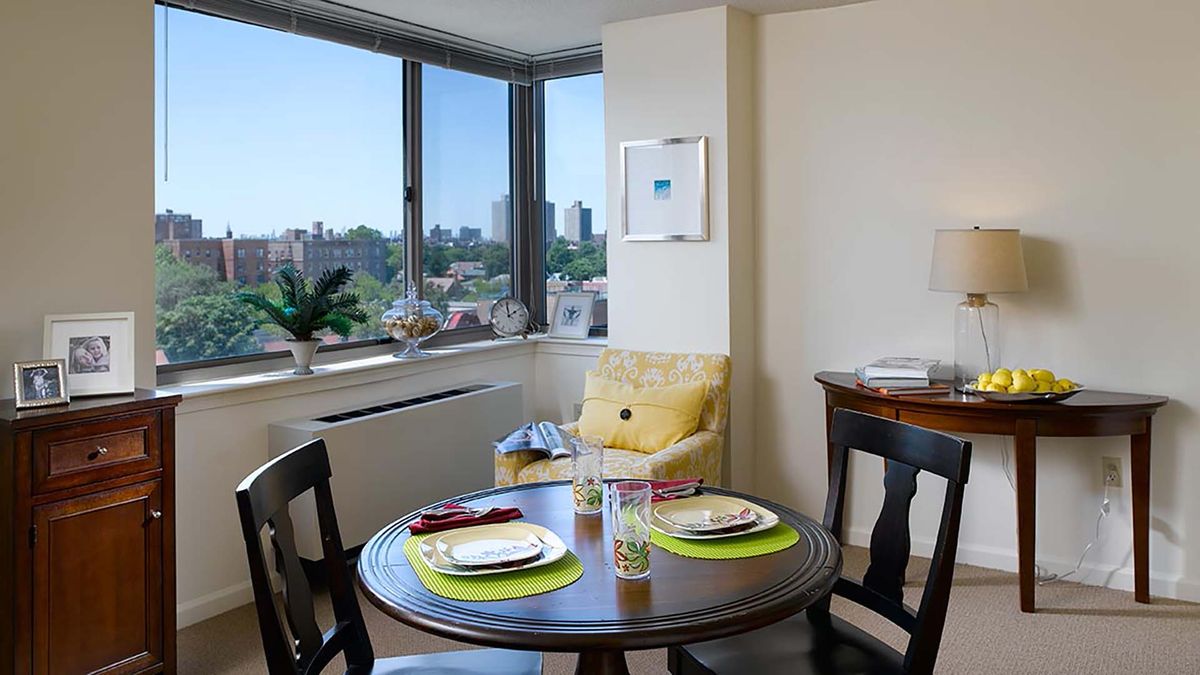
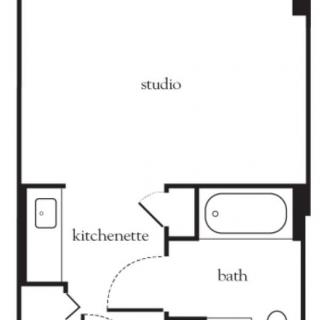
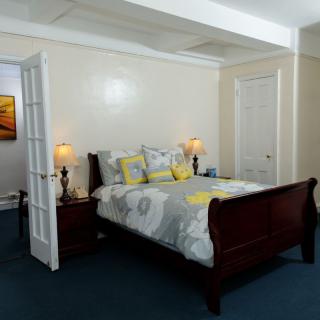
Some reviews describe rooms as small or not feeling like a true apartment, including one comment about not having a kitchen. Others still praise the views and comfort, so the concern seems tied to size and layout rather than overall maintenance. For families weighing options, these comments suggest reviewing floor plans closely before deciding.
How we summarize
Counts show how many written reviews mention each theme; a review can touch several themes, and only frequently mentioned themes are displayed.
Features
Housing
90 resident community capacity
1-bedroom apartments
Studio apartments
Types of Care
Assisted Living
Independent Living
Pets
Cats allowed
Dogs allowed
Amenities
Activities off-site
Activities on-site
Air-conditioning
Beautician on-site
Beauty salon
Cable or satellite TV
Computer center
Devotional services off-site
Devotional services on-site
Dining room
Fitness room
Fully furnished
Gaming room
Garden
Guasts at mealtime
Guest parking
Housekeeping services
Indoor common areas
Kitchenette
Laundry
Move-in coordination
Outdoor common areas
Outdoor space
Pet friendly
Private bathrooms
Resident parking
Respite or short term stays offered
Restaurant-style dining
Small library
Spa
Telephone
Wellness center
Wi-Fi/high-speed internet available
Transportation
LaGuardia (4 miles away)
John F Kennedy International (6 miles away)
Newark International (18 miles away)
Westchester Cty (25 miles away)
Community operated transportation
Transportation & parking
Transportation arrangement
Transportation arrangement (non-medical)
Care Services
12-16 hour nursing
24-hour call system
24-hour supervision
Activities of daily living assistance
Ambulatory care
Assistance with bathing
Assistance with dressing
Assistance with transfers
Diabetes diet
Hospice waiver
Incontinence care
Meal preparation and service
Medication management
Mental wellness program
Special dietary restrictions
Transportation to doctors appointments
Dining
Diabetes diet
Guest meals
Low / no sodium
Low fat
Meals provided
No Sugar
Professional chef
Restaurant style dining
Special dietary restrictions
Vegetarian
Activities
Art classes
Catholic services
Community-sponsored activities
Concierge services
Cooking classes
Day trips and outings
Devotional activities offsite
Devotional activities on-site
Educational speakers / life long learning
Fitness programs
Happy hour
Jewish services
Karaoke
Live musical performances
Live well programs
Planned day trips
Religious services
Resident-run activities
Scheduled daily activities
Wine tasting
Languages Spoken
English
French
German
Italian
Spanish
Nearby Places of Interest
This part of Forest Hills, New York, offers convenient access to multiple pharmacies, transportation options, places of worship, parks, theaters, restaurants, and cafes. The proximity of CVS and Walgreens pharmacies ensures easy access to medication and healthcare services. Public transportation options such as the MTA Subway and LIRR stations provide convenient travel options for exploring the city or visiting loved ones. Nearby parks like Forest Park and Flushing Meadows Corona Park offer opportunities for outdoor recreation and relaxation. Additionally, seniors can enjoy a variety of dining options ranging from fast food chains like Taco Bell and McDonald's to upscale establishments like Bobby Van's Steakhouse. The presence of cafes like The West provides a cozy environment for socializing or enjoying a quiet cup of coffee. Overall, this part of Forest Hills offers a vibrant mix of amenities that cater to the needs and interests of seniors looking for a comfortable and convenient living environment.
Pharmacies
CVS Pharmacy (0.3 miles)
CVS Pharmacy (0.9 miles)
Walgreens (1.4 miles)
Walgreens (2.5 miles)
Queens Crossing (2.7 miles)
CVS Pharmacy (3.2 miles)
CVS Pharmacy (3.4 miles)
Transportation
Forest Hills – 71st Avenue (0.4 miles)
MTA Subway - Briarwood (1.3 miles)
MTA - Sutphin Boulevard Subway Station (2.1 miles)
LIRR - Jamaica Station (2.1 miles)
LIRR - Mets-Willets Point Station (2.1 miles)
LIRR - Jay / Hall Tower (2.2 miles)
MTA - Mets-Willets Point Subway Station (2.3 miles)
Atria Forest Hills offers a premium living experience, with monthly costs reflecting its upscale amenities and services. For a studio, residents can expect to pay $6,495, which is significantly higher than the average costs in Queens County at $4,515 and New York State at $4,532. Similarly, the one-bedroom option is priced at $7,495, again surpassing both county and state averages of $4,673 and $4,307 respectively. This pricing positions Atria Forest Hills as a high-end choice for seniors seeking a vibrant community with comprehensive support features in a desirable location.
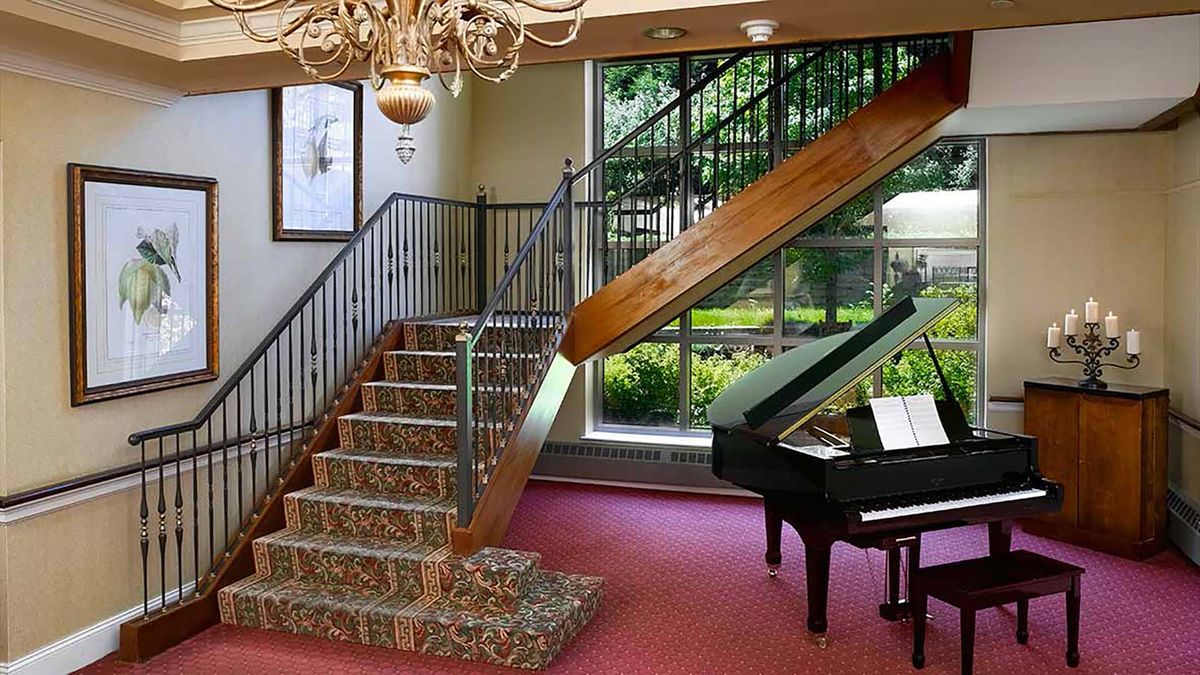
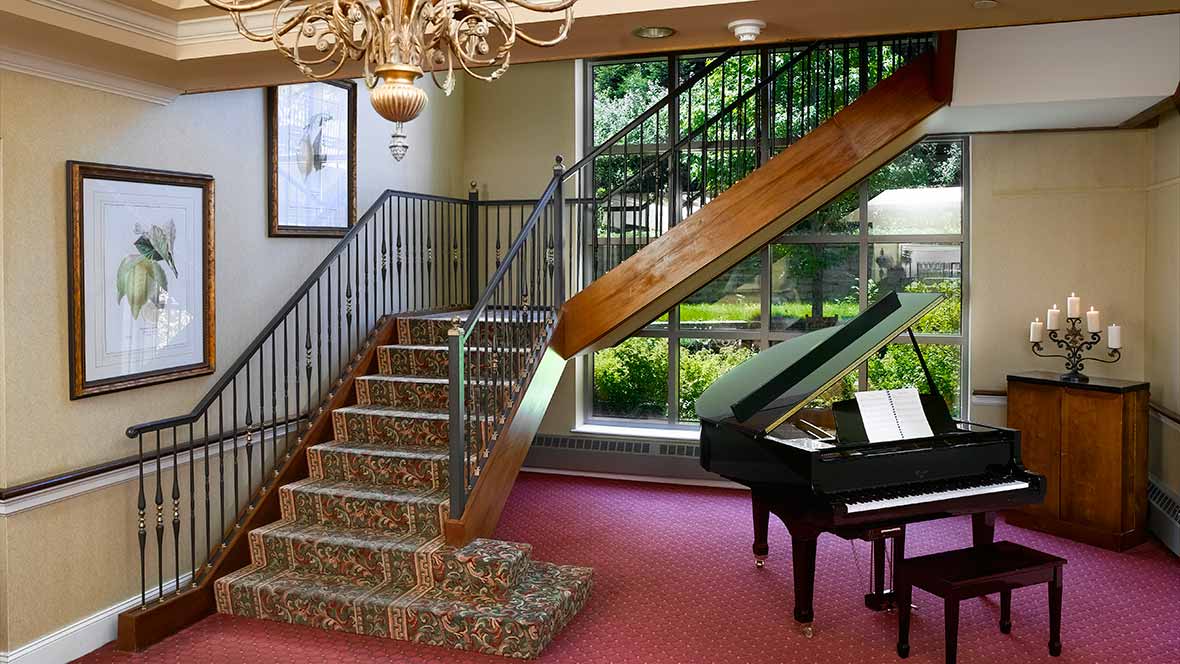
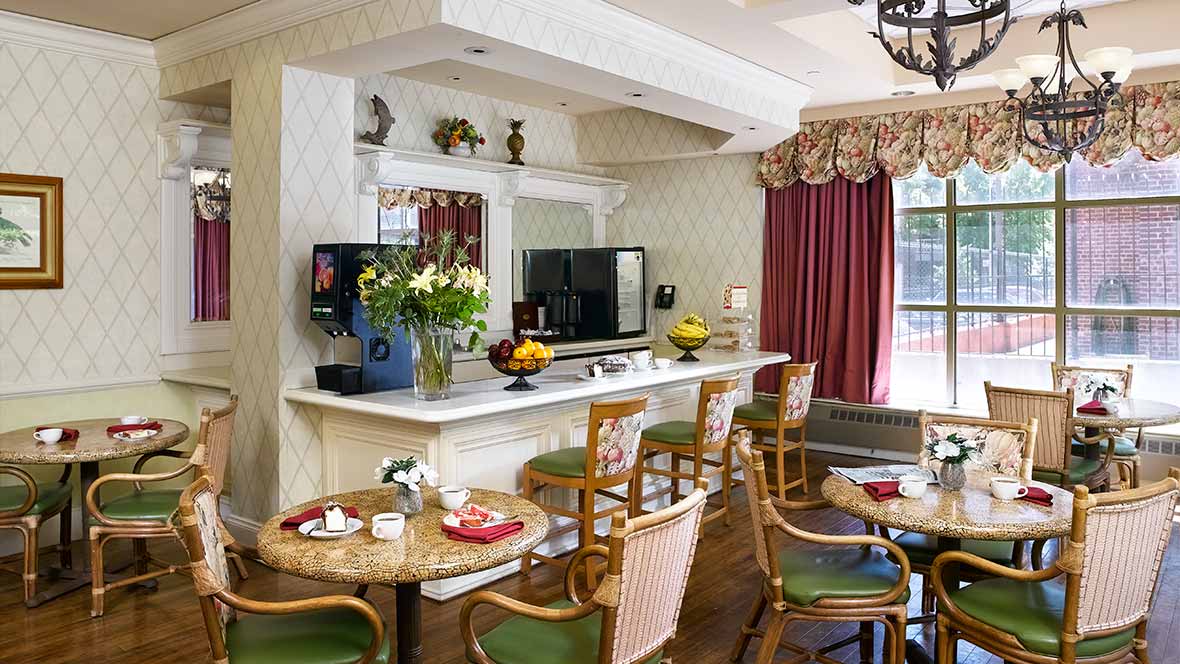
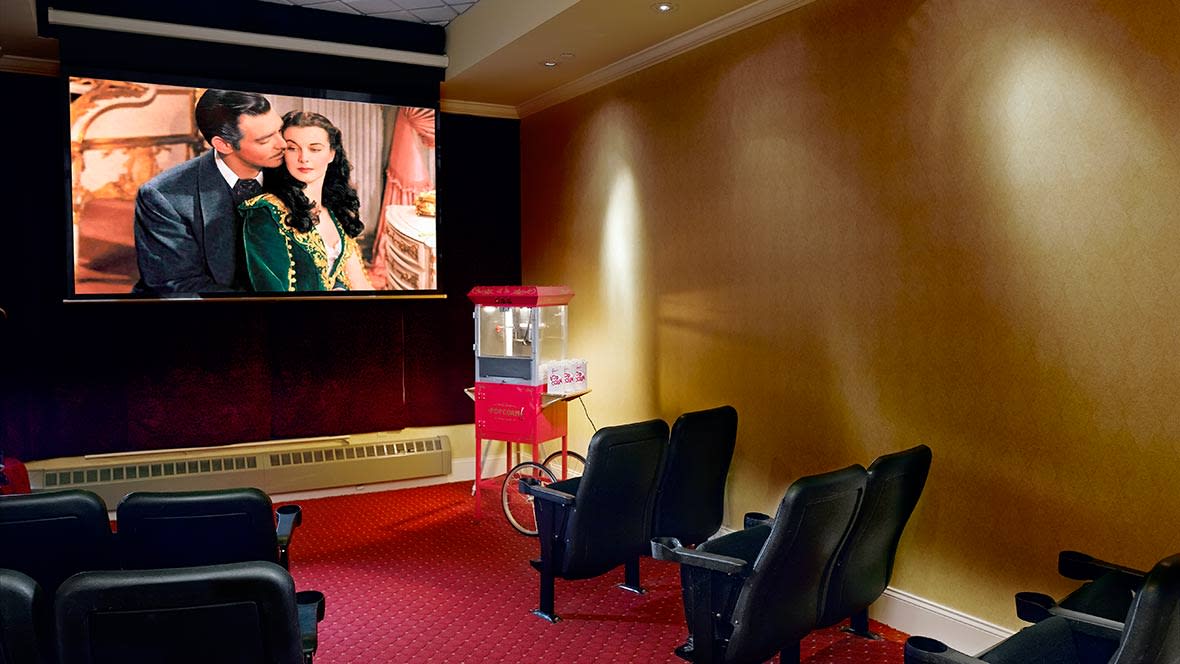
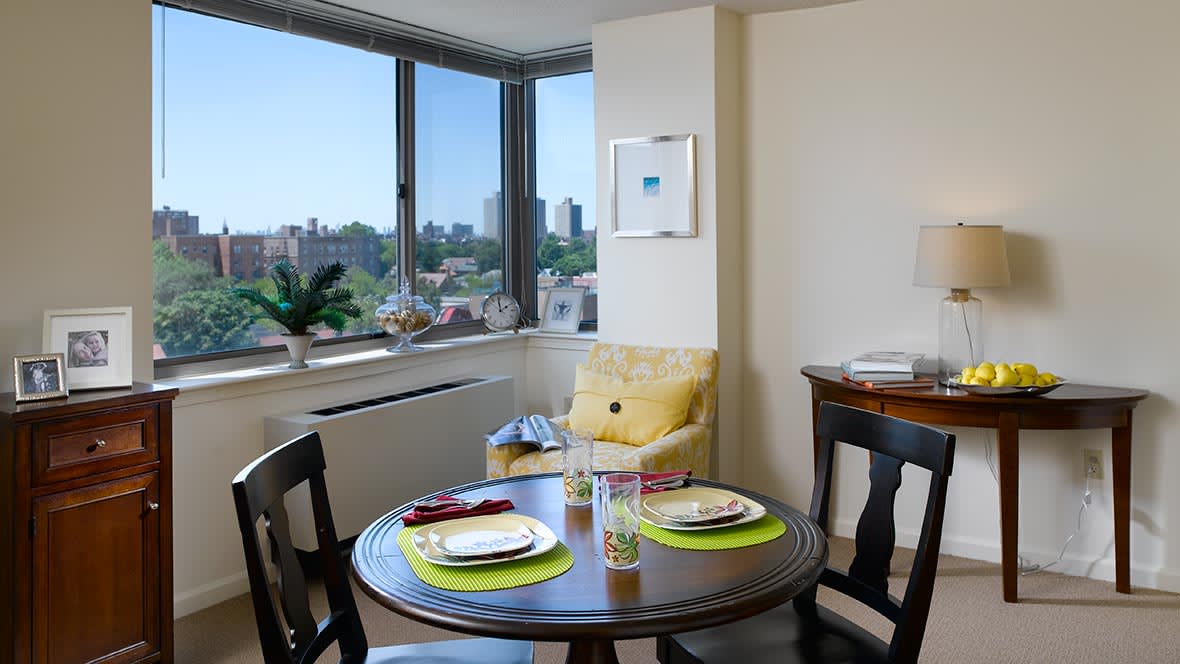
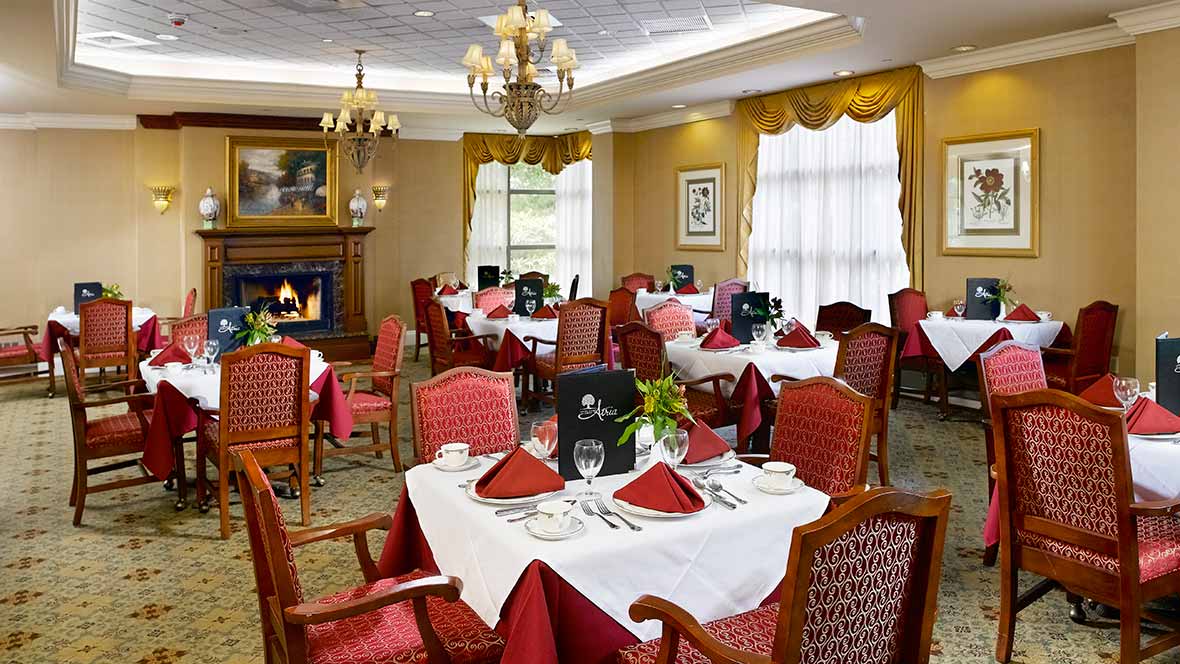
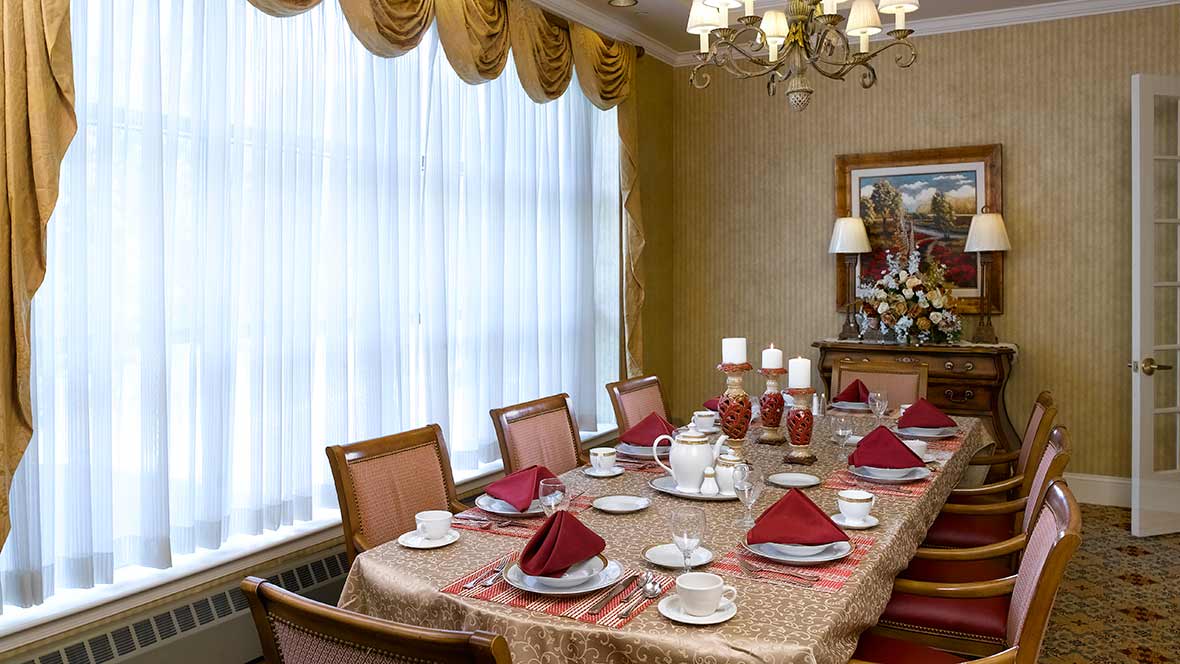
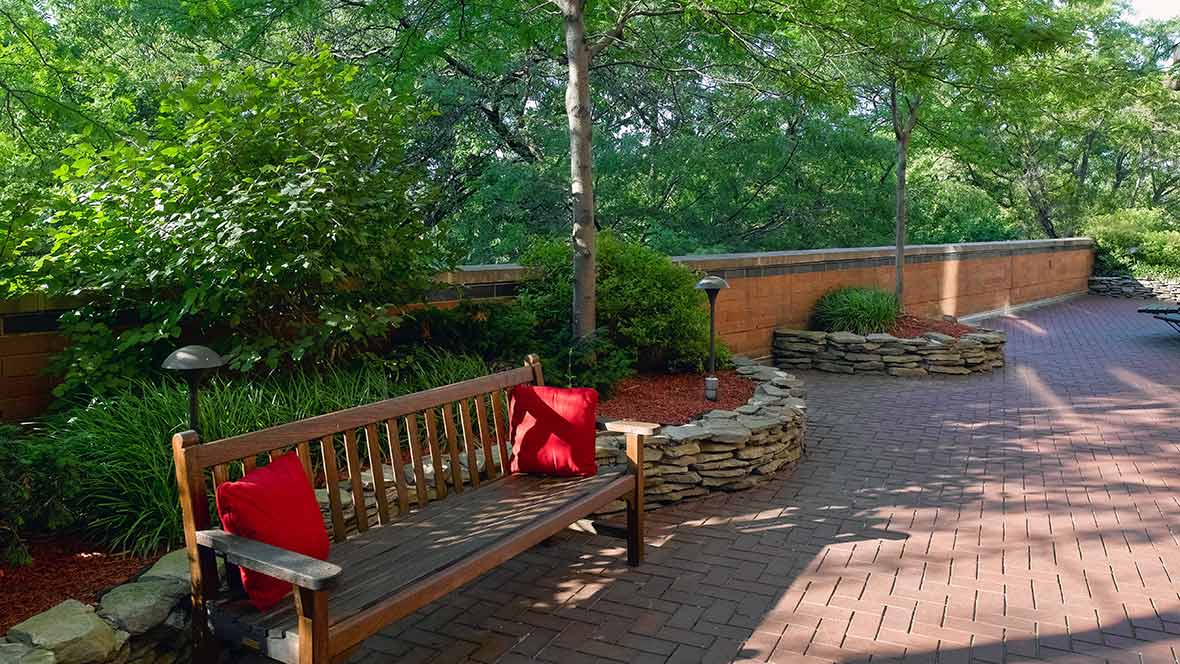
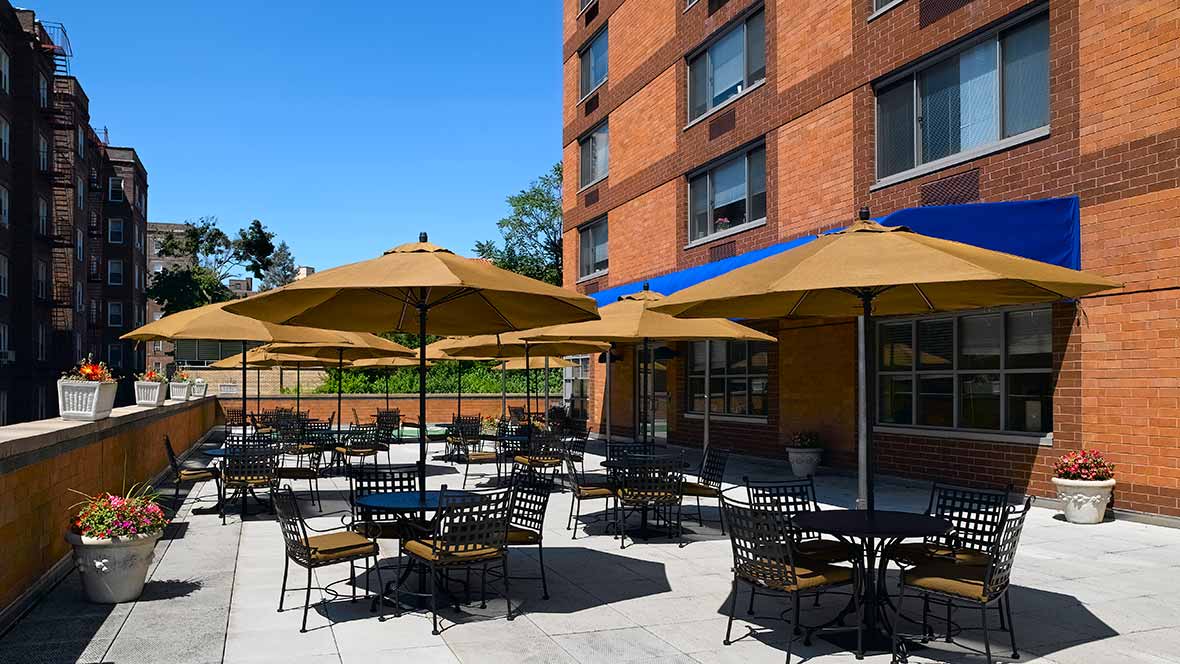
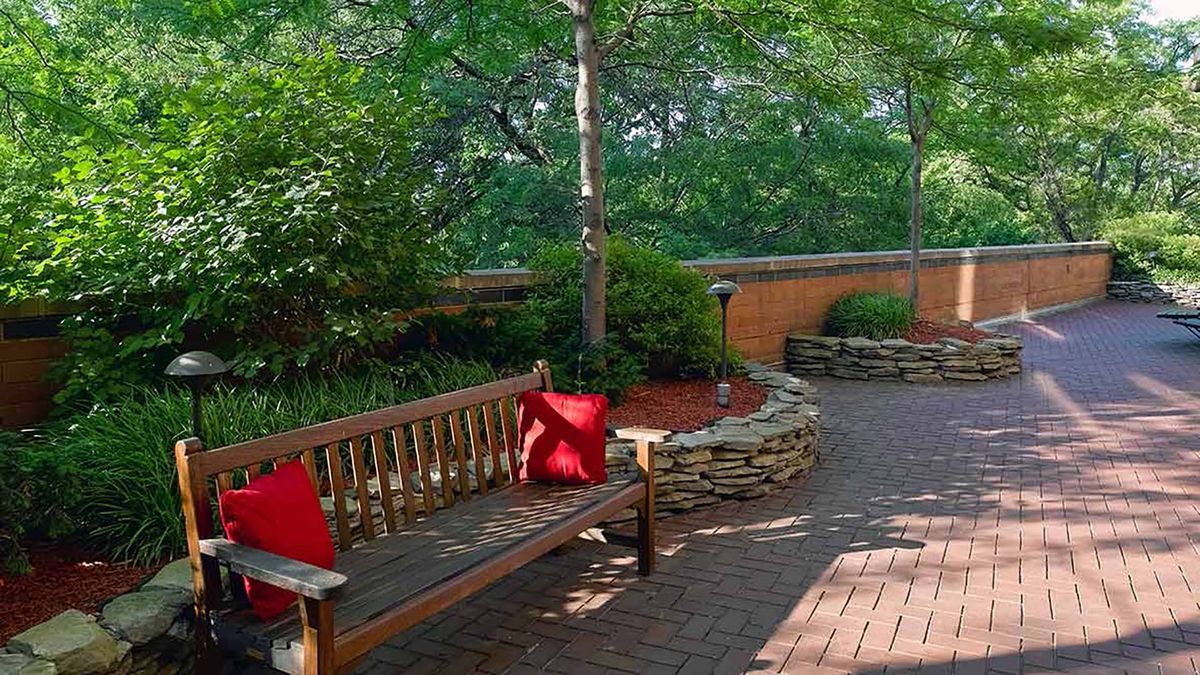
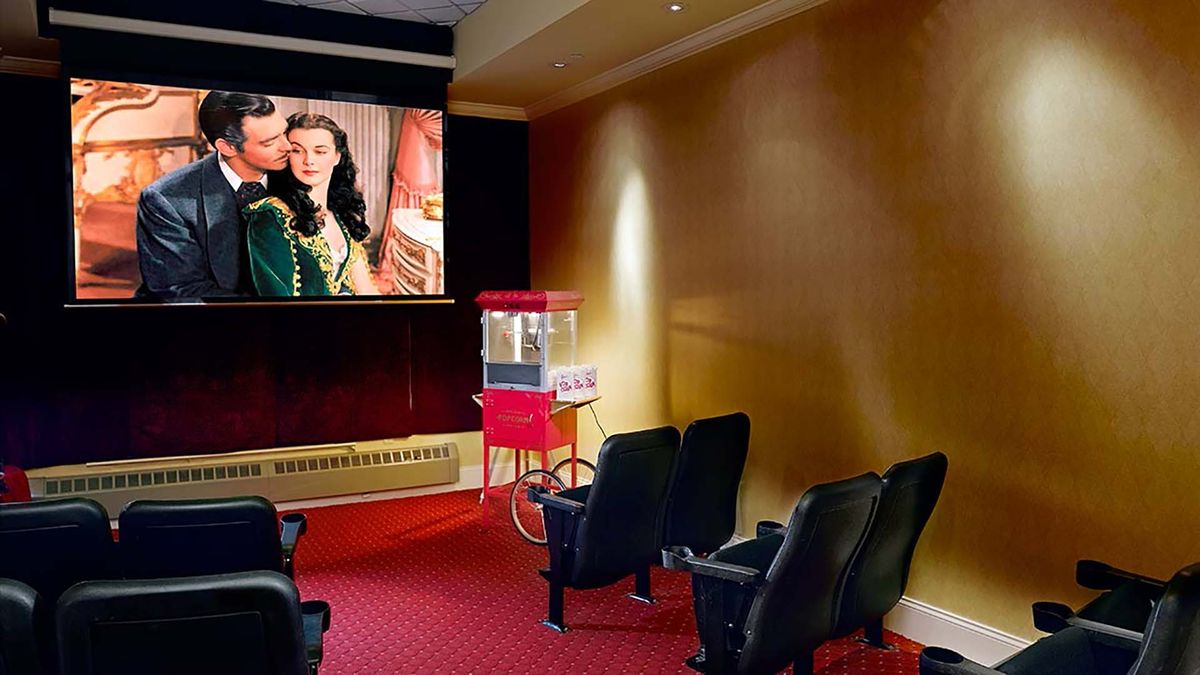
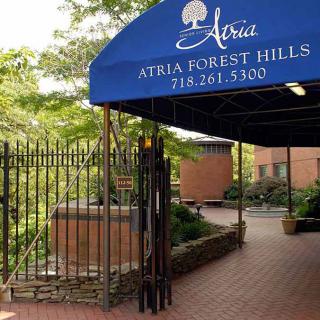
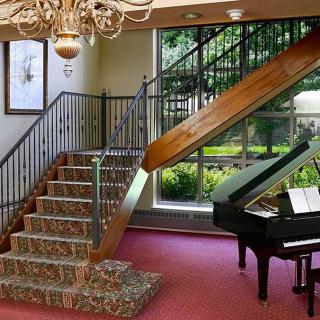
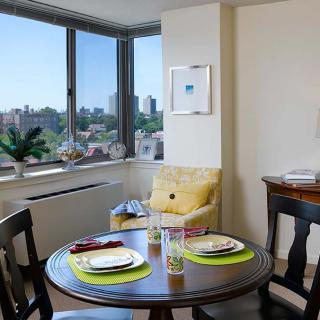
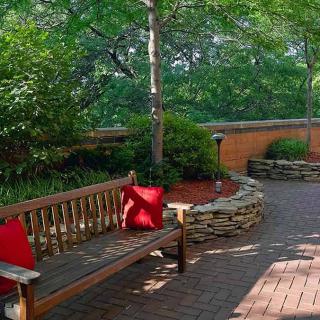
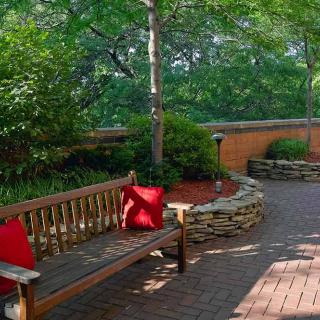
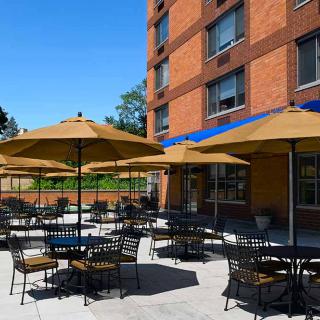
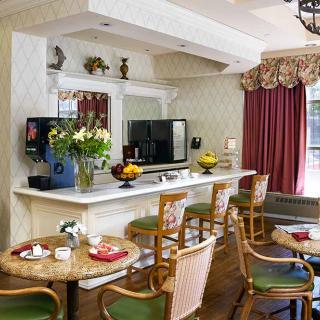
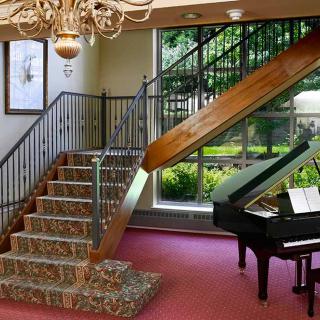
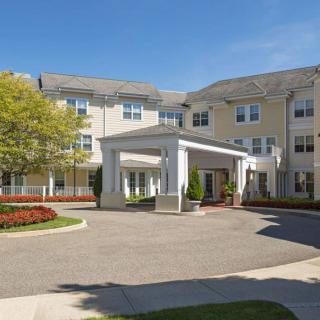
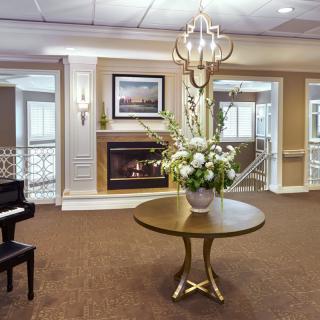
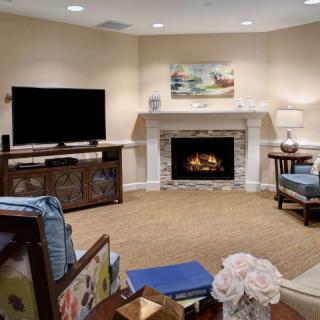
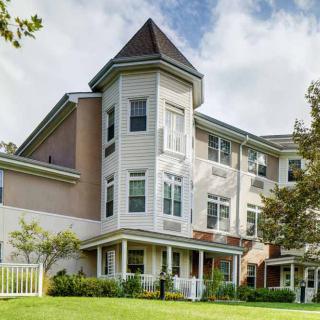
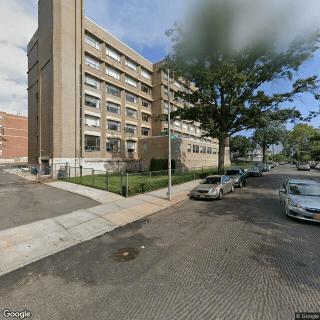
Atria Forest Hills on seniors.fyi includes 23 photos including images showing dining, interior, floor plan, decor, chandelier, trees, landscaping, outdoor, and more.
Nearby Communities
Fairview Nursing Care Center
Forest Hills, NY
3.3 from 133 reviews
Well-maintained facility with attentive staff and helpful coordinators.
Forest View Nursing Home
Flushing, NY
4.1 from 117 reviews
Beneficial initial therapy and proactive family advocacy.
Forest View Center For Rehabilitation & Nursing
Forest Hills, NY
4.3 from 118 reviews
Extensive amenities and 24/7 care on one campus.
Caring People Home HealthCare
Forest Hills, NY
3.4 from 20 reviews
Vibrant community with nearby amenities.
Allen Health Care Service
Forrest Hills, NY
3.2 from 104 reviews
Comprehensive care with convenient nearby amenities.
Premier Home Health Care - Queens
Kew Gardens, NY
4.4 from 23 reviews
$3,299 to $3,699 / month
Vibrant, well-connected community with nearby parks, dining, transit, worship, and culture; competitive pricing.
New Homestead Home For Adults
Kew Gardens, NY
3.9 from 95 reviews
$3,300 to $5,500 / month
Caring staff and compassionate care; engaging activities; competitive pricing for semi-private and studio options.
Jamaica Hospital Nursing Home
Jamaica, NY
3.8 from 103 reviews
Clean, well-maintained facility with caring nurses and therapists, good food, and daily activities.
Margaret Tietz Nursing Home
Jamaica, NY
4.2 from 115 reviews
Caring nurses and effective rehabilitation with engaging activities.
Assisted living costs often exceed Social Security benefits, necessitating a combination of funding sources like state aid and Medicaid. Understanding the interaction between Social Security programs and available financial support is essential for affording such care.
The VA Aid and Attendance benefit provides financial support to veterans needing assistance with daily living due to medical conditions or disabilities, augmenting standard VA pensions for services like in-home care. Eligibility is based on service duration, wartime status, income, and medical needs, with a detailed application process required to access funds for caregiving and home modifications.
Senior move management services assist older adults in the relocation process by providing emotional support and organizational help, addressing unique challenges like downsizing and moving from long-term homes. These specialists collaborate with real estate agents and manage logistics, making the transition smoother for seniors and their families.
Get PricingAsk A QuestionSchedule A TourContact Senior Advisor
By clicking submit, you agree to our Partner's Terms of Use. You
also consent to receive calls and texts, which may be autodialed, from our Partner. Your consent is not a condition to
using our Partner's service. Please visit our Partner's Privacy Policy for information about their privacy practices.






 90 resident community capacity
 1-bedroom apartments
 Assisted Living
 Independent Living
 Cats allowed
 Dogs allowed
 Activities off-site
 Air-conditioning
 Beautician on-site
 Cable or satellite TV
 Computer center
 Devotional services off-site
 Dining room
 Fitness room
 Fully furnished
 Gaming room
 Garden
 Guest parking
 Housekeeping services
 Indoor common areas
 Kitchenette
 Laundry
 Move-in coordination
 Outdoor common areas
 Pet friendly
 Private bathrooms
 Respite or short term stays offered
 Restaurant-style dining
 Small library
 Spa
Spa Telephone
 Wi-Fi/high-speed internet available
 LaGuardia (4 miles away)
 Community operated transportation
 12-16 hour nursing
 24-hour call system
 Ambulatory care
 Assistance with bathing
 Assistance with dressing
 Assistance with transfers
 Diabetes diet
 Hospice waiver
 Incontinence care
 Medication management
 Mental wellness program
 Special dietary restrictions
 Art classes
 Catholic services
 Concierge services
 Cooking classes
 Day trips and outings
 Educational speakers / life long learning
 Happy hour
 Jewish services
 Karaoke
 Live musical performances
 Wine tasting
 English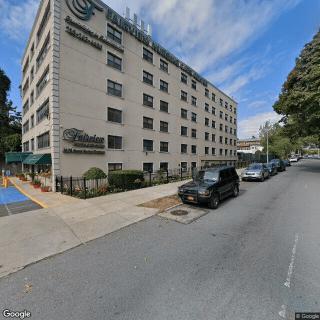
 Well-maintained facility with attentive staff and helpful coordinators.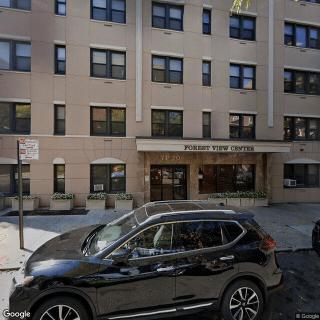
 Social Security Benefits and Assisted Living: Navigating Options Across the U.S.
 An Extensive Exploration of the VA Aid and Attendance Benefit
 Senior Transition Services: Understanding Their Role, Cost, and Importance