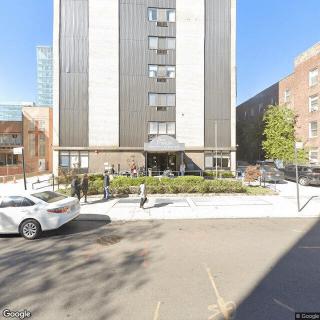
13731 45th Avenue, Flushing, NY 11355
For more information about senior living options: (866) 208-4318
Overall Review of New York Armenian Home
Pros
 The community provides great services to the elderly.
- The Armenian home was started by a very dedicated community.
Cons
 They are now closed for business since about May of 2018.
- It is a shame that the Armenian home had to sell it out and not keep the legacy alive; what a tragedy it was, sold without any concrete plans.
Review
New York Armenian Home in Flushing was best suited for aging Armenian seniors and their families who prized a culturally centered, community-driven living option in Queens. It offered a home-like setting where neighbors knew one another, and where a locally rooted network could mobilize support around daily routines, holidays, and social life. Before the closure, residents benefited from a built-in sense of belonging, the sort of environment where staff and volunteers share language, traditions, and routines that feel familial. For families, the appeal lay in an arrangement that refracted mainstream senior care through a distinctly Armenian community lens, with informal supports that go beyond medical services to include companionship and cultural continuity.
Explicitly, this option is no longer viable for anyone seeking current, operating senior living. The facility has been closed since roughly May 2018, with ownership transitions that left the legacy unsettled and the future uncertain. That reality makes alternatives mandatory rather than optional. Prospective buyers or residents should pivot to licensed assisted living or memory care communities that are actively operating, with transparent governance and stable funding. For those still seeking Armenian cultural connections, target facilities or networks that partner with local Armenian organizations or provide formal programming, rather than relying on a historical association that no longer guarantees care. In short, ongoing operation matters far more than lineage or sentiment.
From a practical standpoint, the principal positives were the sense of community and a locally led ethos. That foundation can deliver meaningful social engagement, a smoother intake, and a more personalized feel than a large corporate facility. But these strengths falter once the doors are closed and ownership dissolves the operational fabric. The key offset, community loyalty and volunteer-driven activity, no longer exists as a benefit once the building sits shuttered. In this case, the intangible advantages do not compensate for the core problem: the facility is not reliably available to provide ongoing care, supervision, or response to emergencies. The case demonstrates that cultural charm cannot substitute for a licensed, financially viable operation.
The main drawbacks are explicit and consequential: a long-term closure since 2018, a sale of the property, and no concrete plan for how the legacy would be preserved in practice. Those moves inject substantial uncertainty for families considering long-term residency or a move-in within a care continuum. Without ongoing licensing, staffing, and governance, the ability to deliver safe meals, medication management, and timely assistance is compromised. The lack of a roadmap for re-opening or repurposing complicates any attempt to gauge future reliability. In short, the historical appeal evaporates the moment the doors are shut, leaving prospective residents and their families without a dependable home environment.
For families evaluating options today, the playbook is straightforward: confirm active licensing and resolve any questions about ongoing operation before touring. Investigate the current status of staffing levels, caregiver qualifications, and emergency response protocols at competing communities. Seek facilities with Armenian or culturally aligned programming that are actively delivering care, and compare on affordability, care levels (assisted living vs memory care vs skilled nursing), and alignment with resident–family communication. Do not overlook contract terms, resident rights, and termination policies. Schedule in-person visits, ask for recent financials or census reports, and talk to current residents or their families to verify consistency of care. The goal is a stable, transparent operation with a plan for the future.
Bottom line: New York Armenian Home once offered a compelling culturally grounded option, but closure in 2018 and the sale without a concrete continuity plan render it unviable for current elder-care decisions. A decisive approach prioritizes operating, licensed communities with clear care contracts and predictable governance. For families who value Armenian cultural continuity, seek out active providers that partner with local organizations to maintain tradition within a professional care setting. The emphasis should be on reliability, safety, and a clearly documented path for ongoing care, not the sentiment of a beloved past. In practical terms, that pointer narrows the field to facilities that can show sustained operation, transparent finances, and demonstrable safety standards.
 79 resident community capacity
 Assisted Living
 Respite Care
 Air-conditioning
 Beauty salon
 Cable or satellite TV
 Computer center
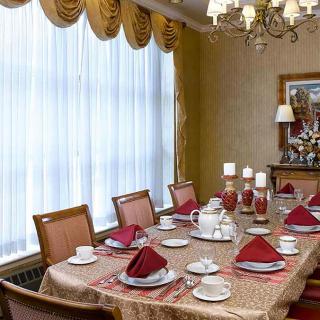
 Dining room
 Fitness room
 Fully furnished
 Gaming room
 Garden
 Housekeeping services
 Kitchenette
 Move-in coordination
 Outdoor space
 Private bathrooms
 Restaurant-style dining
 Small library
 Telephone
 Wellness center
 Wi-Fi/high-speed internet available
 LaGuardia (3 miles away)
 Community operated transportation
 12-16 hour nursing
 24-hour call system
 Activities of daily living assistance
 Assistance with bathing
 Assistance with dressing
 Assistance with transfers
 Diabetes diet
 Medication management
 Mental wellness program
 Special dietary restrictions
 Concierge services
 Planned day trips

 Is Assisted Living Deductible on Your Taxes? Understanding the Complexities of Assisted Living Expenses and Deductions
 Assisted Living Support for Veterans: A Complete and Detailed Overview
 Exploring the Contrasts Between Assisted Living and Skilled Nursing