
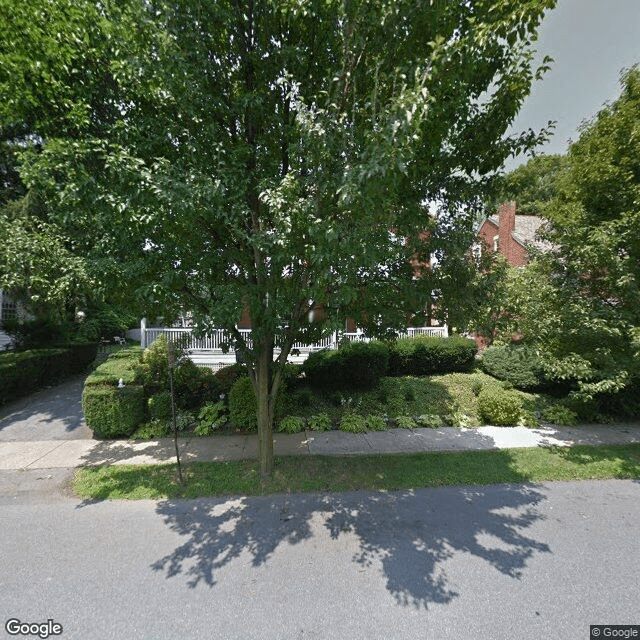
38 Cottage Avenue, Lancaster, PA 17602
For more information about senior living options: (866) 208-4318
Overall Review of Red Rose Manor
Pros
 The home is nice, big, and comfortable.
- The staff at the new nursing home treat her like an angel and are very positive and caring.
- The mother's progress has improved, as has her quality of life, since leaving Red Rose.
- The new nursing home has positively impacted her overall well-being.
Cons
 The reviewer alleges that most of her belongings were stolen at Red Rose.
- The reviewer says staff gang up on residents.
- The reviewer claims staff pretend to understand medical and psychological issues in the elderly, but they don’t actually know.
- The reviewer notes the mother was scared and barely spoke while there.
- The reviewer states no one at Red Rose noticed the mother’s pneumonia.
- The reviewer criticizes the early, rigid 5:00 am wake-up and chore schedule before breakfast.
Review
Red Rose Manor in Lancaster is best suited for seniors who want a distinctly home-like environment and can manage daily living with light to moderate assistance, supported by attentive family or caregiver oversight. The setting feels domestic rather than clinical, which appeals to those who resist institutional vibes. This is not the right fit for residents needing steady medical monitoring, strong safeguarding, or high levels of daily support. Families weighing options should consider alternatives such as licensed assisted living with higher staffing ratios or skilled nursing facilities, especially for residents with cognitive impairment, complex medical needs, or a history of safety concerns.
The property’s appeal rests on a pleasant, spacious, homey ambiance. Reviewers describe a “nice big comfortable home” feel, with common areas and intimate spaces that can foster socialization and a sense of belonging. For someone who prioritizes warmth, familiar routines, and a less clinical atmosphere, this can be a meaningful benefit. That sense of comfort is a tangible pro when contrast is drawn against more institutional environments; it can reduce anxiety and help a resident settle in.
However, serious red flags emerge in several accounts. One family reports theft of belongings and describes staff who allegedly gang up on residents, undermining trust and safety. The same reviewer notes a perception that staff overestimate their expertise in medical and psychological issues, with consequences including a resident who became withdrawn and frightened. Another family details a move to a nursing home after pneumonia appeared to go unrecognized, highlighting a critical gap in timely health monitoring. Taken together, these experiences suggest persistent concerns about safety, oversight, and responsiveness to medical needs.
Related operational patterns compound the risk. Accounts mention an early-morning routine that requires chores before breakfast in the dining room, signaling a tightly structured schedule that may clash with individual rhythms and preferences. While structure can be beneficial for some, it also hints at a farming-out of resident autonomy and a potential mismatch between resident needs and staff capabilities. Such dynamics can erode trust and diminish the perceived quality of daily life, even in a charming house setting.
From a practical decision-making standpoint, several questions should be prioritized during visits. What are the current staff-to-resident ratios across shifts, and how are medication errors prevented and managed? How is medical escalation handled when health concerns arise, and who is responsible for ongoing health monitoring? What safeguards exist to protect personal belongings, and how quickly are incidents of theft or abuse investigated? Are there memory care or higher-acuity options on-site or through affiliated partners? Request a transparent sample daily schedule, meal plans, and opportunities for meaningful engagement, and speak directly with frontline staff and independent residents about their lived experience.
The bottom line is clear: Red Rose Manor provides a warm, home-like setting that can be appealing to residents seeking comfort and routine with modest assistance. Yet the most critical dimensions of care, safety, medical responsiveness, and staff competence, appear unsettled in multiple accounts. For families prioritizing reliable medical oversight and stronger protection against mistreatment or neglect, exploring alternatives remains prudent. If choosing Red Rose Manor, enter with eyes open, armed with targeted questions, documented expectations, and a plan for ongoing oversight, ideally with a dedicated caregiver or family liaison who can monitor daily operation, advocate for health needs, and intervene swiftly if concerns arise.
 30 resident community capacity
 Assisted Living
 Activities on-site
 Beauty salon
 Cable or satellite TV
 Devotional services off-site
 Dining room
 Fully furnished
 Garden
 Housekeeping services
 Indoor common areas
 Kitchenette
 Move-in coordination
 Outdoor space
 Restaurant-style dining
 Small library
 Telephone
 Wi-Fi/high-speed internet available
 24-hour call system
 Ambulatory care
 Assistance with bathing
 Assistance with dressing
 Assistance with transfers
 Diabetes diet
 Diabetic care
 Medication management
 Mental wellness program
 Special dietary restrictions






 Assisted Living Support for Veterans: A Complete and Detailed Overview
 Exploring the Contrasts Between Assisted Living and Skilled Nursing
 8 Key Indicators That Suggest It May Be Time to Transition from Assisted Living to Skilled Nursing Care