900 East King Street, Lancaster, PA 17602
For more information about senior living options: (866) 208-4318
Overall Review of Conestoga View
Pros
 The staff members are very good and treat the residents well.
- The staff are kind to the residents and spend a lot of time getting to know them and their families.
- The care she receives is very good.
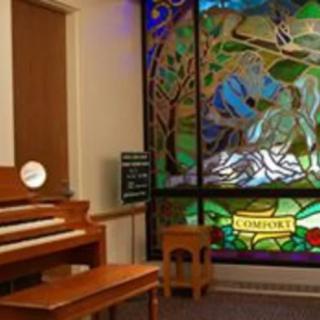
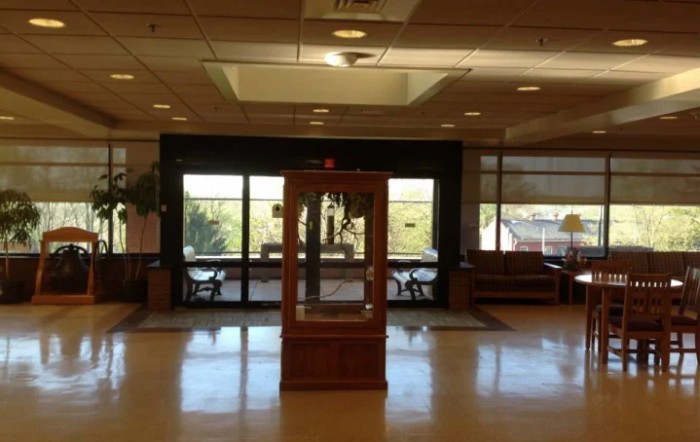
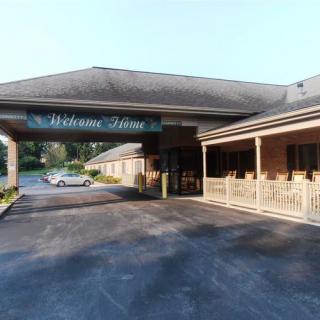
- The building offers nice views and outdoor porch spaces for residents.
- There are usually organized activities that many residents seem to enjoy.
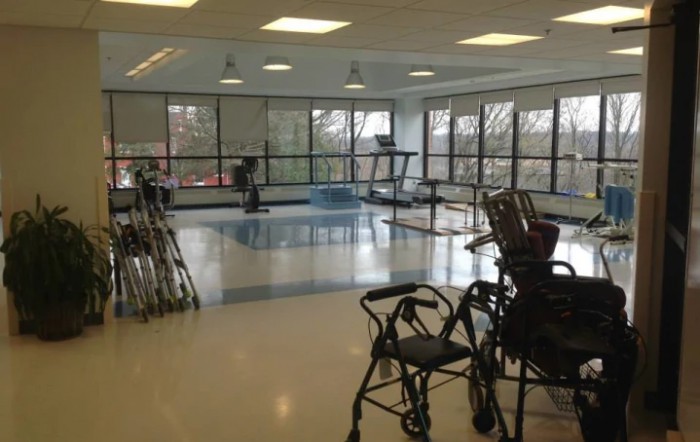
- Conestoga View was terrific at helping residents become physically fit enough to go home.
Cons
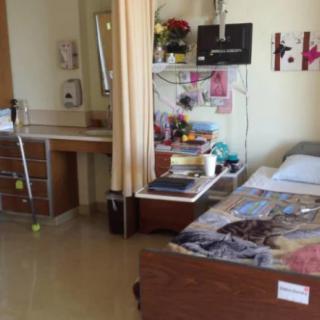
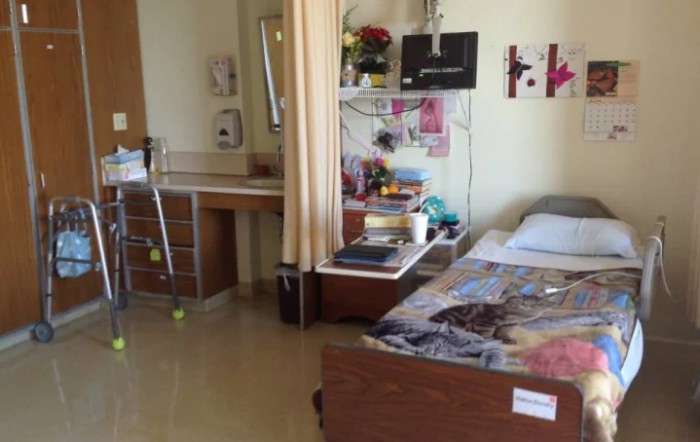
 The facility has barely any air conditioning and four beds per room, with the TV left on loudly for everyone.
 - The staff do not answer the call button for hours, leaving the patient to soil her bed each night.
- They did not transfer the patient's personal items to the new room, nor the fan that had been brought in for her.
- The meals are unacceptable, including a burger-and-fries dinner served while the patient was suffering.
- The rooms are filthy and sanitation is lacking.
- Bed sores are raging among many patients.
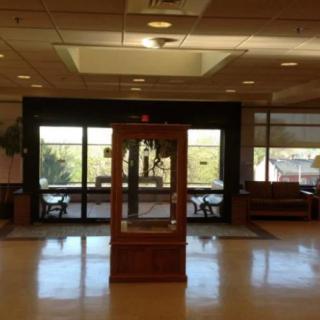
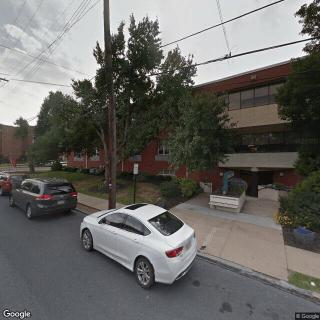
- The building is outdated and the facilities look aging.
- The staff are often unfriendly and do not seem to care about the residents.
Review
Conestoga View is best suited for families who must stretch a modest budget and who need a facility capable of handling complex medical needs, including residents who require ventilator support or post‑acute rehabilitation, without paying the premiums of newer campuses. The building’s age and the reality of four‑person rooms mean it isn’t a glossy, modern campus, and that reality will matter to families seeking pristine surroundings. For those who prioritize private rooms, spa-like amenities, or consistently flawless daily oversight, alternatives should be on the table. The decision should hinge on a balance between affordability and tolerance for an older infrastructure, rather than chasing a premier senior‑living experience.
The strongest, steadier notes in favor stem from the staff who show up with genuine care and recognition of residents’ histories. When caregivers connect, residents receive patient, respectful attention, and that human warmth can make a real difference in day‑to‑day quality of life. Families also report that, despite deficiencies, some residents experience tangible benefits from structured activities and the routine of care, which can matter a great deal for dementia or post‑hospital recovery. The facility’s ability to support medically complex residents, some needing ventilator support, and others transitioning from hospital care, provides a practical pathway for households navigating limited options in the region. In short, compassionate staff and the capacity to manage certain medical needs can offset some rough edges for the right resident.
Yet the scale of the drawbacks is substantial and cannot be ignored. Four beds per room, aging infrastructure, persistent sanitation concerns, and a building that often feels worn through the years all weigh heavily against the overall experience. Reports of rooms that are not adequately cleaned, odors, and insufficient attention to personal items during transfers paint a picture of inconsistent daily oversight. Response times to call buttons can be hourlong or longer, leaving families anxious about safety and comfort. Food quality is frequently cited as poor, and some families encounter gaps in communication, especially around changes in care plans or medical events. The combination of overcrowded rooms and gaps in supervision creates a environment where bedsores and outbreaks become more plausible risk factors, rather than rare exceptions.
A practical visit strategy is essential. If an inspection is allowed, focus on the top floor and a few representative rooms to observe cleanliness, odor, and general upkeep. Ask for a transparent tour of the busiest shift to gauge responsiveness and the level of direct oversight by supervisory staff. Verify how frequently care plans are updated, who communicates changes to families, and what the process looks like when a resident needs hospital transfer or new medications. Request to speak with current residents’ families to understand consistency of care, and, if possible, observe a meal and a routine activity to gauge daily life. Verify whether the facility currently accepts residents with ventilator dependencies and confirm the availability of equipment and trained staff to manage it safely.
For families deciding whether to commit, Conestoga View offers a clear value proposition for those prioritizing affordability and medical feasibility over modern amenities. It can serve as a solid option for short‑term rehab or long‑term care when other facilities are financially out of reach or unwilling to admit medically complex residents. That said, it requires ongoing, active oversight from families or a designated representative to supplement what may be uneven day‑to‑day care. If a loved one needs highly consistent supervision, immaculate sanitation, or a higher standard of daily life, alternatives should be pursued with urgency. The decision hinges on whether budget constraints and the facility’s medical capabilities outweigh the uncomfortable realities of aging infrastructure and variable care quality.
In the end, Conestoga View is not a one‑size‑fits‑all answer. It is a pragmatic choice for families who need access and medical capability at a lower cost, and who are prepared to engage closely with the facility to manage risks and gaps. It is less suitable for those seeking a polished, consistently immaculate environment or a care team with uniformly high daily oversight. The prudent path is a thorough, repeated visit, corroborated by independent input from current residents’ families, plus a concrete post‑admission plan with explicit expectations and contingency options. When those elements align, Conestoga View can provide essential support that keeps a loved one safe and cared for within a realistic budget.
 446 resident community capacity
 Skilled Nursing Facility
 Air-conditioning
 Beauty salon
 Cable or satellite TV
 Computer center
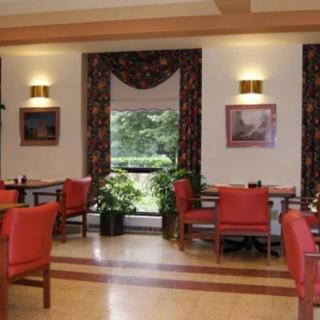
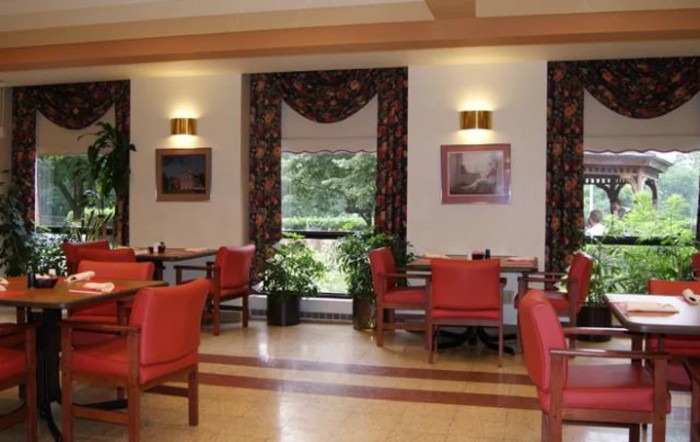
 Dining room
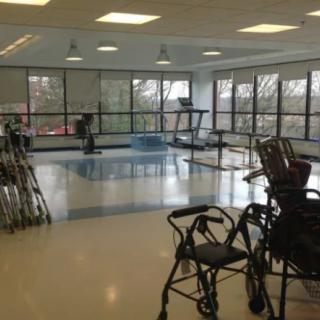
 Fitness room
 Fully furnished
 Gaming room
 Garden
 Housekeeping services
 Kitchenette
 Move-in coordination
 Outdoor space
 Private bathrooms
 Restaurant-style dining
 Small library
 Telephone
 Wellness center
 Wi-Fi/high-speed internet available
 Community operated transportation
 12-16 hour nursing
 24-hour call system
 Activities of daily living assistance
 Assistance with bathing
 Assistance with dressing
 Assistance with transfers
 Diabetes diet
 Medication management
 Mental wellness program
 Special dietary restrictions
 Concierge services
 Planned day trips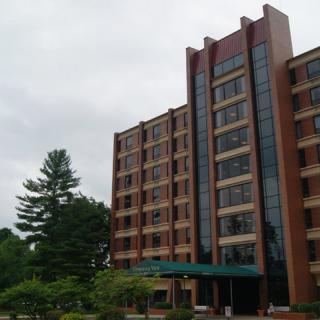
 Powerful Realities of Elder Abuse and the Most Effective Ways to Report It
 Ten Vital Duties of a Senior Caregiver: A Comprehensive Guide
 9 Stimulating Memory Activities for Seniors: Puzzles, Cards, and Much More