

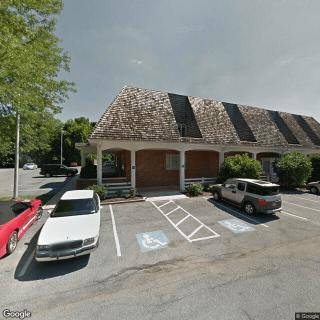
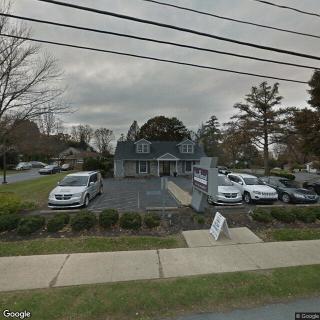
604 New Holland Ave Suite A, Lancaster, PA 17602
To contact a resident: (717) 394-5111
For more information about senior living options: (866) 208-4318
Overall Review of Griswold Special Care
Pros
 The office staff were very helpful and ensured the insurance paperwork needed to process the claim was completed.
- They also communicated schedule changes to all family members.
- The caregivers were very helpful, and the grandmother was comfortable with them there.
- Griswold gave the family peace of mind.
Cons
 The caregiver did not show up.
- There was no follow-up from the company.
- They did not call to inform what was happening.
- They sent a replacement the next day, but the father refused services, and Griswold still did not contact anyone to explain what was going on.
- The reviewer described Griswold as TERRIBLE and uncaring.
Review
Griswold Special Care in Lancaster is best suited for families seeking overnight, in-home support that can be coordinated through the insurer and kept nimble by attentive office staff. The strongest fit is for caregivers who value clear communication, paperwork handled smoothly, and a sense of reassurance from scheduled updates. It works well when the plan is fairly straightforward: a loved one who needs occasional overnight assistance, with families relying on a responsive office to manage scheduling changes and to reassure everyone involved.
However, this option warrants caution for households that cannot tolerate gaps in coverage or inconsistent caregiver attendance. The most telling red flag in the reviews is the experience where a caregiver did not show up and no replacement was arranged the same day, followed by no proactive follow-up. That breakdown highlights a real vulnerability: when field operations falter, the administrative strengths of the agency do not compensate, and families are left without timely information or solutions. For families facing complex or highly time-sensitive needs, this reliability gap makes alternatives worth serious consideration.
On the plus side, the consistently praised elements are real and meaningful. Office staff are described as helpful, detail-oriented with insurance paperwork, and capable of coordinating claims efficiently. When the team functions smoothly, families receive timely schedule updates and peace of mind about who will be with their loved one and when. Caregivers who are genuinely helpful and approachable can make an overnight stay feel comfortable for the senior, which translates into better rest for everyone at home and a lower stress level during transitions.
Yet the contrasting experiences underscore a core tension: the same agency praised for administrative competence can deliver a fragile service if the caregiving side is uneven. The two 4-star reviews suggest a viable, even favorable service when caregivers show up, provide reliable companionship, and the plan stays consistent. The negative episode, no-show, lack of replacement, and silence about the situation, reveals a pattern that can derail a care plan and erode trust quickly. This disparity means the decision hinges not on philosophy or paperwork alone but on the concrete, day-to-day dependability of the caregiving roster.
For families weighing Griswold, concrete steps are essential. Verify who the primary caregiver will be, confirm backup coverage for key dates, and insist on a written contingency plan with clear escalation contacts. Ask for a services-level agreement that specifies response times to caregiver absences and a guaranteed point of contact in the office. If reliability on short notice is non-negotiable, exploring larger, more fully staffed home-care networks or even hybrid options that include daytime coverage and overnight support may provide the consistency that some loved ones require. Assisted living or a more structured program could be a better fit when 24/7 predictability is the goal.
Ultimately, Griswold presents a pragmatic choice for families prioritizing insurance coordination, flexible scheduling, and a responsive administrative layer, with undeniable potential when the field staff shows up prepared. But when the caregiving team misses a shift and the office offers only reactive communication, the ensuing disruption can outweigh the benefits. Prospective clients should enter with a clear expectation that reliability will hinge on specific, documented commitments from both the office and the caregiving team, and should have a robust backup plan ready. If that level of planning and monitoring aligns with the family’s capacity, Griswold can deliver genuine peace of mind; if not, a more consistently staffed alternative may be the wiser path.




 Understanding Hospice Care at Home: Comprehensive Services, Key Benefits, and Eligibility
 Understanding the Full Cost of 24/7 In-Home Care: A Detailed Overview
 Exploring the World of Home Health Nurses: Qualifications, Roles, and Hiring Tips