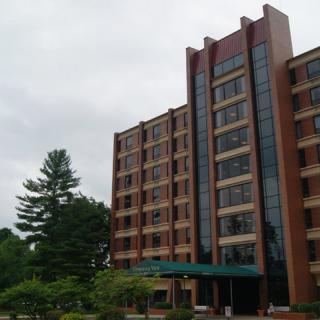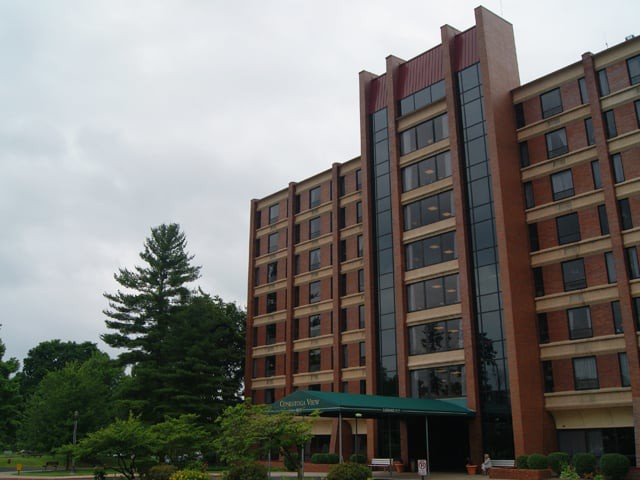
900 E King St, Lancaster, PA 17602
To contact a resident: (717) 299-7850
For more information about senior living options: (866) 208-4318
Overall Review of Lancaster Conestoga View
Pros
 They provide free CNA training and licensure to work there.
- They have physicians, nurses, housekeepers, and other professionals working together to provide excellent care for seniors and people with disabilities.
- The receptionist and office staff are dedicated and amazing.
- They assist visitors with courteous customer service and effective communication.
- They allow other students to train there.
- They offer rehab for all disabilities and seniors.
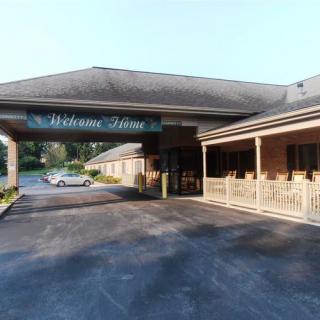
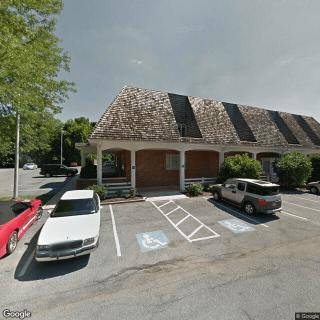
- They have restrooms for male and female and large handicap parking spaces.
- They are friendly and organized, maintaining a clean environment.
Cons
 The facility is absolutely disgusting and filthy, with horrible staff and food.
- The floors are dirty and the elevators are filthy; it is not a clean place.
- Residents are left in excrement for hours, and their call buttons are ignored or hidden.
- The facility is dangerous and shows neglect of residents.
- There is elderly cruelty, and no one would want to place a pet there.
- The place is overcrowded, with four people per room, and the food is cold and unpalatable.
- Televisions are left on loud 24/7, disturbing sleep and rehabilitation.
- The 8th floor smells like urine, and the building overall is not clean.
- Medical staff lack compassion and residents spend most of the day in bed.
- Nurses make patients clean up their own vomit and do not assist when needed.
Review
Lancaster Conestoga View in Lancaster, PA is not a general recommendation for seniors who need reliable daily care. It is best suited for a senior with minimal care needs who can tolerate a community where ongoing advocacy is non-negotiable, or for families who can commit to near-constant oversight to secure basic safety and service standards. In practical terms, the facility rewards vigilance and a willingness to push for rapid improvements more than it rewards trust in routine care. Without that relentless advocacy, the risks, unclear staff responsiveness, sanitation lapses, and inconsistent assistance, can quickly overwhelm any potential benefits. This is not a turnkey option; it is a potential pressure point that demands active, informed guardianship to navigate and constrain disappointments.
The most persistent red flags are environmental and operational. Residents report filthy conditions, mold and mildew in bathrooms, and floors and elevators that feel and smell unacceptable. Overcrowding compounds these issues, with four residents sharing rooms and the perception that private space and quiet cannot be guaranteed. Food quality is repeatedly described as cold or inedible, which compounds malnutrition risks for a population already vulnerable. Vital safety mechanisms, call buttons and timely medication delivery, are described as unreliable or inadequately attended to, creating dangerous situations for a resident who relies on consistent, responsive care. Even when staff are present, the tone of care can feel detached or overwhelmed, translating into episodic neglect rather than a steady standard of compassionate service.
Against that backdrop, a few seemingly constructive elements appear in the mix. Some staff members and administrative personnel are consistently described as friendly, organized, and dedicated to their roles, suggesting that pockets of competence exist within the system. There is mention of rehabilitation and disability-focused capabilities across multiple floors, including options for rehab services and a structure that accommodates different levels of need. The facility also has visible amenities, ROOFTOP views and accessible parking, that could contribute to a more livable environment if paired with reliable care. Yet these positives are overshadowed by ongoing sanitation concerns, staff shortages, and a pattern of inconsistent responsiveness that undermines trust in any claimed strengths.
Ultimately, the key pros fail to offset the main cons for families prioritizing safety, dignity, and predictable daily living. A clean, well-maintained environment, timely assistance, and consistent nutrition are foundational to quality senior care; when those foundations are in doubt, even competent therapists or well-intentioned front-desk staff cannot compensate. The risk of serious harm, missed medications, unaddressed incontinence, or care that deteriorates while rehabilitation goals stall, remains unacceptably high for a facility with known non-compliance history indicated by independent health inspections. In short, the favorable impressions stemming from a few diligent staff interactions or a single positive anecdote do not negate the pervasive reliability problems that residents and families confront day after day.
For families weighing options, several alternatives deserve closer consideration. Facilities with higher state inspection ratings, stronger cleanliness records, and clearer staffing stability should be prioritized. If remaining in the local market, seek communities with proven reputations for consistent housekeeping, prompt call-responses, and nutritionally balanced menus served hot and on time. Home-based care or a continuing care retirement community with transparent performance metrics can provide greater control over safety standards and daily routines. When touring, insist on current inspection reports, demand direct demonstrations of meal service timing, and observe a shift-change handoff to gauge whether care continuity is truly present. Above all, compare staff-to-resident ratios and the facility’s process for documenting and addressing complaints, these are the practical levers that translate into safer, more reliable care.
In the end, Lancaster Conestoga View should be approached with eyes wide open and a readiness to intervene actively. It is not a pick for families seeking dependable daily support, predictable meals, and clean surroundings without constant advocacy. Instead, it is a choice for those who can and will supervise care continuously, challenge deficiencies in real time, and tolerate a level of organizational churn while pushing for meaningful improvement. If safety, cleanliness, and consistent responsiveness are non-negotiable, the prudent move is to look elsewhere and reserve this option only for cases where every possible safeguard is in place and maintained by a committed family or guardian. In short, the decision should center on prioritizing a clean, responsive, and dignified environment, qualities this community must demonstrate consistently to warrant placement.
 Assisted Living
 Skilled Nursing Facility
 Activities on-site
 Devotional services off-site
 Indoor common areas
 Ambulatory care
 Diabetic care
 High acuity care
 Meals provided
 Understanding the Distinctions: Assisted Living and Memory Care Explained
 Guiding Elderly Parents Who Refuse Assisted Living: 6 Practical Steps
 Your Comprehensive Guide to Luxury Assisted Living: Elevated Facilities, Amenities, and Costs