600 East Roseville Road, Lancaster, PA 17601
For more information about senior living options: (866) 208-4318
Overall Review of The Long Community At Highland
Pros
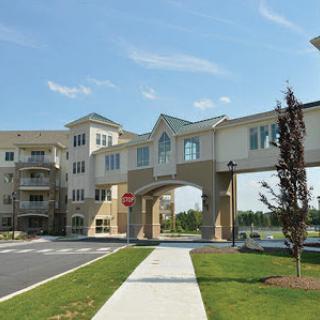
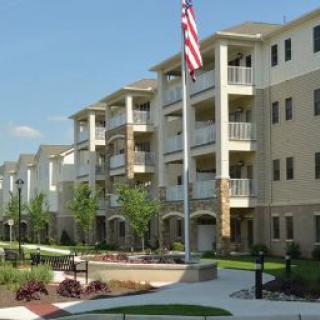
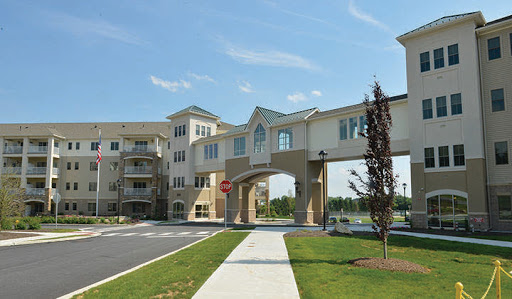
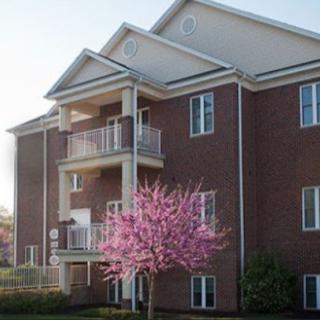
 The Long Community offers beautiful, handicap-accessible, spacious assisted living apartments.
 - The staff are friendly, welcoming, and feel like family to residents and visitors.
- Residents are well cared for by patient, professional staff trained to work with dementia residents.
- The on-site dining room and café provide convenient, high-quality meals.
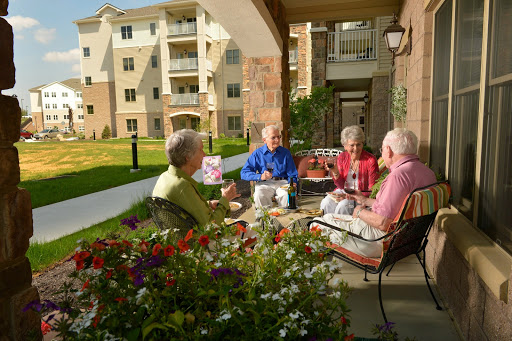
- The community provides stimulating activities and trips that keep residents engaged.
- The facility is not-for-profit, signaling a resident-focused, care-first approach.
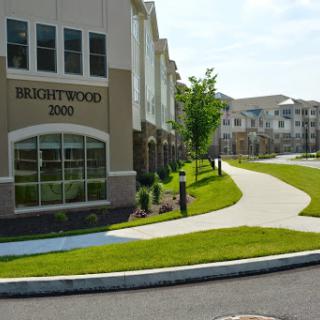
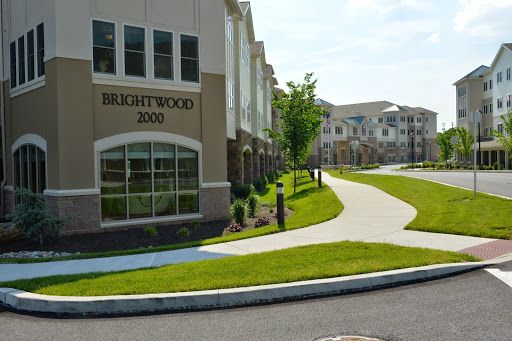
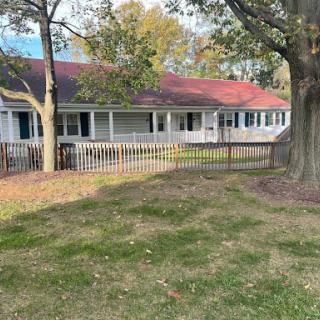
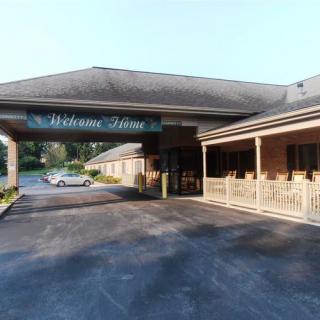
- Apartments and common areas are large, well-maintained, and nicely designed.
- On-site amenities include a café, a full catering kitchen, and round-the-clock access to nursing staff.
- The environment supports accessibility with features like walk-in showers, grab bars, and raised toilets.
Cons
 The design of the apartment isn’t the best.
- The shower is too big and it doesn’t have any handrails.
- The food allowance of $100 per person per month wasn’t as good as it should have been.
- The reviewer wouldn’t design the apartment the way it is.
Review
The Long Community at Highland is best suited for families seeking a not‑for‑profit, values‑driven option that combines spacious, accessible living with attentive, dementia‑aware care. It fits buyers who want a safe, clean, people‑oriented campus where staff treat residents like family and where programming emphasizes engagement, trips, and social connection. The community shines for seniors who prioritize meaningful interaction, reliable care support, and a homey atmosphere over resort‑style amenities or ultra‑modern design details. If independence with minimal assistance is the goal, this is a strong match; if a highly boutique feel or a wealth of high‑end leisure features is non‑negotiable, alternatives may be preferable.
Those considering alternatives should note a few realities. A few reviewers expect more in the way of lavish amenities, such as pools, extensive trails, or highly differentiated independent‑living perks, and may prefer communities with more conspicuous resort‑style offerings. Others may want apartment architecture with cutting‑edge design or layouts that maximize contemporary convenience. In addition, one review points to some variability in unit design, suggesting that not every apartment matches every resident’s preferences, particularly around shower sizing and grab‑bar placement. For buyers prioritizing sophisticated, high‑end interiors or a broader menu of independent‑living activities, it’s prudent to compare floor plans and amenity packages at nearby options.
The strongest advantages are substantial and well‑integrated into daily life. The apartments themselves feel spacious, modern enough to feel like comfortable homes, with clear attention to accessibility: walk‑in showers, raised toilets, grab bars, generous storage, and roomy living areas. The campus supports social vitality through a robust schedule of outings, on‑site dining, and organized activities, all aided by a convenient on‑site cafe and a full catering kitchen for events. The staff’s warmth and professionalism come through in every encounter, with dementia care delivered by trained personnel who demonstrate patience and a genuine commitment to residents’ well‑being. For families worried about safety and cleanliness, the not‑for‑profit model translates into a culture oriented toward care over margin, backed by long‑standing community values.
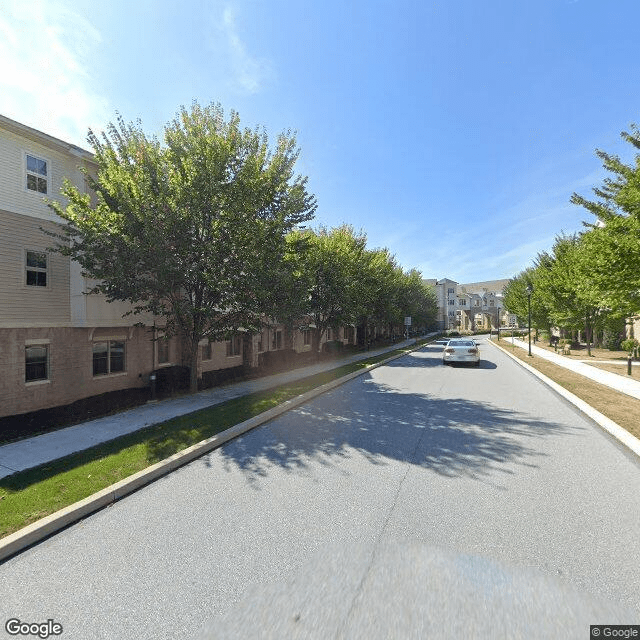
Those pros are not without caveats, and the balance hinges on individual needs. While nursing presence and memory‑care capability are strong, some residents may encounter design quirks in specific units, one review highlights a shower layout that can feel oversized and lacking in handrails, which matters to mobility and safety. Food experiences can vary as well: a modestly funded per‑person food allowance in independent living can translate into dining experiences that don’t always meet every palate or expectation, depending on what residents value in meals and menus. Finally, the campus footprint appears more apartment‑style than resort‑type, with fewer sprawling amenities like pools or miles of trails, which may disappoint those seeking a more expansive recreational environment.
When weighing the pros against the cons, the offset is clear for many families: reliable care, strong social programming, and a welcoming, clean environment outweigh the absence of high‑end leisure facilities for residents who value community, routine, and meaningful daily activities. The dedicated dementia programming, resident‑friendly dining, and the ability to “age in place” with a seamless transition from independence into assisted living or memory care create a coherent continuum of care that reduces the stress of moving again if needs escalate. The presence of buses for outings, twice‑weekly fitness activity, and a cadre of friendly staff who remember residents’ names adds up to real quality of life benefits that often matter most to families.
Bottom line: this community earns its stripes for families seeking a caring, fiscally principled option with generous apartment space, solid care, and an active, engaged environment. It’s a practical, experienced choice for those who prioritize patient staff, a clean, home‑like setting, and dementia specialization within a non‑profit framework. However, for families that prize splashy amenities, ultra‑modern interior design, or a tightly curated independent‑living lifestyle with abundant on‑site recreation, it pays to explore alternatives before committing. A thoughtful next step is to tour with attention to actual apartment layouts, test the dining experience, and sit in on a memory‑care activity to confirm alignment with individual expectations and safety priorities.
 64 resident community capacity
 Assisted Living
 Respite Care
 Activities on-site
 Air-conditioning
 Beauty salon
 Cable or satellite TV
 Computer center
 Devotional services off-site
 Dining room
 Fitness room
 Fully furnished
 Gaming room
 Garden
 Housekeeping services
 Indoor common areas
 Kitchenette
 Move-in coordination
 Outdoor space
 Private bathrooms
 Restaurant-style dining
 Small library
 Telephone
 Wellness center
 Wi-Fi/high-speed internet available
 Community operated transportation
 12-16 hour nursing
 24-hour call system
 Ambulatory care
 Assistance with bathing
 Assistance with dressing
 Assistance with transfers
 Diabetes diet
 Diabetic care
 Medication management
 Mental wellness program
 Special dietary restrictions
 Concierge services
 Planned day trips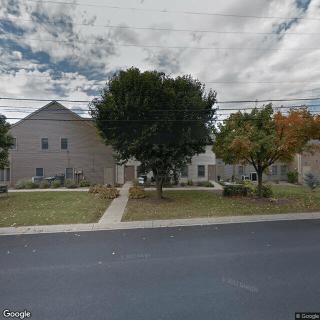

 Assisted Living Support for Veterans: A Complete and Detailed Overview
 Exploring the Contrasts Between Assisted Living and Skilled Nursing
 8 Key Indicators That Suggest It May Be Time to Transition from Assisted Living to Skilled Nursing Care