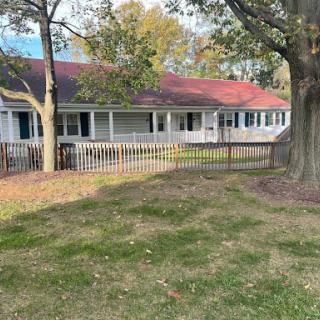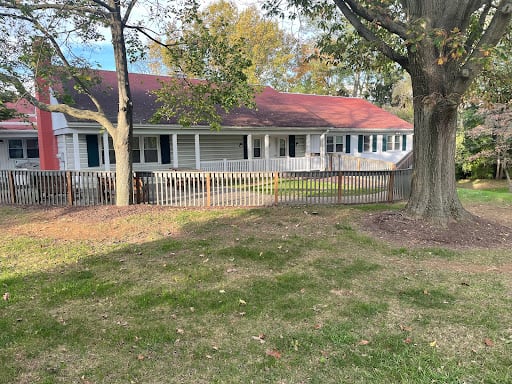
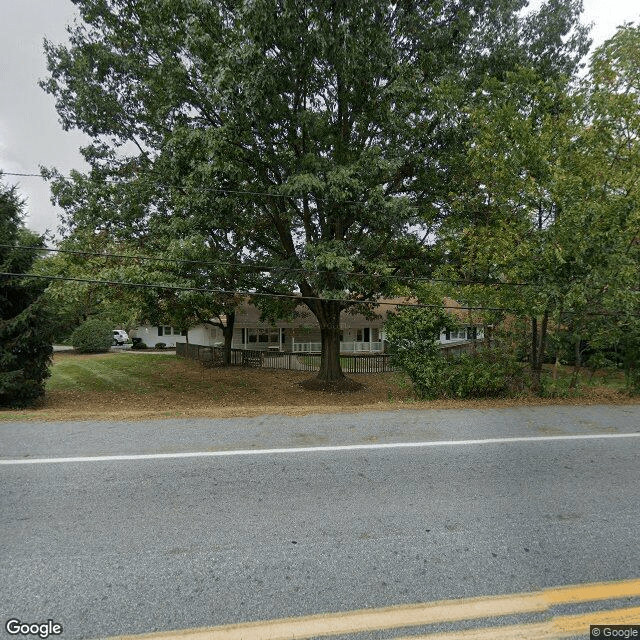
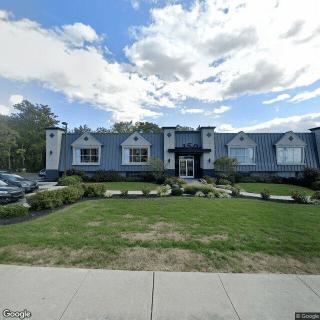
2165 New Holland Pike, Lancaster, PA 17601
To contact a resident: (717) 399-3455
For more information about senior living options: (866) 208-4318
Pine Manor Home Costs & Pricing
Pine Manor Home offers competitive pricing for its residents, particularly when compared to both Lancaster County and the wider Pennsylvania area. For a semi-private room, the monthly cost at Pine Manor is $2,000, significantly lower than the county average of $3,844 and the state average of $3,542. Similarly, the one-bedroom option at Pine Manor is priced at $2,500, which again stands in stark contrast to Lancaster County's average of $4,379 and Pennsylvania's average of $4,006. These cost advantages make Pine Manor Home an attractive choice for those seeking quality care without the burden of excessive expenses.
| Floor plans | Pine Manor Home | Lancaster County | Pennsylvania |
|---|---|---|---|
| Semi-Private | $2,000 | $3,844 | $3,542 |
| 1 Bedroom | $2,500 | $4,379 | $4,006 |
Assisted Living communities with a similar price nearby
-
from -$135 / mo
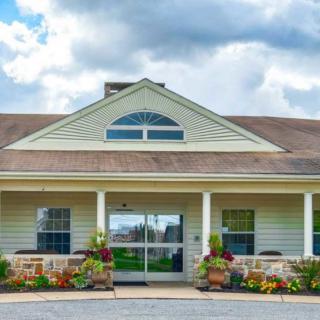
Juniper Village at Lebanon
$1,865 to $4,535 / month19.3 miles away -
from -$100 / mo
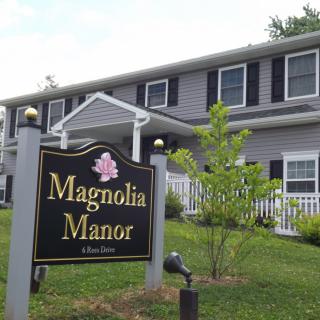
Magnolia Manor
$1,900 to $4,562 / month6.7 miles away -
from +$60 / mo

Welsh Mountain Home
$2,060 to $7,295 / month16.1 miles away -
About the same
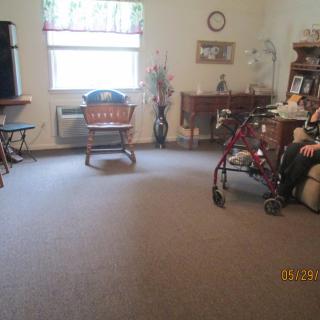
Faithful Living
$1,975 to $2,950 / month16.1 miles away -
from -$105 / mo
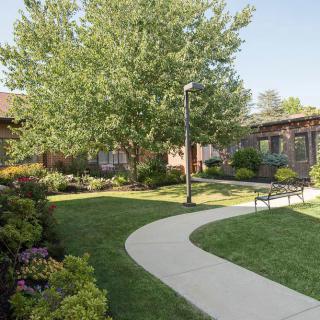
Heatherwood Retirement
$1,895 to $2,995 / month24.1 miles away
Overall Review of Pine Manor Home
Pros
 The environment is clean.
- The staff are very professional.
- The food is great.
- The staff are out of this world.
- The atmosphere is great and the costs are low.
- The community is nice and family-type.
Cons
 The facility was described as low-budget, very basic, with limited services and unprofessional staff.
- The reviewer shared a bathroom with six other residents.
- The meals were mostly tasteless.
Review
Pine Manor Home in Lancaster is best suited for seniors who want a small, homelike setting where affordability and personal attention trump a wide slate of services. It works well for residents who value a family atmosphere, direct access to staff, and straightforward care rather than a glossy, impersonal campus. The community’s compact size encourages close relationships, easier oversight, and predictable routines, helping families stay connected through steady updates and hands-on involvement. Cleanliness and a basic, functional environment support daily living without unnecessary frills, making it a practical choice for budget-conscious households.
Those considering alternatives should note that this is not the place for someone who needs extensive medical oversight or a broad menu of enrichment programs on a daily basis. If a resident requires frequent therapy, complex medication management, private rooms, or a wide range of activities and transportation options, a larger assisted living or memory-care community with more robust staffing may be a better fit. Families should compare private accommodations, on-site clinicians, and the scope of services offered, especially for residents with higher care needs or a preference for a more bustling social calendar.
The strongest positives here are a clean environment, approachable staff, and affordability, all of which offset several obvious drawbacks for the right caller. Reports from residents highlight professional, responsive staff and a low-cost, favorable atmosphere. Food quality has improved over time, and the small, intimate setting fosters easy communication; when health issues arise, staff are described as making sure families are kept in the loop. These advantages create a practical value proposition: a calm, affordable home with dependable people who treat residents like family.
However, potential residents should be mindful of the trade-offs. Limited services and a basic footprint can feel restrictive to those accustomed to more comprehensive care or a broad activity slate. Shared bathrooms and a smaller community size may not suit someone who prioritizes privacy or a wide social network. Staffing levels and coverage can vary, and experiences may differ between shifts. Before deciding, families should verify the current scope of services, confirm room configurations, and assess whether the level of medical oversight and daily programming aligns with the resident’s needs and expectations.
Prospective movers should verify what is truly included in the rate and what would incur extra charges, such as transportation, therapies, or enhanced dining options. A tour should include a careful look at room arrangements, bathroom access, common areas, and the dining experience. Ask to review the latest activity calendar to gauge daily engagement and request a sample meal. Inquire about how emergencies are communicated to families, and confirm who the primary day-to-day point person is. Clarify leadership and any recent changes, since perceptions of staff professionalism have varied in the past.
Bottom line: Pine Manor Home delivers a practical, budget-conscious option for seniors who value a warm, home-like environment and clear, responsive communication. It is less ideal for residents needing extensive medical services, private accommodations, or a broad, highly active programming schedule. For families willing to prioritize cost control, intimate setting, and straightforward care, Pine Manor represents a solid, no-nonsense choice. Those with higher care needs or a preference for more amenities should explore larger communities with expanded services, even as a visit to Pine Manor is recommended to observe firsthand how current staff interact with residents and how meals and daily routines actually feel in practice.
 Assisted Living
 Activities on-site
 Devotional services off-site
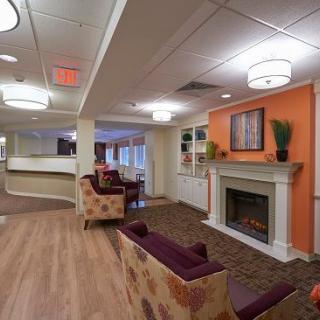
 Indoor common areas
 Ambulatory care
 Diabetic care
 Meals provided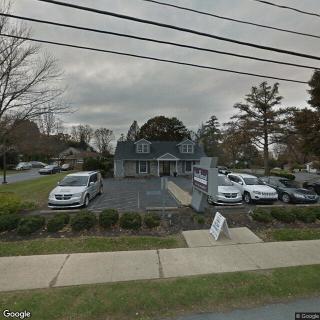

 Comprehensive Insights into Activities of Daily Living (ADLs) and Their Assessment
 Medicare Coverage for Assisted Living: An In-Depth Exploration
 Your Comprehensive Guide to Luxury Assisted Living: Elevated Facilities, Amenities, and Costs