
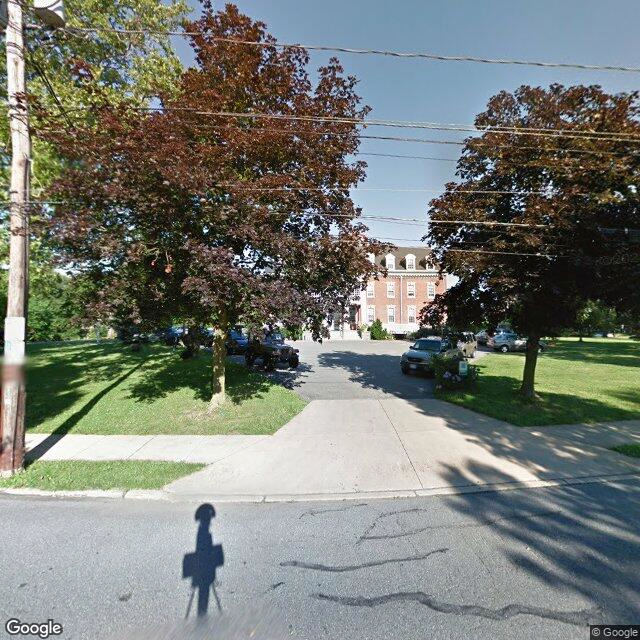
200 N West End Ave, Lancaster, PA 17603
To contact a resident: (717) 381-4900
For more information about senior living options: (866) 208-4318
Overall Review of The Long Community
Pros
 They are great people with wonderful products and fantastic prices.
- They are able to work with our income and are more reasonable on pricing.
Cons
 They don't take care of the residents.
- They aren't cleaning the residents' rooms.
- The staff is rude.
- They would have been our first choice, but the waiting list was too long.
- The reviewer moved their loved one out of the community.
Review
The Long Community in Lancaster, PA is best suited for budget-minded families that can tolerate a longer admission timeline and prioritize predictable pricing and practical services over high-touch care reputations. This community aligns with households where cost control and income-adjustment flexibility matter, and where families are prepared to oversee ongoing care decisions while waiting for a spot. Those who can commit to navigating an admission wait and actively monitoring quality will likely find value here, particularly when price transparency and affordability are decisive factors.
Those who may want to consider alternatives are families seeking prompt placement, consistently attentive caregiving, and a spotless, purposefully managed environment from day one. If rapid availability, a consistently polished daily environment, and staff with a consistently warm, professional demeanor are non-negotiables, other local options are likely to deliver fewer trade-offs. For families with higher care needs or a strong emphasis on immediate, hands-on resident engagement, exploring options with shorter waitlists and demonstrable staffing stability is prudent.
On the upside, the positives can feel tangible in the right mix: staff and leadership are widely described as friendly and capable, the product mix, what residents get for daily living and activities, meets practical expectations, and pricing is notably more affordable with a willingness to work with different income levels. Those financial arrangements can be a meaningful advantage for households on a fixed income or with limited resources, making home-like care more accessible than elsewhere. When a family can align budget realities with the facility’s pricing flexibility, that alignment brightens the overall value proposition.
Yet the drawbacks carry real weight. Recurring concerns about cleanliness and who is responsible for routine resident care point to gaps in daily operations that cannot be dismissed. Reports of rooms not being cleaned and residents not receiving expected attention raise red flags about quality control and accountability. When staff behavior is described as rude by families, the trust needed for ongoing supervision of care and safety frays, and the potential for stress and dissatisfaction grows. These are core risk factors because they touch on dignity, safety, and the ability to enjoy a supportive living environment.
The strongest way the pros offset the cons is through cost leverage and admission flexibility, but those advantages do not fully neutralize the risk of inconsistent care and perceived staff disengagement. The bottom line: this community can deliver meaningful value to households that can tolerate a slower admission process and maintain rigorous oversight of daily care standards. For families with limited means, the affordability combined with a willingness to be proactive can make this option compelling. For others, the long wait and ongoing quality concerns tilt the balance toward exploring alternatives with stronger immediate availability and steadier day-to-day operations.
In the end, decisive action should hinge on a concrete admission plan and a clear plan for oversight. Prospective residents should request a detailed tour and ask pointed questions about housekeeping schedules, QA processes, and staff training, along with direct conversations with current residents or family members. Verify the current wait time, confirm the availability of specific level-of-care services, and insist on transparent responses about how care plans are monitored and adjusted. If a family can embrace the potential for a price-driven outcome, a patient admission path, and tight oversight of care quality, The Long Community becomes a prudent option. If not, there are alternatives where care quality and immediacy align more consistently with expectations.
 Skilled Nursing Facility


 Nurturing Our Elders: Linda's Journey of Supporting Her Mother
 A Comprehensive Exploration of Common Misunderstandings about Powers of Attorney
 Senior Move Management: Understanding the Role, Value, and Associated Costs