Providence Place Senior Living in Lancaster, PA

Save

Providence Place Senior Living in Lancaster, PA

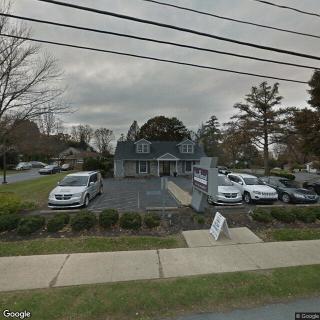
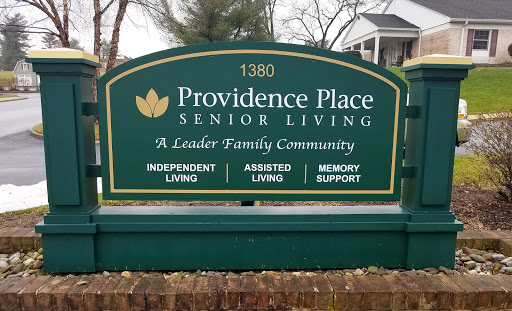
1380 Elm Avenue, Lancaster, PA 17603

For more information about senior living options: (844) 490-3973

4.1 from 38 reviews
5 stars
21
4 stars
10
3 stars
1
2 stars
0
1 stars
6

Assisted Living Respite Care

What level of care are you interested in?

Assisted Living

Memory Care

Independent Living

Skilled Nursing Facility

Continuing Care Retirement Community (CCRC)CCRC

Other


Request a tour at Providence Place Senior Living

    Overall Review of Providence Place Senior Living

    Pros

    • pro The staff are very kind and seem to truly have the residents' best interests at heart.
    • pro The dining staff are friendly and quickly catch on to residents' preferences, and the food is good and varied.
    • pro The facility offers a robust calendar of activities, including live music and social events.
    • pro The Executive Director demonstrates hands-on leadership and delivers compassionate, consistently accountable care.
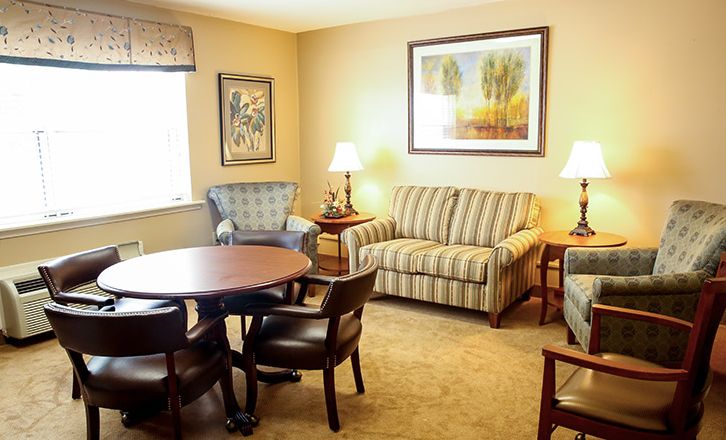
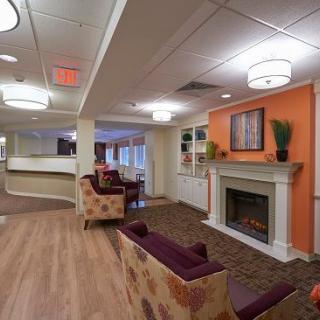
    • pro The rooms are spacious, well-appointed, and can be personalized with furnishings; each room has independent heating and air control.
    • pro Country Meadows is described as luxurious and welcoming, with caring staff, clean surroundings, and ample activities.
    • pro Katie Sanders is a caring advocate who goes above and beyond to help residents.
    • pro Providence Place's staff provide excellent care and support around the clock, with friendly front desk and transportation teams.

    Cons

    • pro One reviewer would rate Providence Place zero, calling it overpriced with poor staff.
    • pro A reviewer notes that management does not care about their employees.
    • pro The facility is described as an "assisted living" place that is really skilled care in disguise.
    • pro It is alleged that they accept new residents for money even when they lack staff to provide proper care.
    • pro The staff are described as extremely unprofessional.
    • pro The reviewer warns others not to put their family members there.
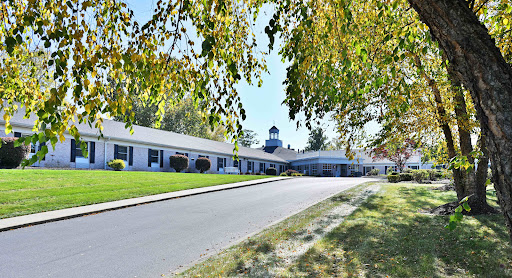
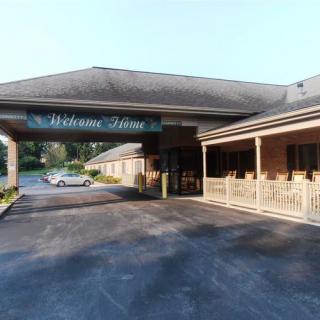
    • pro The environment is described as very cheap and toxic, though pretty on the outside.
    • pro They witnessed a resident dying and alleged that management moved the body back to the original room so the family could visit.

    Review

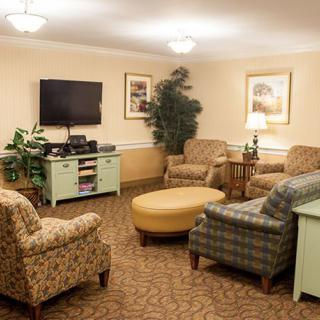
    Providence Place Senior Living in Lancaster is best suited for seniors who want dependable, front-line caregiving in a lively, home-like setting and who don't require hospital-grade medical oversight around the clock. The community earns consistent praise for staff warmth and responsiveness; aides and nurses are described as genuinely kind, and front-desk and transportation teams are dependable. The dining program is practical and adaptable, with varied menus, portion options, and staff who quickly learn resident preferences. The interior feels comfortable, with rooms that residents can personalize and a well-structured calendar of activities, including religious programming, live music, social hours, and outings. For families that emphasize daily quality-of-life touches, clear communication, and hands-on care that supports independence on a predictable schedule, Providence Place provides a reliable foundation.

    Alternatives become appealing for residents with higher care needs or when governance and safety questions dominate the decision. Several reviews describe memory-care and other complex medical needs as areas where Providence Place struggles to keep up, with notices of understaffing and inconsistencies in how conditions are managed. A few families report feeling that promised levels of care weren't delivered or that staff training and supervision were lacking. In those contexts, a campus with a stronger memory-care focus, more robust clinical oversight, or different billing expectations - such as other Lancaster-area facilities that consistently rank high in resident satisfaction - can reduce risk and frustration. Budget considerations also tip toward alternatives where the care model aligns more closely with anticipated needs and where families don't face ongoing supplementary caregiving duties.

    On balance, the solid positives do exist, and they frequently offset the more modest shortcomings. The leadership presence - an Executive Director described as hands-on, accessible, and accountable - colors the day-to-day operation and translates into better-trained staff, smoother problem resolution, and a culture that values responsiveness. The nursing and aide teams are often cited as the facility's strength, and there are consistent reports of transparent communication with families, timely follow-through on requests, and reliable transportation to appointments. The dining staff, too, earns praise for flexibility and courtesy, while the activities calendar provides meaningful options for engagement and social connection. When these elements align, residents enjoy a calm, supported routine and families feel their loved ones are looked after with genuine care.

    Nevertheless, the most impactful red flags arise from reports of staffing gaps and inconsistent administrative judgment. Several reviews allege that staffing levels, especially for memory care, do not always meet demand, with consequences ranging from delayed meals to slower response times. Some accounts describe uncomfortable conditions - examples include incidents where basic care or daily tasks were missed, or where policies appeared to steer families toward supplementing paid care rather than relying on in-house resources. A few stories describe disillusionment after admissions that did not align with expectations, and at least one account raised concerns about how critical events were communicated. These patterns signal real risk for families whose loved ones require predictable, tightly coordinated care rather than a hands-off approach.

    Given the mixed picture, practical due diligence matters. Prospective residents should press for current staffing ratios by shift, ask to meet the memory-care leadership and front-line supervisors, and request transparent explanations about what is covered by the base rate versus add-ons. A tour should include a firsthand look at how meals are served, how long wait times typically are, and whether residents can access outdoor spaces safely. Confirm the scope of memory-care services offered, and whether any residents needing more intensive care are supported on-site or relocated. Finally, compare contracts and billing structures with nearby peers to ensure expectations about care quality and cost align with actual practice.

    In the end, Providence Place offers a dependable, people-centric environment for older adults who value warmth, clear communication, and routine, provided memory-care needs are moderate and family involvement is feasible. For families prioritizing robust memory-care, airtight governance, or care that is consistently proactive rather than reactive, alternatives such as facilities with stronger dedicated memory-care units or higher clinical oversight may be the safer long-term choice. The best path is an informed visit - spend time with direct care staff, meet the leaders, observe how the community operates across shifts, and verify that the care model matches the specific needs and budget. With those assurances, Providence Place can be a solid fit; without them, it is prudent to look elsewhere.

    Features

    Housing

    • 125 resident community capacity 125 resident community capacity

    Types of Care

    • Assisted Living Assisted LivingAssisted living facilities provide crucial support and care for seniors who may need help with daily tasks such as medication management, bathing, and meal preparation. These communities offer a safe and comfortable environment where seniors can maintain their independence while receiving the assistance they need to thrive in their golden years.
    • Respite Care Respite CareRespite care provides temporary relief for caregivers, allowing them to recharge and attend to their own needs. It also gives seniors the opportunity to socialize, receive professional care, and experience a change of scenery, promoting overall well-being and reducing feelings of isolation.

    Amenities

    • Air-conditioning Air-conditioningAir conditioning is important for seniors as they are more vulnerable to heat-related illnesses and may have underlying health conditions that make it difficult for them to regulate their body temperature. It helps to keep them comfortable, safe, and healthy in hot weather.
    • Beauty salon Beauty salonBeauty salons are important for seniors because they provide a space for them to feel pampered, socialize, and maintain their personal grooming and hygiene. Regular visits to a beauty salon can help boost seniors' self-esteem and overall well-being.
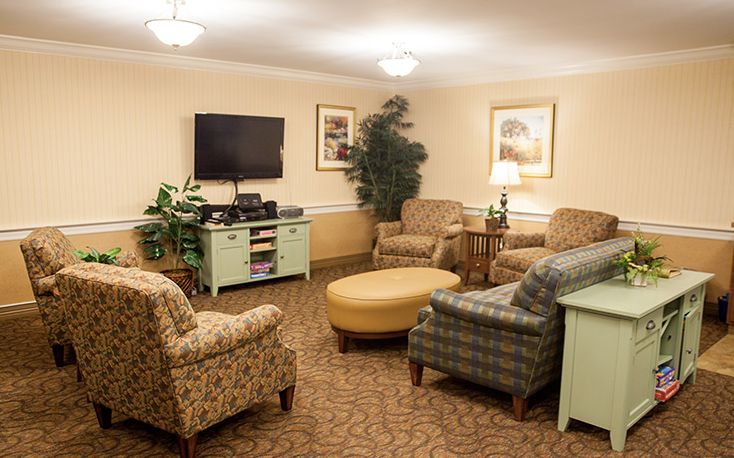
    • Cable or satellite TV Cable or satellite TVCable or satellite TV is important for seniors because it provides entertainment, news, and companionship, helping to combat loneliness and boredom. It also offers a wide range of programming options tailored to different interests and preferences.
    • Computer center Computer centerA computer center is essential for seniors as it provides access to technology, communication tools, and resources that can enhance their daily lives. It allows them to stay connected with loved ones, engage in online activities, and learn new skills, ultimately promoting socialization and mental stimulation.
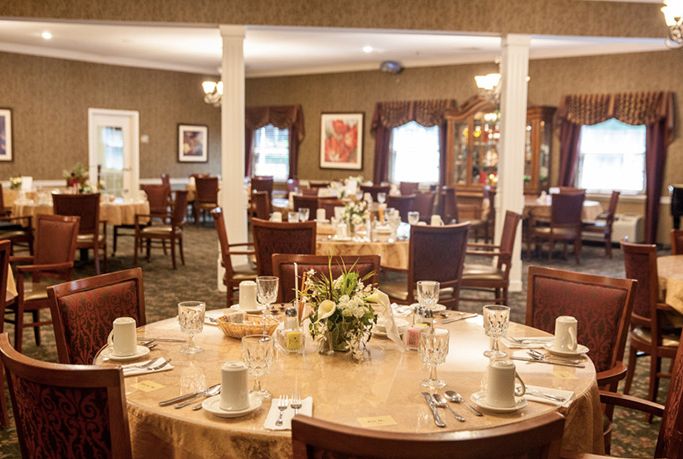
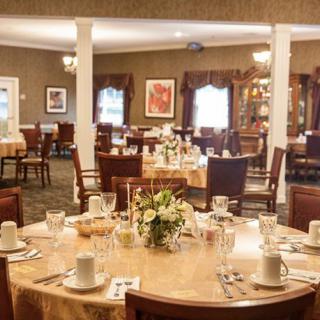
    • Dining room Dining roomDining rooms are important for seniors as they provide a space for socialization, connection, and nutritious meals. They offer opportunities for residents to bond over shared meals, foster a sense of community, and promote healthy eating habits. Dining rooms also ensure that seniors have access to well-balanced meals tailored to their dietary needs and preferences.
    • Fitness room Fitness roomHaving a fitness room in a senior living community is essential for seniors to stay active, maintain their physical health, and improve their overall well-being. Regular exercise can help prevent falls, reduce the risk of chronic diseases, and promote mental sharpness. It also provides social opportunities for residents to connect with others and enjoy a sense of community.
    • Fully furnished Fully furnishedFully furnished senior living communities are important for seniors because they provide convenience, comfort, and a hassle-free moving experience. Seniors can easily settle into their new living space without the stress of having to buy and move furniture. This allows them to focus on enjoying their new home and community.
    • Gaming room Gaming roomGaming rooms are important for seniors as they provide a fun and engaging environment for socializing, cognitive stimulation, and physical activity. Games can improve memory, problem-solving skills, and overall mental well-being while fostering friendships and reducing feelings of isolation.
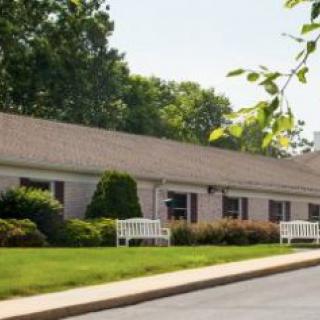
    • Garden GardenGardens are important for seniors as they provide a peaceful and therapeutic environment for relaxation, physical activity, and socialization. Being in nature has been shown to reduce stress, improve mood, and promote overall well-being. Gardens also offer opportunities for seniors to engage in gardening activities, which can improve mobility, flexibility, and cognitive function. Additionally, gardens create a sense of community and connection with others who share a passion for plants and outdoor spaces.
    • Housekeeping services Housekeeping servicesHousekeeping services are important for seniors because they help maintain a clean and safe living environment, promote independence, and reduce the risk of accidents or illnesses. Additionally, having assistance with household chores can alleviate physical strain and allow seniors to focus on other aspects of their well-being.
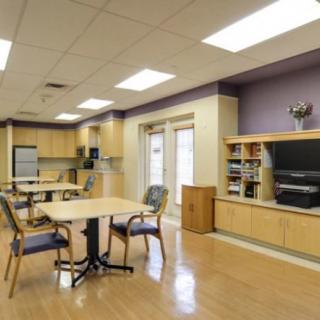
    • Kitchenette KitchenetteKitchenettes are important for seniors living in senior living communities because they provide the convenience and independence of being able to prepare simple meals and snacks in the comfort of their own living space. This can help promote a sense of autonomy and well-being for seniors, allowing them to maintain some level of control over their dietary choices and daily routines.
    • Move-in coordination Move-in coordinationMove-in coordination is important for seniors because it helps ease the transition into their new living environment. It ensures that all logistics, such as packing, organizing movers, and setting up utilities are taken care of, allowing seniors to focus on settling in and adjusting to their new home. Having a smooth move-in process can alleviate stress and anxiety, making the transition smoother and more enjoyable for seniors.
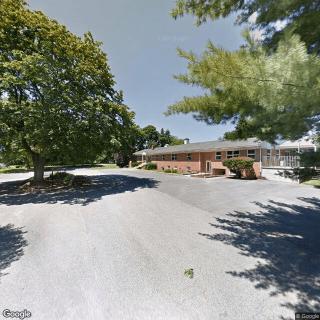
    • Outdoor space Outdoor spaceOutdoor spaces are important for seniors as they provide opportunities for physical activity, social interaction, exposure to natural light and fresh air, and a sense of connection to nature. Having access to outdoor spaces can improve overall well-being and quality of life for older adults living in senior communities.
    • Private bathrooms Private bathroomsPrivate bathrooms are important for seniors in senior living communities because they provide independence, dignity, and comfort. Having a private bathroom allows seniors to maintain their personal hygiene routines without the need for assistance, promoting a sense of autonomy and privacy. Additionally, private bathrooms help prevent the spread of infections and provide a safe and clean environment for seniors to navigate safely.
    • Restaurant-style dining Restaurant-style diningRestaurant-style dining is important for seniors because it allows them to enjoy delicious, nutritious meals in a social and upscale setting. This enhances their dining experience, promotes healthy eating habits, and fosters socialization with fellow residents, ultimately contributing to their overall well-being and quality of life.
    • Small library Small librarySmall libraries are important for seniors as they provide access to a variety of reading materials, including books, newspapers, and magazines. This can help stimulate their minds, keep them engaged, and provide a sense of community through book clubs and other social activities. Additionally, reading has been shown to improve cognitive function and overall mental well-being in older adults.
    • Telephone TelephoneTelephones are important for seniors as they provide a lifeline for communication with loved ones, emergency services, and healthcare providers. They offer a sense of security and independence, enabling seniors to stay connected and access assistance when needed.
    • Wellness center Wellness centerWellness centers are important for seniors because they offer a variety of programs and services that promote physical, mental, and emotional well-being. These centers provide opportunities for exercise, socialization, education, and relaxation, helping seniors maintain their overall health and quality of life.
    • Wi-Fi/high-speed internet available Wi-Fi/high-speed internet availableWi-Fi/high-speed internet is important for seniors to stay connected with loved ones, access online resources, and participate in virtual activities to combat feelings of loneliness and isolation. It also allows them to easily manage healthcare needs, access entertainment, and engage in lifelong learning opportunities.

    Transportation

    • Harrisburg International (25 miles away) Harrisburg International (25 miles away)
    • Community operated transportation Community operated transportationCommunity operated transportation is crucial for seniors as it provides them with the means to access essential services, social activities, and medical appointments. It allows seniors to maintain their independence and quality of life by ensuring they can participate in activities outside of their homes. Additionally, community-operated transportation services offer a safe and reliable way for seniors to travel without having to rely on family or friends for assistance.
    • Transportation arrangement Transportation arrangementTransportation arrangements are crucial for seniors as they may face challenges with driving, mobility, or access to public transportation. Having reliable transportation services ensures that seniors can easily attend appointments, social activities, and maintain their independence and quality of life.
    • Transportation arrangement (non-medical) Transportation arrangement (non-medical)Transportation arrangements are essential for seniors as they provide access to essential services, activities, and social interactions outside the home. This service helps maintain independence, mobility, and overall well-being for seniors who may have limited transportation options.
    • Transportation to doctors appointments Transportation to doctors appointmentsTransportation to doctors appointments is crucial for seniors as it ensures they have access to necessary medical care and support, promoting their health and well-being. It allows them to receive timely treatment, monitor existing conditions, and address any new health concerns efficiently. Additionally, transportation services can help seniors maintain their independence and quality of life by enabling them to stay connected with their healthcare providers.

    Care Services

    • 12-16 hour nursing 12-16 hour nursing12-16 hour nursing care is crucial for seniors in order to ensure around-the-clock monitoring, timely medication administration, and prompt response to any health concerns or emergencies. This level of care helps to promote the overall well-being and safety of seniors living in senior living communities.
    • 24-hour call system 24-hour call system24-hour call systems are important for seniors because they provide peace of mind and immediate assistance in case of emergencies. This technology ensures that help is always available, promoting safety and security for elderly individuals living alone or in assisted living facilities.
    • 24-hour supervision 24-hour supervision24-hour supervision is important for seniors to ensure their safety, well-being, and access to immediate assistance in case of emergencies or health issues. This constant support provides peace of mind for both seniors and their loved ones, allowing them to age in place with dignity and security.
    • Activities of daily living assistance Activities of daily living assistanceActivities of daily living assistance are important for seniors because they provide essential support with tasks such as eating, bathing, dressing, and mobility. This assistance helps seniors maintain their independence, dignity, and overall quality of life as they age.
    • Assistance with bathing Assistance with bathingAssistance with bathing is crucial for seniors as it helps maintain personal hygiene, prevents infections, and ensures their overall well-being and comfort. It also provides a sense of dignity and independence for seniors who may struggle with this task on their own.
    • Assistance with dressing Assistance with dressingAssistance with dressing is important for seniors because it helps maintain their independence, promotes personal hygiene, prevents accidents and injuries, and improves overall quality of life. This service ensures that seniors can continue to dress comfortably and confidently, despite any physical limitations they may have.
    • Assistance with transfers Assistance with transfersAssistance with transfers is crucial for seniors as it helps prevent falls and injuries, maintains their independence, and ensures they can safely navigate their living environment. It also provides peace of mind for both seniors and their loved ones.
    • Diabetes diet Diabetes dietA diabetes diet is crucial for seniors as it helps manage blood sugar levels, reduce risks of complications, and improve overall health and well-being. By following a balanced and nutritious diet tailored to their specific needs, seniors can better control their diabetes and enhance their quality of life.
    • Meal preparation and service Meal preparation and serviceMeal preparation and service are crucial for seniors as they may have limited mobility or energy to cook nutritious meals. Having access to healthy and convenient food options can ensure they are getting the proper nutrition needed to maintain their overall health and well-being.
    • Medication management Medication managementMedication management is crucial for seniors to ensure they are taking the right medications at the correct dosages and times. This helps prevent adverse drug interactions, reduces the risk of medication errors, and promotes overall health and well-being. Proactive management also allows for adjustments as needed based on changing health conditions or new prescriptions.
    • Mental wellness program Mental wellness programMental wellness programs are essential for seniors as they promote cognitive stimulation, emotional support, and social engagement. These programs help prevent isolation, depression, and cognitive decline, ultimately enhancing the overall quality of life for older adults.
    • Special dietary restrictions Special dietary restrictionsSpecial dietary restrictions are important for seniors because age-related changes in metabolism and health conditions can make it difficult for their bodies to process certain foods. By following a diet tailored to their specific needs, seniors can maintain their overall health and well-being, manage chronic conditions, and reduce the risk of complications such as malnutrition or food interactions with medications.

    Dining

    • Diabetes diet Diabetes dietA diabetes diet is crucial for seniors as it helps manage blood sugar levels, reduce risks of complications, and improve overall health and well-being. By following a balanced and nutritious diet tailored to their specific needs, seniors can better control their diabetes and enhance their quality of life.
    • Special dietary restrictions Special dietary restrictionsSpecial dietary restrictions are important for seniors because age-related changes in metabolism and health conditions can make it difficult for their bodies to process certain foods. By following a diet tailored to their specific needs, seniors can maintain their overall health and well-being, manage chronic conditions, and reduce the risk of complications such as malnutrition or food interactions with medications.

    Activities

    • Community-sponsored activities Community-sponsored activitiesCommunity-sponsored activities are important for seniors as they provide opportunities for social interaction, mental stimulation, and physical activity. These activities can help improve overall well-being, combat loneliness and isolation, and promote a sense of belonging and purpose among older adults.
    • Concierge services Concierge servicesConcierge services are essential for seniors as they provide assistance with daily tasks and errands, enhance their quality of life by offering convenience and personalized care, and promote a sense of safety and security.
    • Fitness programs Fitness programsFitness programs are crucial for seniors as they help improve strength, flexibility, balance, and overall well-being. Staying active can reduce the risk of chronic diseases, improve mental health, and enhance quality of life in older adults.
    • Planned day trips Planned day tripsPlanned day trips are important for seniors because they offer opportunities for socialization, mental stimulation, and physical activity. They provide a change of scenery and help seniors stay engaged and connected to their community, promoting overall well-being and quality of life.
    • Resident-run activities Resident-run activitiesResident-run activities are important for seniors as they encourage social interaction, creativity, and a sense of autonomy. These activities empower seniors to stay engaged and active in their community while fostering meaningful connections with their peers.
    • Scheduled daily activities Scheduled daily activitiesScheduled daily activities are important for seniors because they provide structure, socialization, mental stimulation, and physical activity. Engaging in regular activities can improve overall well-being and quality of life for seniors living in a community setting.

    Description

    Providence Place Senior Living in Lancaster, PA, is an exceptional assisted living community designed to provide a comfortable and enriching environment for seniors. With a variety of care services available, including respite care, residents can receive the assistance they need while maintaining their independence.

    The community offers a wide range of amenities to enhance the living experience. Residents can enjoy the convenience of having a beauty salon on-site as well as access to cable or satellite TV for entertainment. Community-operated transportation ensures that residents can easily get around town, while the computer center allows them to stay connected with loved ones. The dining room offers restaurant-style dining with delicious meals prepared by professional chefs, catering to special dietary restrictions when needed.

    Providence Place provides a nurturing environment with various spaces for recreation and relaxation. The fitness room allows residents to engage in physical activities and maintain their health, while the gaming room offers opportunities for friendly competition and socialization. The beautiful garden and outdoor space provide a tranquil setting for enjoying nature. Residents have access to housekeeping services and fully furnished accommodations, ensuring a comfortable and hassle-free lifestyle.

    Care services at Providence Place are comprehensive and personalized. With a 24-hour call system and supervision, residents can feel secure knowing that assistance is readily available when needed. Trained staff members provide support with activities of daily living such as bathing, dressing, and transfers. Medication management is also available to help residents maintain their health. A mental wellness program focuses on promoting emotional well-being among residents.

    Residents at Providence Place are provided with transportation arrangements for non-medical needs as well as transportation to doctors' appointments when required. Move-in coordination makes the transition seamless and convenient for new residents. A wellness center is accessible within the community for individuals seeking additional healthcare resources. Wi-Fi/high-speed internet is available throughout the premises so residents can easily stay connected online.

    In addition to well-appointed amenities and compassionate care services, Providence Place offers an array of activities to keep residents engaged and socially active. From concierge services to help with planning outings, to fitness programs and planned day trips, there are plenty of opportunities for recreation and entertainment. Resident-run activities promote a sense of community and allow individuals to pursue their interests. Scheduled daily activities ensure that there is always something exciting happening within the community.

    Providence Place is ideally located, with numerous cafes, parks, pharmacies, physicians' offices, restaurants, transportation options, places of worship, and hospitals nearby. This convenient accessibility enriches the lives of residents, providing access to various amenities within close proximity.

    Overall, Providence Place Senior Living in Lancaster, PA, is an outstanding assisted living community that offers exceptional care services and amenities designed to enhance the quality of life for seniors.

    Videos

    Nearby Places of Interest

    Restaurants

    • Taco Bell (0.2 miles)
    • McDonald's (0.7 miles)
    • Tobias Frogg (0.8 miles)
    • 551 West (1.2 miles)
    • Brendee's Irish Pub (1.4 miles)
    • Luca (1.4 miles)
    • Wendy's (1.5 miles)

    Physicians

    • LG Health Physicians Family Medicine Abbeyville (0.2 miles)
    • Family Practice Associates of Lancaster (0.2 miles)
    • Pediatric Specialty Care at Lancaster (0.7 miles)
    • Lancaster Pulmonary and Sleep Associates (1.1 miles)
    • Interventional Spine Associates (1.1 miles)
    • Red Rose Pediatrics (1.1 miles)
    • Lancaster Medical Group (1.1 miles)

    Pharmacies

    • Rite Aid (0.3 miles)
    • CVS Pharmacy (1.1 miles)
    • Stauffers of Kissel Hill Fresh Foods (1.3 miles)
    • CVS Pharmacy (1.6 miles)
    • CVS Pharmacy (1.7 miles)
    • Rite Aid (1.8 miles)
    • Lifecare Pharmacy (2 miles)

    Cafes

    • Valentino's Cafe (0.7 miles)
    • Copper Cup Coffee (0.8 miles)
    • Splits & Giggles (1.4 miles)
    • Rachel's Cafe & Creperie (1.6 miles)
    • Prince Street Cafe (1.7 miles)
    • Passenger (1.7 miles)
    • Starbucks (1.8 miles)

    Parks

    • Buchanan Park (1 miles)
    • Beau's Dream Dog Park at Buchanan Park (1.1 miles)
    • Long's Park (1.9 miles)
    • Musser Park (2.1 miles)
    • Wood's Edge Park (2.4 miles)

    Places of Worship

    • Sacred Heart Church (1.2 miles)

    Hospitals

    • Lancaster Rehabilitation Hospital (2 miles)
    • Lancaster General Health (2 miles)
    • Physicians Surgery Center (2.2 miles)

    Transportation

    • Amtrak (2.1 miles)

    Frequently Asked Questions

    Where is Providence Place Senior Living?
    What photos are available for Providence Place Senior Living in Lancaster, Pennsylvania?

    Nearby Communities

    • Manorcare Health Services - Lancaster

      Manorcare Health Services - Lancaster

      Lancaster, PA

      3.9 from 106 reviews
       

      pro Caring staff with strong rehab support.
    • Hamilton Arms Center

      Hamilton Arms Center

      Lancaster, PA

      4.4 from 100 reviews
      $5,400 to $5,850 / month

      pro Fully furnished apartments with 24/7 supervision, meals, and wellness programs; pet-friendly.

    • The Long Community

      The Long Community

      Lancaster, PA

      4.4 from 5 reviews
       

      pro Reasonable pricing with flexibility for different income levels.

    • Village Vista Skilled Nursing

      Village Vista Skilled Nursing

      Lancaster, PA

      4 from 100 reviews
       

      pro Diabetes-focused care with engaging activities and accessible indoor common areas.

    • Homestead Village

      Homestead Village

      Lancaster, PA

      4.1 from 96 reviews
       

      pro Broad care options with restaurant-style dining and extensive amenities.

    • Right at Home of Southern Pennsylvania - Lancaster & South Dauphin

      Right at Home of Southern Pennsylvania - Lancaster & South Dauphin

      Lancaster, PA

      3.9 from 9 reviews
       

      pro Strong caregiver relationships and responsive administrative staff.

    • Home Instead - Lancaster,  PA

      Home Instead - Lancaster, PA

      Lancaster, PA

      4.8 from 51 reviews
       

      pro Compassionate caregivers who build meaningful relationships and offer flexible scheduling.

    • Mennonite Home Care Campus

      Mennonite Home Care Campus

      Lancaster, PA

      4 from 35 reviews
       

      pro Continuum of care (CCRC) with extensive on-site amenities.

    • Evergreen Estates Retirement Community

      Evergreen Estates Retirement Community

      Lancaster, PA

      4.1 from 59 reviews
      $3,500 to $3,700 / month

      pro Friendly staff and a welcoming atmosphere with engaging activities at an affordable price.

    Related Resources

    • when to move from assisted living to nursing home8 Key Indicators That Suggest It May Be Time to Transition from Assisted Living to Skilled Nursing Care

      The transition from assisted living to skilled nursing care is often prompted by complex medical needs that assisted living cannot meet, with key indicators including frequent health declines, increased falls, severe memory issues, and caregiver burnout. Families should recognize these signs early to discuss options with healthcare providers and prepare for the emotional and logistical aspects of moving to a facility that offers comprehensive medical support.

    • active senior livingVibrant Senior Living: A Comprehensive Guide for Active Older Adults

      Vibrant Senior Living emphasizes active senior living communities that promote independence and engagement through diverse amenities and activities, fostering wellness and social interaction among older adults. These communities range from independent to assisted living, with a focus on personal growth, family involvement, financial planning, and leveraging technology to enhance residents' experiences.

    • when to move from assisted living to memory careWhen to Transition from Assisted Living to Memory Care: Key Indicators, Steps, and Finding the Right Community
      Transitioning from assisted living to memory care is driven by an individual's cognitive decline and specific needs, requiring careful evaluation of indicators like increased confusion and wandering. The process involves consulting medical professionals, researching suitable communities, considering financial and legal aspects, and ensuring effective communication for personalized care plans.


    Get Pricing Ask A Question Schedule A Tour Contact Senior Advisor