Village Vista Skilled Nursing in Lancaster, PA
Save
1941 Benmar Dr, Lancaster, PA 17603
For more information about senior living options: (844) 490-3973
What level of care are you interested in?

Assisted Living

Memory Care

Independent Living

Skilled Nursing Facility

Continuing Care Retirement Community (CCRC)CCRC

Other
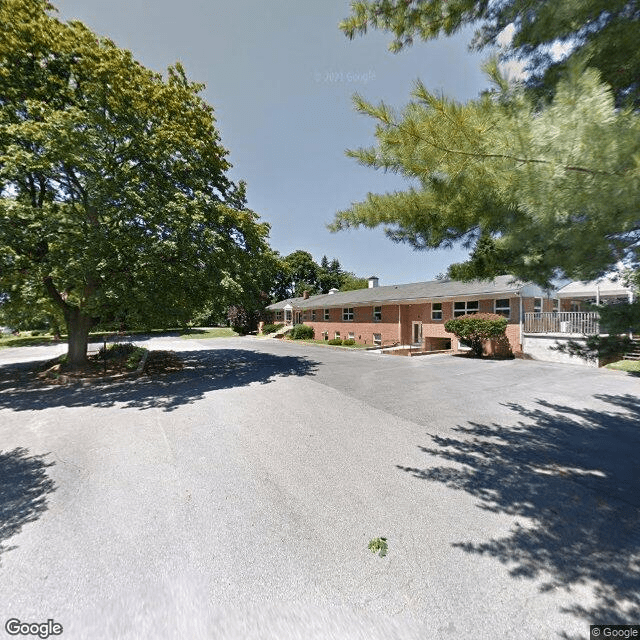
Village Vista Skilled Nursing is best suited for families prioritizing targeted rehabilitation in a warm, person-centered environment. When a loved one returns from hospital with a goal of regaining walking ability, transferring safely, or reclaiming independence, a rehab-forward culture should be the core consideration. Across comparable Lancaster facilities, families consistently value a therapy team that actively pushes progress and caregivers who treat residents with patience and respect. A facility that feels welcoming, with clean, well-kept spaces and staff who listen to family input, can materially ease the anxious transition from hospital to home. For those seeking a pristine, flawless setting with zero risk of miss or delay, expectations should be tempered; the reality in this market often includes variability that must be vetted in person.
Alternatives deserve consideration for families who demand unwavering reliability across every facet of care. If top criteria include consistently prompt call-bell responses, absolute medication accuracy, rigorous infection control, and a building that feels uniformly modern and well maintained, the search should extend beyond any single community. The Lancaster landscape shows strong rehab reputations alongside reports of uneven staffing and operational gaps in some facilities. Tours, conversations with current residents and families, and a careful review of recent survey results become essential tools in separating dependable options from experiences that may echo the more troubling patterns found in a subset of reviews from the region.
The principal pros that families should leverage center on rehabilitation excellence and compassionate day-to-day care. When therapy teams are knowledgeable and engaged, residents progress toward discharge more quickly and safely. Frontline staff - nurses, aides, and activity teams - are frequently noted for their kindness, willingness to assist, and ability to create a reassuring daily rhythm. A clean, orderly environment with attentive wound care and a range of meaningful activities can translate into measurable improvements in mood and engagement. Families also appreciate administrators who coordinate discharge planning and help families navigate transitions, which often reduces anxiety when plans to return home are in motion.
Yet substantial cons from the broader experience in similar facilities cannot be ignored. Staffing shortages, especially on evenings and weekends, can delay call-bell responses and complicate medication delivery. Reports of inconsistent housekeeping or maintenance, and seemingly aging infrastructure, surface with enough frequency to warrant skepticism. Communication gaps between administration, nursing, and families appear in some accounts, leaving relatives feeling out of the loop during critical moments. On the worst days, there are explicit warnings from former residents and families about neglect, poor bedside manner, or inadequate oversight - reminders that outcomes in these settings are not uniform and depend heavily on shift leadership and daily routines.
The practical math of pros versus cons tilts toward those for whom rehabilitation momentum and human connection trump some operational friction. If a move centers on meaningful progress toward independence, a dedicated therapy team and a generally compassionate staffing culture can outweigh occasional delays or cosmetic shortfalls. The key is to verify, during site visits, that therapy staffing ratios are sufficient, that med administration processes are robust, and that nurse call lights are monitored promptly. Parents and spouses should probe whether the administration maintains transparent communication, offers timely updates on care plans, and demonstrates a track record of addressing issues directly with families rather than deflecting responsibility.
To translate these considerations into a concrete decision, a disciplined evaluation is essential. Schedule multiple tours with a focus on the rehab unit and meet the therapy leads as well as the nursing supervisor. Request a recent quality improvement report, incident logs, and a sample discharge plan. Speak with current residents and their families about responsiveness to call bells, meal quality, and daily routines. Ask about falls prevention strategies, skin-care protocols, and how pain management is documented and adjusted. Compare the price, inclusions, and billing transparency with other Lancaster options to avoid sticker-shock or unexpected charges after discharge planning. Village Vista can be a strong choice for rehab-focused care, but the verdict hinges on candid, on-site verification of staffing, safety, and day-to-day reliability.
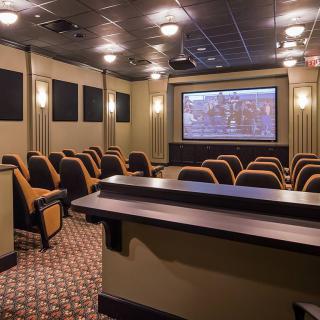
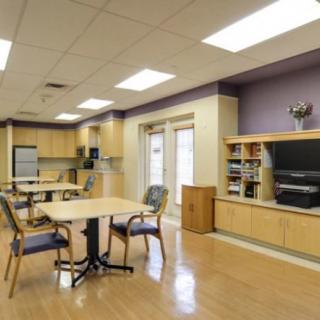
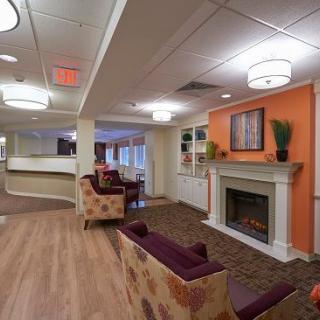
Village Vista Skilled Nursing in Lancaster, PA is a vibrant and welcoming assisted living community. Our residents enjoy a range of amenities that enhance their quality of life, including devotional services off-site where they can nurture their spiritual well-being. We also provide indoor common areas that foster social interactions and create a sense of community among our residents.
At Village Vista Skilled Nursing, we offer specialized care services for individuals with diabetes. Our trained staff are experienced in managing diabetes care, ensuring that our residents receive the support they need to maintain optimal health.
We understand the importance of staying engaged and active, which is why we organize various devotional activities off-site for our residents to participate in. These activities promote mental stimulation, social interaction, and spiritual growth.
Convenience is another advantage of choosing Village Vista Skilled Nursing as your loved one's assisted living community. We have a wide array of essential services nearby, including cafes for a quick bite or coffee catch-up. There are also numerous parks where residents can enjoy nature and outdoor recreation. With multiple pharmacies close by, obtaining medications is effortless. Additionally, access to a multitude of physicians ensures comprehensive healthcare options within reach. For dining out or trying new culinary experiences, there is an abundance of restaurants nearby offering diverse cuisines. Transportation is easily accessible too, making it convenient for residents to explore the surrounding areas or visit loved ones. Moreover, being close to places of worship allows residents to continue practicing their faith conveniently. Lastly, having several hospitals nearby provides peace of mind knowing that emergency medical care is always readily available.
At Village Vista Skilled Nursing in Lancaster, PA, we strive to create a supportive and enriching environment where our residents can lead fulfilling lives while receiving exceptional care and enjoying easy access to essential amenities and services nearby.
This area of Lancaster, Pennsylvania, offers a variety of healthcare options with several physicians' offices and pharmacies located within a short distance. The presence of Nemours Children's Clinic ensures access to specialized care for any visiting grandchildren. There are also numerous dining options ranging from fast food to casual dining, as well as cafes for leisurely meals or coffee outings. The proximity to several parks like Wood's Edge Park and Buchanan Park provides opportunities for outdoor activities and relaxation. Additionally, the availability of public transportation through Amtrak offers convenience for traveling within the city or beyond. Overall, this part of Lancaster provides a convenient and diverse environment for seniors looking to settle in the area.
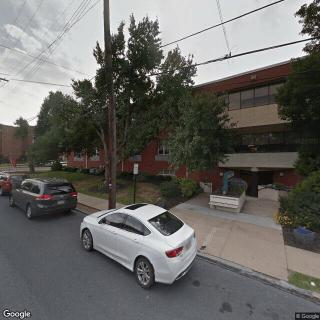
Village Vista Skilled Nursing is located at 1941 Benmar Dr, Lancaster, PA 17603 in Lancaster County, Pennsylvania
Assisted Living and Memory Care: Understanding Their Core Differences

Assisted living provides moderate support for seniors seeking independence, while memory care offers specialized support for individuals with dementia or cognitive impairments through structured routines and trained staff. Key differences include care approaches, environment security measures, staff training levels, activity types, and cost considerations.
Beyond the Bingo Hall: 50+ Enriching Activities for Seniors in Assisted Living

Assisted living communities offer diverse activities beyond traditional games to enhance seniors' physical health, cognitive well-being, emotional enrichment, and social connections, including fitness classes, creative expression, and intergenerational interactions. These enriching programs foster community bonds and support residents' independence and happiness.
Understanding the Distinctions: Assisted Living and Memory Care Explained
The article differentiates between assisted living and memory care, explaining that assisted living supports seniors with daily activities while promoting independence, whereas memory care provides specialized services for individuals with dementia, focusing on secure environments and cognitive support. It also addresses staff training, safety considerations, costs, family involvement, and transition strategies for families navigating these care options.