Homestead Village in Lancaster, PA

Save

Homestead Village in Lancaster, PA

Information last verified:

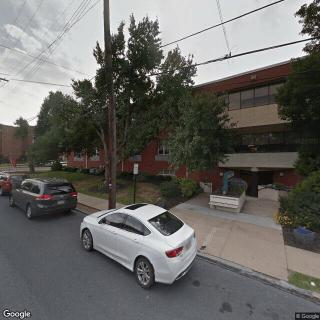
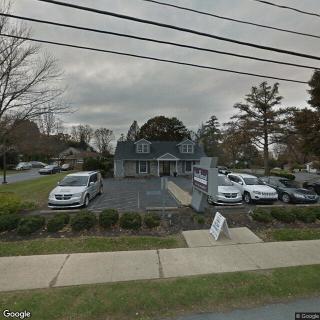
1800 Marietta Avenue, Lancaster, PA 17603

For more information about senior living options: (844) 490-3973

4.1 from 102 reviews
5 stars
60
4 stars
17
3 stars
8
2 stars
5
1 stars
12

Seniors.FYI Elite Community Awards

Top 5% Senior Living Community in 2020

Add this award to your website

Overall Review of Homestead Village

Pros

  • pro The staff are pleasant and helpful.
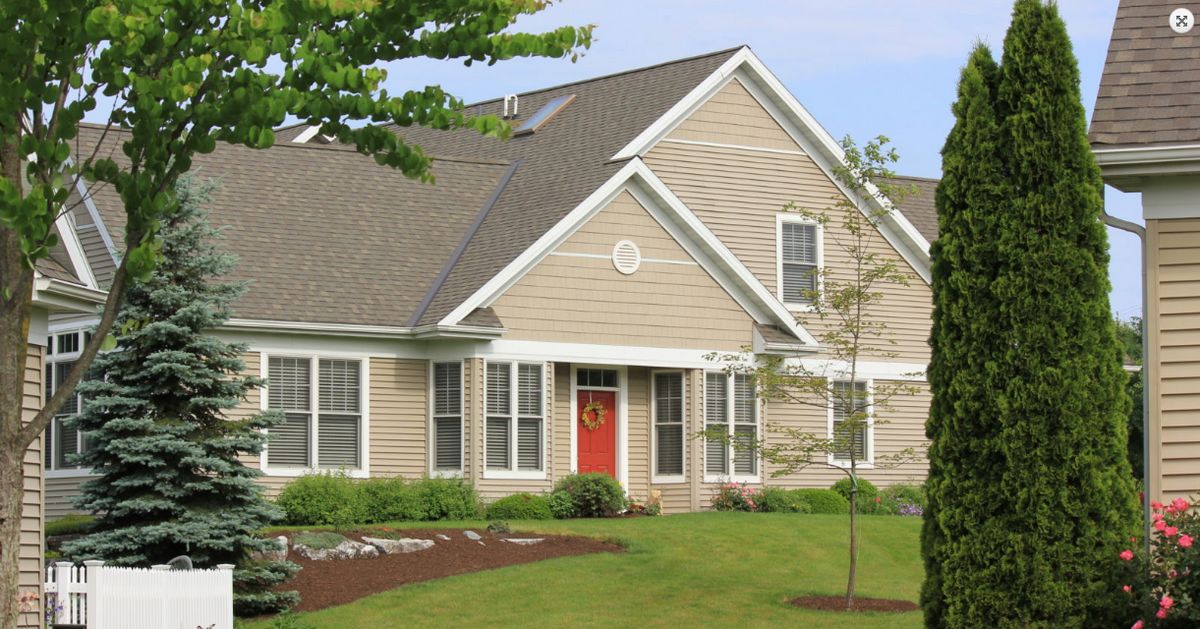
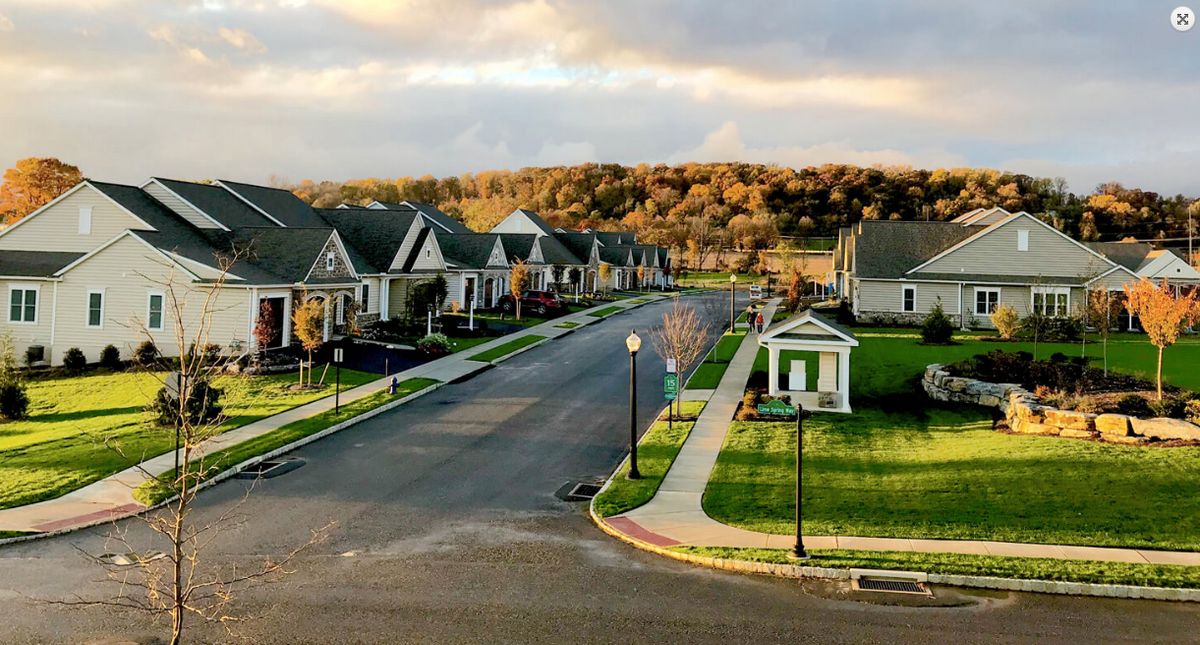
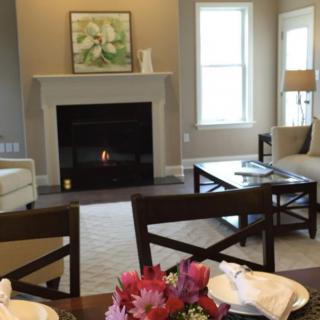
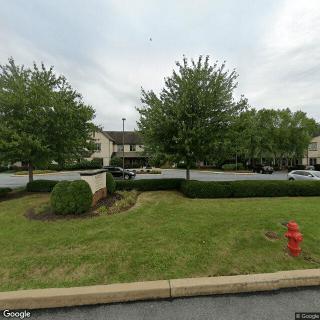
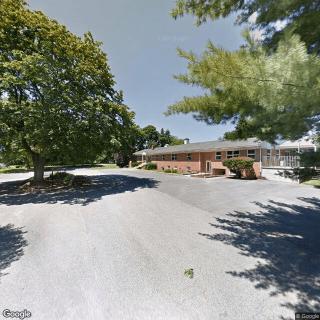
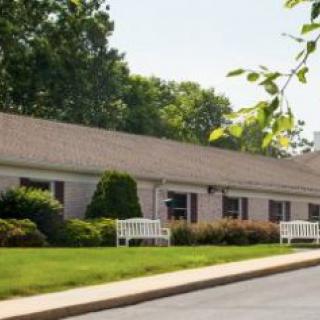
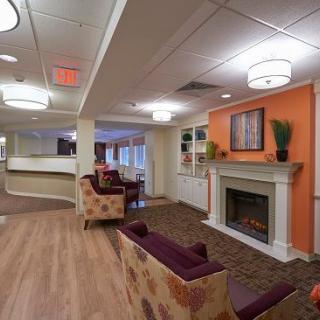
  • pro Homestead Village is described as a beautiful retirement community with well-kept grounds.
  • pro The team jumps into action to accommodate residents when care is needed.
  • pro It feels like a close-knit, family-like community where residents are cared for.
  • pro The therapy department provides good service with caring staff.
  • pro The food is good and dining options are well-regarded.
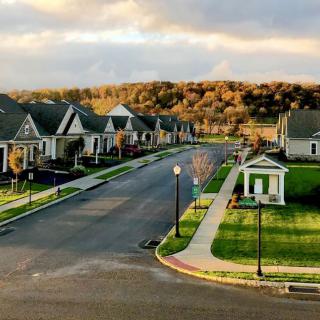
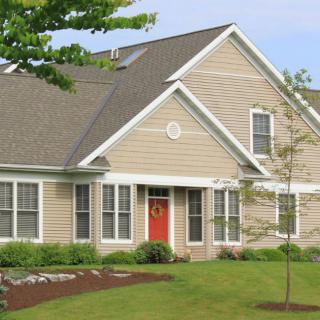
  • pro The cottages and grounds are beautiful and well maintained.
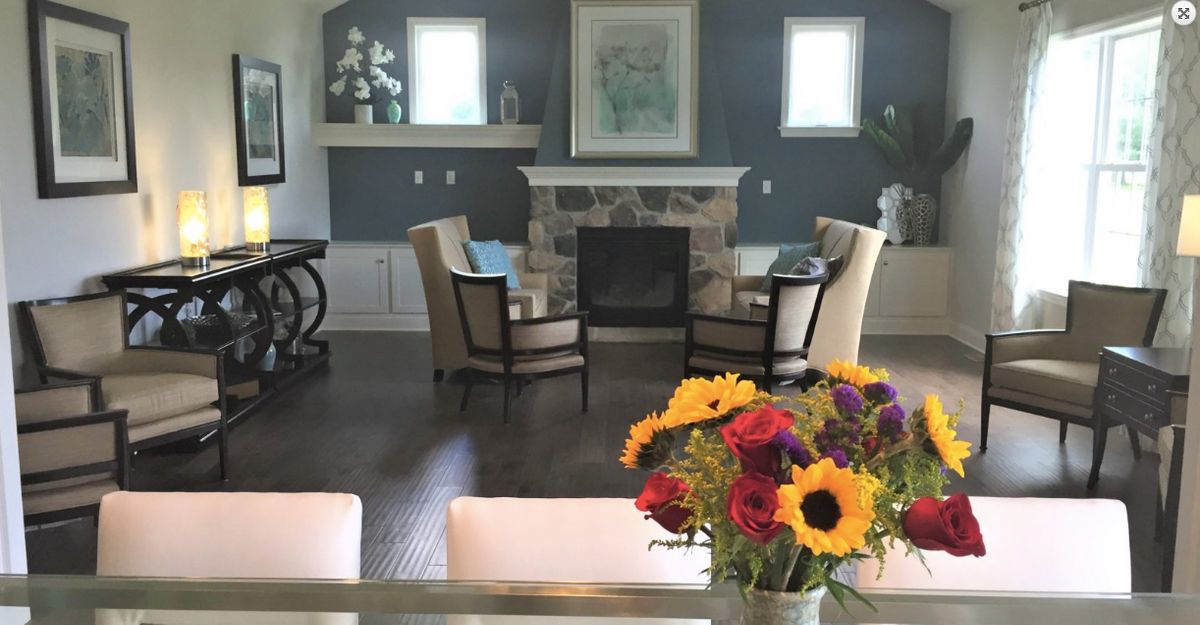
  • pro The memory care residences offer a home-like setting with safety and dedicated care.
  • pro The staff are dedicated to putting residents first and show genuine care.
  • pro The community is clean, friendly, and welcoming.
  • pro The administration is open to suggestions and responsive to improvements.
  • pro Families feel confident about the care and future arrangements at Homestead Village.

Cons

  • pro The reviewer accuses the facility of financial elder abuse, citing exorbitant monthly fees and promises of easy relocation with no extra costs, calling it a lie.
  • pro They claim moving to apartments would require thousands more per month, making the overall cost of care astronomical.
  • pro They state the staff are underpaid and short-staffed and do not care for the elders, leading to neglect such as leaving their grandmother on the floor for about 24 hours after a fall.
  • pro They allege the facility tried to hide missed check-ins and pressured the family to choose the highest-priced care within a 48-hour deadline.
  • pro They contend the care provided is not healthcare at all but exploitation.
  • pro They report poor communication, noting relatives were not notified when a resident died and cremation decisions were made without family input.
  • pro They criticize the dining quality, saying the food is not healthy and its preparation is outsourced, limiting control over residents’ meals.
  • pro They describe needing residents to self-advocate for help and sense a "weird vibe" with management not genuinely caring for residents.
  • pro They highlight renovations turning the main building into a construction zone and claim brochures and photos are misleading or computer-generated.

Review

Homestead Village in Lancaster, PA is best suited for families seeking a true campus-style retirement community that blends independent living with a clear path to higher levels of care, all within a cohesive, home-like environment. It works well for residents who want a variety of housing options, cottages, apartments, and newer Farmstead homes, paired with on-site therapy, social programming, and a memory-support option that aims to preserve dignity in familiar spaces. The community shines for those who prize a tangible sense of belonging, ongoing activities, and proximity to shops, health campuses, and downtown amenities. In short, it serves seniors who want to stay engaged, connected to peers, and cushioned by a robust support network without moving far from a familiar neighborhood. For families prioritizing a warm, integrated living experience with built-in care, Homestead Village is a compelling match.

However, there are clear reasons to consider alternatives, especially for buyers whose primary concerns center on cost transparency, mobility options, and governance. Several reviews flag the potential for high, complex pricing when transitioning to apartments or increased care services, with fears of shifting costs that place a heavy burden on families already juggling finances. Transportation and campus mobility emerge as important gaps for non-driving residents, with some reports indicating limited shuttle availability and uneven access to amenities unless the resident can drive or a family member intervenes. Staffing pressures and mixed communication about services also surface, along with occasional renovation disruptions that affect both dining and everyday living. For households where budget predictability, guaranteed transportation, or highly consistent information flow are priorities, it makes sense to look closely at alternatives in the region.

The strongest positives at Homestead Village often center on people, purpose, and place. Multiple accounts highlight a caring, resident-focused staff across dining, therapy, nursing, and activities, with a palpable sense of community that makes the place feel like a large extended family. The breadth of housing options supports gradual transitions as care needs change, and the secure memory-support residences offer a home-like setting with common spaces, which can ease emotional and logistical stress for families navigating dementia care. The setting, well-kept grounds, inviting common areas, and convenient access to services, contributes to a feeling of security, particularly for those facing the realities of aging in place. The strength of the care culture, plus the availability of therapy and rehabilitation, often offsets some apprehensions about cost by delivering tangible value in daily life and recovery.

Yet, the drawbacks cannot be dismissed. The most notable risk centers on cost and contractual clarity: some families report aggressive or opaque pricing tied to moving into higher-care options, with deadlines and pushback that feel coercive rather than collaborative. This is not a trivial concern, because it directly influences long-term planning and the ability to preserve family resources. Other cons include inconsistent transportation options and moments when access to campus amenities depends on someone’s ability to drive or coordinate outside assistance. These realities can undermine the convenience of a large, integrated community. There are also occasional criticisms about food quality and executive communication, especially during periods of renovation or staffing flux, which can erode the otherwise strong impression created by the staff and the environment.

Decision-makers should approach Homestead Village with a structured, questions-first mindset. Obtain a fully itemized, written cost breakdown that distinguishes base housing fees from any escalations tied to apartment moves, care level changes, or auxiliary services. Request a clear explanation of what triggers “no-cost” promises versus what incurs thousands in additional charges, and insist on a transparent timeline for any anticipated increases. Confirm transportation options: hours, routes, and contingencies for days when staff shortages or weather limit service. Visit during different times of the day to observe dining, activity levels, and caregiver engagement across shifts. Interview memory-care staff about training, resident autonomy, and safety protocols, and ask to meet the leadership team responsible for coordinating transitions between independent living and skilled nursing.

Homestead Village stands out as a practical, well-rounded option for families who want a tight-knit community with meaningful activity programming, strong care staff, and the comfort of a broad housing ladder that can accommodate changing needs. It offers a compelling blend of independence and support, reinforced by a warm, family-like atmosphere and well-regarded therapeutic services. That said, the decision hinges on a careful appraisal of costs, governance, and logistical realities such as transportation and communication. For those who cannot absorb variable transition fees or who require guaranteed mobility and crystal-clear billing, there are credible competitors in the Lancaster area that may deliver greater predictability or nuances in pricing and access. In the right circumstances, Homestead Village is a strong, credible choice; in others, families may prefer a tighter contract, more transparent budgeting, or a stronger emphasis on transportation logistics. In any case, it remains essential to compare it directly with Garden Spot Village, Woodcrest Villa, and Kendall/Crosslands to ensure the final choice aligns with long-term goals, financial comfort, and the specific care trajectory anticipated for a loved one.

Features

Housing

  • 100 resident community capacity 100 resident community capacity

Types of Care

  • Assisted Living Assisted LivingAssisted living facilities provide crucial support and care for seniors who may need help with daily tasks such as medication management, bathing, and meal preparation. These communities offer a safe and comfortable environment where seniors can maintain their independence while receiving the assistance they need to thrive in their golden years.
  • Continuing Care Retirement Community (CCRC) Continuing Care Retirement Community (CCRC)Continuing Care Retirement Communities (CCRCs) are important for seniors because they provide a range of housing options and care services all in one location. This allows seniors to age in place and receive the level of care they need as their health changes, without having to move to a new facility. CCRCs provide a sense of security and peace of mind for seniors and their families, knowing that they will be taken care of no matter what the future holds.
  • Independent Living Independent LivingIndependent living communities are important for seniors because they offer a safe and supportive environment where older adults can live independently while still having access to amenities and services that enhance their quality of life. These communities provide social opportunities, recreational activities, and assistance with daily tasks, promoting overall well-being and allowing seniors to maintain their independence for as long as possible.
  • Memory Care Memory CareMemory care is crucial for seniors as it provides specialized support and services for individuals with dementia or Alzheimer's disease. These programs offer a safe and secure environment where residents receive personalized care, cognitive stimulation, and help with daily activities. Memory care helps seniors maintain their independence, quality of life, and dignity while also providing peace of mind for their families.

Amenities

  • Activities on-site Activities on-siteActivities on-site are important for seniors because they provide opportunities for socialization, mental stimulation, physical activity, and overall well-being. Engaging in activities can help seniors stay active, maintain their independence, and improve their quality of life.
  • Air-conditioning Air-conditioningAir conditioning is important for seniors as they are more vulnerable to heat-related illnesses and may have underlying health conditions that make it difficult for them to regulate their body temperature. It helps to keep them comfortable, safe, and healthy in hot weather.
  • Beauty salon Beauty salonBeauty salons are important for seniors because they provide a space for them to feel pampered, socialize, and maintain their personal grooming and hygiene. Regular visits to a beauty salon can help boost seniors' self-esteem and overall well-being.
  • Cable or satellite TV Cable or satellite TVCable or satellite TV is important for seniors because it provides entertainment, news, and companionship, helping to combat loneliness and boredom. It also offers a wide range of programming options tailored to different interests and preferences.
  • Computer center Computer centerA computer center is essential for seniors as it provides access to technology, communication tools, and resources that can enhance their daily lives. It allows them to stay connected with loved ones, engage in online activities, and learn new skills, ultimately promoting socialization and mental stimulation.
  • Devotional services off-site Devotional services off-siteDevotional services off-site are important for seniors as they provide spiritual nourishment, social engagement, and a sense of community outside of the senior living facility. This can enhance overall well-being and help combat feelings of isolation and loneliness often experienced by older adults.
  • Fitness room Fitness roomHaving a fitness room in a senior living community is essential for seniors to stay active, maintain their physical health, and improve their overall well-being. Regular exercise can help prevent falls, reduce the risk of chronic diseases, and promote mental sharpness. It also provides social opportunities for residents to connect with others and enjoy a sense of community.
  • Fully furnished Fully furnishedFully furnished senior living communities are important for seniors because they provide convenience, comfort, and a hassle-free moving experience. Seniors can easily settle into their new living space without the stress of having to buy and move furniture. This allows them to focus on enjoying their new home and community.
  • Gaming room Gaming roomGaming rooms are important for seniors as they provide a fun and engaging environment for socializing, cognitive stimulation, and physical activity. Games can improve memory, problem-solving skills, and overall mental well-being while fostering friendships and reducing feelings of isolation.
  • Garden GardenGardens are important for seniors as they provide a peaceful and therapeutic environment for relaxation, physical activity, and socialization. Being in nature has been shown to reduce stress, improve mood, and promote overall well-being. Gardens also offer opportunities for seniors to engage in gardening activities, which can improve mobility, flexibility, and cognitive function. Additionally, gardens create a sense of community and connection with others who share a passion for plants and outdoor spaces.
  • Housekeeping services Housekeeping servicesHousekeeping services are important for seniors because they help maintain a clean and safe living environment, promote independence, and reduce the risk of accidents or illnesses. Additionally, having assistance with household chores can alleviate physical strain and allow seniors to focus on other aspects of their well-being.
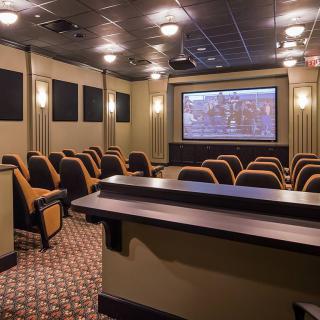
  • Indoor common areas Indoor common areasIndoor common areas are crucial for seniors as they provide a space for socialization, recreation, and community engagement, promoting overall well-being and reducing feelings of isolation and loneliness.
  • Kitchenette KitchenetteKitchenettes are important for seniors living in senior living communities because they provide the convenience and independence of being able to prepare simple meals and snacks in the comfort of their own living space. This can help promote a sense of autonomy and well-being for seniors, allowing them to maintain some level of control over their dietary choices and daily routines.
  • Move-in coordination Move-in coordinationMove-in coordination is important for seniors because it helps ease the transition into their new living environment. It ensures that all logistics, such as packing, organizing movers, and setting up utilities are taken care of, allowing seniors to focus on settling in and adjusting to their new home. Having a smooth move-in process can alleviate stress and anxiety, making the transition smoother and more enjoyable for seniors.
  • Outdoor space Outdoor spaceOutdoor spaces are important for seniors as they provide opportunities for physical activity, social interaction, exposure to natural light and fresh air, and a sense of connection to nature. Having access to outdoor spaces can improve overall well-being and quality of life for older adults living in senior communities.
  • Private bathrooms Private bathroomsPrivate bathrooms are important for seniors in senior living communities because they provide independence, dignity, and comfort. Having a private bathroom allows seniors to maintain their personal hygiene routines without the need for assistance, promoting a sense of autonomy and privacy. Additionally, private bathrooms help prevent the spread of infections and provide a safe and clean environment for seniors to navigate safely.
  • Restaurant-style dining Restaurant-style diningRestaurant-style dining is important for seniors because it allows them to enjoy delicious, nutritious meals in a social and upscale setting. This enhances their dining experience, promotes healthy eating habits, and fosters socialization with fellow residents, ultimately contributing to their overall well-being and quality of life.
  • Small library Small librarySmall libraries are important for seniors as they provide access to a variety of reading materials, including books, newspapers, and magazines. This can help stimulate their minds, keep them engaged, and provide a sense of community through book clubs and other social activities. Additionally, reading has been shown to improve cognitive function and overall mental well-being in older adults.
  • Telephone TelephoneTelephones are important for seniors as they provide a lifeline for communication with loved ones, emergency services, and healthcare providers. They offer a sense of security and independence, enabling seniors to stay connected and access assistance when needed.
  • Wellness center Wellness centerWellness centers are important for seniors because they offer a variety of programs and services that promote physical, mental, and emotional well-being. These centers provide opportunities for exercise, socialization, education, and relaxation, helping seniors maintain their overall health and quality of life.
  • Wi-Fi/high-speed internet available Wi-Fi/high-speed internet availableWi-Fi/high-speed internet is important for seniors to stay connected with loved ones, access online resources, and participate in virtual activities to combat feelings of loneliness and isolation. It also allows them to easily manage healthcare needs, access entertainment, and engage in lifelong learning opportunities.

Transportation

  • Harrisburg International (24 miles away) Harrisburg International (24 miles away)
  • Community operated transportation Community operated transportationCommunity operated transportation is crucial for seniors as it provides them with the means to access essential services, social activities, and medical appointments. It allows seniors to maintain their independence and quality of life by ensuring they can participate in activities outside of their homes. Additionally, community-operated transportation services offer a safe and reliable way for seniors to travel without having to rely on family or friends for assistance.
  • Transportation arrangement Transportation arrangementTransportation arrangements are crucial for seniors as they may face challenges with driving, mobility, or access to public transportation. Having reliable transportation services ensures that seniors can easily attend appointments, social activities, and maintain their independence and quality of life.
  • Transportation arrangement (non-medical) Transportation arrangement (non-medical)Transportation arrangements are essential for seniors as they provide access to essential services, activities, and social interactions outside the home. This service helps maintain independence, mobility, and overall well-being for seniors who may have limited transportation options.

Care Services

  • 24-hour call system 24-hour call system24-hour call systems are important for seniors because they provide peace of mind and immediate assistance in case of emergencies. This technology ensures that help is always available, promoting safety and security for elderly individuals living alone or in assisted living facilities.
  • 24-hour supervision 24-hour supervision24-hour supervision is important for seniors to ensure their safety, well-being, and access to immediate assistance in case of emergencies or health issues. This constant support provides peace of mind for both seniors and their loved ones, allowing them to age in place with dignity and security.
  • Activities of daily living assistance Activities of daily living assistanceActivities of daily living assistance are important for seniors because they provide essential support with tasks such as eating, bathing, dressing, and mobility. This assistance helps seniors maintain their independence, dignity, and overall quality of life as they age.
  • Ambulatory care Ambulatory care"Ambulatory care services provide essential medical support and treatment to seniors without requiring hospitalization, allowing them to maintain their independence and quality of life while managing chronic conditions or receiving routine medical care."
  • Assistance with bathing Assistance with bathingAssistance with bathing is crucial for seniors as it helps maintain personal hygiene, prevents infections, and ensures their overall well-being and comfort. It also provides a sense of dignity and independence for seniors who may struggle with this task on their own.
  • Assistance with dressing Assistance with dressingAssistance with dressing is important for seniors because it helps maintain their independence, promotes personal hygiene, prevents accidents and injuries, and improves overall quality of life. This service ensures that seniors can continue to dress comfortably and confidently, despite any physical limitations they may have.
  • Assistance with transfers Assistance with transfersAssistance with transfers is crucial for seniors as it helps prevent falls and injuries, maintains their independence, and ensures they can safely navigate their living environment. It also provides peace of mind for both seniors and their loved ones.
  • Diabetes diet Diabetes dietA diabetes diet is crucial for seniors as it helps manage blood sugar levels, reduce risks of complications, and improve overall health and well-being. By following a balanced and nutritious diet tailored to their specific needs, seniors can better control their diabetes and enhance their quality of life.
  • Diabetic care Diabetic careDiabetic care is crucial for seniors as they are more susceptible to developing diabetes due to aging and other health conditions. Proper management of diabetes can help prevent complications such as heart disease, vision loss, and nerve damage, improving the overall quality of life for seniors in senior living communities.
  • Meal preparation and service Meal preparation and serviceMeal preparation and service are crucial for seniors as they may have limited mobility or energy to cook nutritious meals. Having access to healthy and convenient food options can ensure they are getting the proper nutrition needed to maintain their overall health and well-being.
  • Medication management Medication managementMedication management is crucial for seniors to ensure they are taking the right medications at the correct dosages and times. This helps prevent adverse drug interactions, reduces the risk of medication errors, and promotes overall health and well-being. Proactive management also allows for adjustments as needed based on changing health conditions or new prescriptions.
  • Special dietary restrictions Special dietary restrictionsSpecial dietary restrictions are important for seniors because age-related changes in metabolism and health conditions can make it difficult for their bodies to process certain foods. By following a diet tailored to their specific needs, seniors can maintain their overall health and well-being, manage chronic conditions, and reduce the risk of complications such as malnutrition or food interactions with medications.

Dining

  • Diabetes diet Diabetes dietA diabetes diet is crucial for seniors as it helps manage blood sugar levels, reduce risks of complications, and improve overall health and well-being. By following a balanced and nutritious diet tailored to their specific needs, seniors can better control their diabetes and enhance their quality of life.
  • Meals provided Meals provided"Meals provided" are crucial for seniors in assisted living communities as it ensures they have access to nutritious, balanced meals without the stress of meal planning and preparation. This can help promote overall health and well-being for seniors who may have limited mobility or cognitive abilities.
  • Special dietary restrictions Special dietary restrictionsSpecial dietary restrictions are important for seniors because age-related changes in metabolism and health conditions can make it difficult for their bodies to process certain foods. By following a diet tailored to their specific needs, seniors can maintain their overall health and well-being, manage chronic conditions, and reduce the risk of complications such as malnutrition or food interactions with medications.

Activities

  • Activities on-site Activities on-siteActivities on-site are important for seniors because they provide opportunities for socialization, mental stimulation, physical activity, and overall well-being. Engaging in activities can help seniors stay active, maintain their independence, and improve their quality of life.
  • Community-sponsored activities Community-sponsored activitiesCommunity-sponsored activities are important for seniors as they provide opportunities for social interaction, mental stimulation, and physical activity. These activities can help improve overall well-being, combat loneliness and isolation, and promote a sense of belonging and purpose among older adults.
  • Concierge services Concierge servicesConcierge services are essential for seniors as they provide assistance with daily tasks and errands, enhance their quality of life by offering convenience and personalized care, and promote a sense of safety and security.
  • Devotional activities offsite Devotional activities offsiteDevotional activities offsite are important for seniors because they provide social engagement, spiritual growth, and a sense of community outside of their living environment. This can improve overall well-being, mental health, and combat feelings of isolation or loneliness.
  • Fitness programs Fitness programsFitness programs are crucial for seniors as they help improve strength, flexibility, balance, and overall well-being. Staying active can reduce the risk of chronic diseases, improve mental health, and enhance quality of life in older adults.
  • Planned day trips Planned day tripsPlanned day trips are important for seniors because they offer opportunities for socialization, mental stimulation, and physical activity. They provide a change of scenery and help seniors stay engaged and connected to their community, promoting overall well-being and quality of life.
  • Resident-run activities Resident-run activitiesResident-run activities are important for seniors as they encourage social interaction, creativity, and a sense of autonomy. These activities empower seniors to stay engaged and active in their community while fostering meaningful connections with their peers.
  • Scheduled daily activities Scheduled daily activitiesScheduled daily activities are important for seniors because they provide structure, socialization, mental stimulation, and physical activity. Engaging in regular activities can improve overall well-being and quality of life for seniors living in a community setting.

Description

The Homestead Village in Lancaster, PA is a premier assisted living community that offers a range of care services to meet the individual needs of its residents. With the option for Continuing Care Retirement Community (CCRC), Independent Living, and Memory Care, residents can choose the level of care that best suits them.

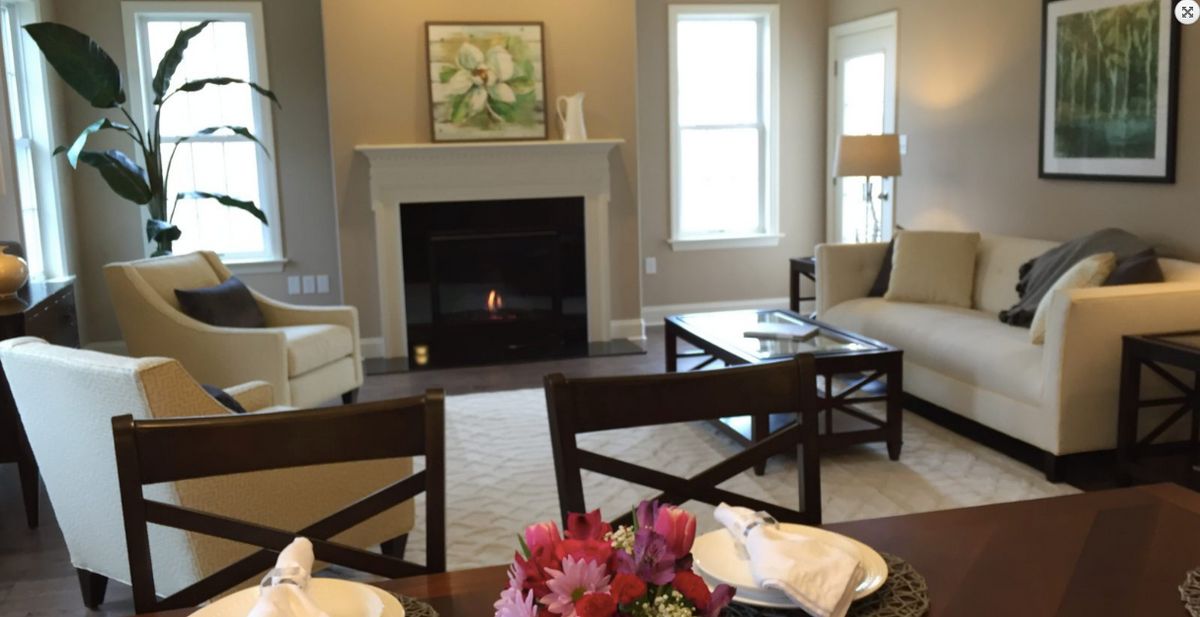
At Homestead Village, residents can enjoy a comfortable and amenity-rich lifestyle. The community offers fully furnished apartments with air-conditioning and private bathrooms for ultimate convenience. Residents can also take advantage of amenities such as a beauty salon, gaming room, small library, fitness room, and outdoor spaces like gardens.

Residents at Homestead Village have access to various services to enhance their quality of life. From housekeeping services to move-in coordination and transportation arrangement for non-medical needs, everything is taken care of. There are also devotional services available off-site for spiritual well-being.

Care at Homestead Village is comprehensive and tailored to each resident's requirements. With 24-hour supervision, assistance with activities of daily living, bathing, dressing, and transfers are provided by professional staff members. Medication management and diabetic care are also available along with special dietary restrictions to support overall health.

Meals at Homestead Village are deliciously prepared and served restaurant-style in a dining setting. Special dietary restrictions are accommodated to ensure everyone's nutritional needs are met.

Residents can look forward to an engaging lifestyle with numerous activities offered by the community. From community-sponsored events and scheduled daily activities to fitness programs and planned day trips, there is always something exciting happening at Homestead Village. Residents even have the opportunity to organize their own resident-run activities.

Located in close proximity to various amenities and services nearby including cafes, parks, pharmacies, physicians' offices, restaurants, places of worship, theaters, hospitals, and transportation options – residents have easy access to everything they may need or want.

Homestead Village offers an exceptional assisted living experience where residents can enjoy a comfortable and vibrant lifestyle, personalized care, and a strong sense of community.

Nearby Places of Interest

Physicians

  • Manning, Rommel & Thode Associates (0.4 miles)
  • OBGYN Of Lancaster (0.4 miles)
  • Eichenlaub & May (0.6 miles)
  • Nemours Children's Clinic (0.6 miles)
  • Orthopaedic Specialists of Central Pennsylvania (0.6 miles)
  • Lancaster Ear Nose And Throat (0.9 miles)
  • Campus Oral & Maxillofacial Surgery (1 miles)

Pharmacies

  • Stauffers of Kissel Hill Fresh Foods (0.5 miles)
  • Rite Aid (0.8 miles)
  • CVS Pharmacy (0.8 miles)
  • Lifecare Pharmacy (1 miles)
  • CVS Pharmacy (1.1 miles)
  • CVS Pharmacy (1.8 miles)
  • CVS Pharmacy (2.2 miles)

Restaurants

  • McDonald's (0.7 miles)
  • Tobias Frogg (0.7 miles)
  • Taco Bell (0.9 miles)
  • Miller's Ale House (1.1 miles)
  • BJ's Restaurant & Brewhouse (1.3 miles)
  • Shogun Japanese Steakhouse and Sushi (1.4 miles)
  • Wendy's (1.5 miles)

Hospitals

  • Lancaster Rehabilitation Hospital (1 miles)
  • Physicians Surgery Center (1.2 miles)

Cafes

  • Starbucks (1.1 miles)
  • Copper Cup Coffee (1.5 miles)
  • Valentino's Cafe (1.5 miles)
  • Splits & Giggles (1.9 miles)
  • Rachel's Cafe & Creperie (2.2 miles)
  • Panera Bread (2.3 miles)
  • Starbucks (2.4 miles)

Parks

  • Long's Park (1.3 miles)
  • Buchanan Park (1.4 miles)
  • Beau's Dream Dog Park at Buchanan Park (1.5 miles)
  • Wood's Edge Park (2 miles)

Places of Worship

  • Sacred Heart Church (1.8 miles)

Transportation

  • Amtrak (2.3 miles)

Theaters

  • Reel Cinemas Lancaster (2.5 miles)

Frequently Asked Questions

Where is Homestead Village?
Does Homestead Village provide care for residents with dementia or Alzheimer's disease?
What photos are available for Homestead Village in Lancaster, Pennsylvania?

Nearby Communities

  • Right at Home of Southern Pennsylvania - Lancaster & South Dauphin

    Right at Home of Southern Pennsylvania - Lancaster & South Dauphin

    Lancaster, PA

    3.9 from 9 reviews
     

    pro Strong caregiver relationships and responsive administrative staff.

  • Care Connect Solutions

    Care Connect Solutions

    Lancaster, PA

    3.2 from 6 reviews
     

    pro Timely medication and meal support with flexible scheduling and friendly caregivers.

  • Legend Of Lancaster

    Legend Of Lancaster

    Lancaster, PA

    4 from 130 reviews
    $4,570 to $7,480 / month

    pro Small, all-on-one-floor community enables personalized care and a welcoming, hotel-like atmosphere.

  • Brereton Manor

    Brereton Manor

    Lancaster, PA

    2.8 from 16 reviews
    $3,000 to $3,900 / month

    pro Competitive pricing relative to Lancaster County and PA averages, plus extensive on-site/off-site activities and amenities.

  • Village Vista Skilled Nursing

    Village Vista Skilled Nursing

    Lancaster, PA

    4 from 104 reviews
     

    pro Diabetes-focused care with engaging activities and accessible indoor common areas.

  • Providence Place Senior Living

    Providence Place Senior Living

    Lancaster, PA

    4.1 from 38 reviews
     

    pro Caring staff with excellent communication; great dining, comfortable rooms, and engaging activities.

  • Mennonite Home Care Campus

    Mennonite Home Care Campus

    Lancaster, PA

    4 from 36 reviews
     

    pro Continuum of care (CCRC) with extensive on-site amenities.

  • Hamilton Arms Center

    Hamilton Arms Center

    Lancaster, PA

    4.5 from 109 reviews
    $5,400 to $5,850 / month

    pro Fully furnished apartments with 24/7 supervision, meals, and wellness programs; pet-friendly.

  • Home Instead - Lancaster,  PA

    Home Instead - Lancaster, PA

    Lancaster, PA

    4.8 from 51 reviews
     

    pro Compassionate caregivers who build meaningful relationships and offer flexible scheduling.

Related Resources

  • list of drugs linked to dementiaMedications Associated with Dementia Risk: A Comprehensive Overview

    The article examines the link between certain medications and increased dementia risk, particularly in older adults, emphasizing that long-term or high-dose use of anticholinergics, benzodiazepines, and other drug classes can exacerbate cognitive impairment. It calls for careful medication evaluation and shared decision-making to mitigate these risks while managing treatment efficacy.

  • power of attorney for elderly parentGuiding Your Journey: Understanding Power of Attorney for Elderly Parents

    The article emphasizes the significance of establishing a power of attorney for elderly parents to enable an agent to make decisions on their behalf regarding health and finances, especially during cognitive or physical decline. It outlines various types of power of attorney, the importance of consulting legal professionals, and the responsibilities and challenges faced by agents, while also discussing alternatives and common misconceptions.

  • caregiver support group22 Remarkable Caregiver Support Groups Available Online and In-Person
    Caregiver support groups are crucial for providing emotional and practical assistance to those caring for loved ones, offering resources, coping strategies, and a sense of community through various organizations and platforms. These groups help alleviate isolation and burnout while addressing the unique challenges faced by caregivers of individuals with specific conditions.