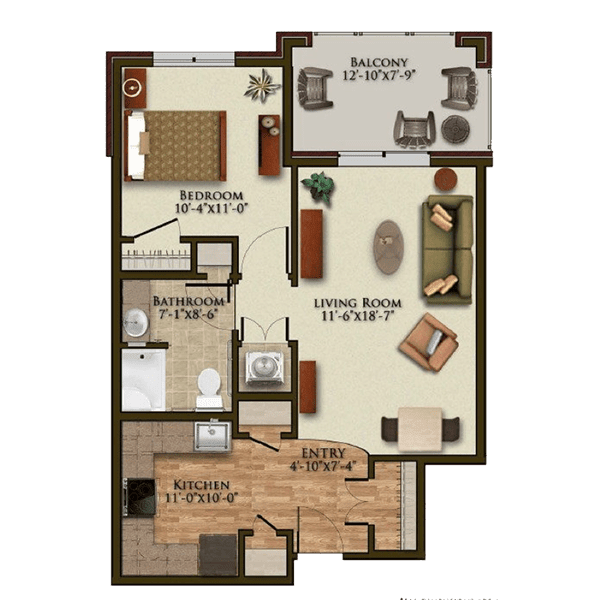
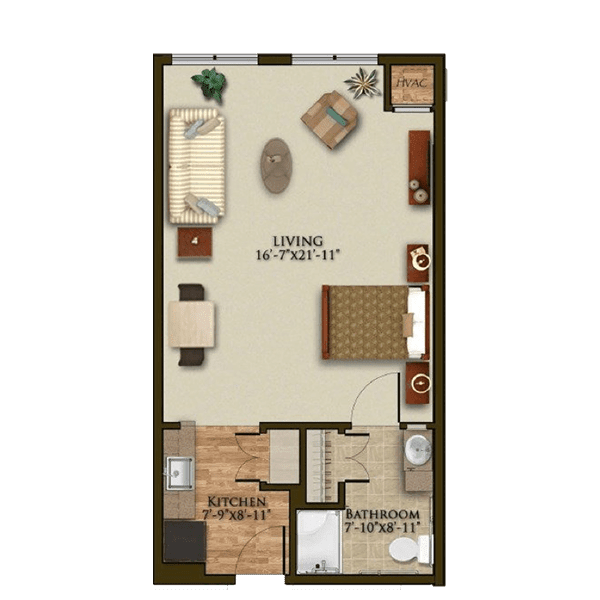
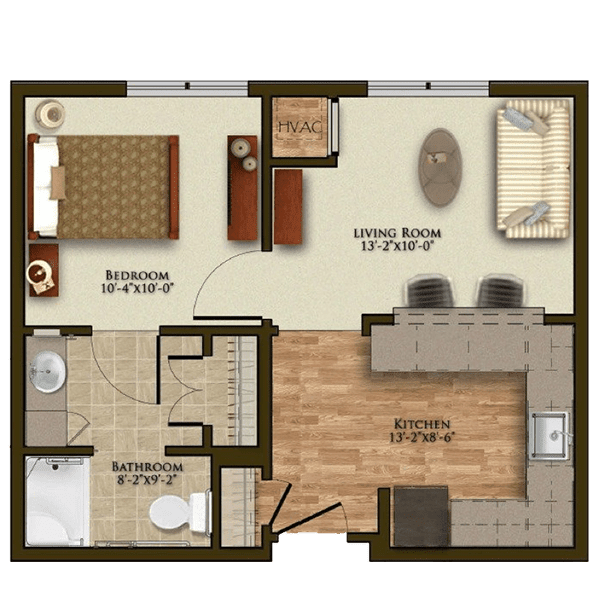
Harmony At Reynolds Mountain offers a range of living options at competitive prices when compared to both Buncombe County and the broader North Carolina market. For a one-bedroom unit, residents can expect to pay $4,340 per month, which is higher than the county average of $3,753 but slightly above the state average of $4,055. The studio option is priced at $4,970, surpassing both local and state averages slightly - $4,734 for Buncombe County and $4,020 statewide. When it comes to two-bedroom units, Harmony At Reynolds Mountain stands out with a monthly cost of $6,000, significantly exceeding both the county's price point of $3,725 and North Carolina's average of $4,245. This pricing structure reflects the premium amenities and services that may be associated with living in this community.
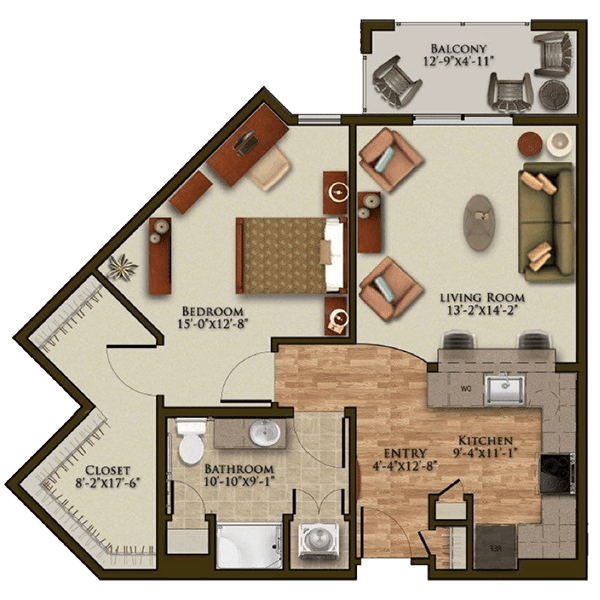
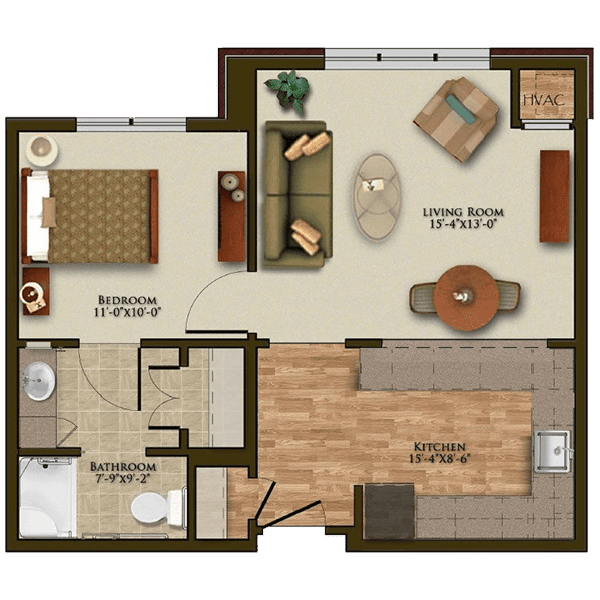
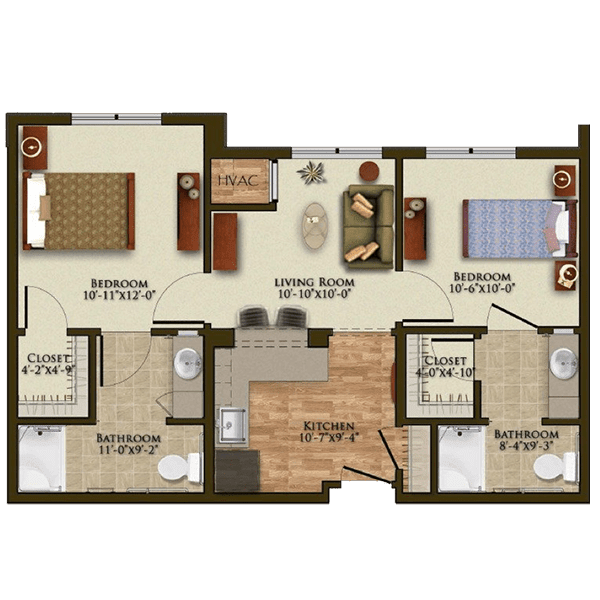
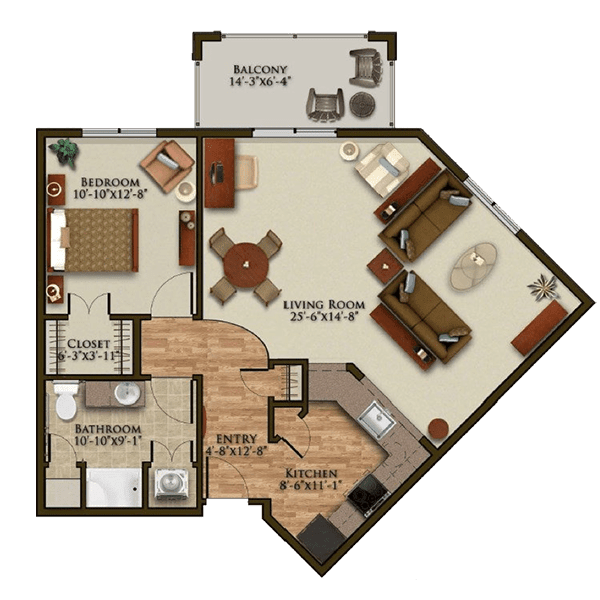
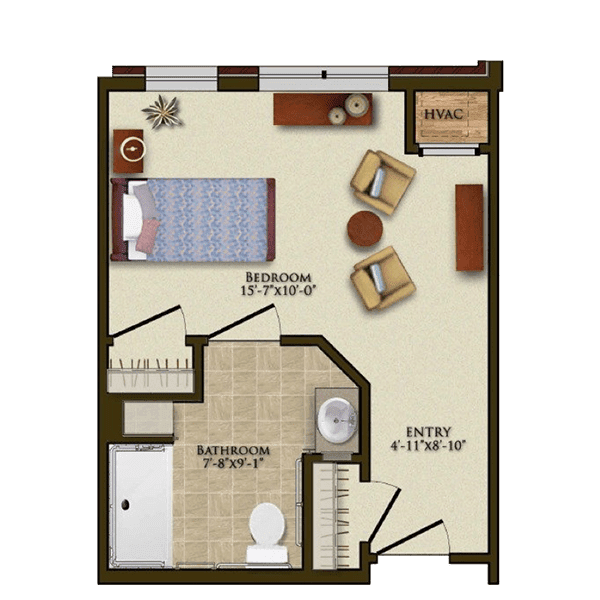
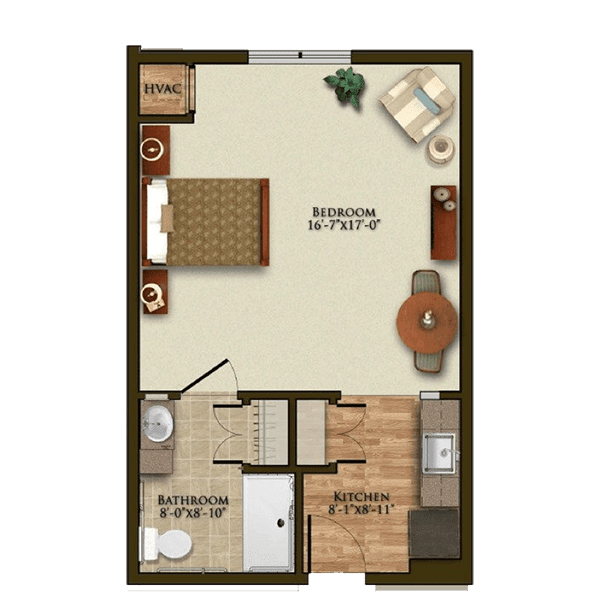
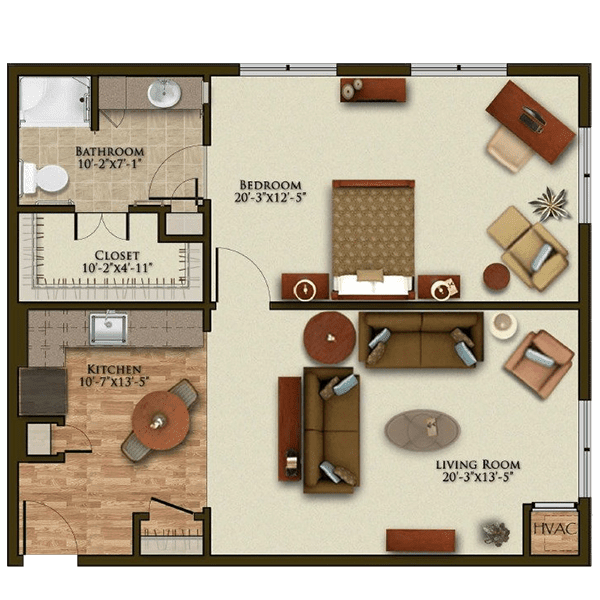
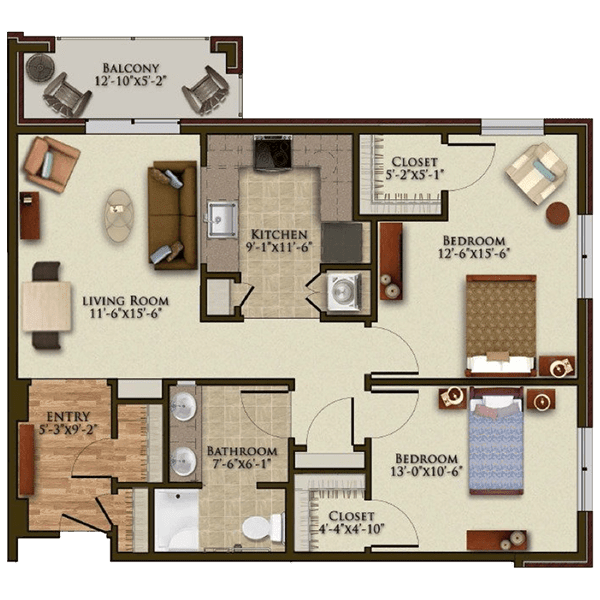
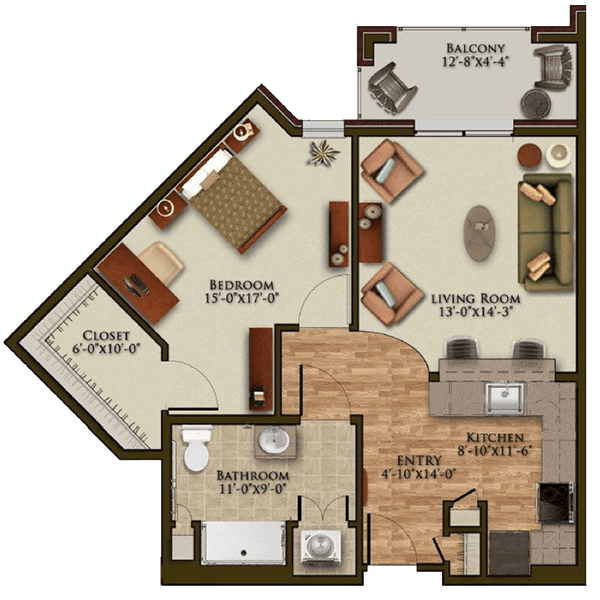
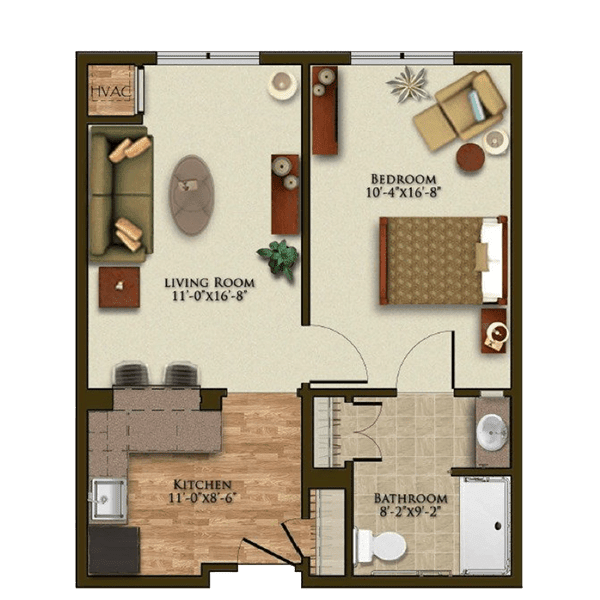
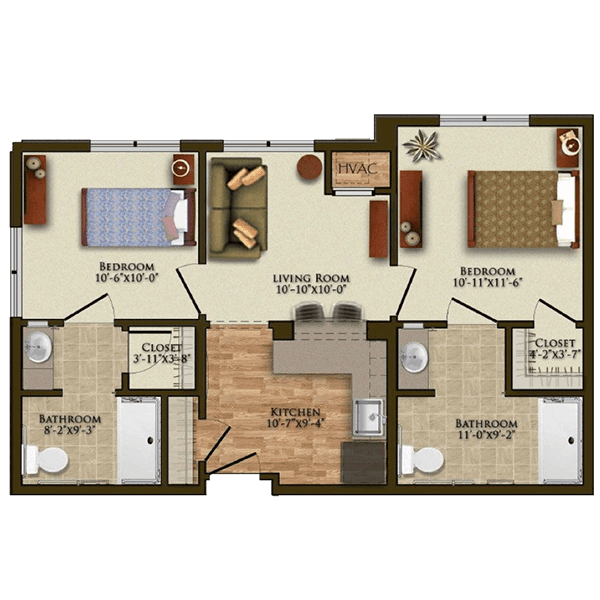
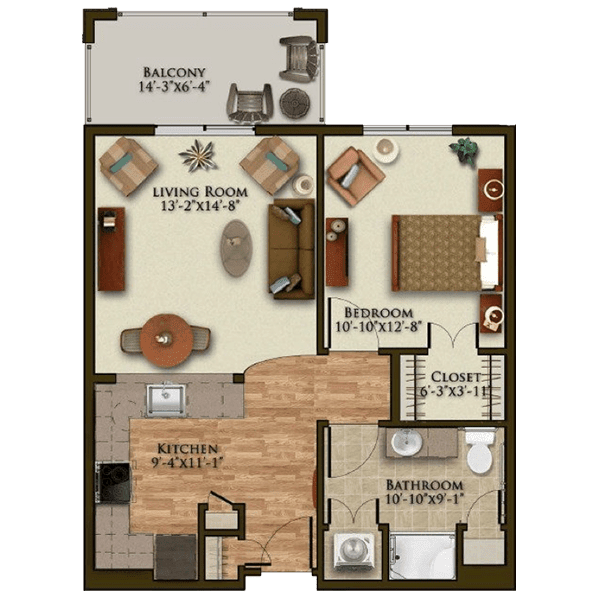
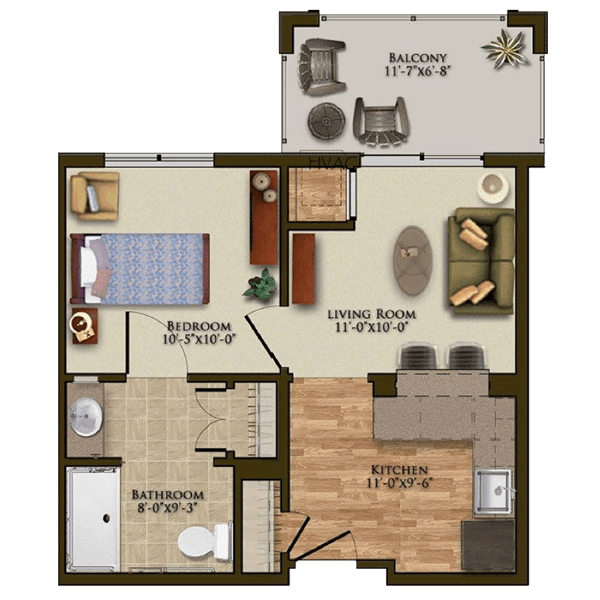
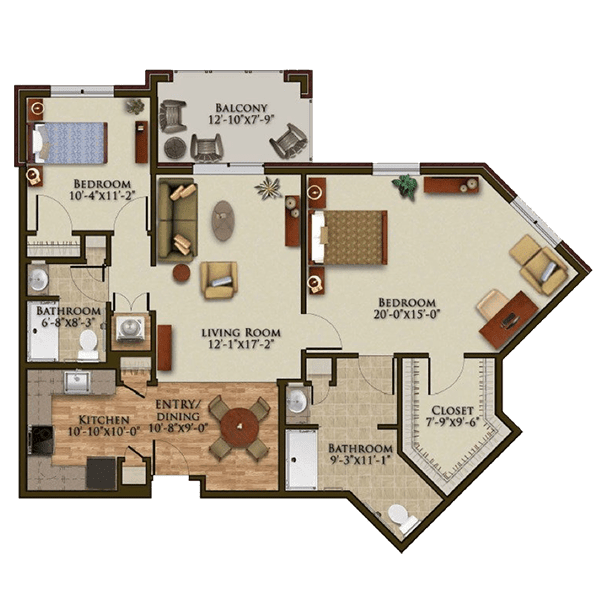
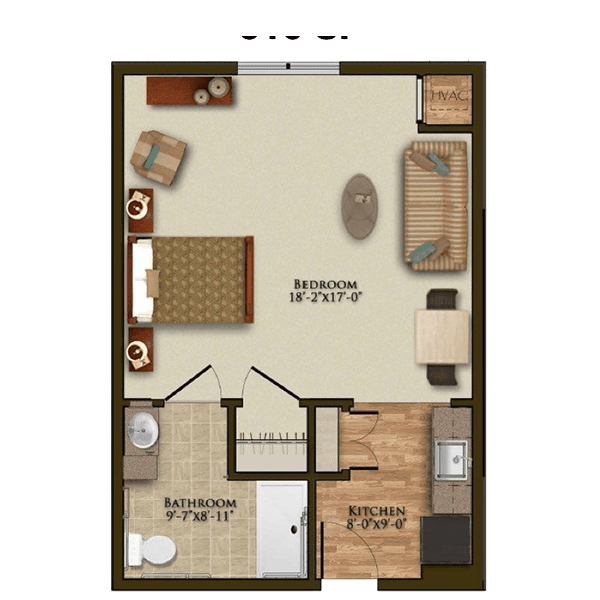
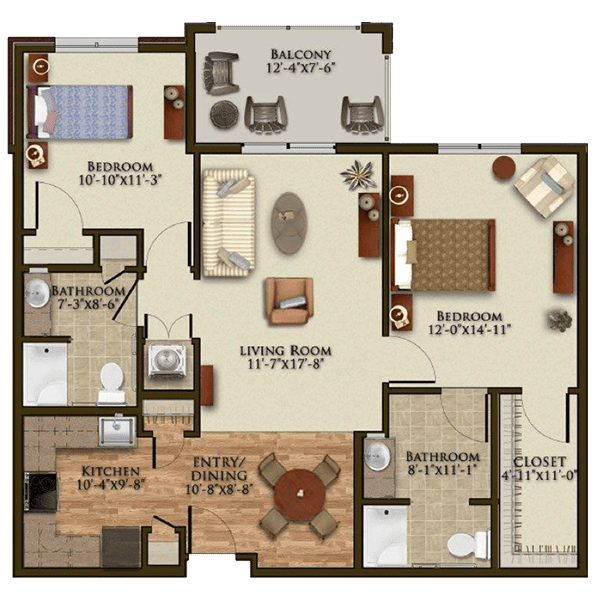
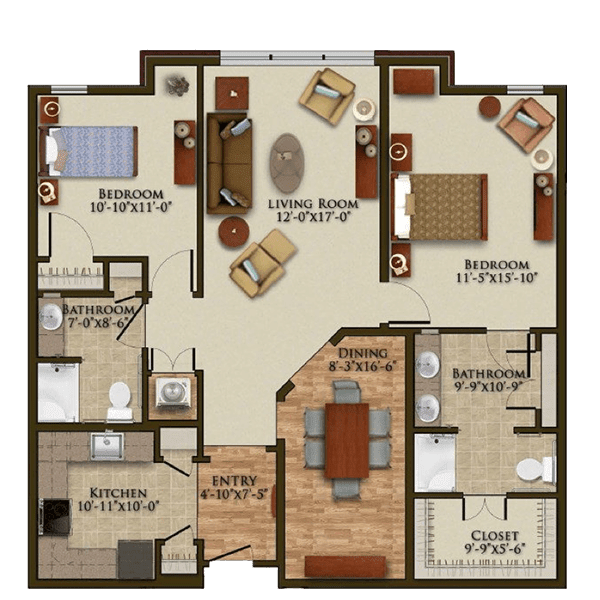
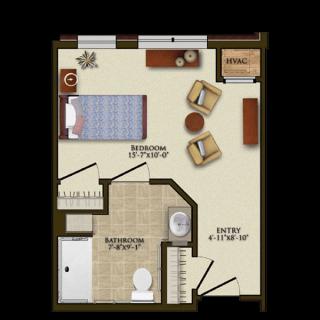
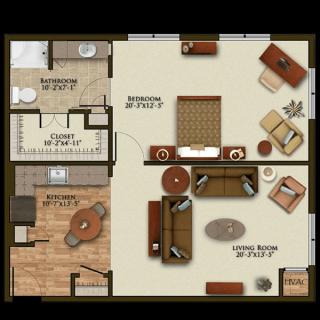
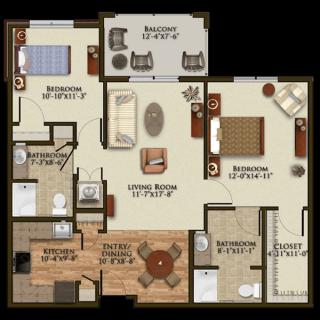
Floor plans
Harmony At Reynolds Mountain
Buncombe County
North Carolina
1 Bedroom
$4,340
$3,753
$4,055
Studio
$4,970
$4,734
$4,020
2 Bedrooms
$6,000
$3,725
$4,245
Memory care communities with a similar price nearby
Several reviewers say memory care staffing and safety follow-through fall short.
A recurring concern in the reviews is that memory care is understaffed, which residents and families describe as delayed responses and missed support. Multiple comments describe issues reaching staff by phone and difficulty getting timely help, including during urgent moments. Some reviews also describe medication errors, inconsistent wellness checks, and problems with basic safety and supervision, particularly in memory care.
common29 reviews mention this
Staff support is a high point
Reviewers frequently describe staff as caring, helpful, and responsive.
Many reviews highlight staff as supportive and kind, with families saying concerns get handled quickly and that residents are treated respectfully. Several comments also mention staff members being available for help when needed and making it easier to adjust after a move. Even among more mixed reviews, some residents’ day-to-day experience is described as improving when particular team members are present.
common19 reviews mention this
Activities keep residents engaged
Many residents and families say the activity program helps them stay involved.
Across the reviews, residents are described as having plenty to do, from scheduled group activities to outings and day-to-day engagement. Some reviewers specifically call out variety—social events, classes, and opportunities to participate based on interest and mobility. A smaller number of comments say activities can be limited or less frequent at times, especially when staffing is discussed as strained.
differentiator22 reviews mention this
Restaurant-style dining is a draw
Dining stands out, with many residents praising meal quality and service style.
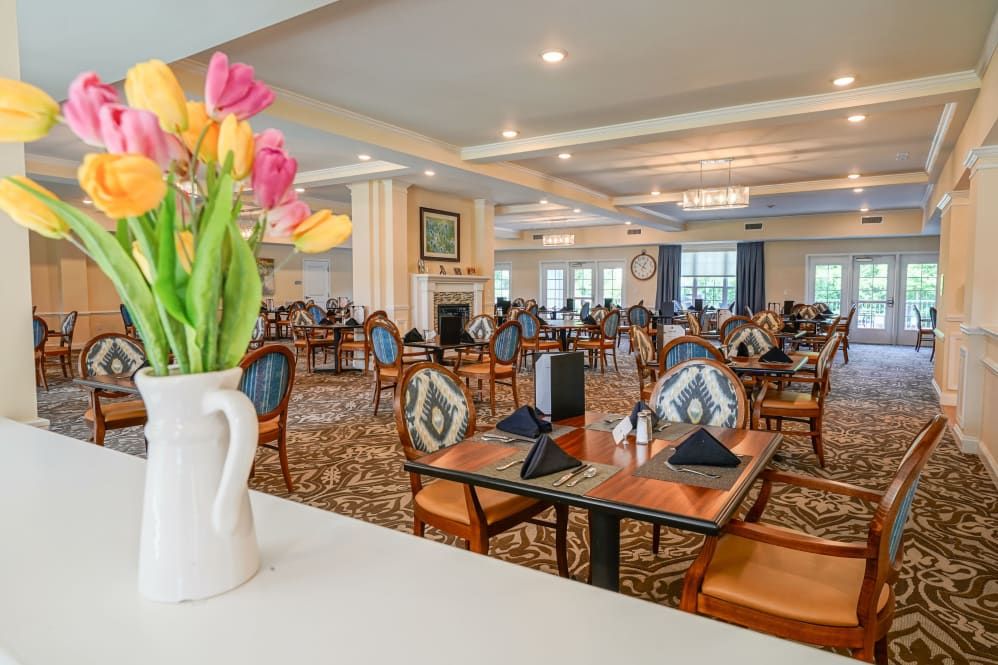
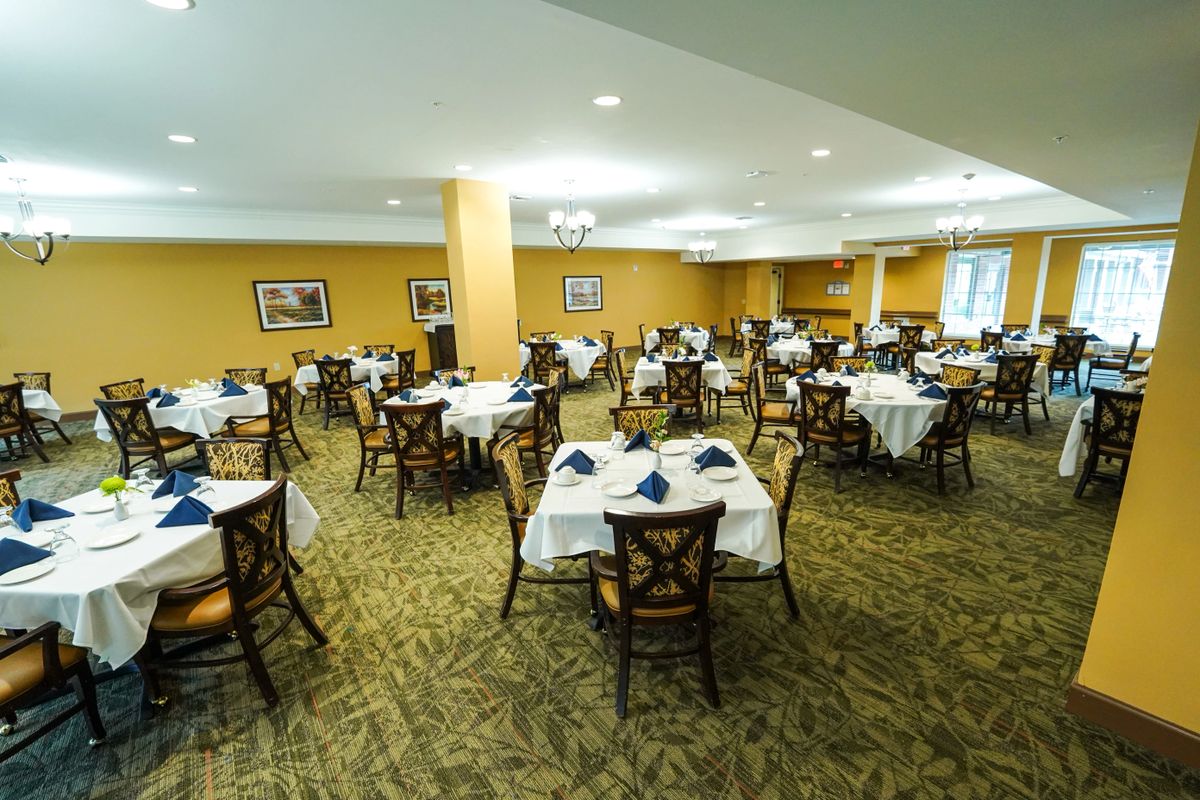
Dining receives a mix of feedback, but the positive reviews repeatedly mention good food and a dining experience that feels more like a restaurant than a cafeteria. Families also describe a supportive dining team and options for different dietary needs. Some reviews criticize specific meals or say food quality can be inconsistent, but overall dining is still a frequent point of discussion.
caveat6 reviews mention this
Cost is a frequent complaint
Several reviewers say the monthly cost doesn’t match the level of support received.
Pricing comes up as a concern in multiple reviews, with comments describing the community as expensive and questioning value when staffing or service falls short. Some reviewers tie dissatisfaction to communication gaps, meal issues, or the level of assistance delivered. The community’s pricing is positioned above local and statewide benchmarks across unit types.
How we summarize
Counts show how many written reviews mention each theme; a review can touch several themes, and only frequently mentioned themes are displayed.
Features
Housing
1-bedroom apartments
2-bedroom apartments
Studio apartments
Types of Care
Assisted Living
Independent Living
Memory Care
Pets
Cats allowed
Dogs allowed
Amenities
Activities off-site
Activities on-site
Air-conditioning
Beautician on-site
Cable or satellite TV
Devotional services off-site
Devotional services on-site
Dining room
Full kitchen
Fully furnished
Garden
Ground floor units
Handicap accessible
Housekeeping services
Indoor common areas
Kitchenette
Move-in coordination
Outdoor common areas
Outdoor space
Private patio, deck, or balcony
Respite or short term stays offered
Restaurant-style dining
Telephone
Wheelchair accessible showers
Wi-Fi/high-speed internet available
Transportation
Asheville Regional (14 miles away)
Transportation & parking
Care Services
24-hour supervision
Activities of daily living assistance
Ambulatory care
Assistance with bathing
Assistance with dressing
Assistance with transfers
Diabetes diet
Diabetic care
Incontinence care
Meal preparation and service
Medication management
Special dietary restrictions
Dining
Diabetes diet
Guest meals
International cuisine
Meals provided
Professional chef
Restaurant style dining
Room service
Special dietary restrictions
Special dining programs
Activities
Activities off-site
Art classes
Bible study group
Catholic services
Community-sponsored activities
Cooking classes
Day trips and outings
Devotional activities offsite
Devotional activities on-site
Educational speakers / life long learning
Jewish services
Karaoke
Live well programs
Other religious services
Scheduled daily activities
Languages Spoken
English
Virtual Tour
Videos
Nearby Places of Interest
This part of Asheville, North Carolina offers a mix of healthcare facilities, dining options, and recreational activities that cater to the needs of seniors. With several pharmacies and medical centers in close proximity, residents have easy access to essential healthcare services. The presence of diverse restaurants, cafes, and a frozen custard shop provides opportunities for socialization and enjoyable dining experiences. Additionally, nearby parks like Memorial Stadium and Tanbark Ridge Overlook offer peaceful settings for leisurely walks or picnics. The area also has a variety of places of worship such as St John's Episcopal Church for spiritual nourishment. Overall, this part of Asheville combines convenience with amenities that support a fulfilling senior living experience.
Physicians
MAHEC Family Health Center at Newbridge (0.4 miles)
Harmony At Reynolds Mountain offers a range of living options at competitive prices when compared to both Buncombe County and the broader North Carolina market. For a one-bedroom unit, residents can expect to pay $4,340 per month, which is higher than the county average of $3,753 but slightly above the state average of $4,055. The studio option is priced at $4,970, surpassing both local and state averages slightly - $4,734 for Buncombe County and $4,020 statewide. When it comes to two-bedroom units, Harmony At Reynolds Mountain stands out with a monthly cost of $6,000, significantly exceeding both the county's price point of $3,725 and North Carolina's average of $4,245. This pricing structure reflects the premium amenities and services that may be associated with living in this community.
The 24-hour supervision ensures that residents are continuously monitored, providing security and immediate assistance in case of emergencies or confusion, which is essential for individuals with cognitive impairments. Activities of daily living assistance, including help with bathing and dressing, fosters a sense of dignity and promotes independence while ensuring personal hygiene and comfort. This tailored support extends to transfers, enabling safe mobility for residents who may struggle with balance or coordination. Incontinence care addresses a common concern for those with dementia, alleviating anxiety around accidents and enhancing overall quality of life. Nutritional needs are met through meal preparation and service, catering to individual dietary requirements to encourage healthy eating habits. Lastly, medication management is crucial in maintaining residents' health by ensuring they receive their prescribed treatments on time, reducing the risk of complications associated with missed doses or incorrect administration. Together, these features create a compassionate environment that meets the complex needs of individuals experiencing memory loss.
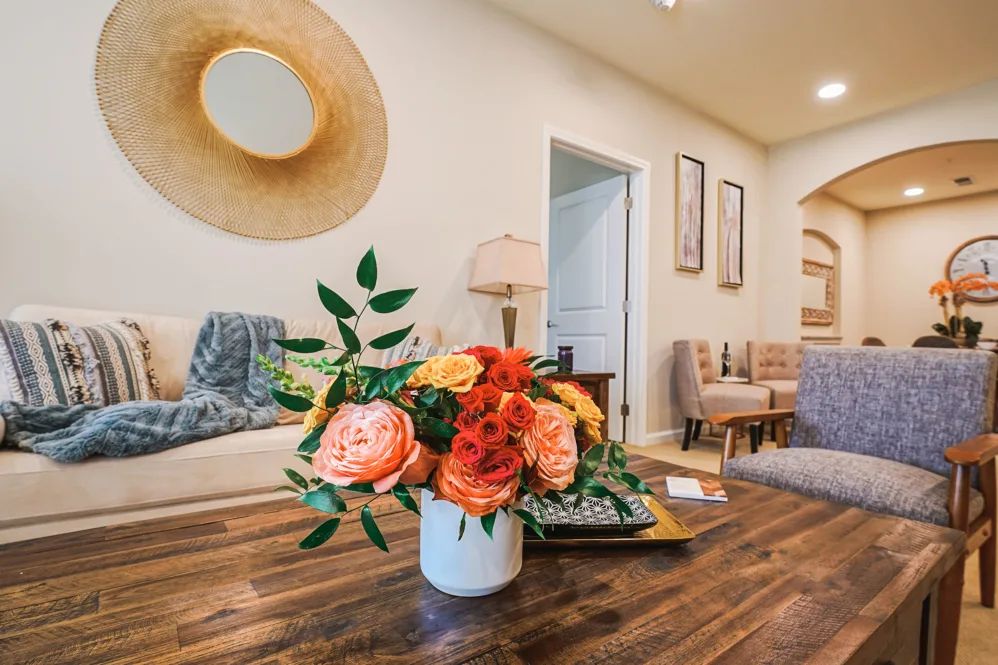
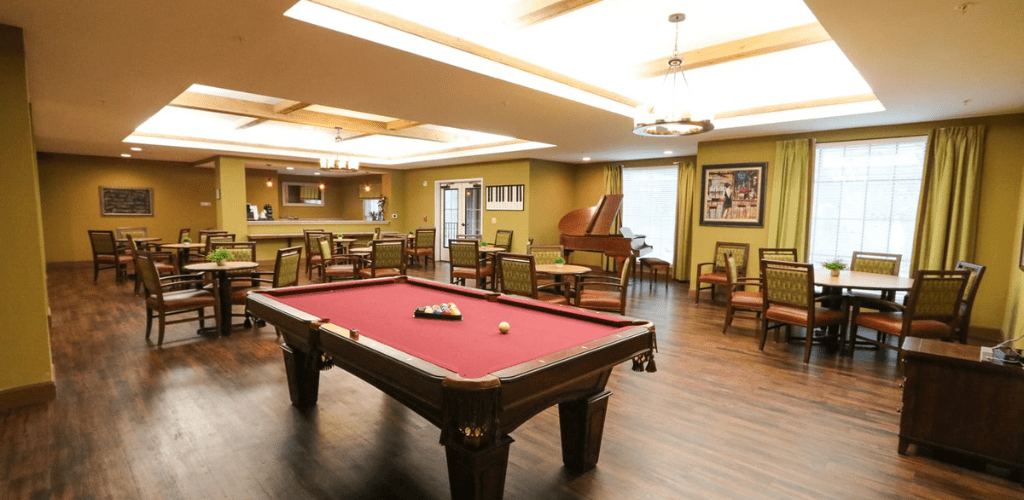
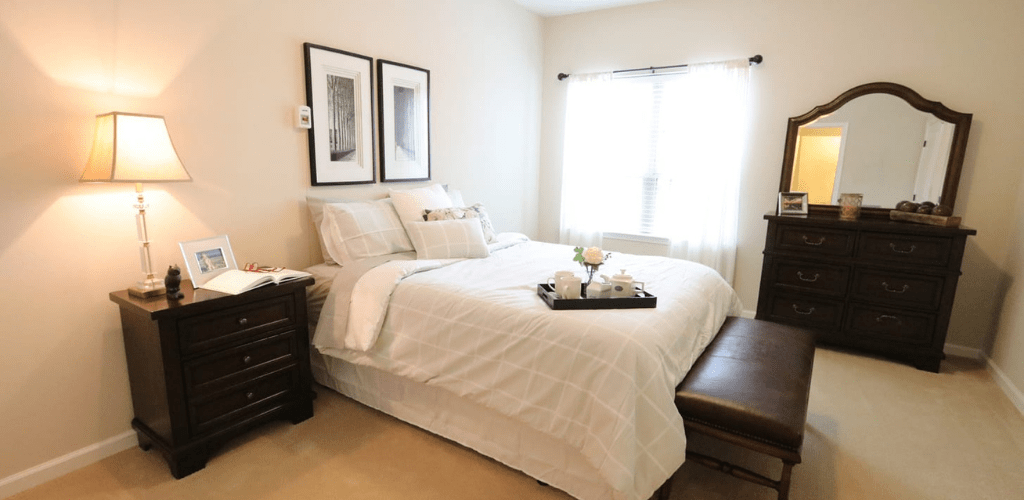
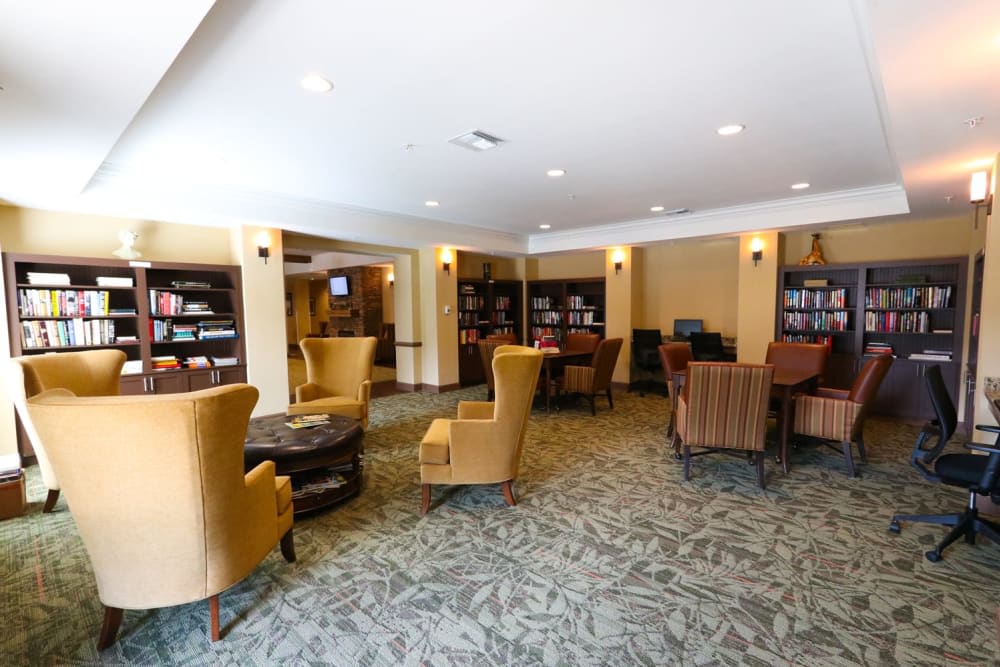
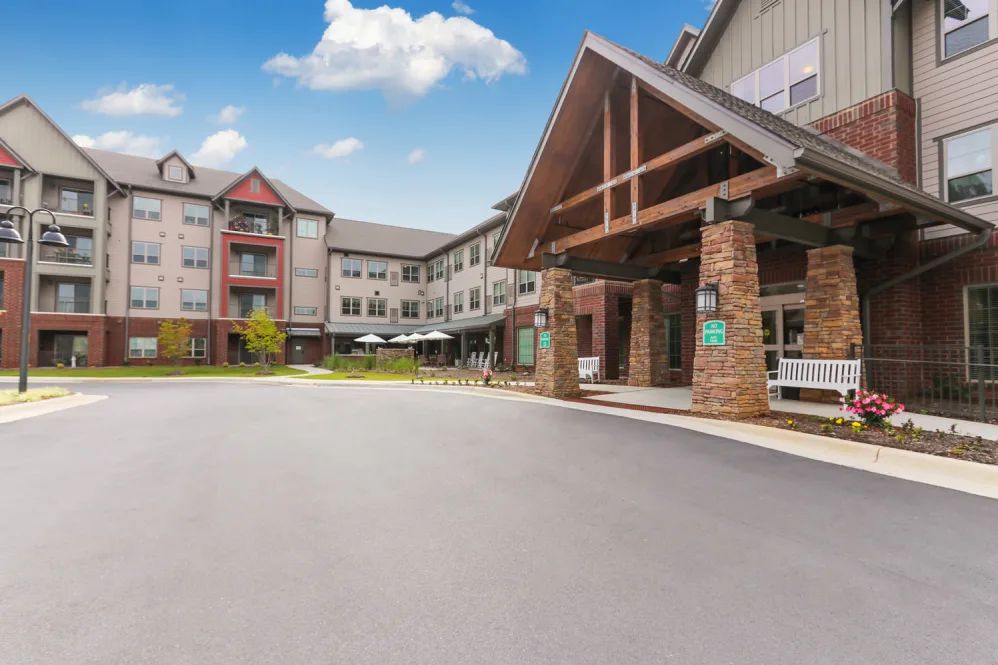
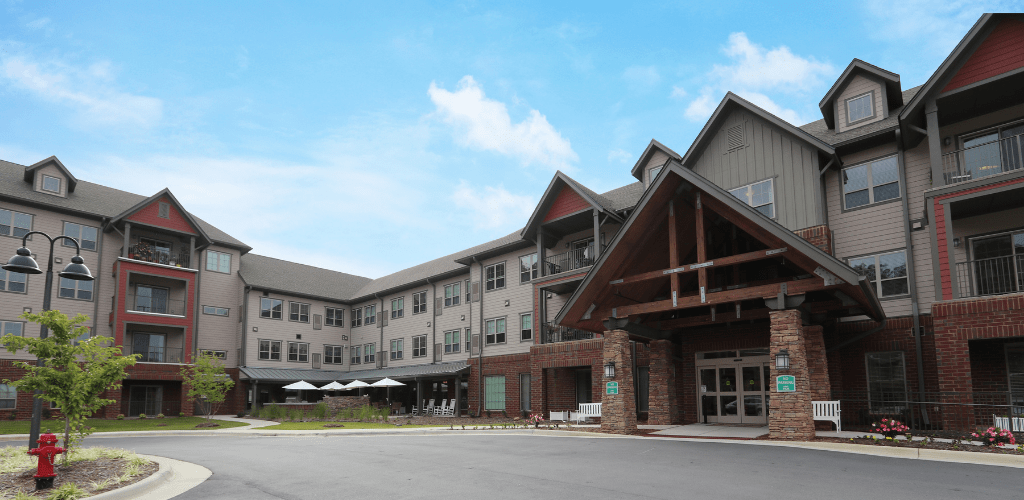
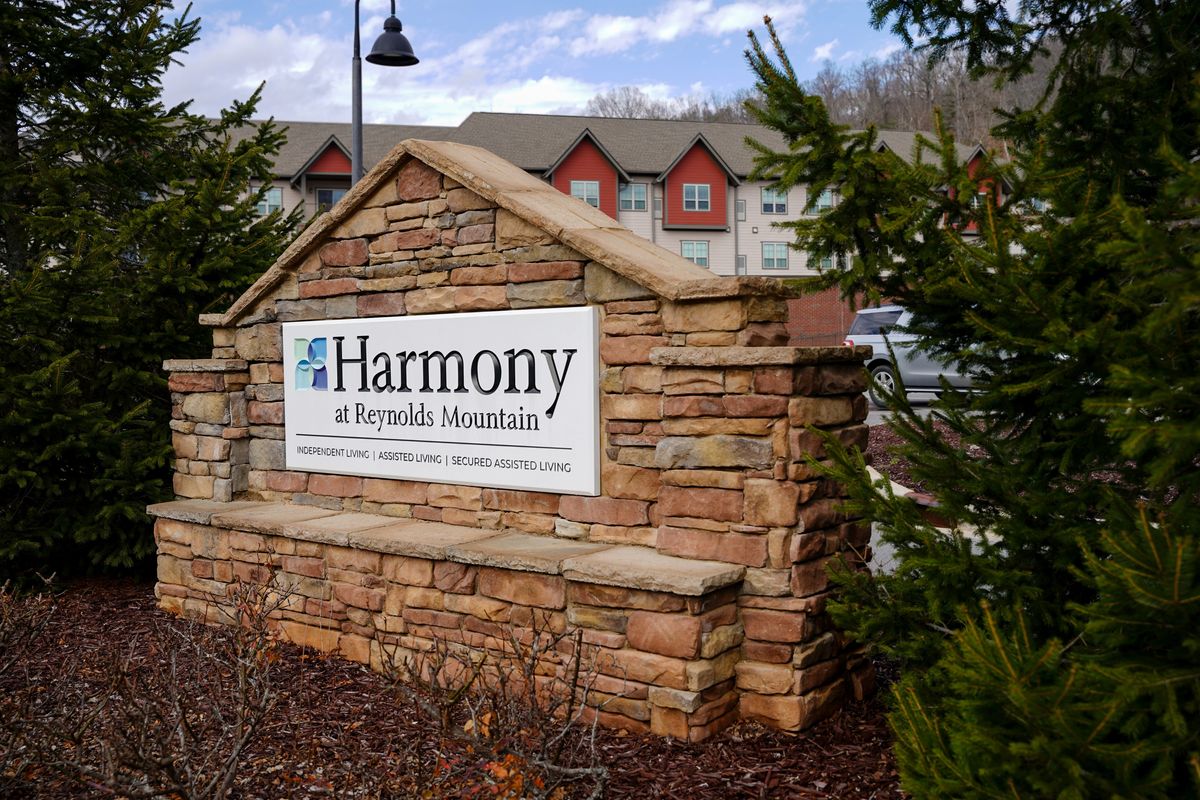
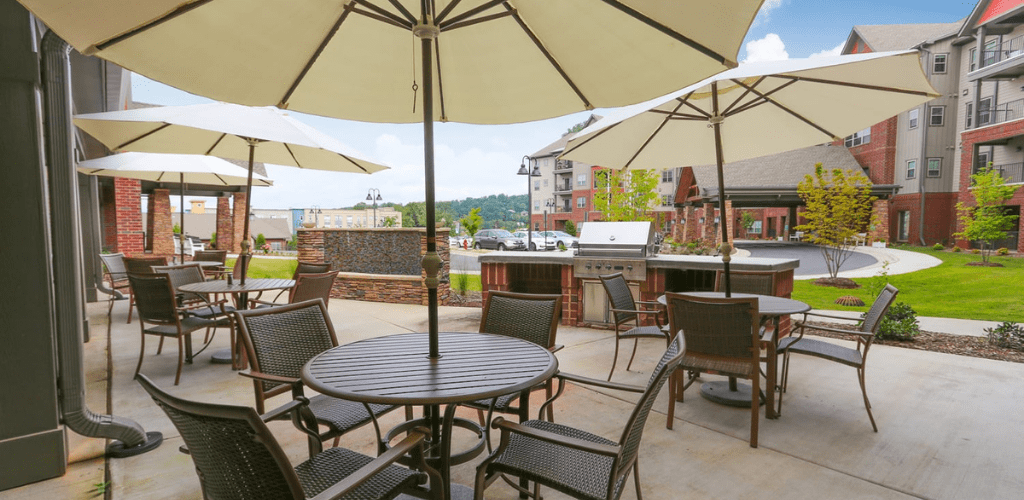
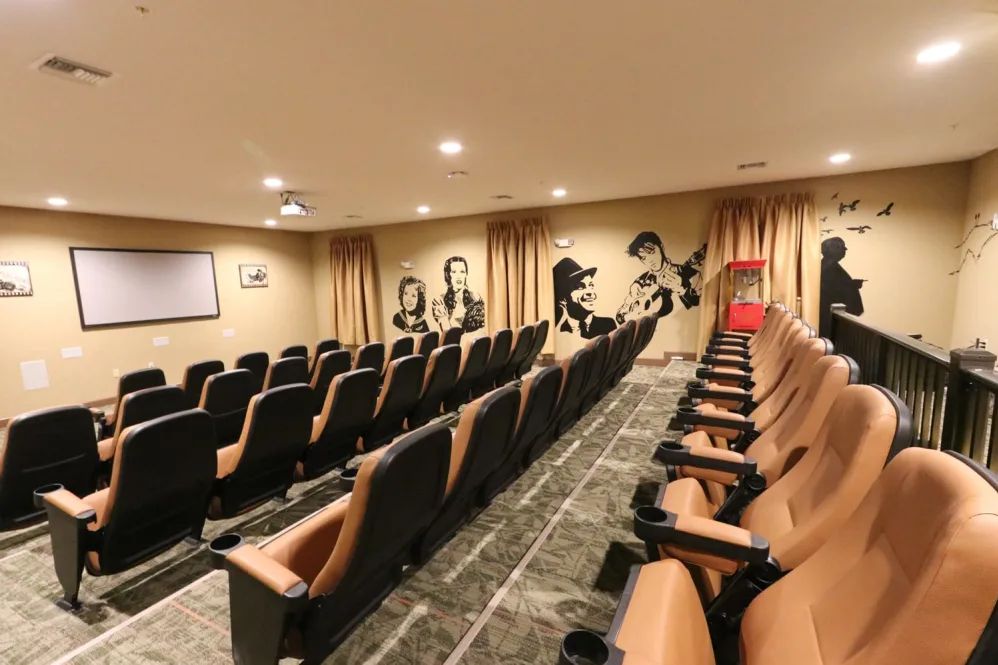
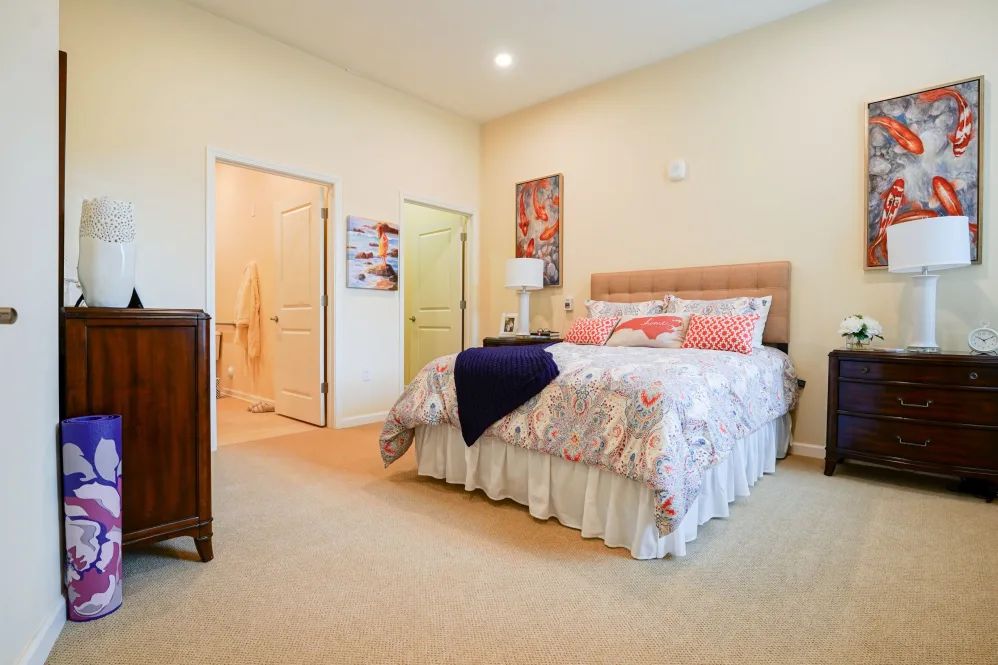
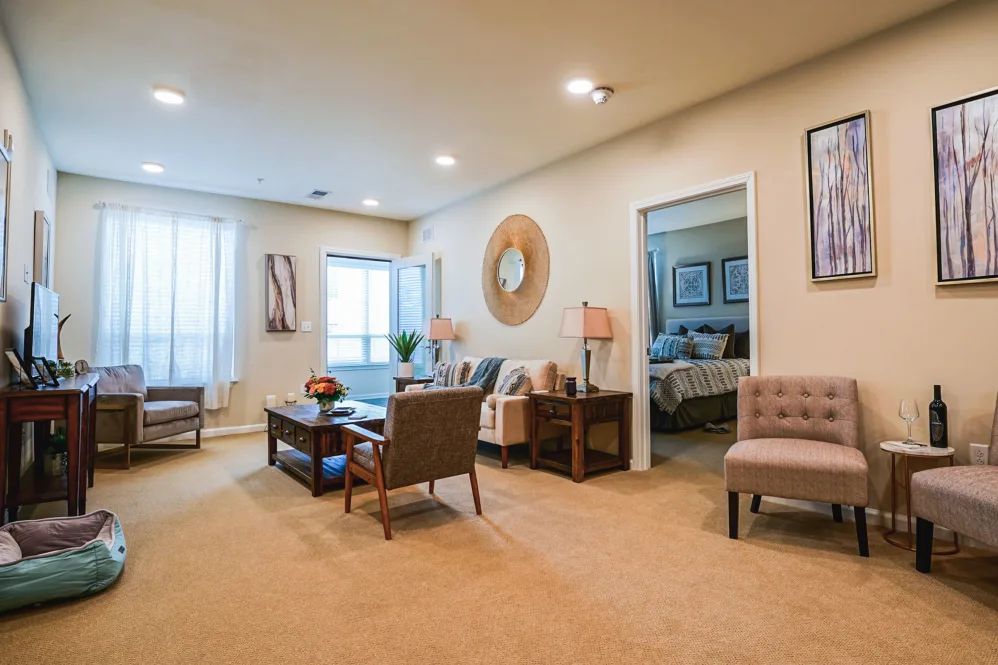
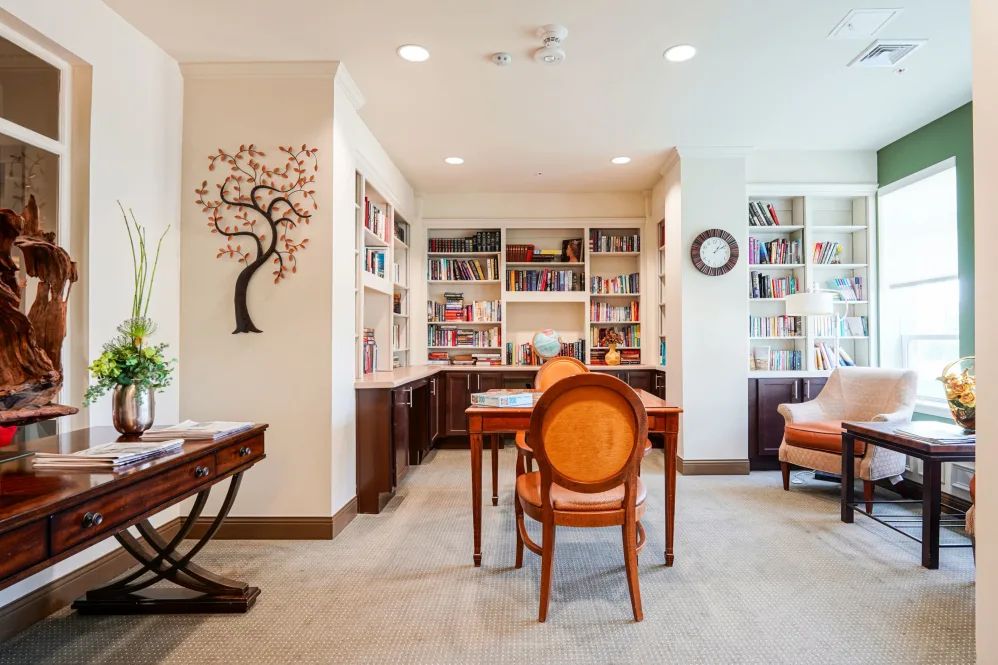
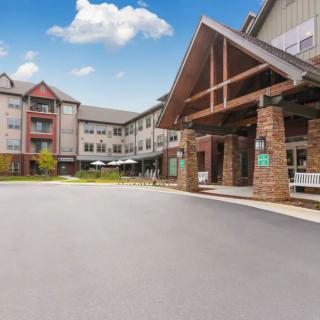
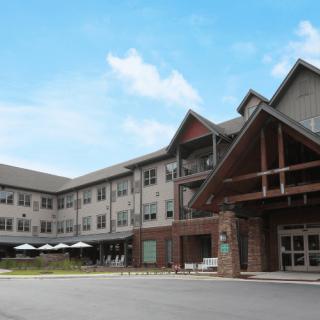
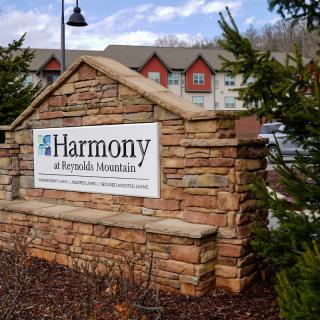
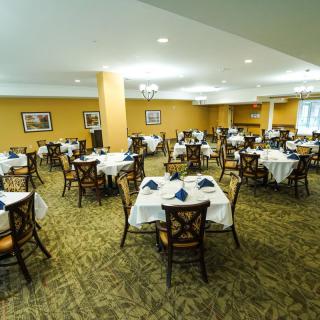
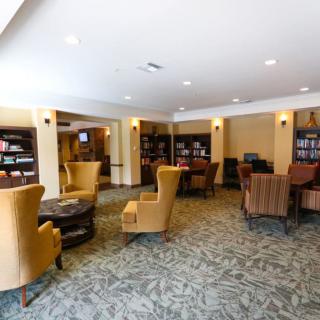
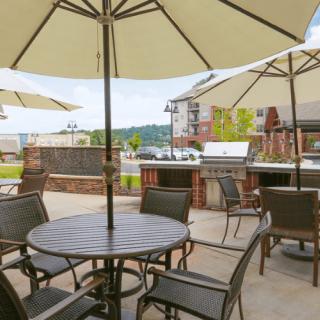
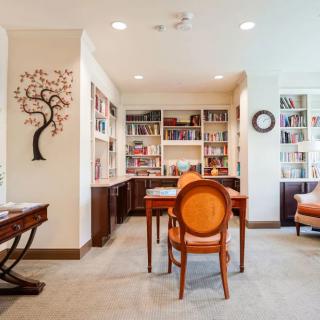
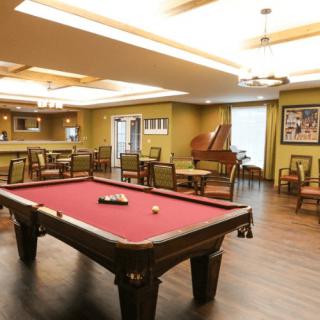
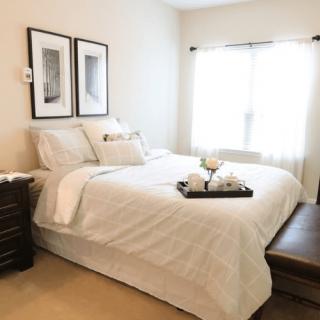
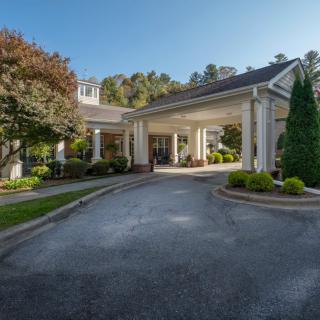
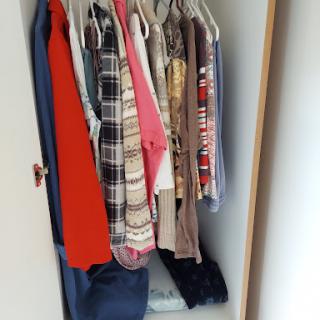
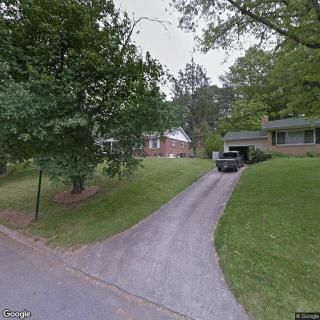
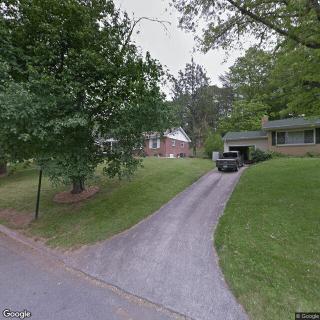
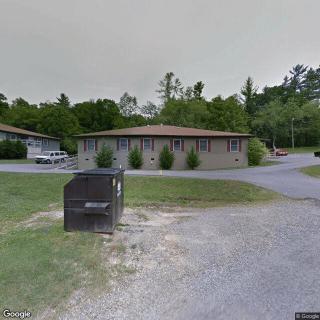
Harmony At Reynolds Mountain on seniors.fyi includes 37 photos including images showing floor plan, bedroom, interior, living room, kitchen, bathroom, dining, decor, and more.
Nearby Communities
The Crossings At Reynolds Mountain
Asheville, NC
4 from 83 reviews
Comprehensive amenities and assisted-living services.
Emerald Ridge
Asheville, NC
2.8 from 58 reviews
Compassionate staff (e.g., Erica) and helpful admissions team (Ginger J.) with therapy dogs.
Emerald Ridge Rehab And Care Center
Asheville, NC
2.7 from 28 reviews
Extensive on-site amenities with 24/7 supervision and care.
Creekside
Asheville, NC
Personalized care with meal support and medication management, plus convenient access to dining, medical services, parks, and worship.
Angel House III
Asheville, NC
2.5 from 8 reviews
Fully furnished rooms with meals, housekeeping, activities, and personalized care in a small, community-focused setting.
Angel House V
Asheville, NC
2.3 from 9 reviews
Some staff provide appropriate care and paperwork is filed promptly.
Richmond Hill
Asheville, NC
$3,000 / month
Personalized diabetic care with affordable $3,000/month pricing
The Laurels of Summit Ridge
Asheville, NC
4.4 from 113 reviews
$2,550 to $5,520 / month
Caring staff, clean facility, and engaging activities.
Maxim Healthcare Services Asheville
Asheville, NC
4.5 from 35 reviews
Prime Asheville location with ready access to cafes, parks, pharmacies, doctors, restaurants, places of worship, and hospitals.
Dementia leads to cognitive impairment and can cause emotional and behavioral changes, including aggression that arises from frustration, confusion, or fear. Effective coping strategies for caregivers include understanding dementia's nature, recognizing triggers, using empathetic communication, and employing non-pharmacological interventions like music and art therapy.
Dementia causes cognitive decline and challenging behaviors that caregivers must manage, necessitating an understanding of the neurological basis of these issues. Effective strategies and self-care for caregivers can enhance support for those with dementia and improve their daily lives.
The content outlines five key early indicators of dementia, including significant memory loss and confusion about time and place, while emphasizing the need for professional evaluation and emotional support for both individuals showing symptoms and their caregivers. It encourages family members to monitor these signs closely and use online quizzes for initial awareness.
Get PricingAsk A QuestionSchedule A TourContact Senior Advisor
By clicking submit, you agree to our Partner's Terms of Use. You
also consent to receive calls and texts, which may be autodialed, from our Partner. Your consent is not a condition to
using our Partner's service. Please visit our Partner's Privacy Policy for information about their privacy practices.




 1-bedroom apartments
 Assisted Living
 Independent Living
 Memory Care
 Cats allowed
 Dogs allowed
 Activities off-site
 Air-conditioning
 Beautician on-site
 Cable or satellite TV
 Devotional services off-site
 Dining room
 Full kitchen
 Fully furnished
 Garden
 Ground floor units
 Handicap accessible
 Housekeeping services
 Indoor common areas
 Move-in coordination
 Outdoor common areas
 Private patio, deck, or balcony
 Respite or short term stays offered
 Restaurant-style dining
 Telephone
 Wheelchair accessible showers
 Wi-Fi/high-speed internet available
 Asheville Regional (14 miles away)
 Transportation & parking
 24-hour supervision
 Ambulatory care
 Assistance with bathing
 Assistance with dressing
 Assistance with transfers
 Diabetes diet
 Diabetic care
 Incontinence care
 Medication management
 Special dietary restrictions
 Art classes
 Bible study group
 Cooking classes
 Day trips and outings
 Educational speakers / life long learning
 Jewish services
 Karaoke
 Live well programs
 English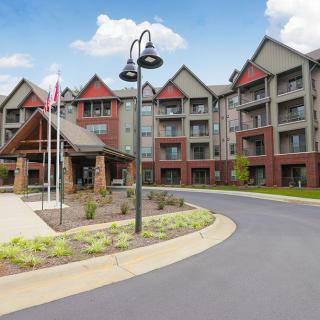
 Comprehensive amenities and assisted-living services.

 When Dementia Sparks Anger and Aggression: Understanding the Connection and Ways to Cope
 Dementia Behaviors: In-Depth Understanding and Effective Coping Strategies
 5 Early Indicators of Dementia and What You Can Do