Overall Review of The Crossings At Reynolds Mountain
differentiator9 reviews mention this
Dining gets consistent attention
Dining quality is a repeated highlight, though not everyone agrees on consistency.
Multiple residents and families call out the food as a standout, pairing it with praise for the staff serving residents meals. A few also mention improvements in dining after leadership changes. Not all feedback is positive: some reviewers describe lunches as poor, meals as terrible or mediocre, or service as inconsistent. Overall, dining is a central day-to-day topic in the reviews, with clearly mixed experiences.
common8 reviews mention this
Activities keep residents engaged
Residents describe plenty of activities that help them stay social and busy.
Reviews frequently mention an active schedule and enough variety that residents do not feel bored. Several families describe daily activities as engaging and note that participation supports social time and quality of life. The community also offers community-sponsored and resident-run activities, along with planned outings and scheduled daily activities. Even with some criticism elsewhere, the activity calendar is one area many reviewers reference positively.
common9 reviews mention this
Staff support and cleanliness stand out
Many residents and families praise the staff’s support along with regular cleanliness.
Across multiple reviews, families describe staff as respectful, caring, friendly, and responsive when concerns come up. Clean common areas and well-kept rooms are also a recurring positive point, with some reviewers specifically calling out “very clean” conditions. The community’s amenity set includes housekeeping and a dining room, which aligns with the emphasis on upkeep and day-to-day care. While there are negative reviews, the most frequent overall impression is that staff and cleanliness are noticeable strengths.
caveat4 reviews mention this
Care and staffing quality varies
Several reviewers say staffing gaps can affect the care residents actually receive.
A set of critical reviews describe under-staffing and unmet expectations around assisted living and memory care support. These accounts include claims about limited help, problems with wellness checks, and safety concerns. One mixed review also suggests memory care has not had enough help. Taken with the positive reviews about care improvements and prompt assistance, the overall picture is that residents’ experiences can differ depending on staffing and follow-through.
caveat2 reviews mention this
Costs and billing issues raised
Some families report billing and cost problems that caused major frustration.
A couple of reviews focus on money and billing, including disputes over charges and the timing of refunds. One reviewer describes overcharges and needing outside help to reverse automated payments. Another describes delays and deductions related to a deposit refund. These issues appear separate from day-to-day care impressions, but they show up strongly in a small number of reviews.
How we summarize
Counts show how many written reviews mention each theme; a review can touch several themes, and only frequently mentioned themes are displayed.
Features
Housing
99 resident community capacity
Types of Care
Assisted Living
Amenities
Air-conditioning
Beauty salon
Cable or satellite TV
Computer center
Dining room
Fitness room
Fully furnished
Gaming room
Garden
Housekeeping services
Kitchenette
Move-in coordination
Outdoor space
Private bathrooms
Restaurant-style dining
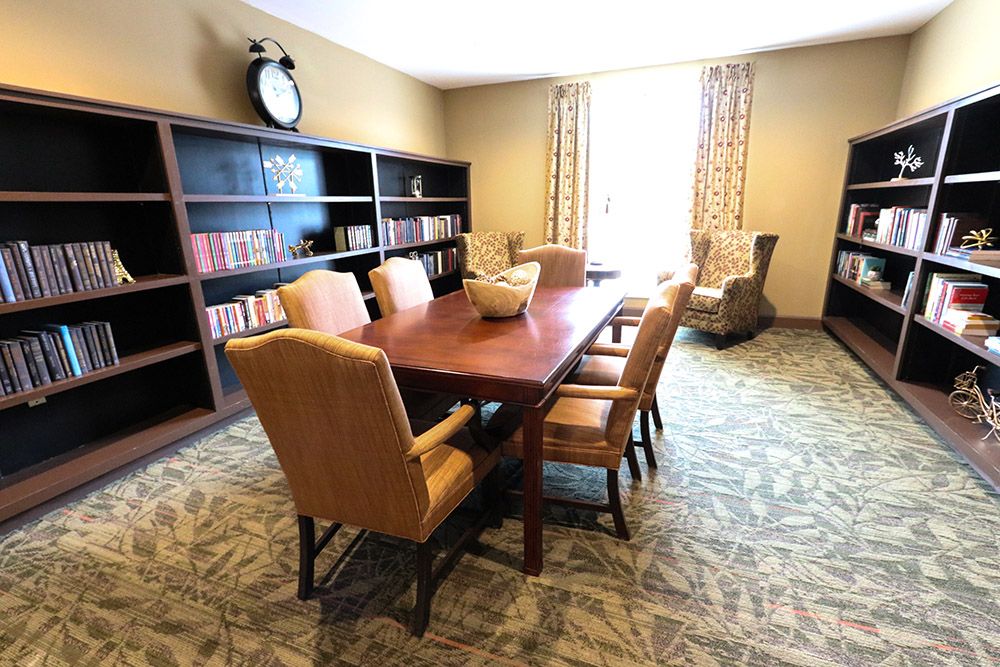
Small library
Telephone
Wellness center
Wi-Fi/high-speed internet available
Transportation
Asheville Regional (14 miles away)
Community operated transportation
Transportation arrangement
Transportation arrangement (non-medical)
Transportation to doctors appointments
Care Services
12-16 hour nursing
24-hour call system
24-hour supervision
Activities of daily living assistance
Assistance with bathing
Assistance with dressing
Assistance with transfers
Diabetes diet
Meal preparation and service
Medication management
Mental wellness program
Special dietary restrictions
Dining
Diabetes diet
Special dietary restrictions
Activities
Community-sponsored activities
Concierge services
Fitness programs
Planned day trips
Resident-run activities
Scheduled daily activities
Nearby Places of Interest
Physicians
MAHEC Family Health Center at Newbridge (0.4 miles)
Assisted living provides moderate support for seniors seeking independence, while memory care offers specialized support for individuals with dementia or cognitive impairments through structured routines and trained staff. Key differences include care approaches, environment security measures, staff training levels, activity types, and cost considerations.
Assisted living communities offer diverse activities beyond traditional games to enhance seniors' physical health, cognitive well-being, emotional enrichment, and social connections, including fitness classes, creative expression, and intergenerational interactions. These enriching programs foster community bonds and support residents' independence and happiness.
The article differentiates between assisted living and memory care, explaining that assisted living supports seniors with daily activities while promoting independence, whereas memory care provides specialized services for individuals with dementia, focusing on secure environments and cognitive support. It also addresses staff training, safety considerations, costs, family involvement, and transition strategies for families navigating these care options.
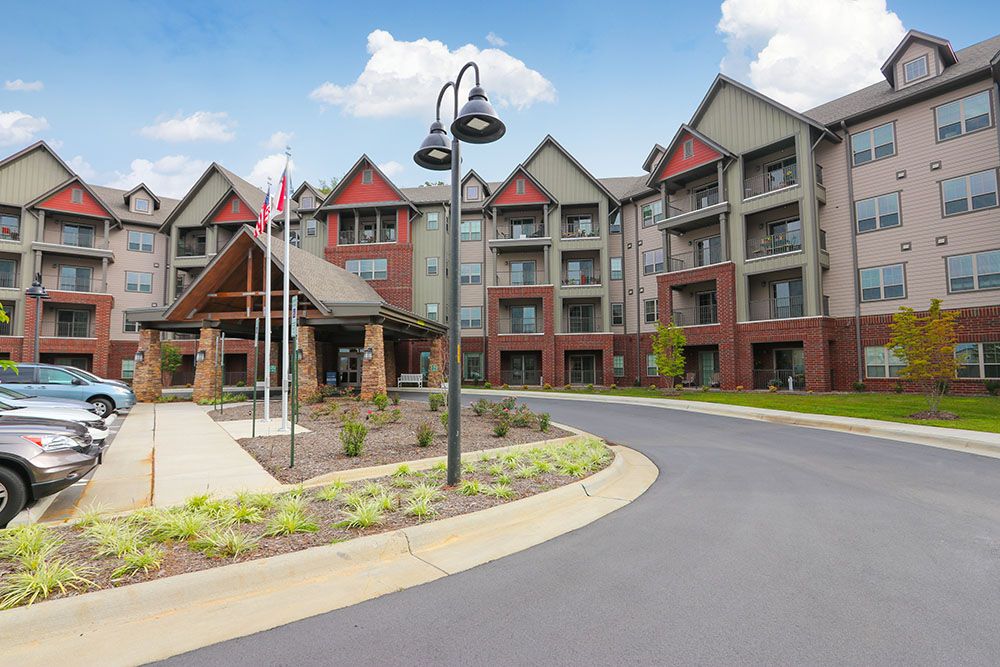
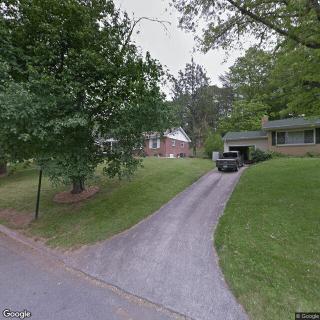
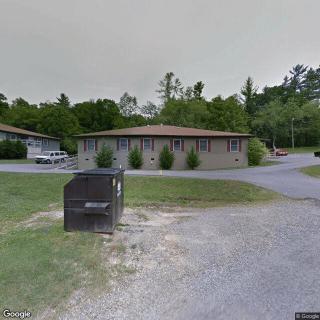
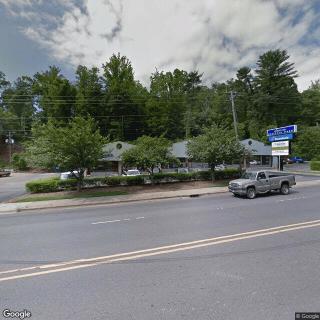
Landscaping, Building, Architecture, Outdoor, and Entrance
Get PricingAsk A QuestionSchedule A TourContact Senior Advisor
By clicking submit, you agree to our Partner's Terms of Use. You
also consent to receive calls and texts, which may be autodialed, from our Partner. Your consent is not a condition to
using our Partner's service. Please visit our Partner's Privacy Policy for information about their privacy practices.

 99 resident community capacity
 Assisted Living
 Air-conditioning
 Beauty salon
 Cable or satellite TV
 Computer center
 Dining room
 Fitness room
 Fully furnished
 Gaming room
 Garden
 Housekeeping services
 Kitchenette
 Move-in coordination
 Outdoor space
 Private bathrooms
 Restaurant-style dining
 Small library
 Telephone
 Wellness center
 Wi-Fi/high-speed internet available
 Asheville Regional (14 miles away)
 Community operated transportation
 12-16 hour nursing
 24-hour call system
 Activities of daily living assistance
 Assistance with bathing
 Assistance with dressing
 Assistance with transfers
 Diabetes diet
 Medication management
 Mental wellness program
 Special dietary restrictions
 Concierge services
 Planned day trips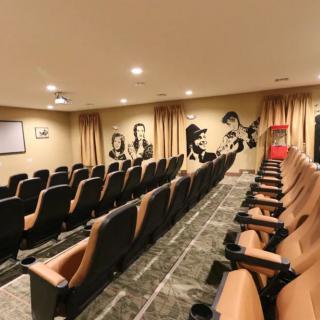
 Beautiful views, spacious rooms, and caring staff with active social programs.


 Assisted Living and Memory Care: Understanding Their Core Differences
 Beyond the Bingo Hall: 50+ Enriching Activities for Seniors in Assisted Living
 Understanding the Distinctions: Assisted Living and Memory Care Explained