The Laurels of Summit Ridge offers competitive pricing for its various room types, making it an appealing choice for potential residents in comparison to both Buncombe County and the broader North Carolina region. For a semi-private room, the cost is $2,550 per month, substantially lower than the county average of $3,859 and the state average of $3,584. Studio accommodations are available at $3,150, again undercutting both local and state rates, which stand at $4,734 and $4,020 respectively. For those seeking more privacy, private rooms at The Laurels are priced at $5,520; while this exceeds the county's monthly rate of $5,177 and is higher than North Carolina's average of $4,425, it reflects the premium services and amenities that come with choosing this establishment. Overall, The Laurels of Summit Ridge provides a range of options that cater to different needs while remaining mindful of budget considerations within the regional context.
Floor plans
The Laurels of Summit Ridge
Buncombe County
North Carolina
Semi-Private
$2,550
$3,859
$3,584
Studio
$3,150
$4,734
$4,020
Private
$5,520
$5,177
$4,425
Skilled Nursing Facilities with a similar price nearby
Residents consistently highlight the rehab therapy team and treatment progress.
Many reviewers describe strong outcomes with physical therapy and related therapy work, including patients who mention PT or OT staff by name. Several also describe rehab stays as a meaningful part of recovery, with staff framed as responsive during therapy time. A few comments focus more on rehab overall, but the recurring thread is that therapy is where residents saw the most improvement.
common12 reviews mention this
Food is often praised
Food quality is frequently mentioned, with many residents saying meals were good.
A noticeable share of reviews say the food was good, well prepared, nutritious, or even excellent, and some note their loved one particularly enjoyed meals. Others describe practical accommodations like alternate selections when food wasn’t liked or when dietary textures were needed. At the same time, there are multiple complaints that specific diets weren’t followed consistently, including reports of bread showing up when it was not supposed to.
caveat6 reviews mention this
Understaffing is a recurring worry
Several residents and families report understaffing that affected care responsiveness.
While many reviews are positive about staff, a recurring set of comments raises concerns about staffing levels and how quickly help arrives. Some reviewers describe call-button delays and problems getting basic needs met, along with instances where night coverage felt insufficient. Others report understaffing and missed follow-through on medication and general care tasks, though a few reviews also say therapy staff and some individual nurses were better than the overall experience.
How we summarize
Counts show how many written reviews mention each theme; a review can touch several themes, and only frequently mentioned themes are displayed.
Features
Housing
60 resident community capacity
Types of Care
Assisted Living
Skilled Nursing Facility
Amenities
Activities on-site
Air-conditioning
Beauty salon
Cable or satellite TV
Computer center
Devotional services off-site
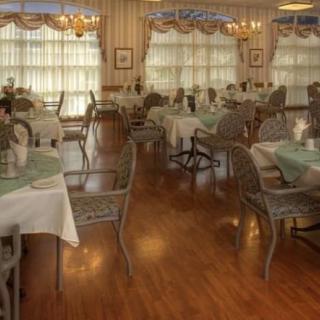
Dining room
Fitness room
Fully furnished
Gaming room
Garden
Housekeeping services
Indoor common areas
Kitchenette
Move-in coordination
Outdoor space
Private
Private bathrooms
Restaurant-style dining
Small library
Telephone
Wellness center
Wi-Fi/high-speed internet available
Transportation
Asheville Regional (11 miles away)
Community operated transportation
Transportation arrangement
Transportation arrangement (non-medical)
Transportation to doctors appointments
Care Services
12-16 hour nursing
24-hour call system
24-hour supervision
Activities of daily living assistance
Ambulatory care
Assistance with bathing
Assistance with dressing
Assistance with transfers
Diabetes diet
Diabetic care
Meal preparation and service
Medication management
Mental wellness program
Special dietary restrictions
Dining
Diabetes diet
Meals provided
Special dietary restrictions
Activities
Activities on-site
Community-sponsored activities
Concierge services
Devotional activities offsite
Fitness programs
Planned day trips
Resident-run activities
Scheduled daily activities
Nearby Places of Interest
This part of Asheville, North Carolina offers a convenient and vibrant community for senior living. Within close proximity, there are several pharmacies, restaurants offering a variety of cuisine options, places of worship for spiritual fulfillment, parks for outdoor activities and relaxation, physicians' offices for healthcare needs, reputable hospitals for medical emergencies, cozy cafes for socializing or enjoying a cup of coffee, and even a theater for entertainment. The area is also known for its beautiful Blue Ridge Parkway and Memorial Stadium. Overall, this neighborhood provides easy access to essential services and amenities while maintaining a sense of community and cultural diversity.
The Laurels of Summit Ridge offers competitive pricing for its various room types, making it an appealing choice for potential residents in comparison to both Buncombe County and the broader North Carolina region. For a semi-private room, the cost is $2,550 per month, substantially lower than the county average of $3,859 and the state average of $3,584. Studio accommodations are available at $3,150, again undercutting both local and state rates, which stand at $4,734 and $4,020 respectively. For those seeking more privacy, private rooms at The Laurels are priced at $5,520; while this exceeds the county's monthly rate of $5,177 and is higher than North Carolina's average of $4,425, it reflects the premium services and amenities that come with choosing this establishment. Overall, The Laurels of Summit Ridge provides a range of options that cater to different needs while remaining mindful of budget considerations within the regional context.
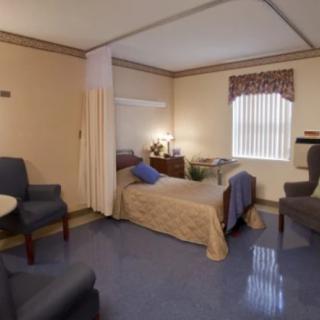
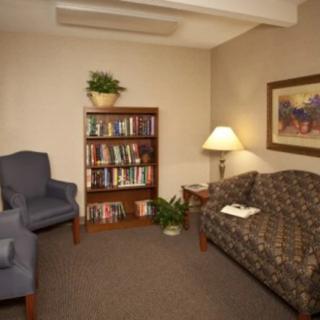
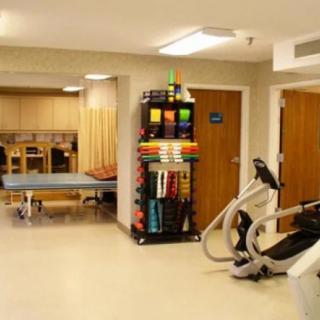
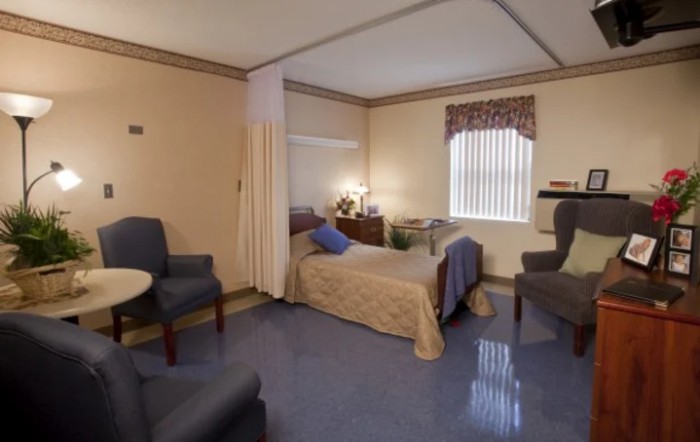
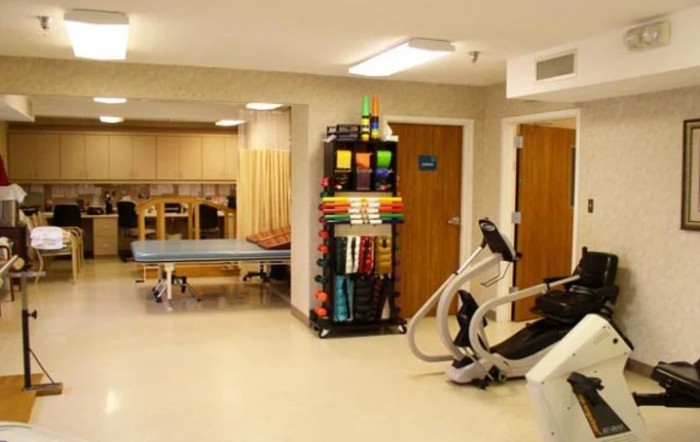
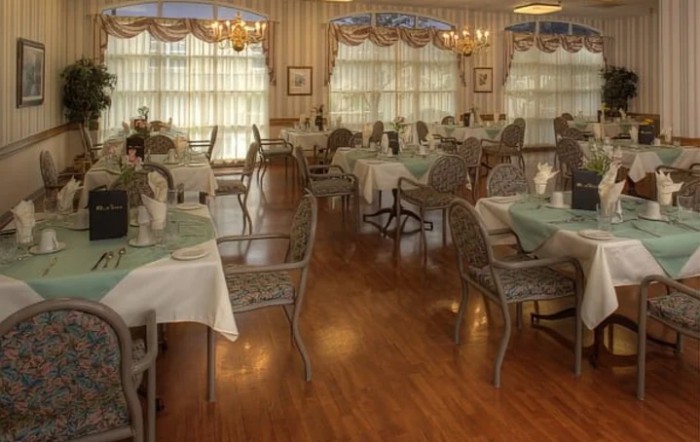
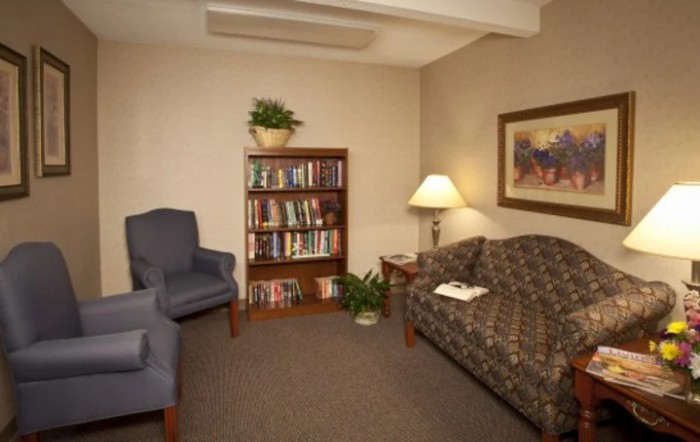
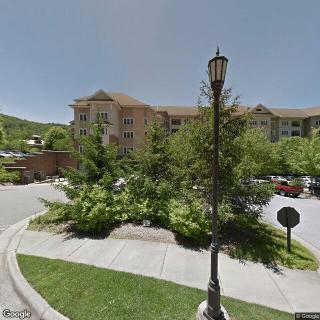
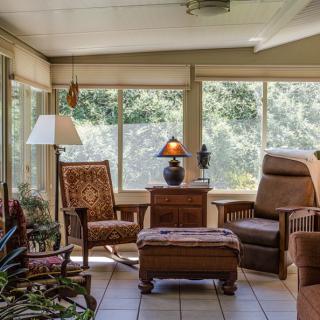
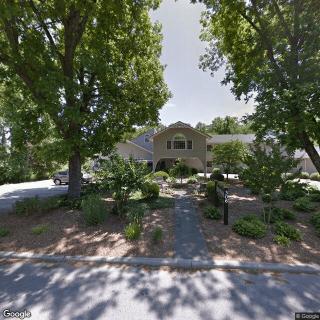
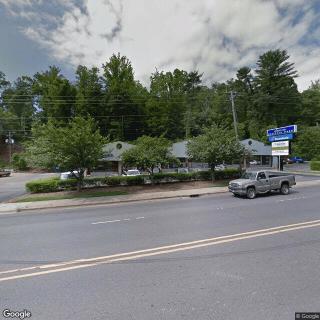
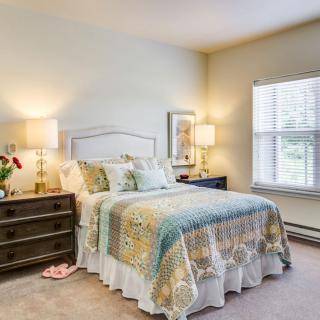
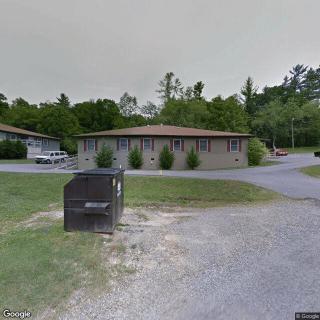
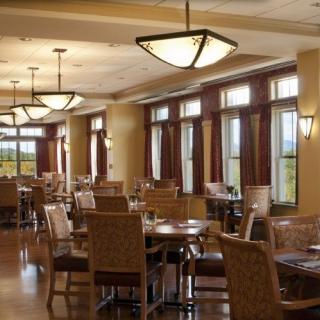
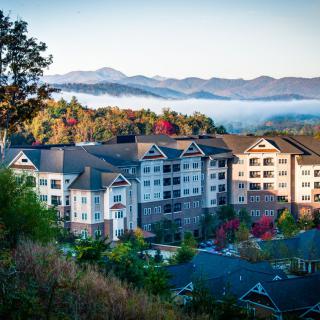
The Laurels of Summit Ridge on seniors.fyi includes 5 photos including images showing interior, bedroom, windows, dining, physical therapy, rehabilitation, exercise equipment, therapy room, and more.
Nearby Communities
Chase Samaritan Assisted Living
Asheville, NC
5 from 15 reviews
Broad range of amenities and care services.
Stroupe's Rest Home
Asheville, NC
Nearby healthcare resources, pharmacies, and dining options.
Maxim Healthcare Services Asheville
Asheville, NC
4.5 from 35 reviews
Prime Asheville location with ready access to cafes, parks, pharmacies, doctors, restaurants, places of worship, and hospitals.
Viewpointe
Asheville, NC
$4,561 to $5,929 / month
Small intimate community with comprehensive care services and dietary accommodations.
Chunn's Cove Assisted Living
Asheville, NC
2 from 23 reviews
$1,825 to $2,500 / month
Affordable pricing relative to Buncombe County and NC averages, with comprehensive amenities and services.
Bella Vista Gracious Retirement Living
Asheville, NC
4.8 from 45 reviews
Friendly, welcoming community with well-maintained facilities and engaging activities.
Richmond Hill
Asheville, NC
$3,000 / month
Personalized diabetic care with affordable $3,000/month pricing
Deerfield Episcopal Retirement Community
Asheville, NC
4.4 from 25 reviews
Personalized apartments with attentive staff and strong amenities.
Givens Estates
Asheville, NC
4.5 from 127 reviews
Glamorous, resort-like setting with extensive amenities and diverse housing options.
The guide highlights the importance of assisted living facilities for aging veterans needing daily support, discusses unique challenges they face, and outlines available financial assistance from the VA, including the Aid and Attendance program. It emphasizes understanding eligibility criteria and navigating the VA system to access necessary benefits effectively.
The article compares assisted living and skilled nursing facilities, detailing their differing levels of assistance, medical support, cost structures, and day-to-day experiences. It emphasizes that assisted living is for those needing help with daily activities while maintaining independence, whereas skilled nursing facilities provide intensive medical care with 24-hour staff supervision.
The transition from assisted living to skilled nursing care is often prompted by complex medical needs that assisted living cannot meet, with key indicators including frequent health declines, increased falls, severe memory issues, and caregiver burnout. Families should recognize these signs early to discuss options with healthcare providers and prepare for the emotional and logistical aspects of moving to a facility that offers comprehensive medical support.
Exercise Equipment, Rehabilitation, Physical Therapy, and Therapy Room
Get PricingAsk A QuestionSchedule A TourContact Senior Advisor
By clicking submit, you agree to our Partner's Terms of Use. You
also consent to receive calls and texts, which may be autodialed, from our Partner. Your consent is not a condition to
using our Partner's service. Please visit our Partner's Privacy Policy for information about their privacy practices.


 60 resident community capacity
 Assisted Living
 Skilled Nursing Facility
 Activities on-site
 Air-conditioning
 Beauty salon
 Cable or satellite TV
 Computer center
 Devotional services off-site
 Dining room
 Fitness room
 Fully furnished
 Gaming room
 Garden
 Housekeeping services
 Indoor common areas
 Kitchenette
 Move-in coordination
 Outdoor space
 Private
 Private bathrooms
 Restaurant-style dining
 Small library
 Telephone
 Wellness center
 Wi-Fi/high-speed internet available
 Asheville Regional (11 miles away)
 Community operated transportation
 12-16 hour nursing
 24-hour call system
 Ambulatory care
 Assistance with bathing
 Assistance with dressing
 Assistance with transfers
 Diabetes diet
 Diabetic care
 Medication management
 Mental wellness program
 Special dietary restrictions
 Concierge services
 Planned day trips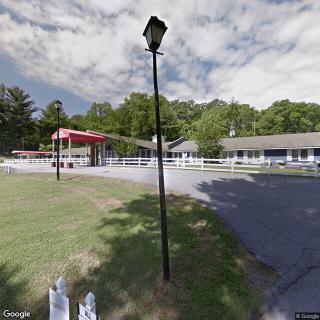
 Broad range of amenities and care services.

 Assisted Living Support for Veterans: A Complete and Detailed Overview
 Exploring the Contrasts Between Assisted Living and Skilled Nursing
 8 Key Indicators That Suggest It May Be Time to Transition from Assisted Living to Skilled Nursing Care