
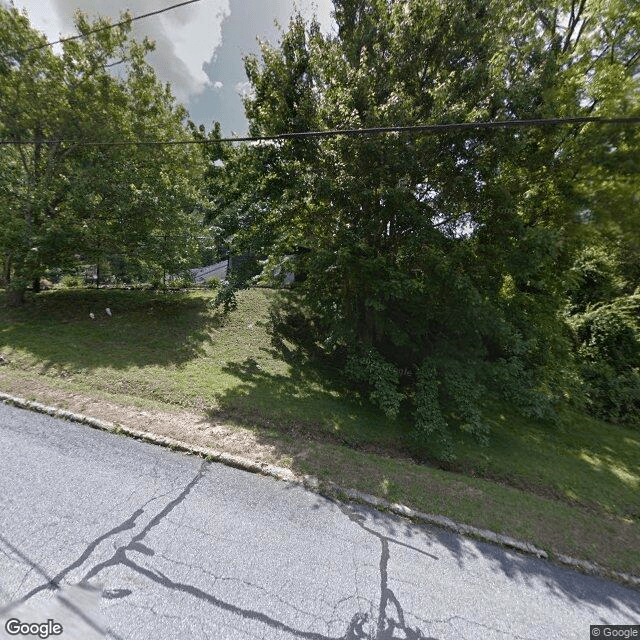
67 Mountain Brook Road, Asheville, NC 28805
For more information about senior living options: (866) 208-4318
Chunn's Cove Assisted Living Costs & Pricing
Chunn's Cove Assisted Living offers competitive pricing for its residents, especially when compared to broader regional costs. For a semi-private room, the monthly rate is $1,825, which significantly undercuts the average rates in Buncombe County ($3,859) and throughout North Carolina ($3,584). Similarly, their studio accommodations are priced at $2,500, again offering a more affordable option than the county's average of $4,734 and the state's average of $4,020. This makes Chunn's Cove not only an appealing choice for those seeking assisted living but also a financially savvy one in comparison to surrounding alternatives.
| Floor plans | Chunn's Cove Assisted Living | Buncombe County | North Carolina |
|---|---|---|---|
| Semi-Private | $1,825 | $3,859 | $3,584 |
| Studio | $2,500 | $4,734 | $4,020 |
Assisted Living communities with a similar price nearby
-
About the same
Silver Bluff Village
$1,800 to $3,000 / month21.6 miles away -
from -$325 / mo
Marjorie Mc Cune Memorial Center
$1,500 to $2,175 / month9.4 miles away -
from -$75 / mo

Hominy Valley Retirement Center
$1,750 to $2,700 / month12.1 miles away
Overall Review of Chunn's Cove Assisted Living
Pros
 Management, staff, and residents are great.
- The administrator really cares about the level of care the residents receive.
- The administrator puts in 200 percent of herself into maintaining and improving not just for the residents but also their families as well as her staff.
- God bless you Becky!
Cons
 The facility mistreated residents from day one and confiscated their wallets for personal use.
- Bed bugs, mold, and doors left open at all times were reported.
- Family members were refused access and threatened with police.
- A resident allegedly lay in bed for two days before passing away without anyone checking on him.
- There are accusations of abuse and unauthorized financial transactions to bank accounts when Medicaid should have paid for their stay.
- The food is consistently cold, toilets are dirty, showers are cold, meals are not served on time, and residents feel caged.
- The staff are described as unqualified, with allegations of improper medication administration and pocketing narcotics.
- Medications were habitually late or not given on time, and pay/hours for staff were routinely mishandled.
- The facility is urged to be shut down, described as unsafe, unprofessional, and dirty.
Review
Chunn’s Cove Assisted Living in Asheville is best suited for families that are extraordinarily budget-conscious and prepared to take an active, ongoing role in oversight. This community is not a good fit for residents who require dependable, professionally consistent care, nor for families who expect transparent operations, stable staffing, and reliable safety. The strongest signal from the feedback is a pattern of severe care gaps, with a clear message: risk tolerance must be high and advocacy must be constant. For those who cannot commit to daily monitoring, alternative options with steadier staffing, better training, and firmer safeguards are highly advisable.
Clearly, some families will want to consider alternatives if the goal is predictable quality and safety. Facilities with established licensing and regular state inspections, stronger medication management, and consistently clean environments are worth pursuing. In Asheville, the track record here raises red flags that are hard to overlook for seniors with mobility issues, cognitive impairments, or complex medical needs. Any decision-maker should prioritize a setting where staff are sufficiently trained, perform adequate rounds, and maintain reliable hygiene and maintenance standards, criteria that appear unevenly met at this community.
The few positives that emerge from the narratives revolve around dedicated individuals who still strive to deliver care. The administrator who “really cares about the level of care” and the notion that some staff, residents, and families experience workable relationships indicate that genuine compassion exists within the walls. When present, these elements can make a meaningful difference in daily life and provide a lifeline for families who can intervene constructively. However, such bright spots are sporadic and cannot counterbalance the breadth and severity of documented shortcomings.
The dominant concerns, by contrast, paint a distressing picture of daily life for residents. Reports describe mistreatment, alleged financial misconduct, and unauthorized access to resident funds. Clinical lapses are repeatedly cited: late or missed medications, unlicensed staff administering drugs, and questionable nursing oversight. Hygiene and cleanliness appear to be recurring issues, with complaints about bedsores, dirty facilities, and equipment in disrepair. Medication timing problems, a lack of formal training, and staff being overextended due to understaffing translate into tangible risks to safety and well-being. The environment is described as unwelcoming and, in some cases, unsafe, with stubborn maintenance and governance problems that undermine trust.
Whether the occasional positive interactions offset the significant drawbacks is a question of risk calculus. In practice, the pros, compassionate, engaged individuals when they show up, and a few staff who are clearly trying, do not neutralize persistent failures in core caregiving functions. The most consequential elements, medication integrity, sanitary conditions, emotional and physical safety, and transparent, constructive communication with families, are where the cons overwhelmingly dominate. For families with even modest medical or behavioral needs, the cost of choosing this community is measured in frequent alarms and the fear of inadequate oversight rather than in any nets of dependable protection.
The bottom line is directional: this community should be approached with extreme caution and only after exhaustive due diligence and protective arrangements. Prospective residents and families should demand comprehensive, verifiable assurances on licensing status, staffing ratios, and ongoing training; demand evidence of adherence to medication protocols and incident reporting; and insist on detailed plans for infection control, housekeeping schedules, and maintenance responsiveness. On-site visits should be extended, with conversations held with current residents and families about day-to-day routines, safety practices, and how emergencies are managed. If these guardrails cannot be met, the sensible conclusion is to look elsewhere in Asheville for a setting that delivers consistent care, safety, and dignity without the constant undercurrent of risk. For most families, that means prioritizing facilities with demonstrable stability, transparent operations, and a track record of reliable, professional caregiving.
 67 resident community capacity
 Assisted Living
 Respite Care
 Activities on-site
 Air-conditioning
 Beauty salon
 Cable or satellite TV
 Computer center
 Devotional services off-site
 Dining room
 Fitness room
 Fully furnished
 Gaming room
 Garden
 Housekeeping services
 Indoor common areas
 Kitchenette
 Move-in coordination
 Outdoor space
 Private bathrooms
 Restaurant-style dining
 Small library
 Telephone
 Wellness center
 Wi-Fi/high-speed internet available
 Asheville Regional (12 miles away)
 Community operated transportation
 12-16 hour nursing
 24-hour call system
 Ambulatory care
 Assistance with bathing
 Assistance with dressing
 Assistance with transfers
 Diabetes diet
 Diabetic care
 Medication management
 Mental wellness program
 Special dietary restrictions
 Concierge services
 Planned day trips


 Comprehensive Insights into Activities of Daily Living (ADLs) and Their Assessment
 Medicare Coverage for Assisted Living: An In-Depth Exploration
 Your Comprehensive Guide to Luxury Assisted Living: Elevated Facilities, Amenities, and Costs