
4545 S. Mission Rd #69, Tucson, AZ 85746
To contact a resident: (520) 807-3131
For more information about senior living options: (866) 208-4318
Tender Haven Costs & Pricing
Tender Haven offers competitive pricing for its accommodations when compared to both Pima County and the state of Arizona. For semi-private rooms, Tender Haven charges $2,300 per month, significantly lower than the county average of $2,805 and the state average of $2,820. Similarly, for private rooms, Tender Haven's rate of $2,800 is more affordable than the county's $3,332 and the state's $3,345. This positioning not only makes Tender Haven an attractive option for potential residents seeking quality care but also highlights its commitment to providing accessible living solutions within a thriving community context.
| Floor plans | Tender Haven | Pima County | Arizona |
|---|---|---|---|
| Semi-Private | $2,300 | $2,805 | $2,820 |
| Private | $2,800 | $3,332 | $3,345 |
Senior living communities with a similar price nearby
-
from -$100 / mo
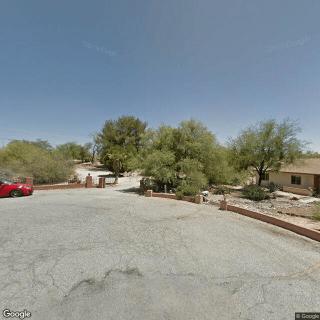
Abuelos At La Canada
$2,200 to $2,800 / month10.0 miles away -
from -$450 / mo

Connie's Manor Home
$1,850 to $2,300 / month11.7 miles away -
About the same

Northwest Assisted Living
$2,300 to $2,500 / month11.2 miles away -
from -$100 / mo

Gentlemen's Inn I
$2,200 / month11.2 miles away -
from +$200 / mo
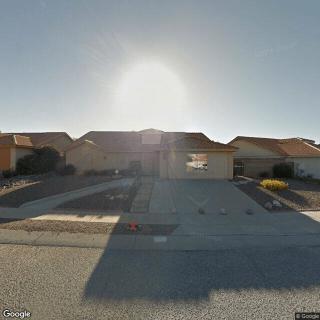
Grace Home I
$2,500 to $3,200 / month11.2 miles away
Overall Review of Tender Haven
Pros
 Sue was kind.
Cons
 Sue is no longer licensed.
- She cannot accept aid from the VA or state.
- This would not work.
Review
Tender Haven in Tucson, AZ is best for families seeking a small, intimate care relationship where a single caregiver can deliver highly personalized attention and a flexible daily rhythm. The service model appears to lean on private-pay arrangements rather than formal VA or state funding, putting control of services and costs directly in the family’s hands. For seniors who prize warmth, steady companionship, and a high-touch approach over institutional scale, Tender Haven can feel like the right fit. It’s not a large, nurse-led campus; it is a personal setup built around one primary caregiver who knows the resident’s routines, preferences, and quirks.
Care seekers who require licensed clinical oversight, regular professional nursing, or eligibility for VA or state assistance should consider stronger alternatives. Facilities with licensed staff, on-site nurses, and established pathways for benefits provide regulatory protections, standardized care plans, and formal oversight that Tender Haven’s current model does not clearly demonstrate. For families navigating VA pensions, Medicaid waivers, or state-funded programs, pursuing providers with clear benefit eligibility reduces risk, delays, and financial ambiguity, and it tends to support more consistent care if health needs escalate.
The strongest positive note is the caregiver’s kindness. Sue’s warmth and attentiveness are repeatedly cited as meaningful comfort in everyday interactions, creating a sense of trust that can be hard to find in care settings. The decisive drawback is Sue’s loss of licensure, which brings with it questions about who is legally authorized to provide care and under what standards. More critically, the inability to accept VA or state aid locks families into private-pay arrangements, increasing ongoing costs and exposing them to potential disruptions if the caregiver changes or if financial circumstances shift. In practical terms, emotional rapport exists, but essential safeguards and funding options are limited.
With only one review and a three-star rating, the data pool is too small to establish reliability, yet it signals a cautious stance. A non-licensed model raises red flags about regulatory compliance, background checks, and formal supervision. If care needs intensify or chronic conditions require routine clinical oversight, the absence of licensed staff becomes a material risk. Prospective families should probe who supervises day-to-day care, what training is documented, and whether any third-party agencies provide oversight or backup coverage. The current impression tilts toward warmth and flexibility rather than measurable care standards, which matters when health changes occur.
To evaluate properly, several concrete questions deserve clear answers. Is any licensing or professional certification current, and who holds it? What level of medical oversight exists, if any, are nurses or certified aides available, and what credentials do they hold? How are medications managed, emergencies handled, and care plans updated? What is the exact pricing, which services are included, and are there penalties for changes or late payments? Is there a written care plan with regular reviews, and how often is it updated? Finally, is there a path to licensure or a partnership with a licensed agency if needs evolve? A site visit and references from current clients will help finalize the judgment.
Tender Haven can be a solid fit for families prioritizing warmth, personal attention, and straightforward private-pay arrangements, provided there is comfort with the absence of licensed clinical oversight and lack of beneficiary funding options. For those requiring regulated care, active benefit eligibility, or guaranteed staff supervision, alternatives, larger assisted living communities or providers with licensed operations, are the prudent path. The right choice depends on balancing emotional comfort against regulatory safeguards and financial predictability. In Tucson’s market, Tender Haven warrants careful consideration, but only when the family is prepared to accept its particular funding and oversight landscape and to plan for potential changes in care needs over time.
 Board and Care Home
 Private
 Tucson International (5 miles away)
 Diabetic care





 Fecal Incontinence in Older Adults: A Comprehensive Guide
 Recognizing the Journey: Understanding and Navigating Anticipatory Grief
 Encouraging Participation in Adult Day Care: A Guide to Supporting a Hesitant Parent