
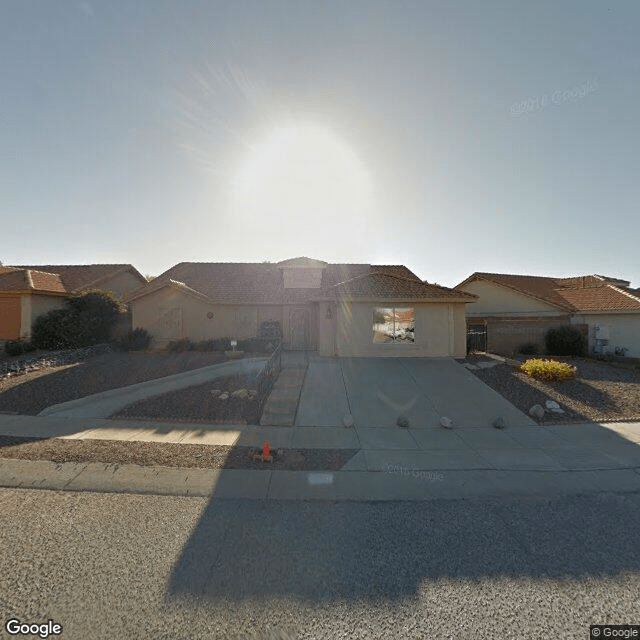
2261 S Quail Hollow Drive, Tucson, AZ 85710
To contact a resident: (520) 396-3746
For more information about senior living options: (866) 208-4318
Grace Home I Costs & Pricing
Grace Home I offers competitive pricing for its residents, particularly when compared to both Pima County and the broader Arizona state averages. For those seeking semi-private accommodations, Grace Home I's rate of $2,500 is notably lower than the county average of $2,805 and the state average of $2,820, providing an appealing option for budget-conscious families. Similarly, in the private room category, Grace Home I charges $3,200, which is more affordable than Pima County's average of $3,332 and Arizona's statewide average of $3,345. This advantage not only reflects Grace Home I's commitment to making quality care accessible but also positions it as a valuable choice for individuals looking for supportive living arrangements in a cost-effective manner.
| Floor plans | Grace Home I | Pima County | Arizona |
|---|---|---|---|
| Semi-Private | $2,500 | $2,805 | $2,820 |
| Private | $3,200 | $3,332 | $3,345 |
Senior living communities with a similar price nearby
-
from +$300 / mo

Abella Manor Senior Care, LLC
$2,800 to $3,200 / month2.3 miles away -
from -$300 / mo
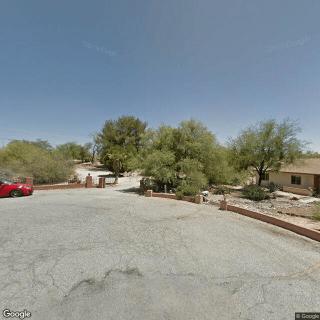
Abuelos At La Canada
$2,200 to $2,800 / month13.5 miles away -
from -$200 / mo
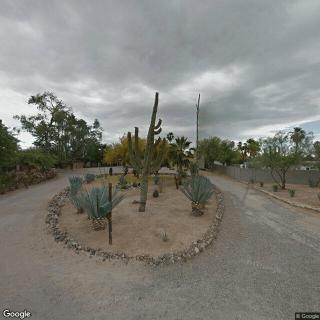
Northwest Assisted Living
$2,300 to $2,500 / month14.9 miles away -
from -$300 / mo

Gentlemen's Inn I
$2,200 / month2.1 miles away -
About the same
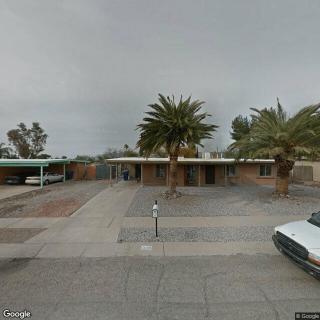
Elder Care and More
$2,500 to $3,810 / month1.7 miles away
Overall Review of Grace Home I
Pros
 Grace Home is a very clean and cheery place.
- The owner is a wonderful, caring person.
- The staff take very good care of residents.
- The service at Grace Home is good.
- The food provided is close to home cooking and smells appealing.
- The community is kept very clean and offers many activities.
- The staff are very nice to residents.
Cons
 Grace Home charged extra to care for her, even though the charges were supposed to be temporary.
Review
Grace Home I in Tucson is best suited for seniors who want a warm, home-like setting with demonstrable daily care, strong cleanliness standards, and an operator-led touch. This community works well for residents who value attentive staff, predictable routines, and meals that lean toward comfort-food favorites. The environment rewards social engagement and personal connections, with multiple activities and regular opportunities to mingle in a supervised, cheerful space. Families seeking a small, personable operation rather than a large corporate campus will find Grace Home I aligns with a hands-on approach where the owner-operator’s presence translates into consistent, reliable oversight.
Those considering alternatives should weigh Grace Home I against options with deeper medical resources or dementia-specific programming. If a senior requires intensive clinical oversight, complex wound care, or highly specialized memory-care services, a larger or more medically equipped facility may be more appropriate. Prospective residents who prioritize formalized care plans, pharmacy management on site, or frequent nurse-assisted rounds might find other communities better suited to medical needs. Additionally, families sensitive to costs or potential add-on charges should scrutinize the billing structure, as one review notes a temporary extra fee for caregiver visits.
The strongest positives begin with the consistent sense of well-being fostered by cleanliness, a bright atmosphere, and the genuine kindness of staff. The meals read as homestyle and nourishing, with residents often displaying good appetite and weight gain, underscoring effective nutrition. The staff’s warmth translates into tangible benefits: residents socialize readily in common spaces, caregivers anticipate individual preferences, and transitions for family members feel seamless thanks to clear communication and approachable leadership. A central advantage is Norma’s leadership, described as genuine and caring, whose hands-on management helps staff stay aligned with residents’ routines and family expectations.
Activity offerings are another standout, providing diverse, approachable options that keep residents engaged without feeling overwhelmed. Observers note that residents frequently move from their rooms to the activities area, signaling meaningful opportunities for social interaction and cognitive engagement. The combination of tasty, home-inspired cooking and regular social programming helps residents stay connected to daily life, which in turn supports mood and overall satisfaction. For families, this continuity and consistency translate into confidence that their loved one is not merely cared for, but genuinely engaged in meaningful daily living.
However, a practical lens is essential: the small, owner-operated model can mean varied availability of highly specialized clinical services, and charges beyond basic care may crop up in certain circumstances. The strongest defense against these concerns lies in transparent conversations upfront, clarifying what is included in the base rate, what activities incur additional fees, and how outside caregiving is managed. Prospective residents should tour the facility with specific questions about medical support, medication administration, and the staff-to-resident ratio. If the goal is robust social programming, home-like meals, and hands-on leadership, Grace Home I delivers. If medical complexity or dementia-specific protocols dominate care needs, explore complementary options to ensure comprehensive coverage.
 Board and Care Home
 Activities off-site
 Air-conditioning
 Bath tubs
 Beautician on-site
 Cable or satellite TV
 Devotional services off-site
 Full kitchen
 Ground floor units
 Indoor common areas
 Outdoor common areas
 Private
 Private bathrooms
 Respite or short term stays offered
 Wheelchair accessible showers
 Wi-Fi/high-speed internet available
 Tucson International (9 miles away)
 Diabetic care
 High acuity care
 Incontinence care
 Medication management
 Anytime dining
 Cards / pinochle club
 Catholic services
 Day trips and outings
 Happy hour
 Live musical performances
 Resident band or musicians
 Walking club


 Caring for Those Who Care: Recognizing, Understanding, and Overcoming Caregiver Burnout
 Caregiver Exhaustion: Recognizing the Signs and Restoring Your Well-Being
 Understanding Hospice Care at Home: Comprehensive Services, Key Benefits, and Eligibility