
2290 South Quail Hollow Drive, Tucson, AZ 85710
For more information about senior living options: (866) 208-4318
Overall Review of Santo Nino Adult Care Home
Pros
 The place feels like a home away from home.
- The staff show caring love and treat residents like family.
- The facility is clean and always smells like home-cooked meals.
Review
Santo Nino Adult Care Home in Tucson, AZ is best suited for families seeking a small, homelike setting where an elderly loved one can receive highly attentive, family-style care from staff who treat residents as part of the clan. It excels for individuals who prioritize warmth, familiar routines, and a sense of belonging over the anonymity and busier pace of larger communities. The emphasis on a home atmosphere, where care feels personal, intimate, and consistently kind, often translates into steadier emotional well-being and easier daily adjustment for residents who thrive on predictable, gentle daily rhythms.
Those who may want to consider alternatives include families needing robust clinical oversight or a wide range of medical and therapeutic services on-site. If 24/7 nursing staffing, highly specialized memory care, extensive activities programming, or dense social calendars are non-negotiable, a larger assisted living campus or a skilled nursing facility with formal medical teams might be a better fit. In cases where a loved one requires aggressive rehabilitation, complex wound care, or intensive monitoring, the scope of a small home-like setting may fall short.
The strongest pros center on the authentic, home-like experience. The environment is described as clean and comfortable, with a home-cooked ambiance that permeates daily life. This translates into tangible benefits: residents are likely to feel safe, valued, and less isolated, thanks to consistent, familial interactions that resemble a trusted household rather than a clinical setting. The sense of being cared for “like family” also fosters trust with caregivers, which can reduce frustration for both residents and families and simplify day-to-day care coordination, from meal routines to personal assistance.
Given the absence of explicitly noted drawbacks in the available review, it is essential to acknowledge the implicit trade-offs of small-home settings. A community of this nature typically operates with a leaner care team and a narrower program slate than larger facilities, which can limit on-site access to certain medical specialists, structured activities, or advanced therapeutic services. Prospective families should verify licensing status, caregiver-to-resident ratios, and the availability of on-call medical professionals, as well as the facility’s policies for emergency response and care planning. These checks help ensure that the warmth and cleanliness do not come at the expense of timely, appropriate medical attention.
The balancing act favors the home-centric strengths when memory or mood stabilization benefits from familiar surroundings and steady caregiving rhythms. The emotional security created by a setting that feels like a trusted home can offset potential gaps in formal programming, particularly for residents who prize continuity, privacy, and consistent staff relationships. For families prioritizing dignity, personalized attention, and a low-stress living environment, Santo Nino delivers a compelling value proposition that can meaningfully improve daily quality of life.
In conclusion, Santo Nino Adult Care Home stands out for seniors who want to be treated as part of a family unit within a clean, comforting, home-like framework. It is an excellent match for those who value intimate, reliable care and a predictable routine over expansive facilities or intensive clinical services. Families should consider alternatives if medical complexity, broad activity offerings, or robust on-site healthcare infrastructure are non-negotiable requirements. A prudent next step is to schedule a thorough visit, ask precise questions about staffing, meal planning, medical supervision, emergency protocols, and resident autonomy, and compare these factors against the specific care needs and preferences of the loved one.
 10 resident community capacity
 Assisted Living
 Board and Care Home
 Cable or satellite TV
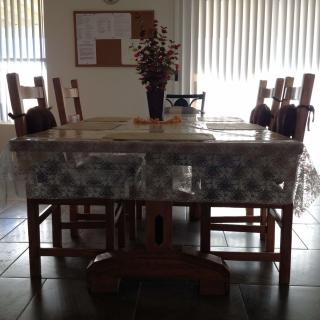
 Dining room
 Fully furnished
 Garden
 Housekeeping services
 Move-in coordination
 Outdoor space
 Telephone
 Wi-Fi/high-speed internet available
 Tucson International (9 miles away)
 24-hour supervision
 Activities of daily living assistance
 Assistance with bathing
 Assistance with dressing
 Assistance with transfers
 Diabetes diet
 Meal preparation and service
 Medication management
 Special dietary restrictions
 Transportation arrangement (medical)
 Transportation to doctors appointments


 Comprehensive Insights into Activities of Daily Living (ADLs) and Their Assessment
 Guiding Elderly Parents Who Refuse Assisted Living: 6 Practical Steps
 Your Comprehensive Guide to Luxury Assisted Living: Elevated Facilities, Amenities, and Costs