
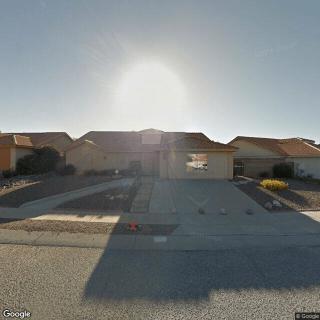
2302 South Quail Hollow Drive, Tucson, AZ 85710
For more information about senior living options: (866) 208-4318
Overall Review of St. Anthony's Adult Care Home
Pros
 The care home is wonderful.
- It has a loyal, experienced, and caring staff.
- They went above and beyond in the care of residents.
- The owner/manager is very experienced and knowledgeable in elderly care.
- People would recommend this care home to anyone.
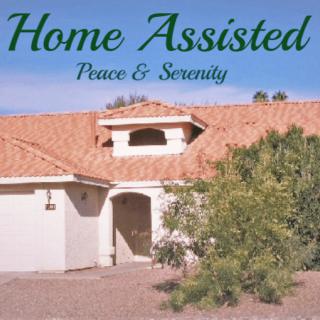
- It looks like a nice place.
Cons
 The staff member answering the phone was frustrated with the caller, and the call cut off briefly, leaving the caller without the full phone number.
Review
St. Anthony's Adult Care Home in Tucson is best suited for families seeking an intimate, person-centered setting where a small, loyal staff delivers consistent, hands-on care to seniors who don’t require high-acuity medical services. The standout asset is the people: a tightly knit team that stays with residents and a manager who brings substantial experience to elderly care. This combination translates into a steady routine, attentive supervision, and a sense of stability that many families prize in the transition to assisted living-level support. The environment is described as welcoming and neat, with residents seemingly well cared for and staff consistently reachable in daily operations.
Given those strengths, alternatives become relevant for certain needs. For residents who require more intensive medical oversight, complex medication management, or a formal memory-care program, a larger facility with on-site medical staff and structured activities may be a better match. Similarly, families who place high importance on first-point contact responsiveness and frictionless information gathering during initial inquiries may prefer providers with more streamlined front-desk processes. In short, St. Anthony’s excels in caregiving warmth and continuity, while its intake dynamics and medical scalability are the factors where some families might want to look elsewhere.
On balance, the pros align strongly with the core mission of a small, caregiver-focused home. The staff’s loyalty and experience shine through in patient care that goes beyond the day-to-day tasks. Descriptions of care include going above and beyond for loved ones, which is critical when choosing a place for long-term support. The owner/manager’s depth of knowledge in elderly care provides a backbone for reliable policies and consistent caregiving. When a resident needs watchful, respectful supervision, this leadership and the staff’s commitment become tangible advantages that can offset the limitations often found in smaller settings.
The principal caveat centers on a single negative contact experience during a phone inquiry. One reviewer reported frustration with how information was handled over the phone when a full number was not readily provided. That moment matters, because it shapes initial impressions and can color the early decision-making process. While this issue appears isolated and not reflective of day-to-day caregiving, it is a reminder that front-desk responsiveness and clear communication at first contact are still crucial. For families evaluating this home, it’s prudent to test responsiveness in multiple touchpoints and to request direct confirmation of details in writing to avoid ambiguity.
Despite that hiccup, the positive feedback from other families remains compelling. Three of four reviews rate the community at the top end, with comments about loyal, experienced staff and a manager who understands what elderly care requires. The testimonial that the team “went above and beyond” signals not just adequate care, but a level of attentiveness that makes daily life more comfortable for residents and less stressful for families. A pleasant physical environment, described as “nice” and conducive to a homelike atmosphere, further supports a decision toward this option when the priority is a small, personable setting with visible caregiver dedication.
For families weighing options, St. Anthony’s represents a practical, human-centered choice for seniors who value consistent caregiving, strong leadership, and a warm, manageable environment. It is not the best fit for those who must have extensive medical services or who require highly polished intake processes from the outset. The strength of the staff and owner-manager guidance can deliver meaningful peace of mind, especially for residents who thrive under close supervision and personalized attention. Proceed with a visit, request to speak with the owner, observe interaction patterns, and confirm medication support structures. If those align with needs and expectations, this community stands out as a solid, thoughtfully composed option in Tucson.
 5 resident community capacity
 Assisted Living
 Board and Care Home
 Cable or satellite TV
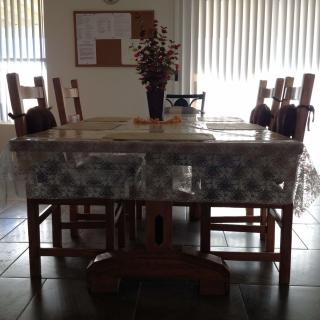
 Dining room
 Fully furnished
 Garden
 Housekeeping services
 Move-in coordination
 Outdoor space
 Telephone
 Wi-Fi/high-speed internet available
 Tucson International (9 miles away)
 24-hour supervision
 Activities of daily living assistance
 Assistance with bathing
 Assistance with dressing
 Assistance with transfers
 Diabetes diet
 Meal preparation and service
 Medication management
 Special dietary restrictions
 Transportation arrangement (medical)
 Transportation to doctors appointments

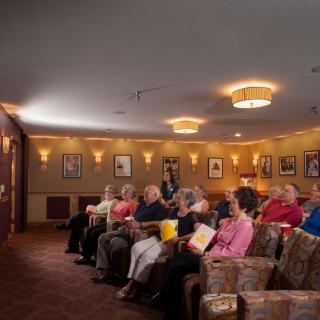
 Beyond the Bingo Hall: 50+ Enriching Activities for Seniors in Assisted Living
 Understanding the Distinctions: Assisted Living and Memory Care Explained
 Guiding Elderly Parents Who Refuse Assisted Living: 6 Practical Steps