
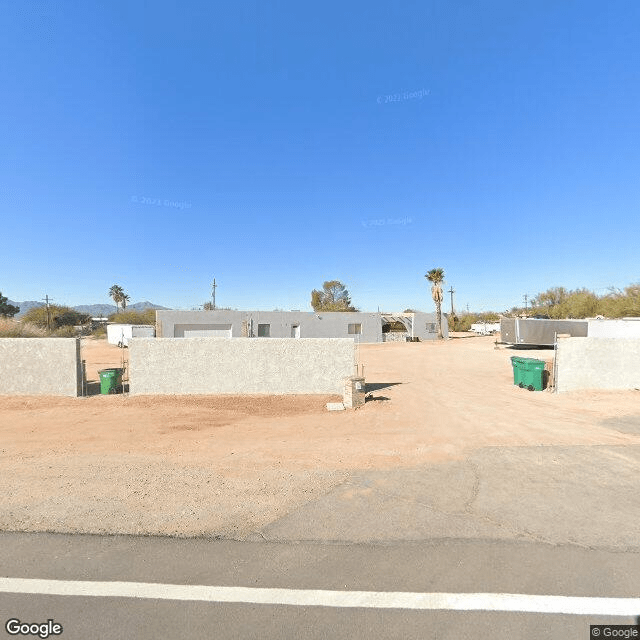
7161 North Mona Lisa Road, Tucson, AZ 85741
For more information about senior living options: (866) 208-4318
Connie's Manor Home Costs & Pricing
Connie's Manor Home offers competitive pricing for its room types compared to both Pima County and the broader state of Arizona. The cost for a semi-private room at Connie's facility is $1,850 per month, significantly lower than the county average of $2,805 and the state average of $2,820. Similarly, for those seeking greater privacy, the private room option at Connie's is priced at $2,300 per month, which again stands in stark contrast to Pima County's average of $3,332 and Arizona's average of $3,345. This positioning not only underscores Connie's commitment to providing affordable care but also highlights its appeal to families seeking quality housing solutions that fit within their financial means.
| Floor plans | Connie's Manor Home | Pima County | Arizona |
|---|---|---|---|
| Semi-Private | $1,850 | $2,805 | $2,820 |
| Private | $2,300 | $3,332 | $3,345 |
Assisted Living communities with a similar price nearby
-
from +$350 / mo
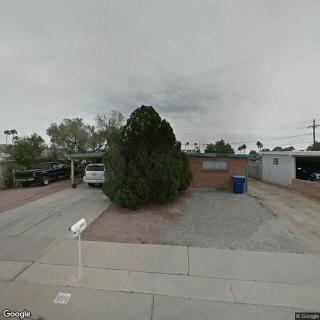
Gentlemen's Inn I
$2,200 / month14.1 miles away -
from +$278 / mo
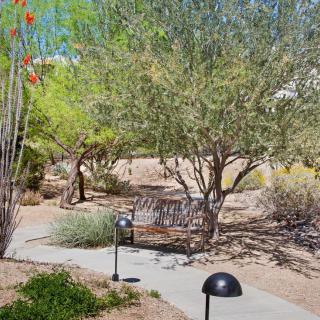
Sunrise at River Road
$2,128 to $3,530 / month4.4 miles away -
from -$205 / mo

Fellowship Square at Tucson
$1,645 to $2,235 / month14.2 miles away -
from -$100 / mo
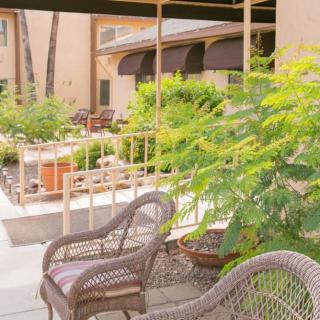
Sherwood Village Assisted Living & Memory Care
$1,750 to $2,450 / month14.2 miles away -
from +$250 / mo
Oasis Assisted Living Center
$2,100 to $3,500 / month6.1 miles away
Overall Review of Connie's Manor Home
Pros
 ACOH has been a wonderful surprise for families.
- It is ALTECS-certified and offers a family-oriented environment with friendly, responsive staff.
- The facility is clean and well kept, with residents receiving lots of personal attention.
- Residents love the food.
- Families are highly pleased with the care provided for their loved ones.
- The Diaz family and their staff truly care for residents as if they are family.
- The facility is family-owned by genuinely caring people.
Cons
 The facility canceled its ALTECS contract and now only accepts private clients, which upset residents and families.
- The change was made abruptly, giving ALTECS residents just 60 days to find another facility.
- The change was framed as a way to charge higher fees, reportedly doubling what ALTECS was paying.
Review
This Tucson community is best suited for families seeking a truly home-like, intimate setting where seniors receive a high degree of personal attention and care. It excels for residents who thrive in a small-house environment, think about 10 or so residents, where staff become familiar with routines, preferences, and health quirks. The reviews consistently point to a warm, family-owned vibe, with memory-challenged individuals welcomed and accommodated. The daily experience centers on cleanliness, comfort, and a dining program that residents genuinely enjoy. In short, it’s a place where the senior years feel calmer, more manageable, and personally connected.
For families weighing options, certain realities push some toward alternatives. Those needing robust hospital-grade medical oversight, on-site nursing coverage around the clock, or a wide-scale activity calendar may prefer larger communities with spillover capacity. Relying on Arizona Long Term Care Services (ALTECS) funding used to grease the wheels for admission and ongoing care at this kind of home; the moment that financial framework shifts, the cost and stability calculus changes dramatically. Prospective residents should also consider whether a broader social network, more specialized dementia programming, or a formal memory-care track offered by bigger campuses would better fit their loved one’s needs.
The strongest positives here revolve around the human touch. A family-oriented, genuinely caring staff creates a sense of safety and trust that translates into better day-to-day well-being. Residents benefit from attentive handling, patient interactions, and consistent warmth from workers who treat families as partners. The facility’s upkeep, cleanliness, comfort, and a well-regarded meal program, adds tangible daily quality of life. The small size supports quick problem resolution, lower staff turnover, and a culture where residents are known by name. Importantly, the environment remains accepting of memory challenges, which is a pivotal advantage for those who require extra patience and tailored routines.
Yet the main con cannot be ignored: a policy shift that directly affects funding and admission. In March 2025, the facility canceled its ALTECS contract and moved to private-pay only, giving ALTECS residents 60 days to relocate with the stated aim of increasing fees. For families counting on ALTECS subsidies, this is a defining risk, potential displacement, budget shocks, and a forced timing squeeze. The small scale, while a strength for personalization, also means fewer on-site resources, more limited activity scope, and potentially slower access to advanced medical supports. These factors can blunt the appeal for seniors whose care needs evolve quickly or who require a broader integrative care network.
Despite the funding uncertainties, the positive core remains compelling. The intimate setting elevates daily living, less noise, fewer bureaucratic hurdles, and a rapid, collaborative approach to care planning when issues arise. The high level of personal attention can offset the downsides of a smaller social circle; families report that staff responsiveness and neighborly warmth often compensate for limited extracurricular programming. For memory care, the welcoming, patient stance plus ongoing caregiver involvement can produce a steadier routine and lower agitation, which in turn supports better overall health trends. The key for families is to quantify value against the budget and to prepare contingencies if funding shifts occur.
The practical conclusion is clear. Connie’s Manor Home, as depicted by these experiences, is a strong match for seniors who prize a home-like atmosphere, direct staff interaction, and a consistent sense of belonging, especially if the emphasis is on gentle, person-centered care within a small community. Prospective buyers should verify up-to-date funding arrangements, confirm access to any medical support needed, and assess how the private-pay model will impact long-term affordability. When visiting, probe for staffing levels, the cadence of daily activities, the clarity of care plans, and the facility’s process for handling medical or dietary changes. If these align, the result can be a remarkably satisfying balance of dignity, warmth, and practical daily living. For those who prioritize scale, medical depth, or steady ALTECS funding, alternatives with broader resources should be seriously considered.
 10 resident community capacity
 Assisted Living
 Board and Care Home
 Respite Care
 Cable or satellite TV
 Dining room
 Fully furnished
 Garden
 Housekeeping services
 Move-in coordination
 Outdoor space
 Private
 Telephone
 Wi-Fi/high-speed internet available
 Tucson International (16 miles away)
 24-hour supervision
 Activities of daily living assistance
 Assistance with bathing
 Assistance with dressing
 Assistance with transfers
 Diabetes diet
 Meal preparation and service
 Medication management
 Special dietary restrictions
 Transportation arrangement (medical)
 Transportation to doctors appointments





 Beyond the Bingo Hall: 50+ Enriching Activities for Seniors in Assisted Living
 Understanding the Distinctions: Assisted Living and Memory Care Explained
 Guiding Elderly Parents Who Refuse Assisted Living: 6 Practical Steps