At Park Senior Villas in La Cañada, the monthly cost for a one-bedroom unit is set at $2,800. This competitive pricing presents a significant advantage when compared to the broader market; within Pima County, similar accommodations average around $3,660 per month, and the statewide figure for Arizona stands at approximately $3,532. By offering an appealing rate that is considerably lower than both county and state averages, Park Senior Villas positions itself as an attractive option for seniors seeking comfortable living arrangements without compromising on quality or care.
Floor plans
Park Senior Villas - La Cañada
Pima County
Arizona
1 Bedroom
$2,800
$3,660
$3,532
Memory care communities with a similar price nearby
Families consistently describe staff as responsive, caring, and communicative.
Across many reviews, families say the staff made transitions easier and stayed in touch with questions and concerns. Several people mention nurse leadership and day-to-day caregivers helping residents feel safe, respected, and supported. Some reviews also highlight proactive communication, including follow-up and keeping families informed about needs and changes.
differentiator18 reviews mention this
Care level and staffing coverage
Residents and families point to reliable hands-on care and strong dementia support.
Multiple reviewers describe the community as a good fit after hospitalizations or when care needs increased, with staff helping with daily support and making settling-in feel manageable. In dementia and memory care contexts, reviews mention staff working with agitation and helping residents maintain routines, and at least one review specifically references a low resident-to-caregiver ratio with coverage day and night. A few negative reviews claim care plans were not followed and that there were breakdowns in staffing consistency, including during medication and overnight coverage.
common14 reviews mention this
Activities keep residents engaged
Activities come up often, with residents described as having things to do.
Many reviews mention an active calendar, including events, workshops, game days, and regular engagement that matched individual interests. Several families say their loved ones were occupied and enjoying activities after moving in. However, a smaller set of independent-living focused reviews say the number or variety of activities felt limited for their group compared with other parts of the community.
common12 reviews mention this
Meals and dining experience
Dining is a frequent topic, ranging from fresh meals to complaints about limitations.
Positive reviews describe fresh cooked meals, in-villa dining or room-friendly setups, and dining services that families say were fine. Residents who value being outdoors also connect meal routines with being able to enjoy their environment. On the other hand, some reviewers report dining limitations, including restricted options for eating with other residents, and at least one negative review says food quality was poor and staples were missing.
common10 reviews mention this
Villas, layout, and outdoor spaces
The small-villa layout and outdoor areas are repeatedly mentioned by families.
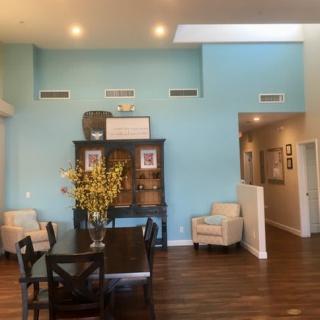
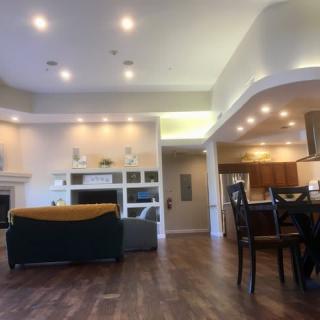
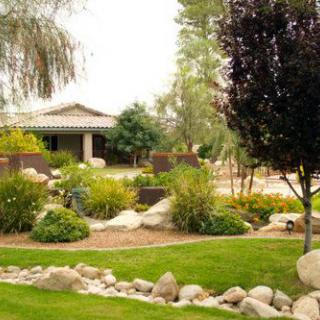
Several reviews describe the community as more like connected small homes than a single large facility, with groupings of residents in separate villas. Families mention private apartment features and common areas that feel welcoming, along with outdoor spaces that make it easier for residents to get fresh air and meet visitors. One review also notes a drawback in room and dining setup when transitioning to assisted living, suggesting space and meal arrangements may change depending on care level.
caveat3 reviews mention this
Concerns about care-plan follow-through
A minority of reviews raise serious concerns about care consistency.
A few critical reviews specifically allege that care plans were not followed and that staffing or oversight problems affected medication handling and resident safety. These reviews also describe communication barriers and poor resolution when issues were raised. While many other families report good daily care, the negative reviews show a clear need for families to ask detailed questions about care documentation and coverage.
How we summarize
Counts show how many written reviews mention each theme; a review can touch several themes, and only frequently mentioned themes are displayed.
Features
Types of Care
Assisted Living
Independent Living
Memory Care
Amenities
Activities on-site
Air-conditioning
Beautician on-site
Cable or satellite TV
Devotional services off-site
Devotional services on-site
Ground floor units
Indoor common areas
Kitchenette
Respite or short term stays offered
Wheelchair accessible showers
Wi-Fi/high-speed internet available
Transportation
Tucson International (15 miles away)
Care Services
Ambulatory care
Diabetic care
High acuity care
Incontinence care
Medication management
Dining
Anytime dining
Gluten-free
Guest meals
Low / no sodium
Meals provided
No Sugar
Room service
Vegan
Activities
Devotional activities offsite
Devotional activities on-site
Forever fit
Happy hour
Live dance or theater performances
Live musical performances
Other religious services
Stretching classes
Tai Chi
Visiting chaplain or priest
Yoga / chair yoga
Nearby Places of Interest
This part of Tucson, Arizona is a bustling and conveniently located neighborhood with a variety of healthcare options including physicians specializing in periodontal care, obstetrics and gynecology, family medicine, and dermatology. There are also several pharmacies nearby for easy access to medications. In terms of dining options, there are popular chain restaurants like Applebee's as well as local favorites such as Wildflower and Sushi Garden. For entertainment, there is the AMC Foothills 15 theater for movie buffs. Residents can enjoy the outdoors at nearby parks like Rilito River Park and Children's Memorial Park, or find spiritual enrichment at places of worship like Beautiful Savior Lutheran Church. Overall, this area offers a mix of healthcare services, dining establishments, entertainment options, and places for relaxation making it an ideal location for senior living.
At Park Senior Villas in La Cañada, the monthly cost for a one-bedroom unit is set at $2,800. This competitive pricing presents a significant advantage when compared to the broader market; within Pima County, similar accommodations average around $3,660 per month, and the statewide figure for Arizona stands at approximately $3,532. By offering an appealing rate that is considerably lower than both county and state averages, Park Senior Villas positions itself as an attractive option for seniors seeking comfortable living arrangements without compromising on quality or care.
Medication management at Park Senior Villas - La Cañada is crucial for residents with dementia or Alzheimer's, as it ensures that individuals receive their prescribed medications consistently and on schedule, minimizing the risk of missed doses or adverse interactions that could exacerbate cognitive decline. This structured approach not only supports the health and well-being of residents but also alleviates anxiety for families concerned about medication adherence. Incontinence care is another essential feature, providing dignity and comfort to residents who may struggle with this common issue. By offering specialized support in a compassionate manner, staff help maintain hygiene and comfort while fostering an environment where individuals feel secure and respected, thus enhancing overall quality of life for those experiencing memory impairments.
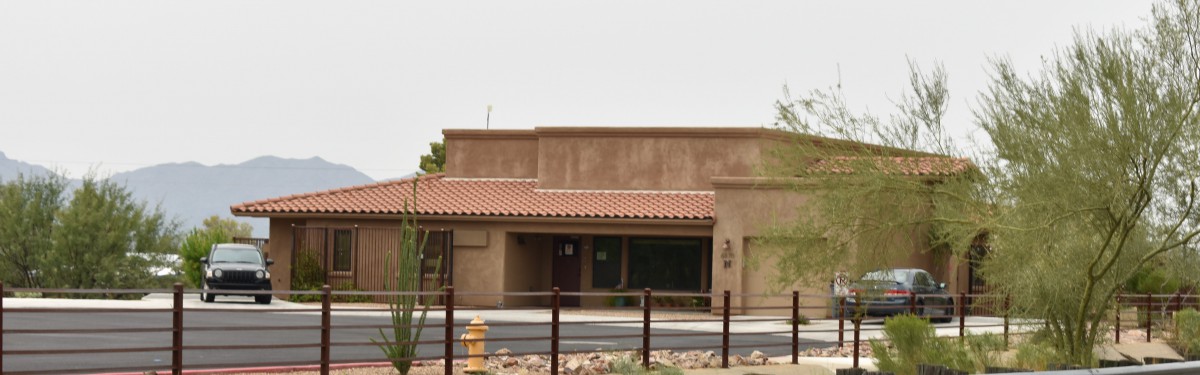
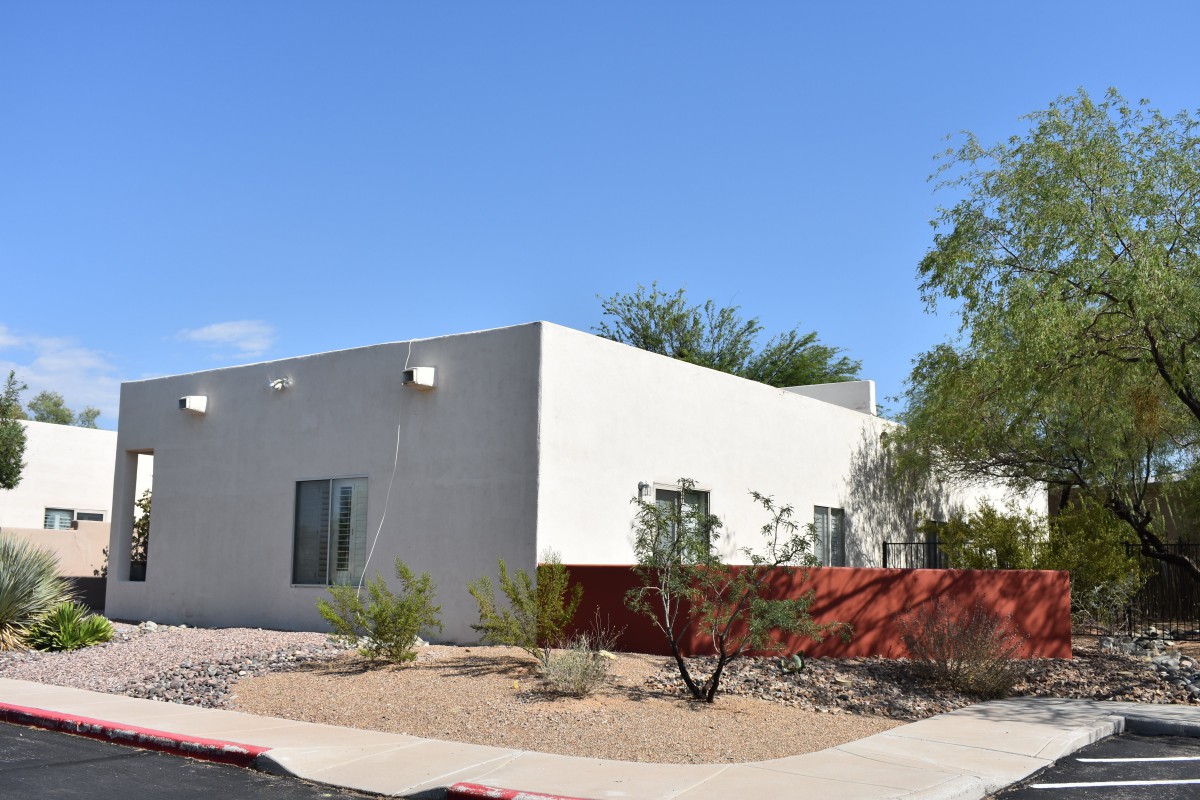
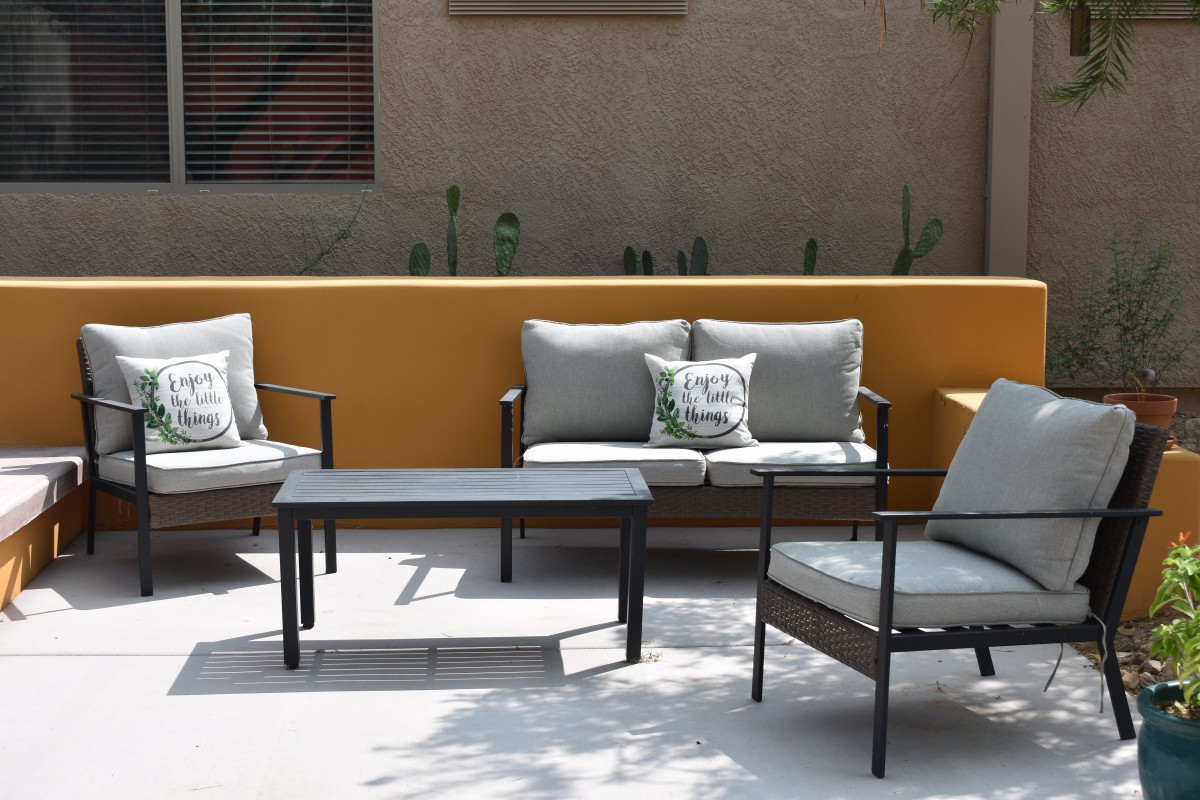
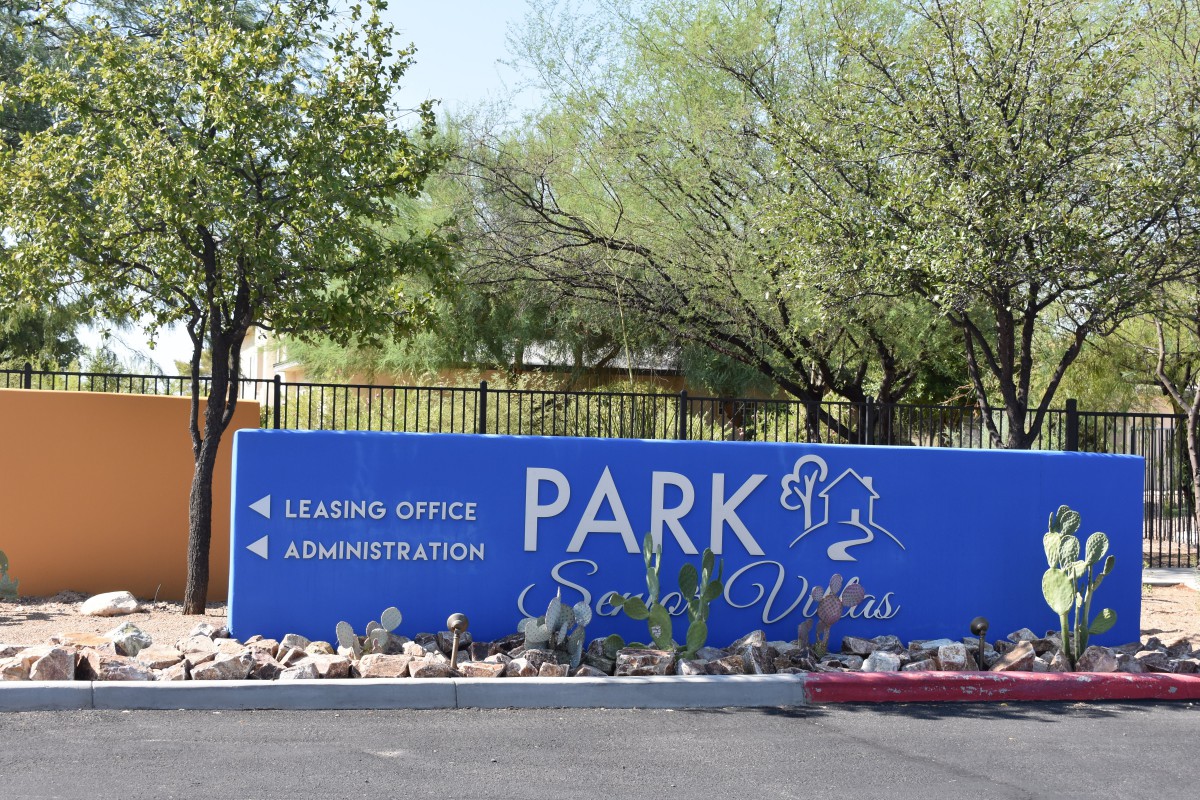
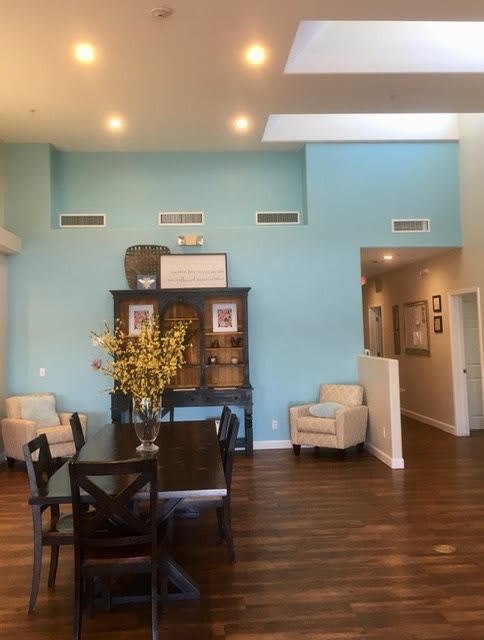
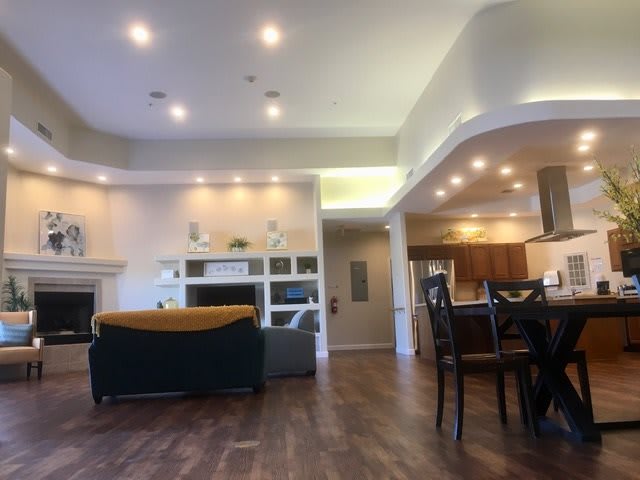
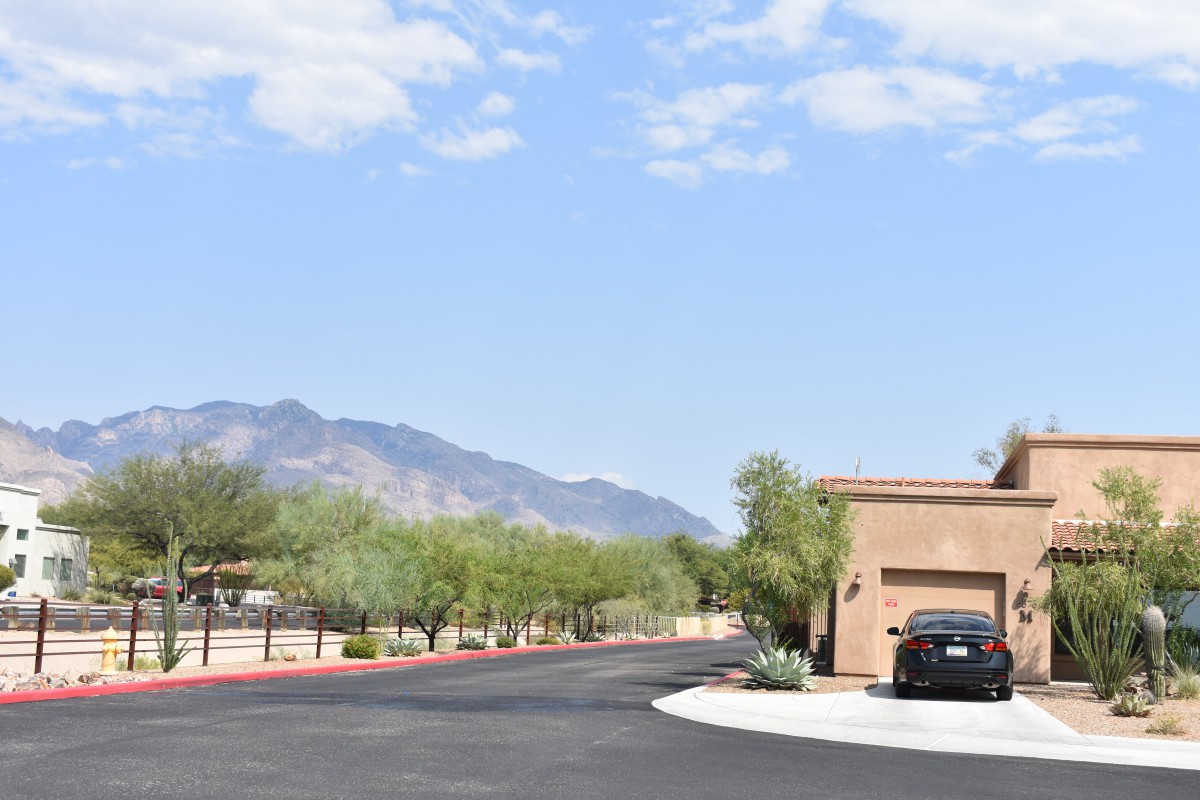
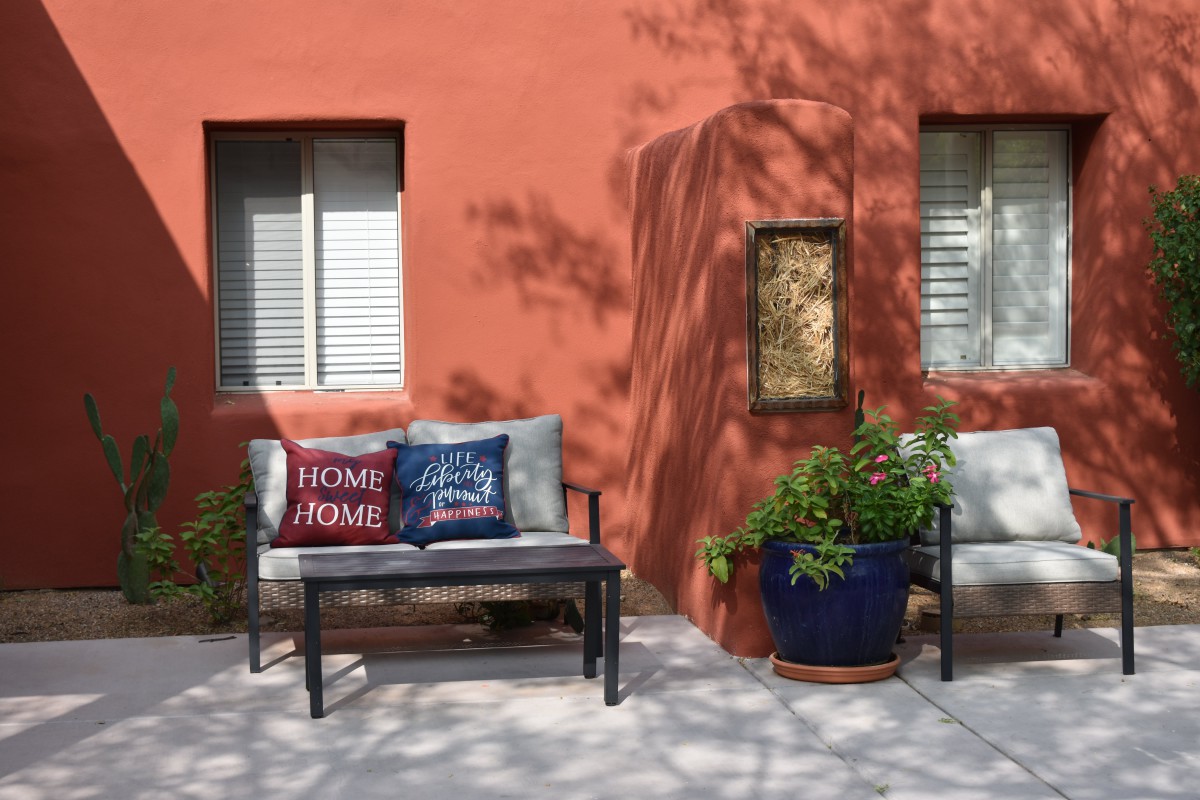
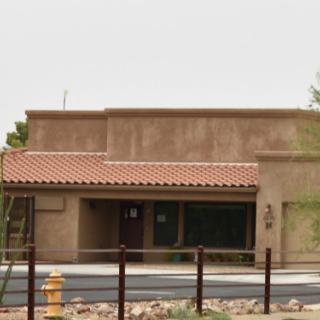
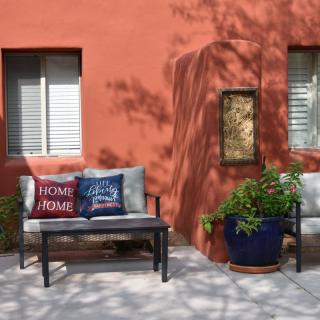
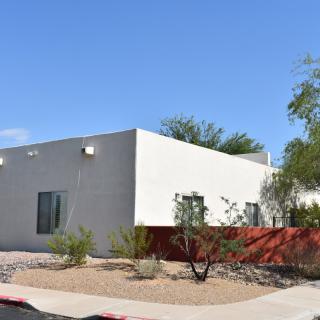
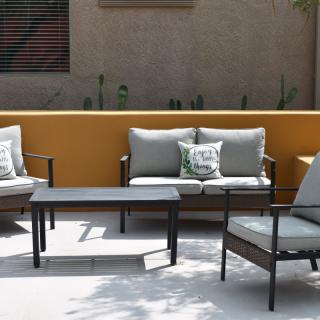
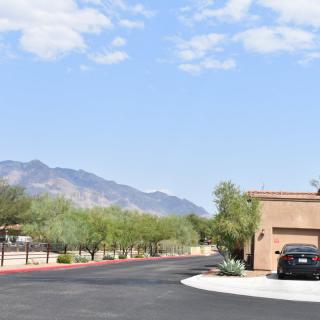
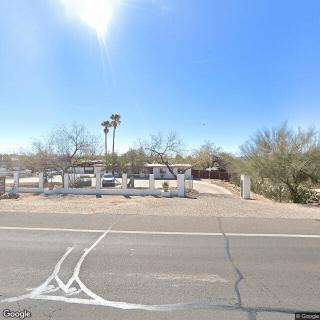
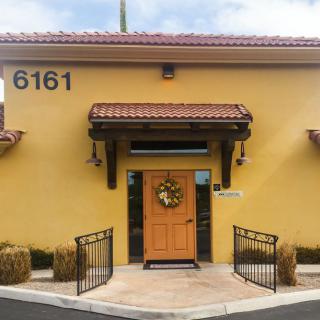
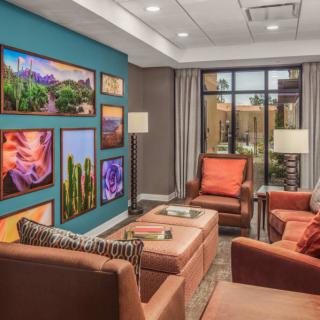
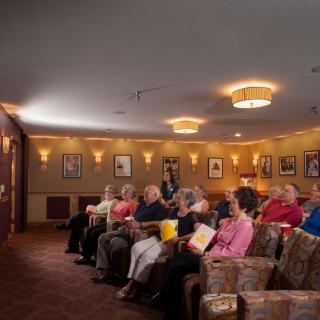
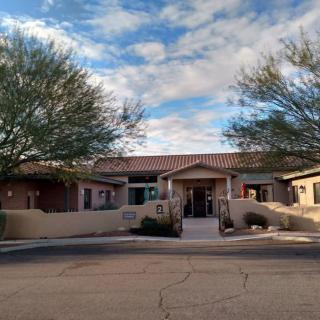
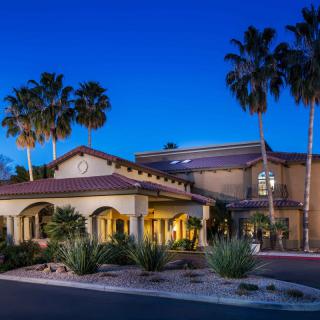
Park Senior Villas - La Cañada on seniors.fyi includes 9 photos including images showing trees, patio, building, outdoor, landscaping, interior, living room, dining, and more.
Nearby Communities
Villas At La Canada - The Villa A
Tucson, AZ
4.4 from 45 reviews
Small, personalized assisted living with fully furnished villas, meals, and transport for medical appointments.
Villas At La Canada - The Villa C
Tucson, AZ
4.4 from 45 reviews
Fully furnished assisted living with 24/7 supervision, medication management, diabetes-friendly meals, and move-in coordination, plus garden and social activities.
The Villas At La Canada - Villa M
Tucson, AZ
4.4 from 45 reviews
24/7 supervision with medication management, meals, and medical-appointment transport.
Fully furnished board-and-care with 24-hour supervision, meals, medication management, housekeeping, and transportation for medical appointments, plus outdoor/garden spaces.
The Villas At La Canada - Villa L
Tucson, AZ
4.4 from 45 reviews
Cozy, home-like board and care with personalized ADL support, diabetes-friendly meals, housekeeping, and transportation for medical appointments.
Emerine Hills Assisted Living
Tucson, AZ
1 from 2 reviews
$3,850 / month
Private rooms with private bathrooms and a broad range of on-site amenities and care services.
Bridgewater Assisted Living
Tucson, AZ
3.4 from 49 reviews
$3,000 to $5,500 / month
Nice outdoor spaces with a memory-care focus and competitive studio pricing.
Dementia encompasses a range of cognitive impairments characterized by types such as Alzheimer's and vascular dementia, and follows a seven-stage progression model known as the Global Deterioration Scale (GDS), highlighting varying symptoms and decline timelines. Early detection allows for lifestyle adjustments to potentially slow progression, while caregivers need support and resources to manage the challenges involved in caring for affected individuals.
The article presents eight strategies for preserving cognitive health and memory in older adults, emphasizing a nutrient-rich diet, regular exercise, intellectually stimulating activities, adequate sleep, social connections, stress management techniques, limiting harmful substances, and regular medical checkups to mitigate age-related memory decline.
Activities of Daily Living (ADLs) are fundamental tasks vital for an individual's independence, particularly in older adults over 85, and include functions like bathing and dressing; assessing ADLs alongside Instrumental Activities of Daily Living (IADLs) helps determine the level of required assistance due to age-related health challenges. Tailored support plans, involving family and community resources, are essential for maintaining dignity and autonomy in assisted living environments.
Kitchen, Dining Table, Modern Furniture, and Open Floor Plan
Seating Area and Outdoor Furniture
Outdoor
Patio
Parking
Fence
Modern Architecture
Road and Mountains
Get PricingAsk A QuestionSchedule A TourContact Senior Advisor
By clicking submit, you agree to our Partner's Terms of Use. You
also consent to receive calls and texts, which may be autodialed, from our Partner. Your consent is not a condition to
using our Partner's service. Please visit our Partner's Privacy Policy for information about their privacy practices.

 Assisted Living
 Independent Living
 Memory Care
 Activities on-site
 Air-conditioning
 Beautician on-site
 Cable or satellite TV
 Devotional services off-site
 Ground floor units
 Indoor common areas
 Kitchenette
 Respite or short term stays offered
 Wheelchair accessible showers
 Wi-Fi/high-speed internet available
 Tucson International (15 miles away)
 Ambulatory care
 Diabetic care
 High acuity care
 Incontinence care
 Medication management
 Anytime dining
 Forever fit
 Happy hour
 Live dance or theater performances
 Live musical performances
 Stretching classes
 Visiting chaplain or priest
 Small, personalized assisted living with fully furnished villas, meals, and transport for medical appointments.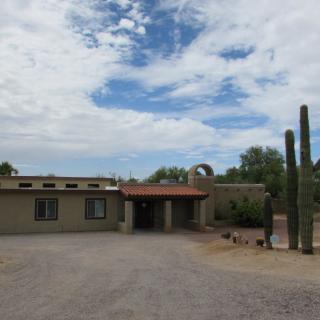
 Understanding Dementia Through Its Seven Stages: A Comprehensive Look at Progression and Expectations
 Safeguarding Your Memory Through the Golden Years: Eight Ways to Preserve Cognitive Health
 Comprehensive Insights into Activities of Daily Living (ADLs) and Their Assessment