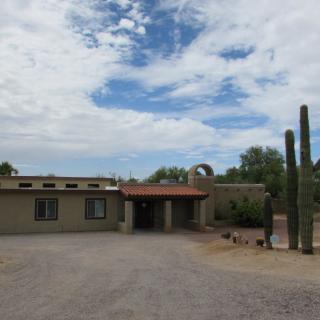
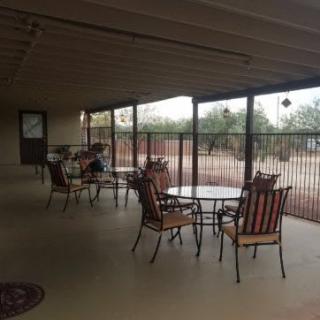
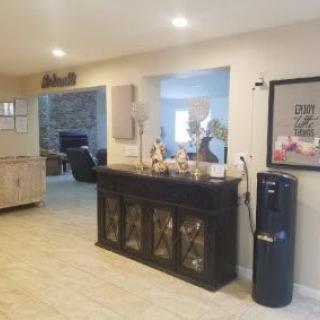
1270 W Emerine Dr, Tucson, AZ 85704
To contact a resident: (520) 449-7752
For more information about senior living options: (866) 208-4318
Emerine Hills Assisted Living Costs & Pricing
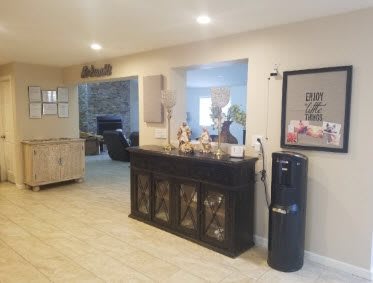
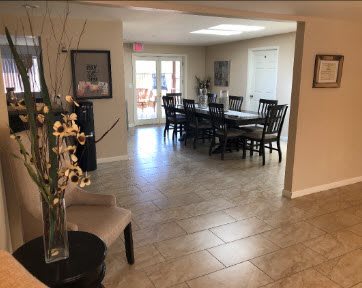
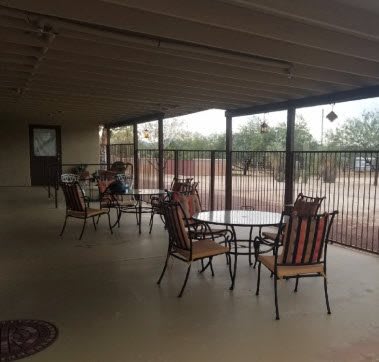
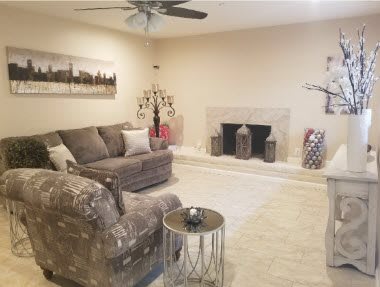
Emerine Hills Assisted Living provides a comfortable and supportive environment for its residents, with a monthly cost of $3,850 for a private room. This rate is notably higher than the average costs in Pima County, which stands at $3,332, and the state of Arizona overall, where the cost averages around $3,345. The premium associated with Emerine Hills reflects not only the quality of care and amenities offered but also its commitment to fostering a community atmosphere that prioritizes individual well-being and engagement. Residents can expect personalized services tailored to their needs within a nurturing setting that may justify the additional investment compared to regional pricing.
| Floor plans | Emerine Hills Assisted Living | Pima County | Arizona |
|---|---|---|---|
| Private | $3,850 | $3,332 | $3,345 |
Senior living communities with a similar price nearby
-
from -$700 / mo
Casa De Buena Vida
$3,150 to $3,450 / month0.3 miles away -
from -$650 / mo
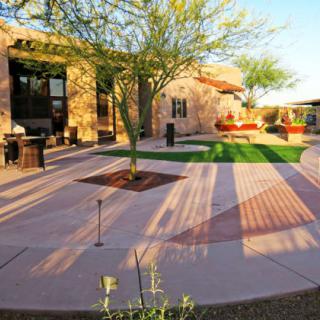
Academy Villas
$3,200 to $7,000 / month22.5 miles away -
from +$650 / mo
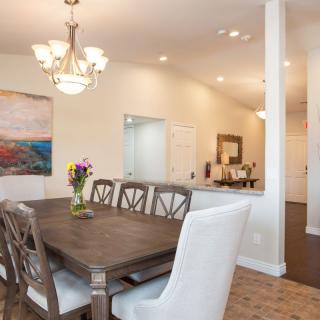
Desert Gardens Assisted Living and Memory Care
$4,500 / month8.6 miles away -
from -$250 / mo
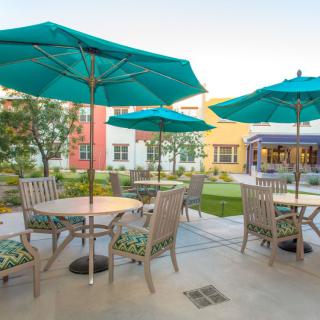
The Ranch Estates of Tucson
$3,600 to $4,840 / month1.9 miles away -
from -$705 / mo
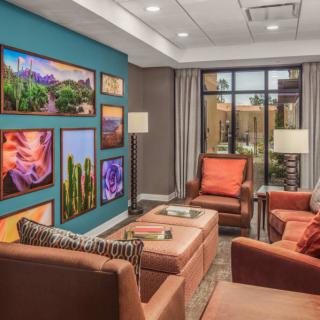
The Watermark at Oro Valley
$3,145 to $4,995 / month3.1 miles away
Overall Review of Emerine Hills Assisted Living
Cons
 The facility disappointed the family.
- The food was not good.
- One resident spoke only English and could not communicate with the staff.
- There was insufficient staffing on site.
- The care and the food were horrendous.
- The staff did not care for residents as they should have.
- Some staff yelled at residents.
- There was no private bathroom; residents had to share a bathroom down the hallway.
Review
Emerine Hills Assisted Living in Tucson is best suited for residents who are largely independent and require only light help, with families prepared to assume a hands-off oversight role. In practice, the available feedback suggests this community struggles to meet even modest expectations for basic care and everyday living. The reviews point to meals that disappoint, limited privacy, and a care culture that feels inattentive at best. For a senior who can manage daily routines with minimal assistance and for families willing to monitor and intervene as needed, Emerine Hills may seem like a provisional option. For anything beyond incidental support, the drawbacks quickly overwhelm any perceived convenience.
Those evaluating options should explicitly consider alternatives if priorities include reliable caregiving, clear communication, and a respectful atmosphere. The critiques describe a disconnect between staff and residents, with reports of neglectful behavior, poor meal quality, and shared bathrooms that undermine dignity. Language differences appear to complicate understanding, leaving families uneasy about how a loved one is interpreted and cared for. With privacy already compromised by the absence of private bathrooms, the risk of miscommunication and inconsistent care rises. In short, the combination of care gaps, distressing interactions, and limited resident autonomy makes this community a poor fit for families seeking reassurance.
Pros that might cushion such concerns are few and far between in the reports. Emerine Hills exists as a basic residential option in a market with multiple elder-care choices, but the described setup does not deliver consistently reliable care or comfort. Even if dining were acceptable, the absence of steady, compassionate staffing and the reported instances of staff raising voices dwarf any potential benefits. The lack of a private bathroom for residents is a significant dignity hit that many families will not tolerate. The unfulfilled expectation that there would be adequate on-site staffing, two caregivers on duty at all times, materializes as a core disappointment. When care quality and resident well-being are at stake, minor positives do not counterbalance the fundamental flaws.
From a practical decision-making standpoint, the issues cited demand rigorous scrutiny during visits and direct conversations with administrators. Prospective residents should request detailed staffing reports and observe shift patterns to confirm sufficient coverage across the day and night. Inquiries about dining should go beyond menus to actual meal quality, portion sizes, and the ability to accommodate dietary needs. Private bathroom access, room configurations, and maintenance of living spaces deserve careful verification. Prospective families should also collect references, contact current and former residents’ families, and review state licensing and complaint histories. If a facility cannot demonstrate consistent performance on these fronts, alternatives are warranted.
The practical takeaway is clear: if quality of care, respectful treatment, and resident privacy are non-negotiable, Emerine Hills warrants a cautious pass in favor of higher-rated communities. Budget constraints or limited local options do not justify accepting environments where residents experience distress, shouting, or uncertain food service. The best choice prioritizes stable staffing, clear and respectful communication, private bathing facilities, and a culture that treats residents with dignity. Where these elements are missing, the risk to a loved one’s well-being outweighs any conceivable savings or convenience.
In sum, families evaluating Emerine Hills should proceed with substantial skepticism and rigorous due diligence. If other Tucson options exist, those deserve priority attention. When touring, demand concrete commitments on staffing levels, privacy safeguards, and the quality of daily life experiences. Seek communities with demonstrated strength in resident-centered care, multilingual communication where needed, and consistently positive feedback from families. The guiding standard remains straightforward: prioritize safety, dignity, and dependable care, and be prepared to pivot to a stronger option rather than settle for environments that compromise trust and well-being.
 Board and Care Home
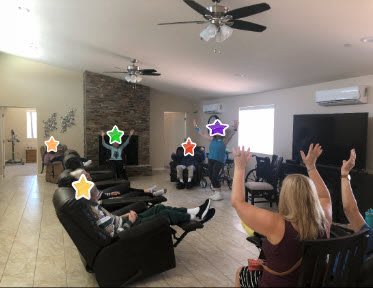
 Activities on-site
 Air-conditioning
 Bath tubs
 Cable or satellite TV
 Devotional services off-site
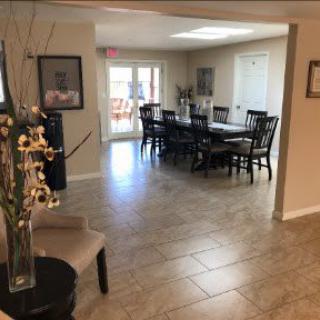
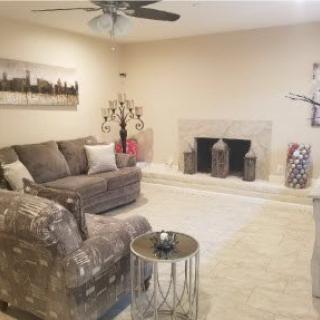
 Indoor common areas
 Outdoor common areas
 Private
 Private bathrooms
 Respite or short term stays offered
 Wheelchair accessible showers
 Wi-Fi/high-speed internet available
 Tucson International (15 miles away)
 Diabetic care
 High acuity care
 Incontinence care
 Medication management
 Anytime dining
 Art classes
 BBQs or picnics
 Birthday parties
 Live dance or theater performances
 Live musical performances
 Stretching classes
 Personalized care with high-quality services in a warm, social community.

 Essential Knowledge on Pneumonia in Older Adults
 Exploring Palliative Care in the Home: A Comprehensive Overview
 Comprehensive Insights into Palliative Home Care: What It Is and What to Expect