
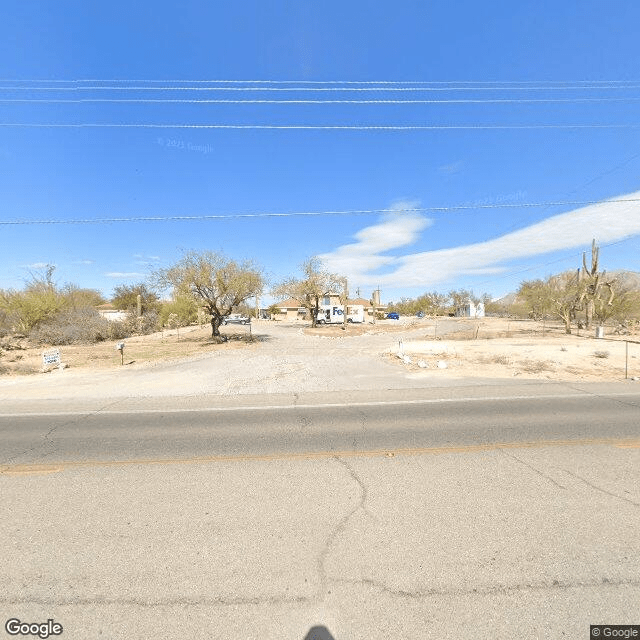
1010 West Orange Grove Road, Tucson, AZ 85704
For more information about senior living options: (866) 208-4318
Casa De Buena Vida Costs & Pricing
Casa De Buena Vida offers competitive pricing for its accommodations when compared to the broader market in Pima County and across Arizona. The semi-private rooms are priced at $3,150 per month, which is notably higher than the county average of $2,805 and slightly above the state average of $2,820. For those seeking more privacy, Casa De Buena Vida's private rooms are available at $3,450 monthly. This rate is comparable to Pima County's average of $3,332 and slightly lower than Arizona's overall average of $3,345. Overall, while Casa De Buena Vida positions itself at a premium compared to county averages for semi-private options, it remains competitive for private living arrangements within the region.
| Floor plans | Casa De Buena Vida | Pima County | Arizona |
|---|---|---|---|
| Semi-Private | $3,150 | $2,805 | $2,820 |
| Private | $3,450 | $3,332 | $3,345 |
Assisted Living communities with a similar price nearby
-
About the same
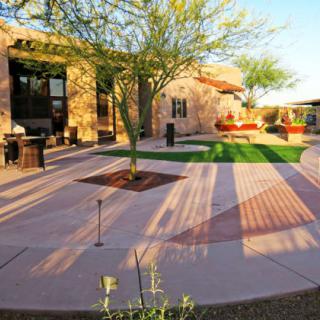
Academy Villas
$3,200 to $7,000 / month22.4 miles away -
from +$450 / mo
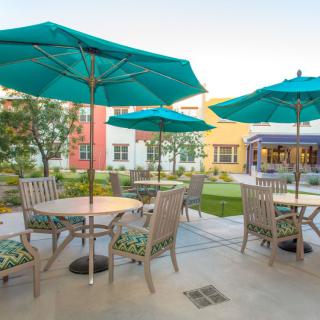
The Ranch Estates of Tucson
$3,600 to $4,840 / month1.8 miles away -
from -$150 / mo
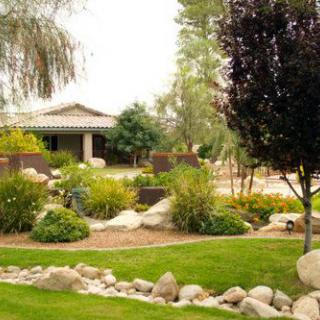
Crossroads Adult Care Homes
$3,000 to $3,600 / month1.7 miles away -
from -$450 / mo

Casa De Los Abuelos Dos
$2,700 to $3,200 / month1.6 miles away -
About the same
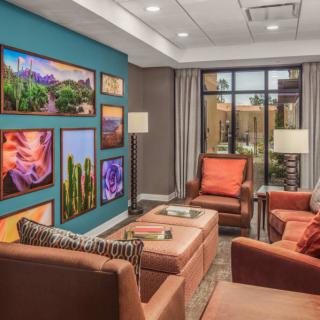
The Watermark at Oro Valley
$3,145 to $4,995 / month3.4 miles away
Overall Review of Casa De Buena Vida
Pros
 The family feels very fortunate to have found Casa de Buena Vida for their father, noting attentive care that addresses physical, personal, cognitive, and behavioral needs.
- Casa de Buena Vida is newly renovated and beautiful.
- Caregivers, including Maryssa Barker, are described as loving and doing a great job.
- The care provided is phenomenal, almost like memory care, with hospice-level medical oversight and compassionate staff.
- The facility is very clean, well sized, and offers fantastic, freshly prepared meals.
- The staff engage residents with music and activities, and the home fosters connectedness among families.
Cons
 The previous memory care setting could not provide his care without bringing in overnight caregivers.
- She can't remember anything more than five minutes ago.
- She went downhill after living in that arrangement for a year and a half.
- The medications stabilized her, but did not help her memory at all.
Review
Casa De Buena Vida in Tucson is best suited for families seeking intimate, highly attentive memory-care–like support for a loved one with Alzheimer’s or other cognitive challenges, where daily oversight and a personal touch matter more than campus size or corporate branding. The house format, recently renovated and operating with about a 10-bed footprint, allows caregivers to address physical, personal, cognitive, and behavioral needs with unusual closeness. Residents benefit from a home atmosphere, not a sterile corridor environment, where fresh, well-prepared meals, clean surroundings, and consistent staffing translate into reliable day-to-day stability. This configuration is particularly attractive for families who want to see demonstrable, compassionate engagement from caregivers rather than generic programming.
That strength, however, comes with trade-offs. Alternatives to consider include larger memory-care communities or corporate facilities that emphasize broader programming, more formal activities schedules, and the visibility of staff across multiple shifts. Those who want expansive social calendars, frequent group outings, or easier access to on-site specialists may find a bigger campus more aligned with expectations. Similarly, families prioritizing open interior visiting policies or a campus-style atmosphere may prefer other options that offer less of a homelike feel and more of a traditional facility footprint.
From a practical standpoint, the positives are substantial enough to offset the typical constraints of a small, specialized home. The care team’s attentiveness and capacity to coordinate with hospice-influenced medical oversight yield tangible benefits: steadier sleep patterns, improved management of sundowners, and a sense of continuity that helps reduce anxiety for both residents and families. The food program stands out, two cooks delivering fresh, home-style meals. Beyond meals and safety, the intimate size fosters relationship-based care that’s hard to replicate in larger settings, producing a sense of dignity and personal attention that families value deeply.
Families also note the emotional value of connectedness. Staff engagement goes beyond routine tasks, with efforts to involve family members and maintain open communication. The owner’s family-run model adds warmth and a sense of belonging through occasional touches like music and gentle activities that bring residents into lighter, more interactive moments. At the same time, care plans can evolve rapidly as needs change, and the small team’s capacity to absorb evolving, complex conditions should be confirmed in advance. The combined effect, medical coordination plus personal attention, creates a resilient option for progression-heavy memory care, albeit one that requires clear expectations about staffing reach.
Another practical consideration is access. One reviewer mentioned not being able to visit inside, a constraint that matters to families prioritizing in-person engagement and oversight. For some, this will be a non-issue given the observed warmth and transparency of staff; for others, it could influence comfort with entrusting ongoing care to a home-based model. The upside is that the home’s size often translates to calmer routines, fewer transfers, and reduced overstimulation, factors that decisively influence outcomes for residents who resist impersonal environments.
Bottom line: Casa De Buena Vida offers a compelling, practical choice for families seeking compassionate, highly personalized memory-care support in a small Tucson setting. It shines when stability, intimacy, and strong meal and caregiving quality matter most, and when medical coordination with hospice-style oversight is valued. It may be less suitable for those who demand campus-scale programming, broader visitor options, or an expansive social calendar. For families weighing options, a candid tour focused on the care team’s experience with advanced dementia and palliative needs, plus a clear understanding of current visitation practices and daily routines, will illuminate how well this community aligns with specific goals. With those checks, this residence stands as a prudent, well-founded option in the local care landscape.
 10 resident community capacity
 Assisted Living
 Board and Care Home
 Cable or satellite TV
 Dining room
 Fully furnished
 Garden
 Housekeeping services
 Move-in coordination
 Outdoor space
 Private
 Telephone
 Wi-Fi/high-speed internet available
 Tucson International (15 miles away)
 24-hour supervision
 Activities of daily living assistance
 Assistance with bathing
 Assistance with dressing
 Assistance with transfers
 Diabetes diet
 Diabetic care
 Meal preparation and service
 Medication management
 Special dietary restrictions
 Transportation arrangement (medical)
 Transportation to doctors appointments


 Assisted Living Expenses and Long-Term Care Insurance: A Comprehensive Exploration
 Securing Financial Support for Assisted Living: A Comprehensive Overview
 Social Security Benefits and Assisted Living: Navigating Options Across the U.S.