

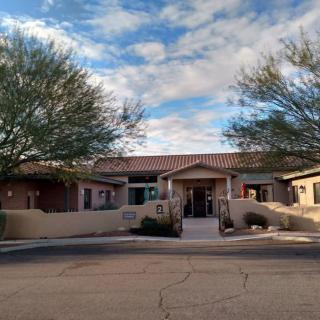
6710 North Leonardo Da Vinci, Tucson, AZ 85704
For more information about senior living options: (866) 208-4318
Spring Days Adult Care Home Costs & Pricing
Spring Days Adult Care Home offers competitive pricing for its residents when compared to the broader costs in Pima County and the state of Arizona. For a semi-private room, the monthly cost is $2,500, which significantly undercuts both the county's average of $2,805 and the state's average of $2,820. Similarly, for private rooms, Spring Days maintains a price of $3,000, again lower than the county's average of $3,332 and the state's figure of $3,345. Even for one-bedroom accommodations, Spring Days presents an appealing option at $3,000 versus Pima County's average of $3,660 and Arizona's rate of $3,532. This positioning not only makes Spring Days Adult Care Home an attractive choice for potential residents but also underscores its commitment to providing quality care at accessible prices.
| Floor plans | Spring Days Adult Care Home | Pima County | Arizona |
|---|---|---|---|
| Semi-Private | $2,500 | $2,805 | $2,820 |
| Private | $3,000 | $3,332 | $3,345 |
| 1 Bedroom | $3,000 | $3,660 | $3,532 |
Memory care communities with a similar price nearby
-
from +$200 / mo

Casa De Los Abuelos Dos
$2,700 to $3,200 / month1.3 miles away -
About the same
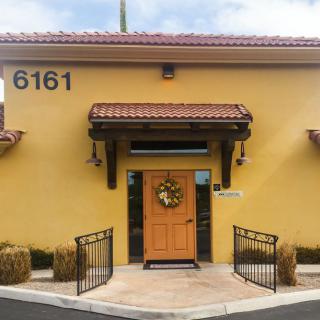
Fairmount Assisted Living
$2,500 to $3,500 / month9.7 miles away -
from +$450 / mo

La Sonora at Dove Mountain
$2,950 to $5,270 / month8.5 miles away -
from -$372 / mo
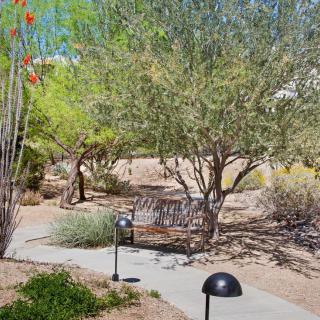
Sunrise at River Road
$2,128 to $3,530 / month2.7 miles away -
from +$95 / mo
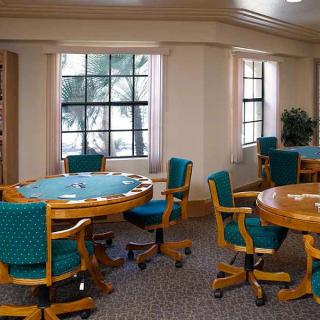
Atria Campana Del Rio
$2,595 to $7,095 / month3.6 miles away
Overall Review of Spring Days Adult Care Home
Pros
 Spring Days is a great home that truly cares for its residents; Bernadette and the caregivers show unconditional love.
- The owner is a long-time caregiver manager who provides a warm, caring, family-like environment.
- Residents thrive since moving from a larger facility, with very attentive staff.
- The home celebrates birthdays and holidays with all residents, creating a strong sense of community.
- Residents receive personal care, including hair and nails, and arrive clean and happy.
Review
Spring Days Adult Care Home in Tucson is best suited for seniors who thrive in a compact, home-like setting where care feels personal, attentive, and consistently warm. This community appeals to families seeking daily touchpoints, genuine warmth, and a sense of belonging rather than a clinical, impersonal atmosphere. The owner brings long-time caregiver leadership, translating into steady, hands-on oversight. Residents are attended to with what repeatedly emerges as unconditional care and a family-like environment, and the home’s approach to celebrations and routines reinforces a sense of security and continuity for loved ones.
Alternatives are worth considering for residents who require robust medical oversight, specialized memory care, or access to a broader array of therapies and social programming found in larger facilities. The setting centers on individualized attention within a smaller footprint, which may limit on-site clinical resources, therapy services, or highly structured activity schedules. For families prioritizing 24/7 nursing, complex medical management, or dementia-specific care plans, a larger, purpose-built community could be a better fit.
Key advantages arise from the intimate scale and the staff’s demonstrated commitment. The caregiving team, led by an owner with caregiver roots, produces a consistently warm, safe, and engaging environment. Residents are celebrated with birthdays and holidays, and everyday services like hair styling and nail care are readily available, contributing to dignity and morale. The care team is described as attentive, and the home environment places emphasis on cleanliness and personal presentation, with residents arriving for visits clean and content. This combination yields stability and happiness that smaller settings often struggle to sustain.
Nonetheless, the smaller model carries potential trade-offs. While personal attention stands out, the scale may translate into fewer specialized services or fewer peers with similar interests for those who crave a busier social calendar. Staffing dynamics can also shape the cadence of activities or the speed of response during peak times. Yet these drawbacks are largely offset by steady, individualized attention, a sense of belonging, and visible investments in daily quality of life, grooming, celebrations, and consistent routines, that reduce stress and confusion for residents and families alike.
From a practical standpoint, Spring Days appears to deliver on trust, warmth, and home-like security. The owner’s caregiver-background translates into practical governance and a culture of genuine care. Residents benefit from regular grooming, a daily rhythm that includes social and festive touches, and a clean, comfortable living space that supports a dignified lifestyle. The emphasis on connecting with family and creating a celebratory atmosphere helps families feel confident in the choice, knowing staff know their loved one’s history and preferences.
For families moving toward a decision, the takeaway is clear: Spring Days is an excellent fit for seniors who value intimate care, family-like warmth, and consistent daily attention over the dynamics of a larger campus. It is less suited for those needing intense medical management, memory-care specialization, or extensive therapy offerings. A candid assessment should cover medical support coverage, respite options, and transition planning, along with visits to observe staff-resident interactions during routine days. When values align with the care culture, this Tucson home stands out as a trusted choice that meaningfully enhances daily life.
 10 resident community capacity
 Assisted Living
 Board and Care Home
 Memory Care
 Cable or satellite TV
 Dining room
 Fully furnished
 Garden
 Housekeeping services
 Move-in coordination
 Outdoor space
 Private
 Telephone
 Wi-Fi/high-speed internet available
 Tucson International (15 miles away)
 24-hour supervision
 Activities of daily living assistance
 Assistance with bathing
 Assistance with dressing
 Assistance with transfers
 Diabetes diet
 Meal preparation and service
 Medication management
 Special dietary restrictions
 Transportation arrangement (medical)
 Transportation to doctors appointments





 Understanding Dementia Behaviors: Practical Insights and Strategies for Caregivers
 When Dementia Sparks Anger and Aggression: Understanding the Connection and Ways to Cope
 Dementia Behaviors: In-Depth Understanding and Effective Coping Strategies