
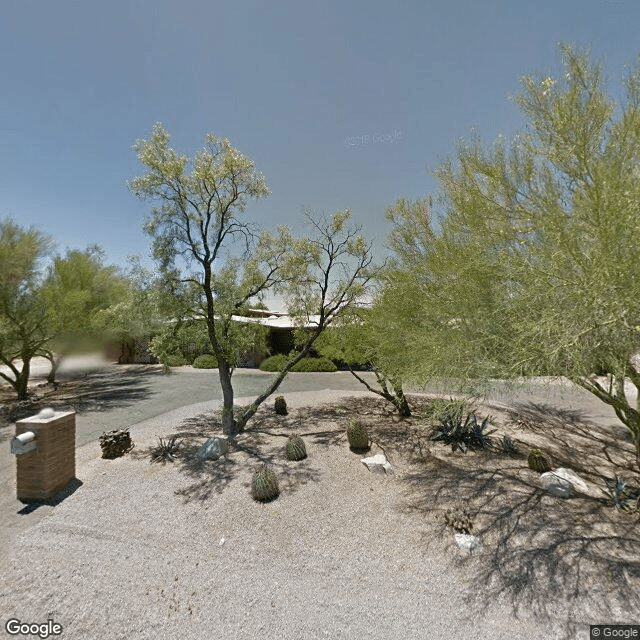
6767 North Leonardo Da Vinci Way, Tucson, AZ 85704
For more information about senior living options: (866) 208-4318
San Nicolas II Costs & Pricing
San Nicolas II presents a compelling option for those seeking private and studio accommodations, with its monthly costs standing at $3,795 for both room types. In comparison to Pima County, where the average cost for a private room is slightly lower at $3,332 and a studio averages $3,786, San Nicolas II positions itself as a premium choice. Furthermore, when looking at the broader state of Arizona, which has average prices of $3,345 for private rooms and $3,829 for studios, San Nicolas II remains competitive yet higher in price. This pricing suggests that residents may receive enhanced amenities or services that justify the increased cost compared to local and state averages.
| Floor plans | San Nicolas II | Pima County | Arizona |
|---|---|---|---|
| Private | $3,795 | $3,332 | $3,345 |
| Studio | $3,795 | $3,786 | $3,829 |
Memory care communities with a similar price nearby
-
from +$705 / mo
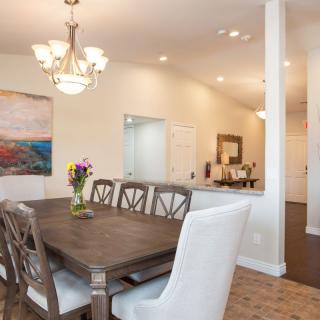
Desert Gardens Assisted Living and Memory Care
$4,500 / month9.0 miles away -
from -$195 / mo
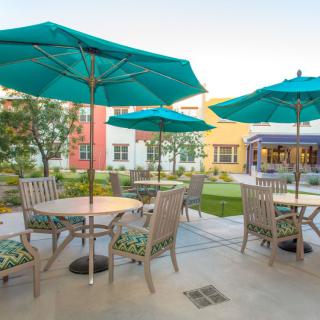
The Ranch Estates of Tucson
$3,600 to $4,840 / month1.6 miles away -
from -$650 / mo

The Watermark at Oro Valley
$3,145 to $4,995 / month3.1 miles away -
from +$500 / mo

Woodland Palms Memory Care Community
$4,295 to $4,995 / month9.3 miles away -
from -$460 / mo
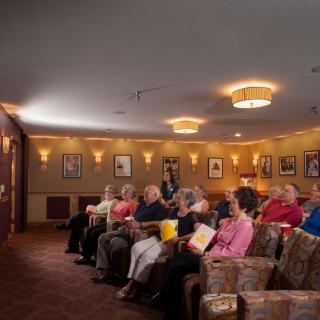
Cascades of Tucson
$3,335 to $5,350 / month11.1 miles away
Overall Review of San Nicolas II
Pros
 The facility is a smaller, more homey environment.
- It is clean and well maintained.
- Rooms are comfortable and inviting, and can be furnished or unfurnished.
- Residents seem engaged and interact well with staff.
- There are numerous activities for residents.
- Fees are reasonable for this type facility.
- It is worth checking out.
Cons
 Larger locations come across as institutional in comparison.
- Inside walking areas are limited.
- Security is adequate for wandering residents.
Review
San Nicolas II is best suited for seniors who want a small, homey living environment with a residential feel, and for families that prioritize warmth, engaged interactions, and ease of navigation over campus-size amenities. The community presents itself as a clean, well-maintained, neighborhood-like option rather than a clinical campus. Its woman-only designation is unusual but functional for residents who value privacy and peer compatibility in a gender-segregated setting. Rooms are intentionally comfortable and can be furnished or unfurnished, allowing newcomers to recreate a familiar home ambiance quickly. The atmosphere encourages social ties, with residents appearing engaged with staff and a culture of everyday interaction that reduces the sense of separation often found in larger facilities.
Those weighing alternatives should note that this is not a one-size-fits-all solution. Families considering co-ed living, or options with more expansive common areas, broader medical or therapeutic services, and campus-style activity calendars may want to compare San Nicolas II with larger facilities. Facilities that offer greater intra-campus mobility, more varied indoor walking paths, and a wider array of on-site programs could better serve residents who crave continuous, physically active routines or who require a broader slate of services on site. The woman-only aspect, while advantageous for some, is a potential limitation for couples or male residents seeking shared living arrangements, making alternatives with mixed demographics attractive in certain scenarios.
The core advantages of this community are concrete and meaningful. The smaller size fosters a clearly more homelike ambiance, reducing the institutional distance that can dampen daily enjoyment in larger campuses. Cleanliness and maintenance are evident, contributing to a comfortable living environment. Rooms feel inviting, with flexibility on furnishing that supports personal sovereignty over living space. Staff engagement appears strong, and residents interact with caregivers in a manner that reinforces safety and companionship. A rich calendar of activities exists for residents, providing structured opportunities for socialization and cognitive stimulation. Security is described as adequate for wandering residents, a practical reassurance for families seeking supervision without strict confinement.
That said, the limited indoor walking areas and the modest footprint do translate into tangible tradeoffs. When options rely on a smaller set of common spaces, opportunities for incidental social encounters or expansive recreational activities can be constrained. The women-only model, while beneficial for many, narrows the potential resident pool and can complicate decisions for those who desire cohabitation with partners or male peers. On-site amenities and services may not match the breadth found at larger campuses, so families should confirm the availability of medical oversight, therapy options, or transportation arrangements and be prepared to coordinate external resources if needed. Fees are described as reasonable, which helps, but the overall value depends on how well the facility’s offerings line up with individual care needs.
Decision guidance follows from these realities. If independence within a compact, intimate setting and a strong social environment are priorities, San Nicolas II delivers with credibility and charm. Pros offset certain limitations when the care plan centers on daily engagement, routine, and the comfort of a familiar, home-like atmosphere. For seniors requiring extensive on-site medical services, diversified therapeutic programs, or family-friendly cohabitation arrangements, exploration of alternatives is prudent. Prospective families should verify concrete details: the balance of staff-to-resident ratios, the exact scope of activities, how wandering risk is managed, and whether transportation and healthcare coordination meet anticipated needs. A thoughtful comparison will determine whether the price-to-benefit alignment justifies making this the primary choice.
In summary, San Nicolas II stands out for seniors who value a cozy, intimate, women-only residence with high cleanliness standards, comfortable rooms, and robust social programming, all at a reasonable price point. It is a compelling option for those who prize a home-like atmosphere over a sprawling campus, and for families who trust the staff relationship to sustain daily well-being. However, for those who seek mixed-gender living, more extensive indoor walking routes, or a broader on-site service ecosystem, it is essential to weigh alternatives carefully. When these factors align with personal priorities, San Nicolas II is a prudent, well-considered choice worth pursuing.
 10 resident community capacity
 Assisted Living
 Board and Care Home
 Memory Care
 Activities off-site
 Bath tubs
 Beautician on-site
 Cable or satellite TV
 Devotional services on-site
 Dining room
 Fully furnished
 Garden
 Housekeeping services
 Indoor common areas
 Move-in coordination
 Outdoor common areas
 Private
 Private bathrooms
 Respite or short term stays offered
 Telephone
 Wheelchair accessible showers
 Wi-Fi/high-speed internet available
 Tucson International (15 miles away)
 24-hour supervision
 Ambulatory care
 Assistance with bathing
 Assistance with dressing
 Assistance with transfers
 Diabetes diet
 Diabetic care
 High acuity care
 Incontinence care
 Meal preparation and service
 Medication management
 Special dietary restrictions
 Transportation arrangement (medical)
 Transportation to doctors appointments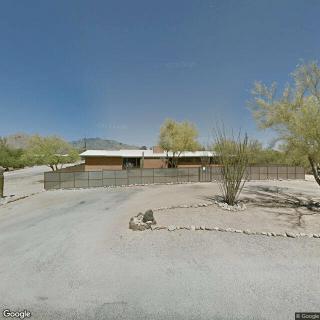






 8 Key Indicators That Suggest It May Be Time to Transition from Assisted Living to Skilled Nursing Care
 Nourishing the Mind: Essential Dietary Approaches for Dementia
 Understanding Dementia Behaviors: Practical Insights and Strategies for Caregivers