
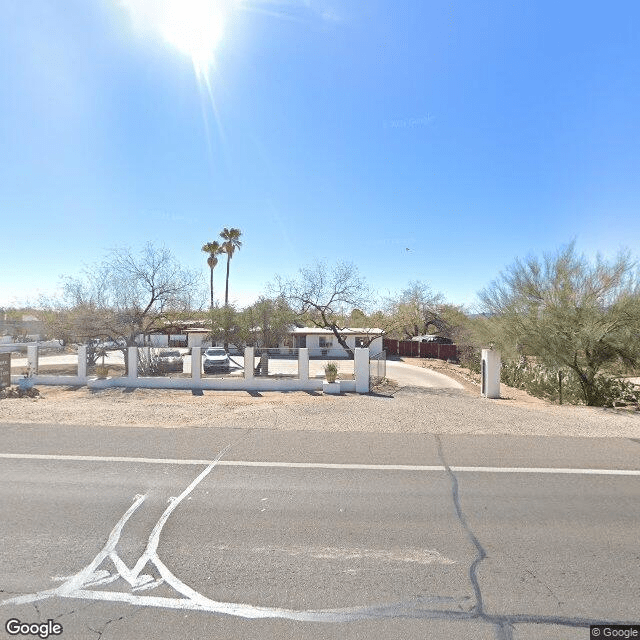
2015 West Ina Road, Tucson, AZ 85704
For more information about senior living options: (866) 208-4318
Casa De Los Abuelos Dos Costs & Pricing
Casa De Los Abuelos Dos offers competitive pricing for its room types compared to both Pima County and the broader Arizona state averages. The semi-private rooms at Casa De Los Abuelos Dos are priced at $2,700 per month, which is notably lower than the county average of $2,805 and the state average of $2,820. For those seeking more privacy, the private rooms are available for $3,200, again undercutting the county's average of $3,332 and the state's average of $3,345. These rates highlight Casa De Los Abuelos Dos as an attractive option for families considering assisted living facilities in the area while ensuring quality care at a reasonable cost.
| Floor plans | Casa De Los Abuelos Dos | Pima County | Arizona |
|---|---|---|---|
| Semi-Private | $2,700 | $2,805 | $2,820 |
| Private | $3,200 | $3,332 | $3,345 |
Memory care communities with a similar price nearby
-
from +$300 / mo
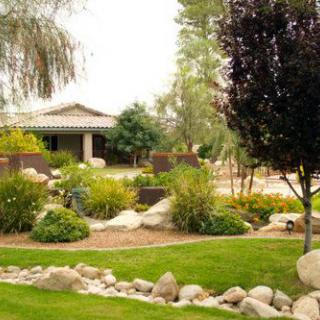
Crossroads Adult Care Homes
$3,000 to $3,600 / month3.2 miles away -
from -$200 / mo
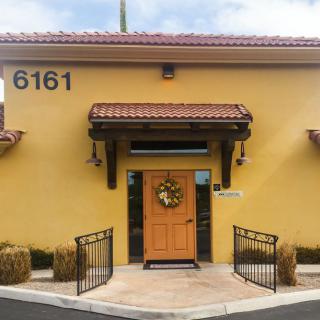
Fairmount Assisted Living
$2,500 to $3,500 / month11.0 miles away -
from +$445 / mo
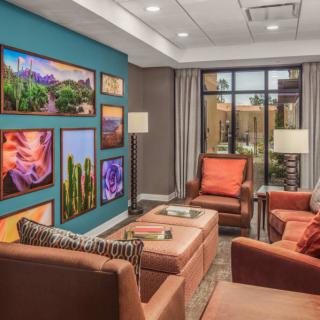
The Watermark at Oro Valley
$3,145 to $4,995 / month3.3 miles away -
from +$250 / mo
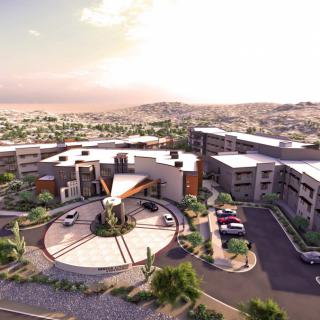
La Sonora at Dove Mountain
$2,950 to $5,270 / month7.4 miles away -
from +$500 / mo
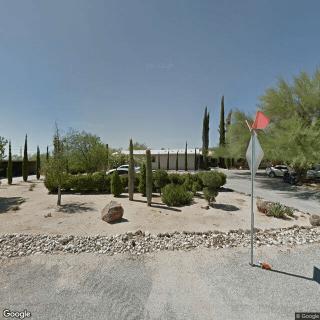
San Nicolas Assisted Living
$3,200 to $5,000 / month1.2 miles away
Overall Review of Casa De Los Abuelos Dos
Pros
 The home is gorgeous and feels like a true home for residents.
- The staff are stellar and take very good care of the residents.
- Meals are loved by the residents and are nutritious, with dietary options available.
- The facility is clean, well-kept, and free of odors, with bright rooms and a pleasant patio.
- Residents are treated with dignity and respect, as if they were part of the caregivers’ own family.
- Caregivers are skillful, compassionate, and attentive, making care feel effortless for families.
- The caregiver manager Marion is exceptional and kind, and the staff feel like extensions of family.
- Families feel confident their loved ones are safe and well cared for.
- The home is family-run, with pride in its work and a strong sense of community.
- Residents can participate in activities and help out around the home, fostering engagement.
Cons
 Her husband was bedbound and it became impossible for her to care for him.
- She was as much against the thought of a nursing home as he was.
- The smaller community had few residents, most of them female, leaving him with no one to relate to or talk sports with.
Review
Casa De Los Abuelos Dos is best suited for families who want a small, family-run, home-like caretaking environment in Tucson, where residents receive exceptionally hands-on, personalized attention. This is a setting built on relationships and continuity, where owners and caregivers know residents by name, treat them with genuine warmth, and manage daily needs with a hands-on touch. For families facing real caregiving burdens, such as a bedbound loved one or someone stepping into respite or hospice care, the value is in the sense of belonging and the assurance that care partners become part of the family. The mix of a tidy, well-kept home, nourishing meals, and careful oversight translates into notable improvements in comfort and daily quality of life for residents who need ongoing assistance.
Who may want to consider alternatives? Larger, more clinical facilities with broader medical staffing or formal memory-care programs can offer the scale and range of services that some families require. If a resident demands robust 24/7 nursing oversight, a formal memory-care wing, or a highly active, diverse social calendar with a larger peer group, this smaller home may feel limits. Families seeking a wide array of on-site therapists, extensive campus amenities, or more male companionship for social or recreational purposes might prefer a bigger community. Casa De Los Abuelos Dos excels as a warm, intimate home, not as a substitute for a full-service nursing campus with expansive medical infrastructure.
The strongest positives here are concrete and consistently documented: remarkably attentive staff, a caregiver team that operates as an extension of family, and a clean, odor-free, aesthetically reassuring environment. The home’s atmosphere, bright rooms, plants, a welcoming back patio, and well-maintained common areas, contributes to daily well-being. Meals are not just adequate; they are enjoyed by residents, with accommodations for dietary needs and enthusiasm for the food itself. Caregivers demonstrate skill and compassion across dementia care and general incontinence needs, and families repeatedly report strong lines of communication and transparency. These advantages partially offset the limited square footage and smaller-scale social scene by delivering stability, dignity, and personal attention that larger facilities often struggle to maintain.
Another clear advantage is the staff structure and operational focus. The care team is described as stellar, with particular praise for the caregiver manager’s kindness and leadership. Residents are treated with respect, and staff are seen as trustworthy extensions of the family unit. This creates psychological comfort for families and reduces the stress of entrusting a loved one to care. The small but meaningful opportunities for resident participation, like helping in the kitchen or folding laundry, also reinforce a sense of purpose and belonging, which can be a powerful offset to the limitations of a compact community. For families navigating hospice or end-of-life dynamics, the ability to coordinate smoothly with a small, cohesive team is another key compensating factor.
Still, some practical caveats deserve attention. The community’s size naturally limits the social landscape; one notable observation is a resident population that skews female, which may influence social fit for some individuals, particularly those who value male companionship or more varied activities. Outdoor space is modest, a lovely back patio, but not expansive grounds or walking paths, so families prioritizing exercise or outdoor programming may need to adjust expectations. Prospective residents should verify whether the home’s care plans and staffing levels align with evolving medical needs and whether additional services (e.g., more structured memory-care programming or on-site therapy options) can be arranged if circumstances change.
In decision terms, Casa De Los Abuelos Dos delivers on warmth, dignity, and dependable daily caregiving. It shines for families seeking a tight-knit, high-touch environment where caregivers feel like family, meals are thoughtful, and the resident’s daily experience is calm, respectful, and well supervised. It is less well suited for families prioritizing a large, bustling community with extensive medical staffing or a broad social program. Before deciding, families should ask for a realistic daily schedule, confirm licensing and care capabilities, review how memory care and incontinence are managed, and explore opportunities to tailor activities and outings to the resident’s interests. With clear expectations, this home becomes a compelling, choice-worthy option in Tucson.
 10 resident community capacity
 Assisted Living
 Board and Care Home
 Day Program
 Memory Care
 Respite Care
 Cats allowed
 Dogs allowed
 Bath tubs
 Beautician on-site
 Cable or satellite TV
 Devotional services on-site
 Dining room
 Fully furnished
 Garden
 Housekeeping services
 Indoor common areas
 Move-in coordination
 Outdoor space
 Private
 Telephone
 Wheelchair accessible showers
 Wi-Fi/high-speed internet available
 Tucson International (16 miles away)
 24-hour supervision
 Assistance with bathing
 Assistance with dressing
 Assistance with transfers
 Diabetes diet
 Diabetic care
 High acuity care
 Incontinence care
 Meal preparation and service
 Medication management
 Special dietary restrictions
 Transportation arrangement (medical)
 Transportation to doctors appointments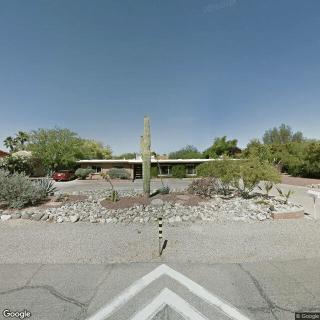
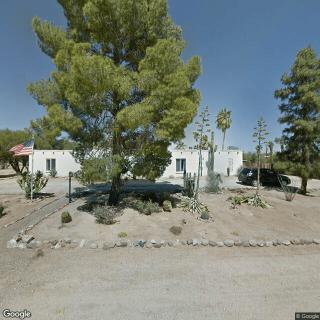

 Illuminating Insights About Alzheimer's Disease: Ten Crucial Realities
 A Thorough Discussion of Medications Potentially Linked to Dementia Risk
 Why Do Dementia Patients Sleep So Much? Understanding Oversleeping, Stages, and Care Approaches