
2001 West Cassim Lane, Tucson, AZ 85704
For more information about senior living options: (866) 208-4318
Overall Review of Northwest Assisted Living I
Pros
 They cared for their mom very well for two years.
- The owner and staff are caring and respectful toward all residents.
- Residents are treated like family by the care team.
- The facility provides comfort and peace of mind that loved ones are well cared for.
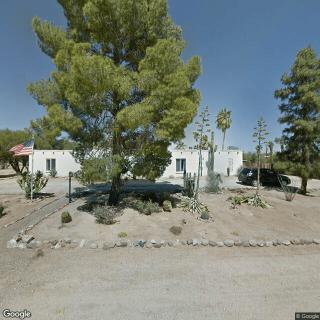
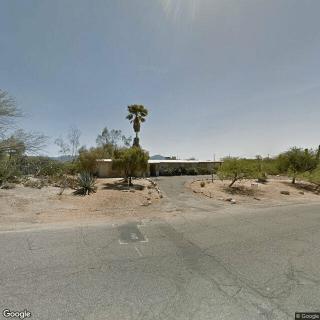
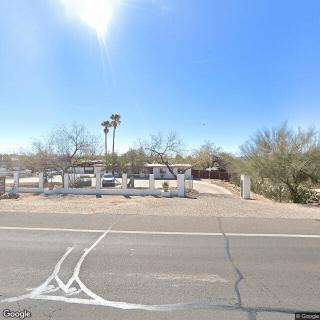
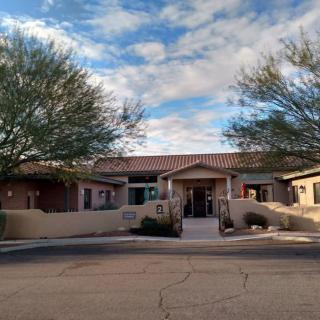
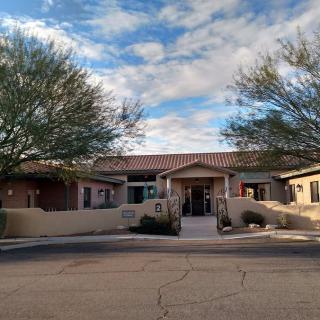
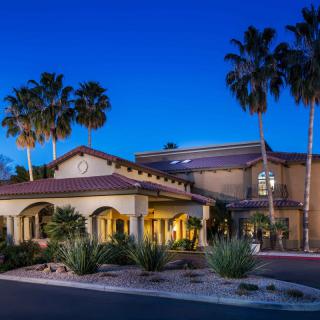
- It is a home-type facility with two well-maintained houses.
- The grounds feature enclosed yards with greenery, a large patio, and BBQs.
- Private and semi-private rooms are available, with some private baths and accessible features.
- An RN is on staff five days a week, with certified caregivers and on-call support.
- They offer home-cooked meals with a varied menu and snacks.
Cons
 They do not accept psych/behavioral residents.
Review
This community is best suited for seniors who want a genuinely home-like setting and families that value a hands-on, owner- and staff-led approach to care. Northwest Assisted Living I in Tucson delivers a domestic atmosphere that feels less institutional and more like a pair of small houses where caregivers know residents by name and routines stay consistent. The two-house layout, one with 10 residents and one with five, cultivates a sense of privacy and belonging without sacrificing access to help. For those who need assistance with daily tasks but do not require intensive clinical oversight, this setting can be profoundly reassuring: meals are home-cooked, activities are embedded in daily life, and transport to local activities is built into the program.
However, certain residents should consider alternatives. The facility does not accept psych or behavioral residents and lacks 24/7 on-site nursing; care is supported by a five-day-per-week RN with on-call backup, plus certified caregivers. For seniors requiring constant nursing attention, memory-care supervision, or specialized behavioral support, a larger community or a dedicated memory-care program would be a better match. The transport program exists but is described as sometimes available rather than guaranteed, so families relying on predictable appointment escorts should verify what is actually provided.
On the flip side, the positives commonly cited offset these limits nicely. The intimate scale means owners and staff can deliver remarkably attentive, respectful care, residents are treated like family, and the caretakers strive to balance independence with safety. Private and semi-private rooms offer choice while preserving the comfort of a small household. Clean, well-maintained interiors, enclosed green spaces, and home-style living rooms and dining areas reduce anxiety and promote social connection. A strong menu and daily activities, from light rehab exercises to karaoke, bingo, parties, and BBQs, create structure and meaningful engagement that keep boredom at bay and encourage participation, which often translates into lower agitation and better mood.
Staffing and daily operations reinforce the advantages. The program includes home-like dining with a variety menu and snacks, and residents also receive some transportation support, frequently for appointments and shopping when a dedicated caregiver is available. The presence of rehab-oriented activities and a structured exercise program helps maintain mobility, while the on-site RN coverage for five days provides a safety net for routine medical questions and medication oversight. The combination of certified caregivers and a steady schedule helps families feel confident about the level of supervision and the ability to address changes in condition promptly.
When evaluating Northwest Assisted Living I, focus on fit between resident expectations and the care model. Prospective families should confirm the actual on-site nursing coverage pattern, clarify transport reliability, and review the level of privacy versus shared space in each room. It is important to tour the homes, assess how well the environment supports safety on mobility and fall prevention, and talk with the owner and staff about how care plans adjust as needs evolve. This option shines for residents who value social programming and domestic comforts, with a care approach that emphasizes personal attention and a family-like culture.
Bottom line: for seniors who thrive on a warm, home-like setting with hands-on care, Northwest Assisted Living I offers a compelling blend of intimacy, daily structure, and social vitality. It is less suitable for those who require round-the-clock nursing, memory-care support, or guaranteed, highly clinical oversight. Families with a loved one who can flourish in a two-house, small-community model, where the owner-level involvement and a robust activity calendar drive daily life, will find this community a strong match. Proceed with a candid visit, confirm staffing patterns, and align expectations with the resident’s medical and behavioral needs before choosing.
 9 resident community capacity
 Assisted Living
 Board and Care Home
 Respite Care
 Cable or satellite TV
 Dining room
 Fully furnished
 Garden
 Housekeeping services
 Move-in coordination
 Outdoor space
 Telephone
 Wi-Fi/high-speed internet available
 Tucson International (15 miles away)
 24-hour supervision
 Activities of daily living assistance
 Assistance with bathing
 Assistance with dressing
 Assistance with transfers
 Diabetes diet
 Meal preparation and service
 Medication management
 Special dietary restrictions
 Transportation arrangement (medical)
 Transportation to doctors appointments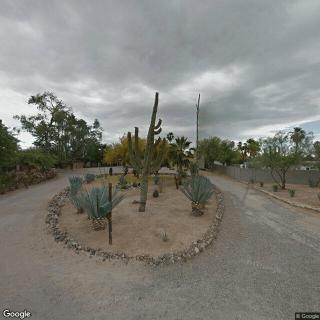
 When to Transition from Assisted Living to Memory Care: Key Indicators, Steps, and Finding the Right Community
 Assisted Living and Memory Care: Understanding Their Core Differences
 Beyond the Bingo Hall: 50+ Enriching Activities for Seniors in Assisted Living